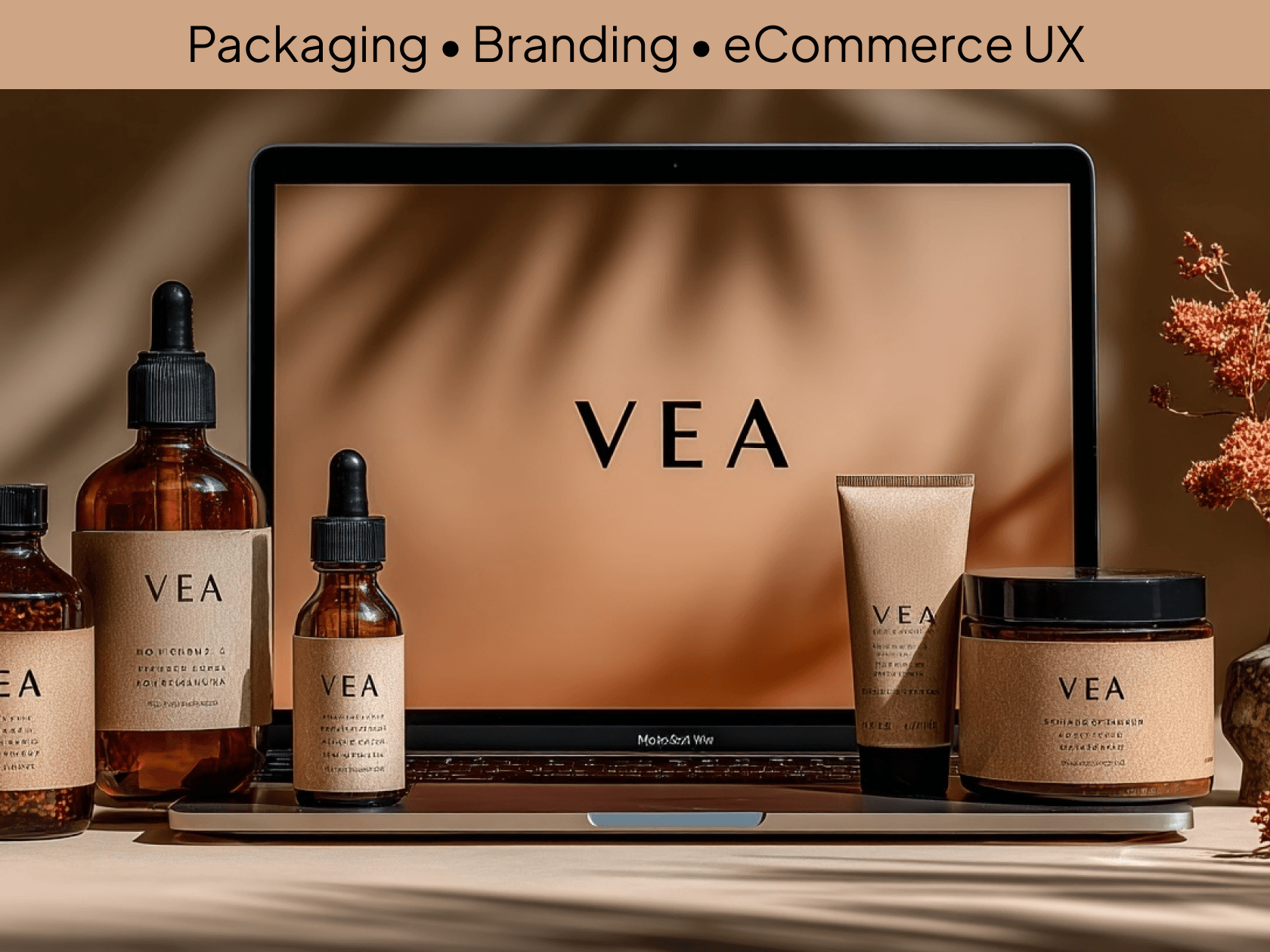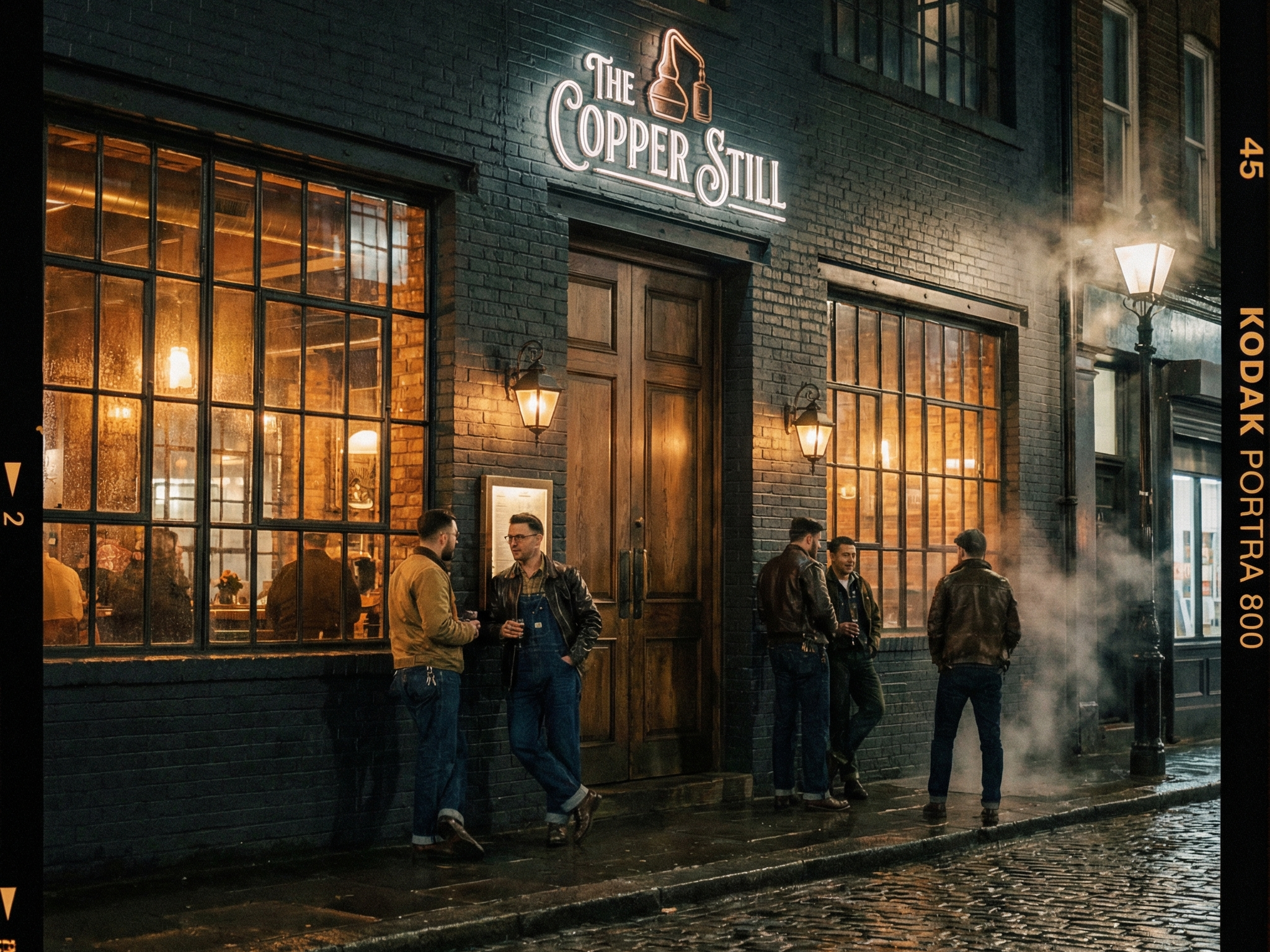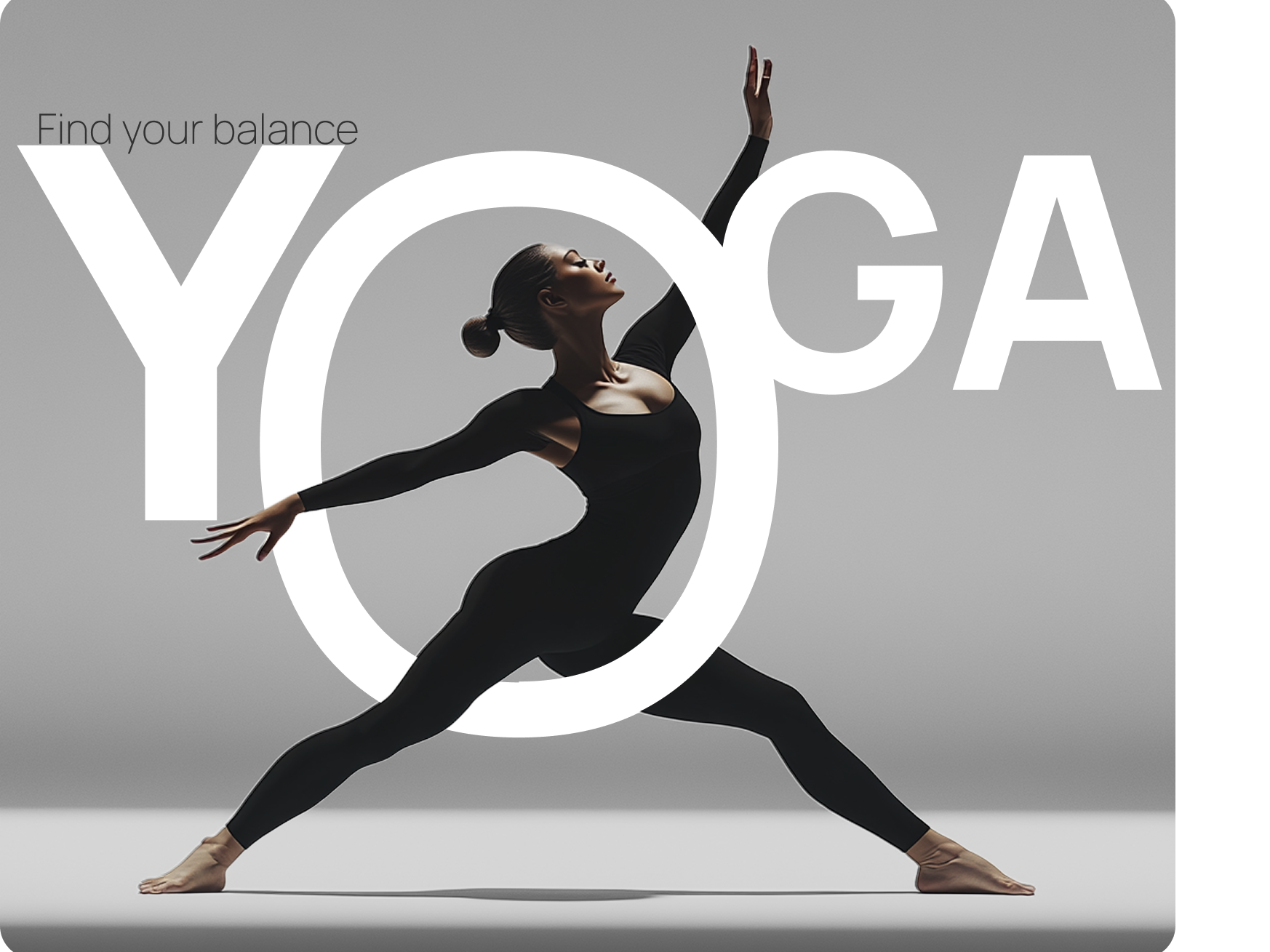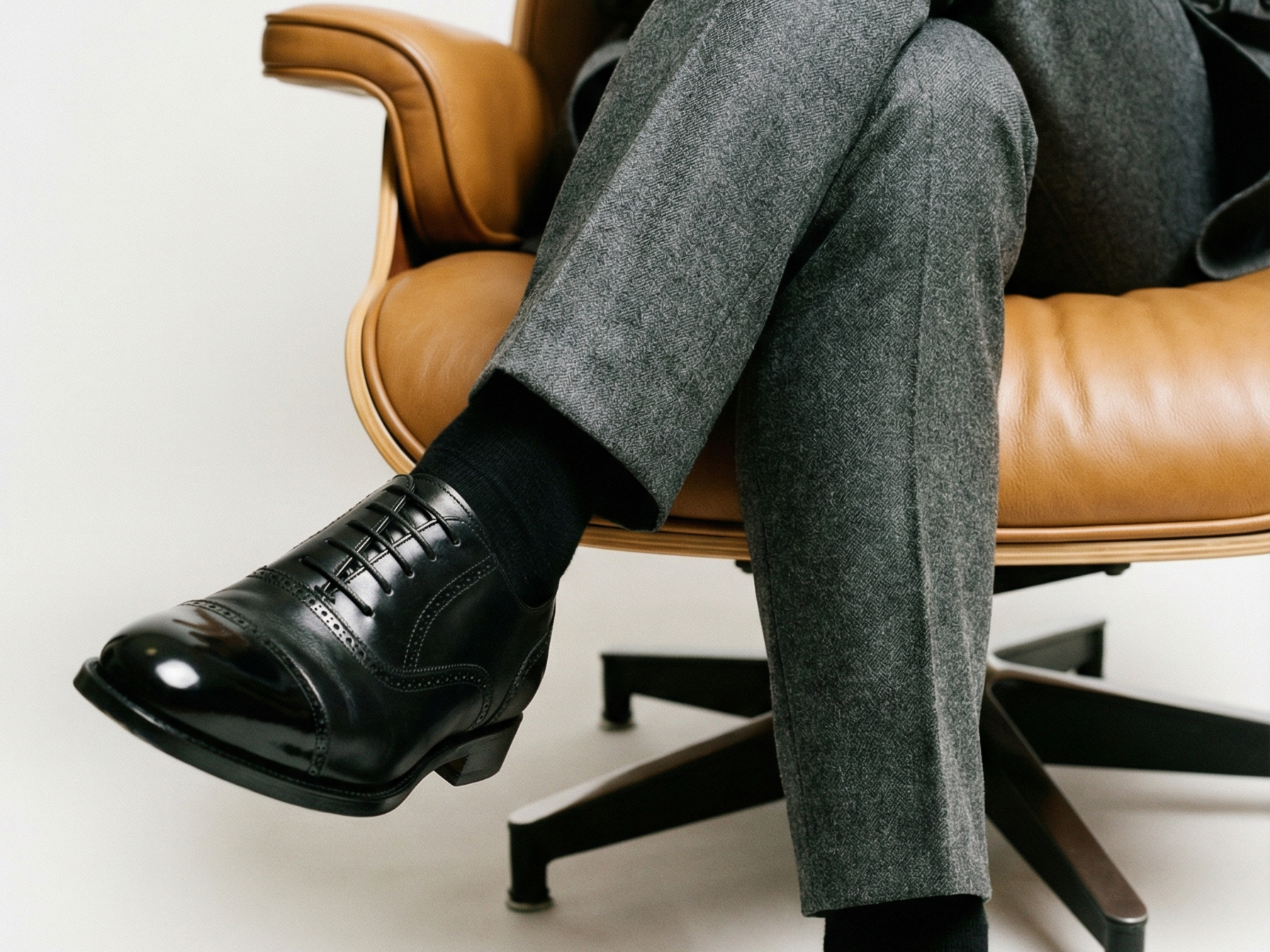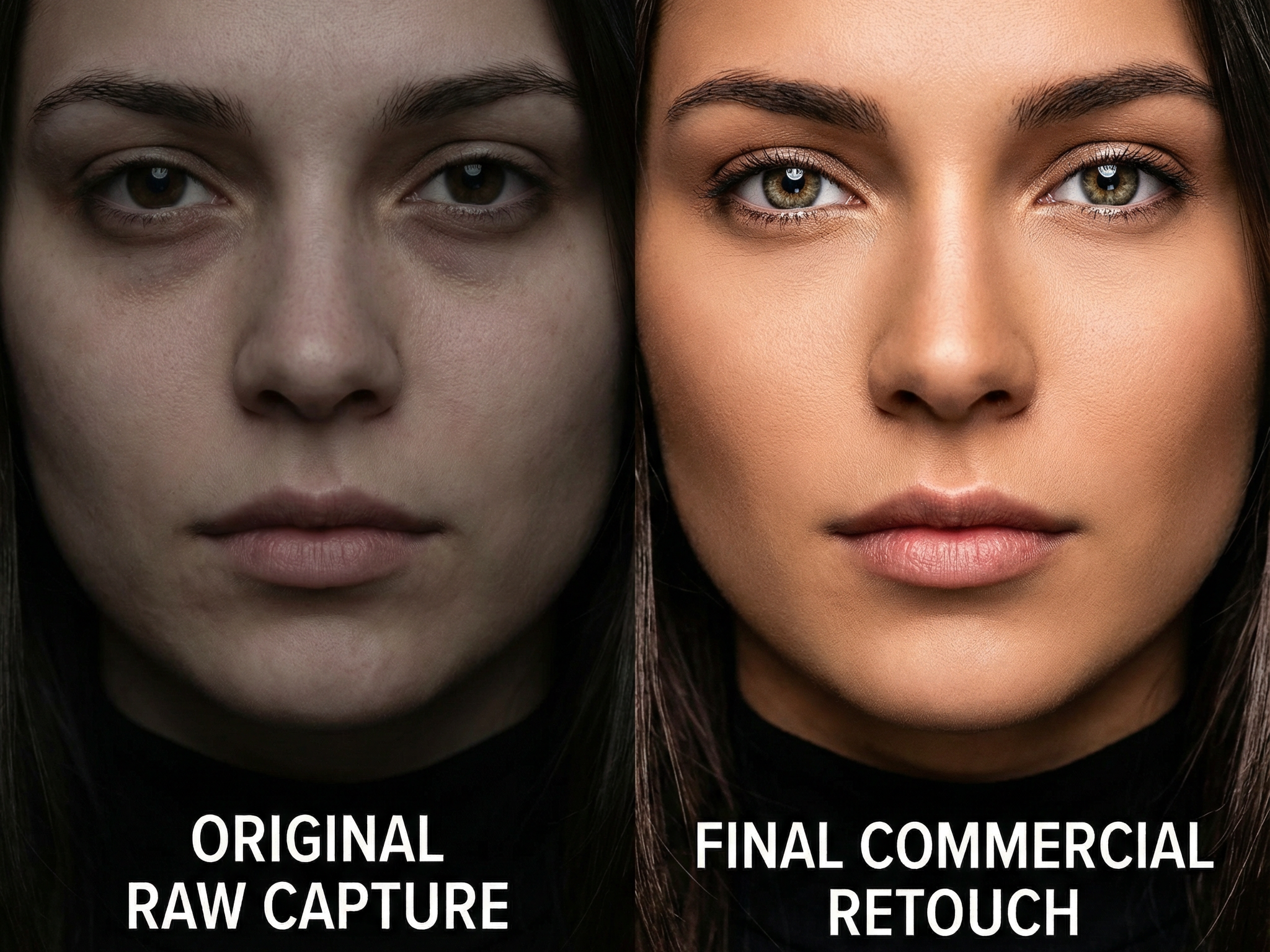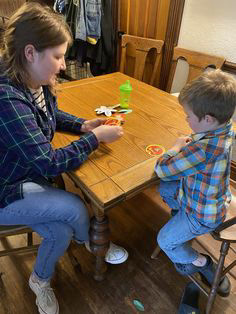
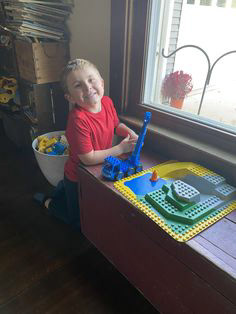
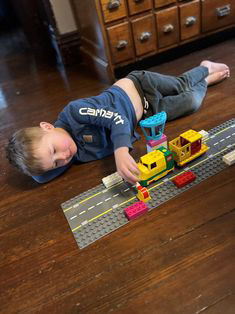
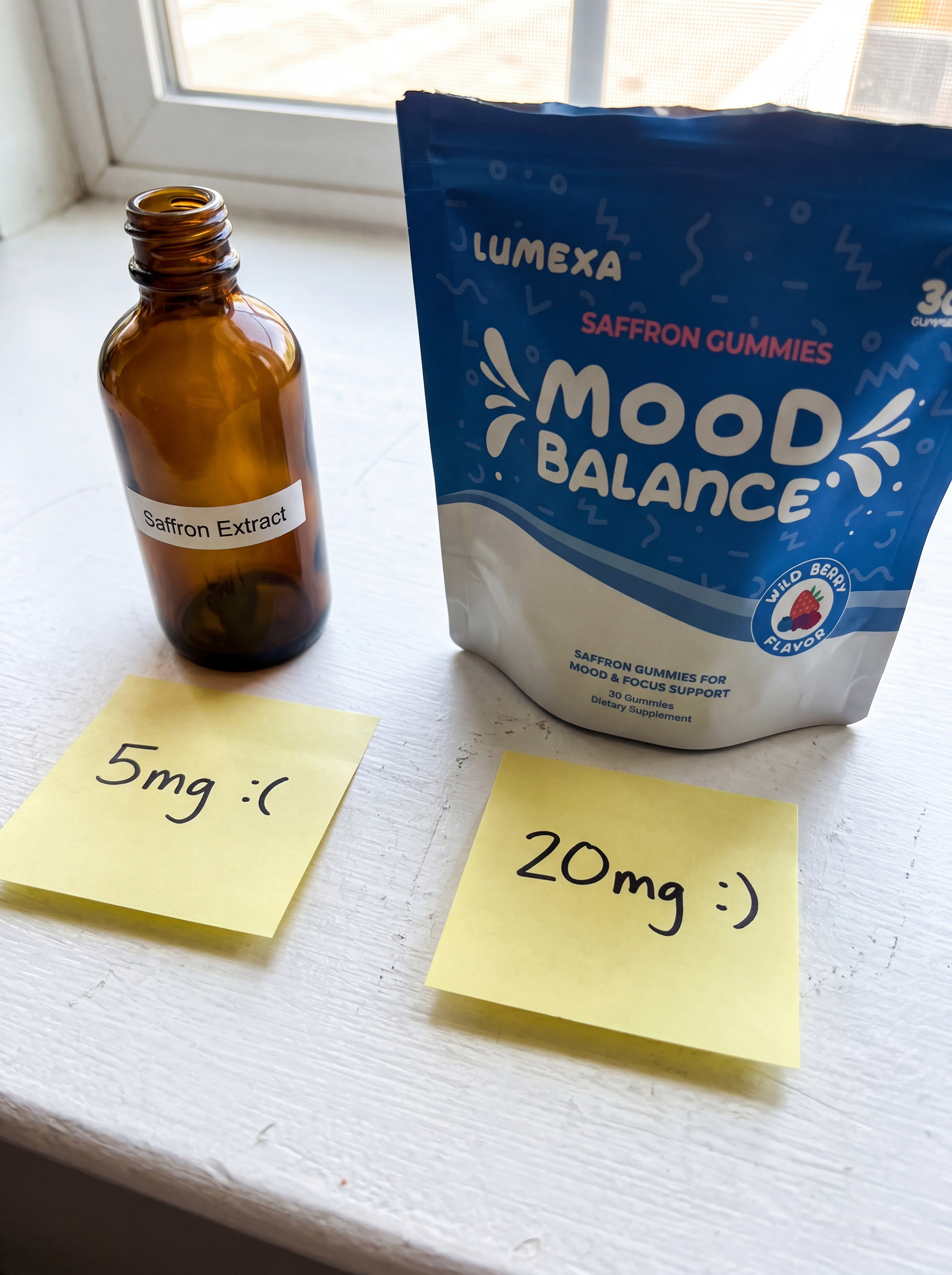
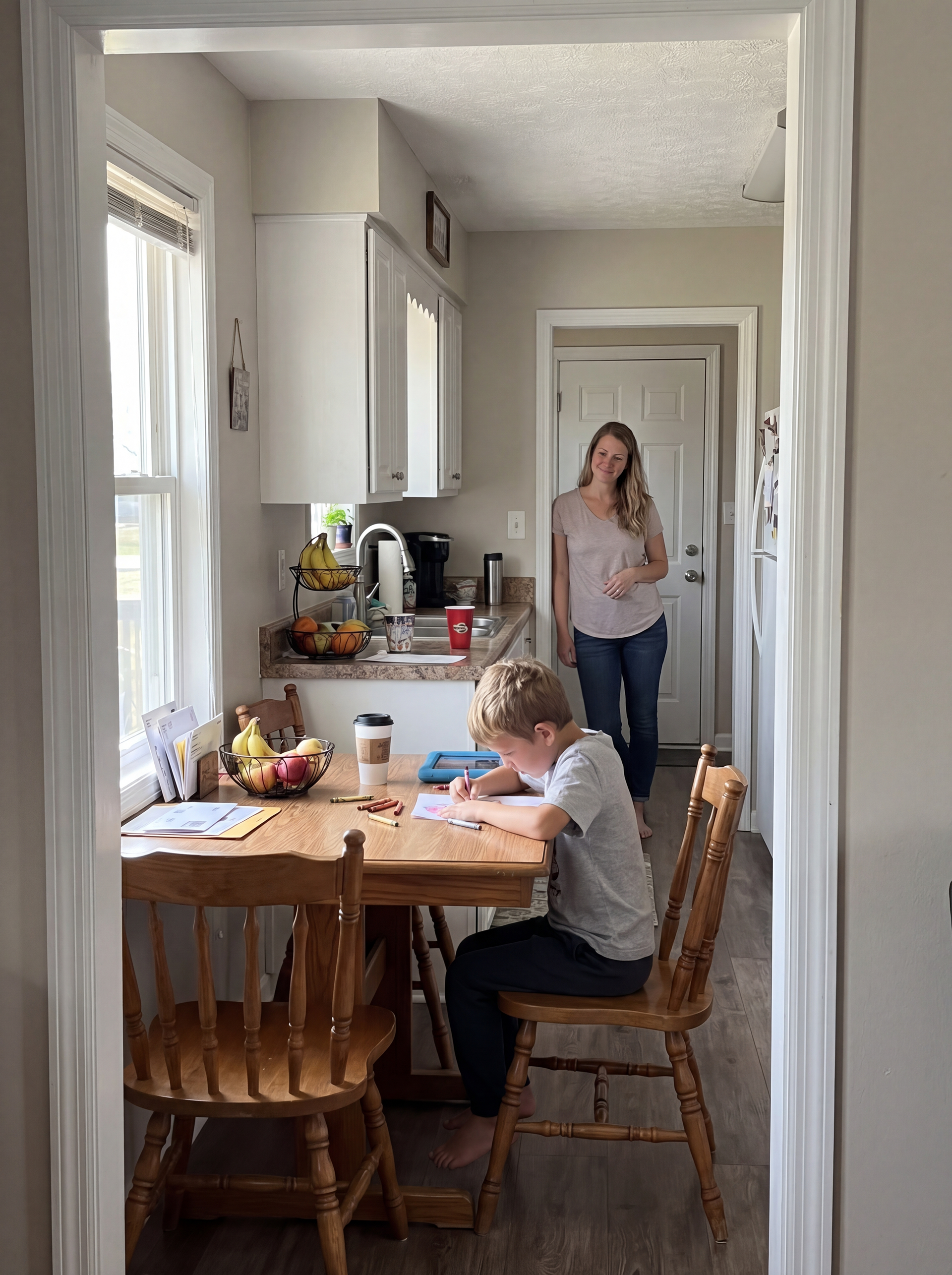
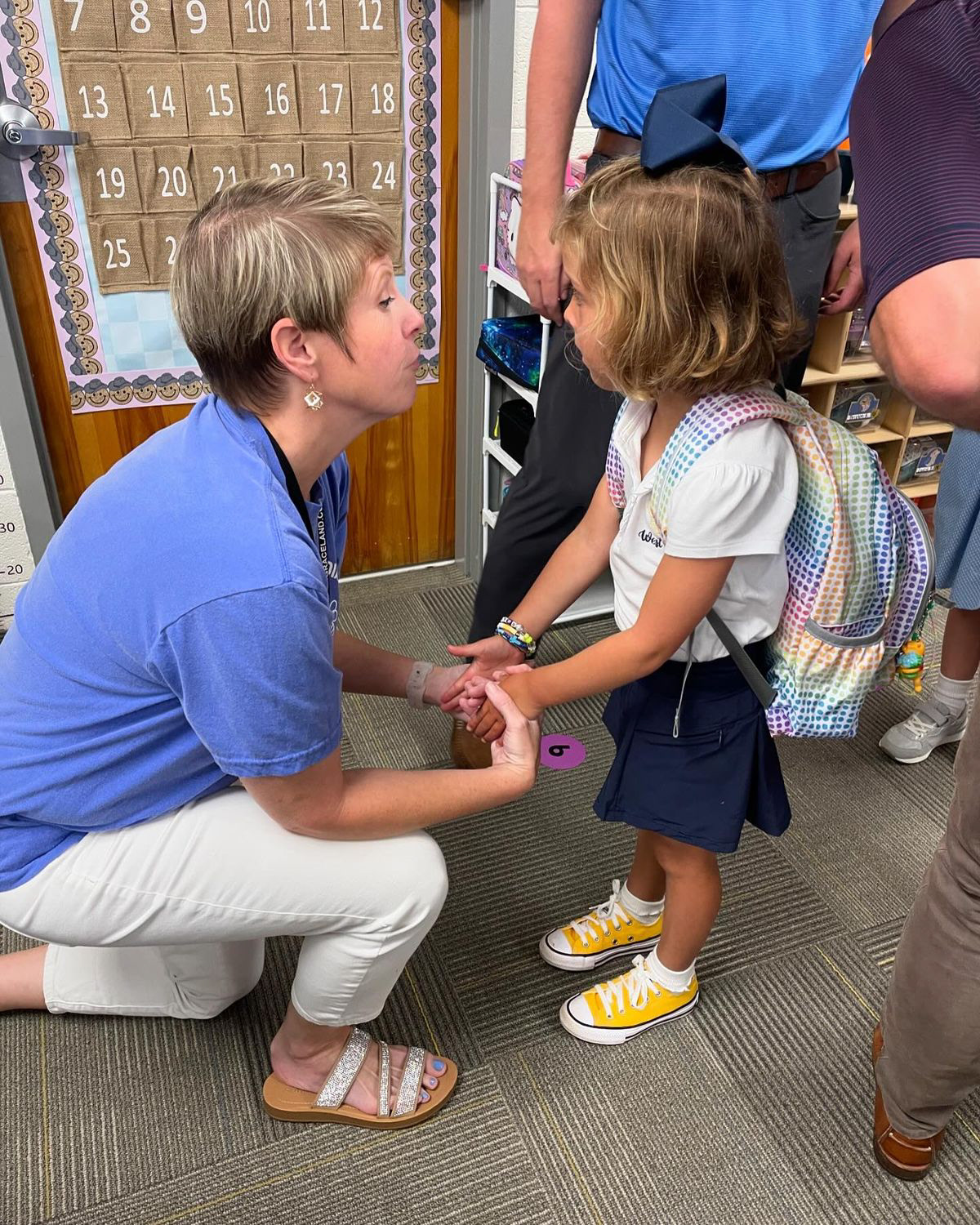

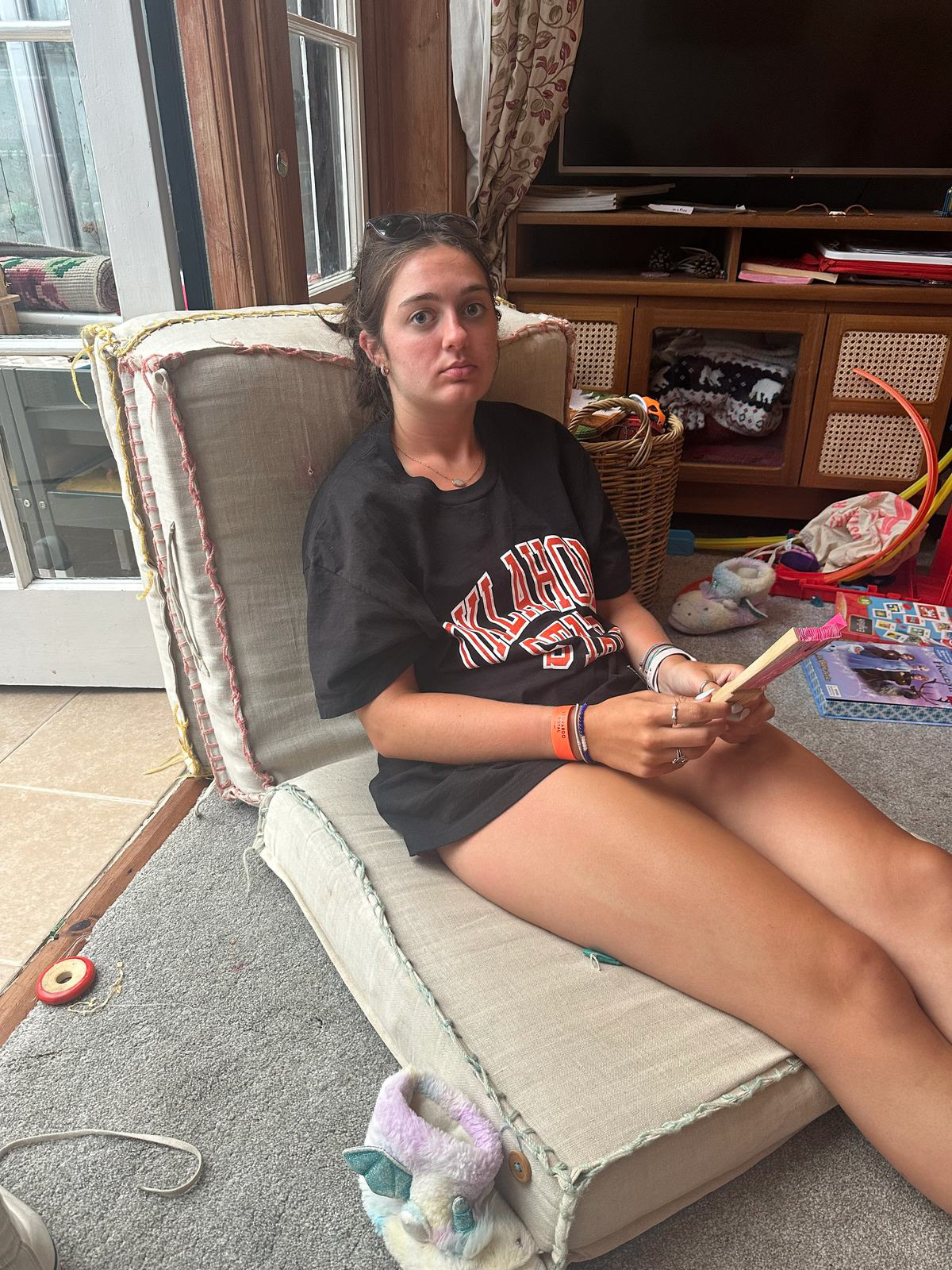
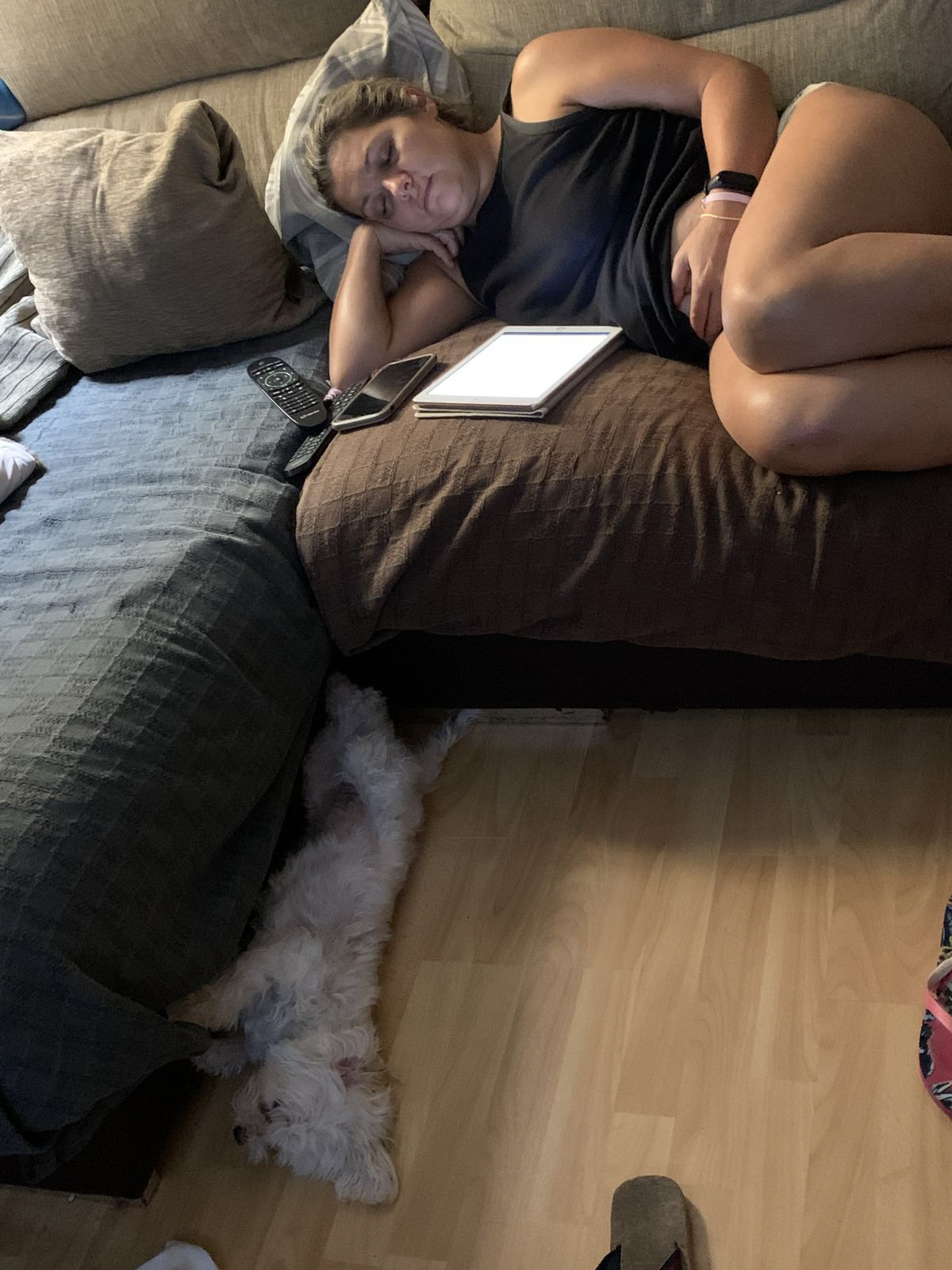
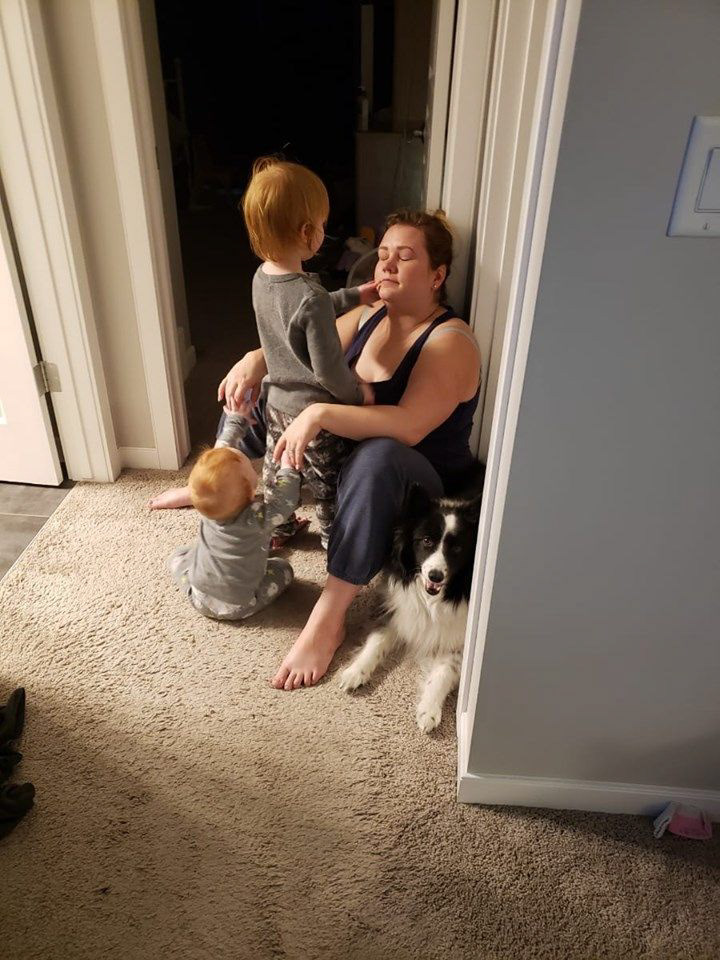
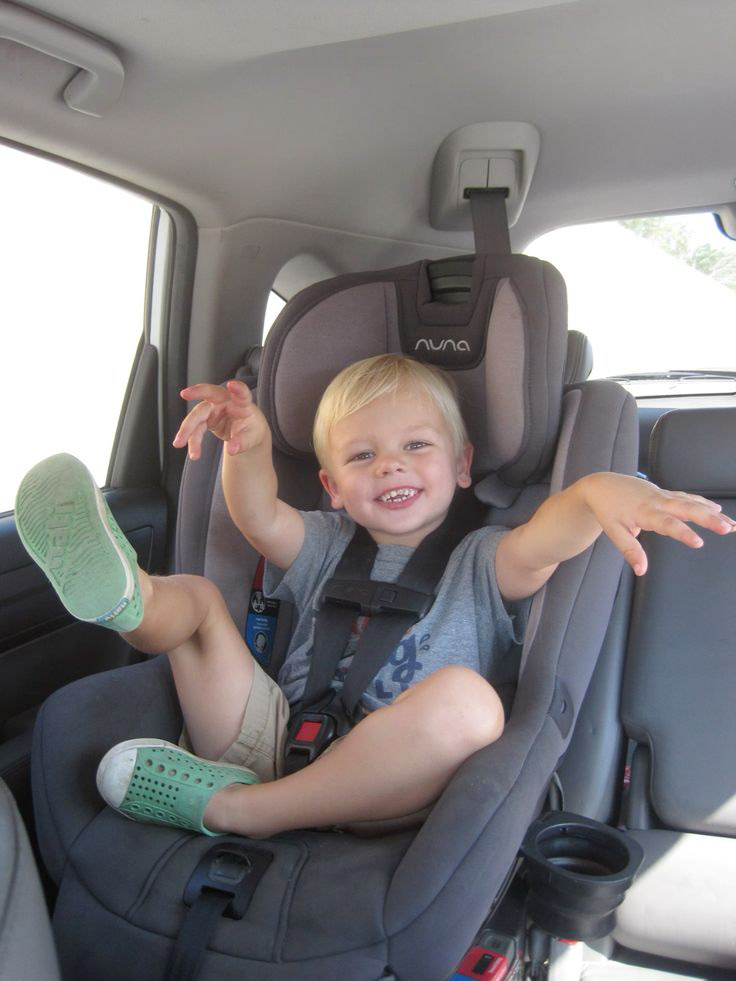
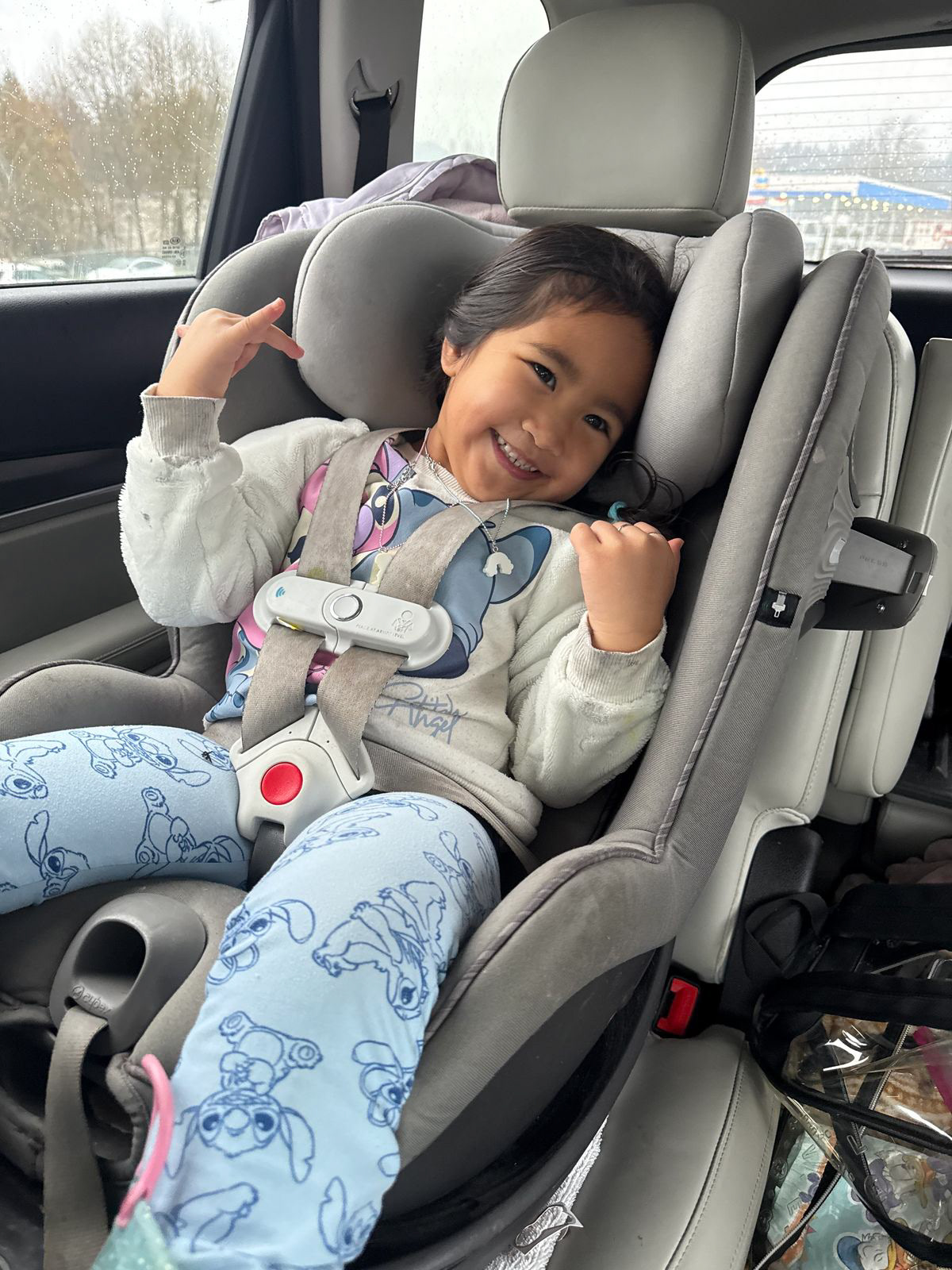
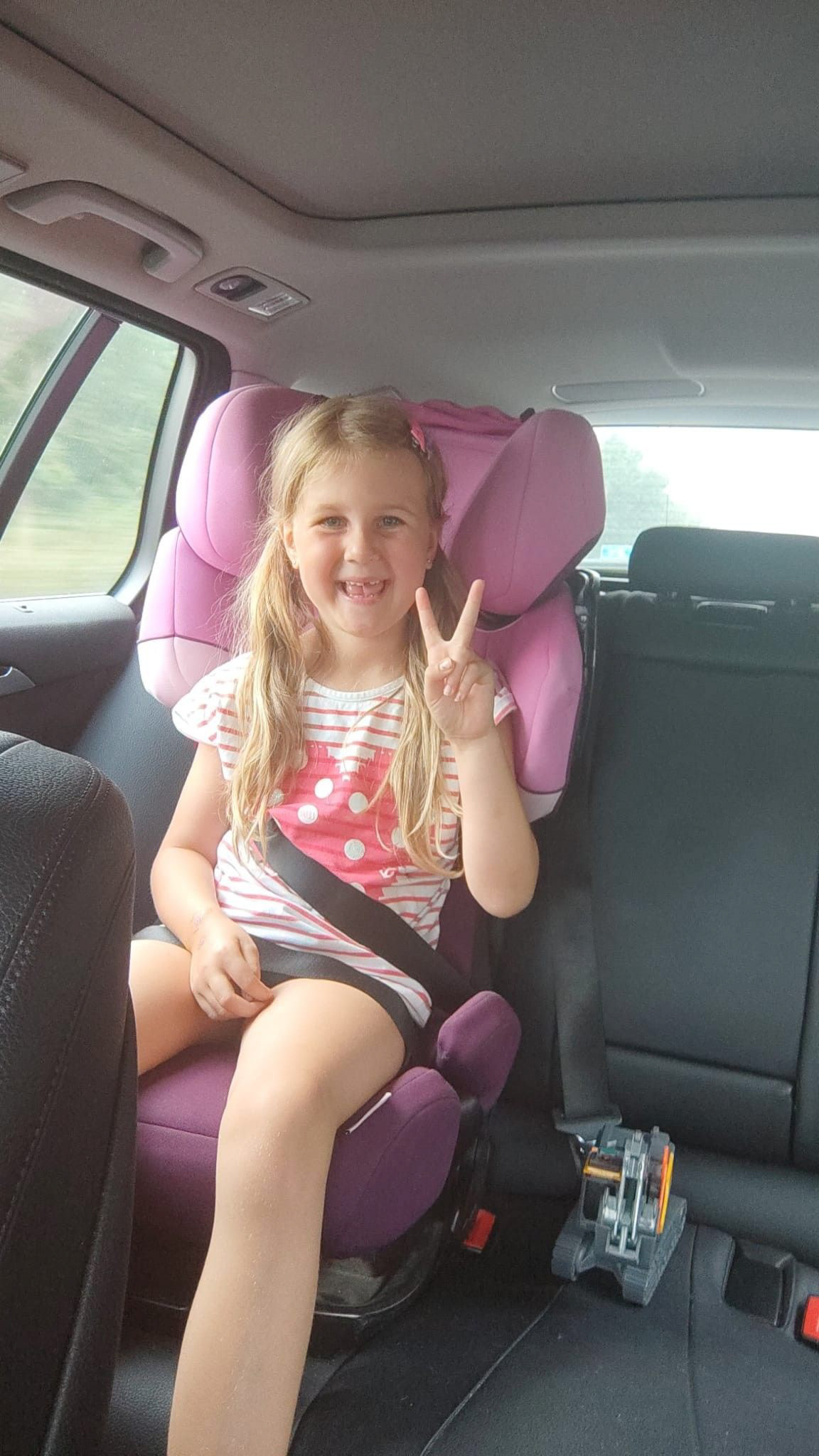
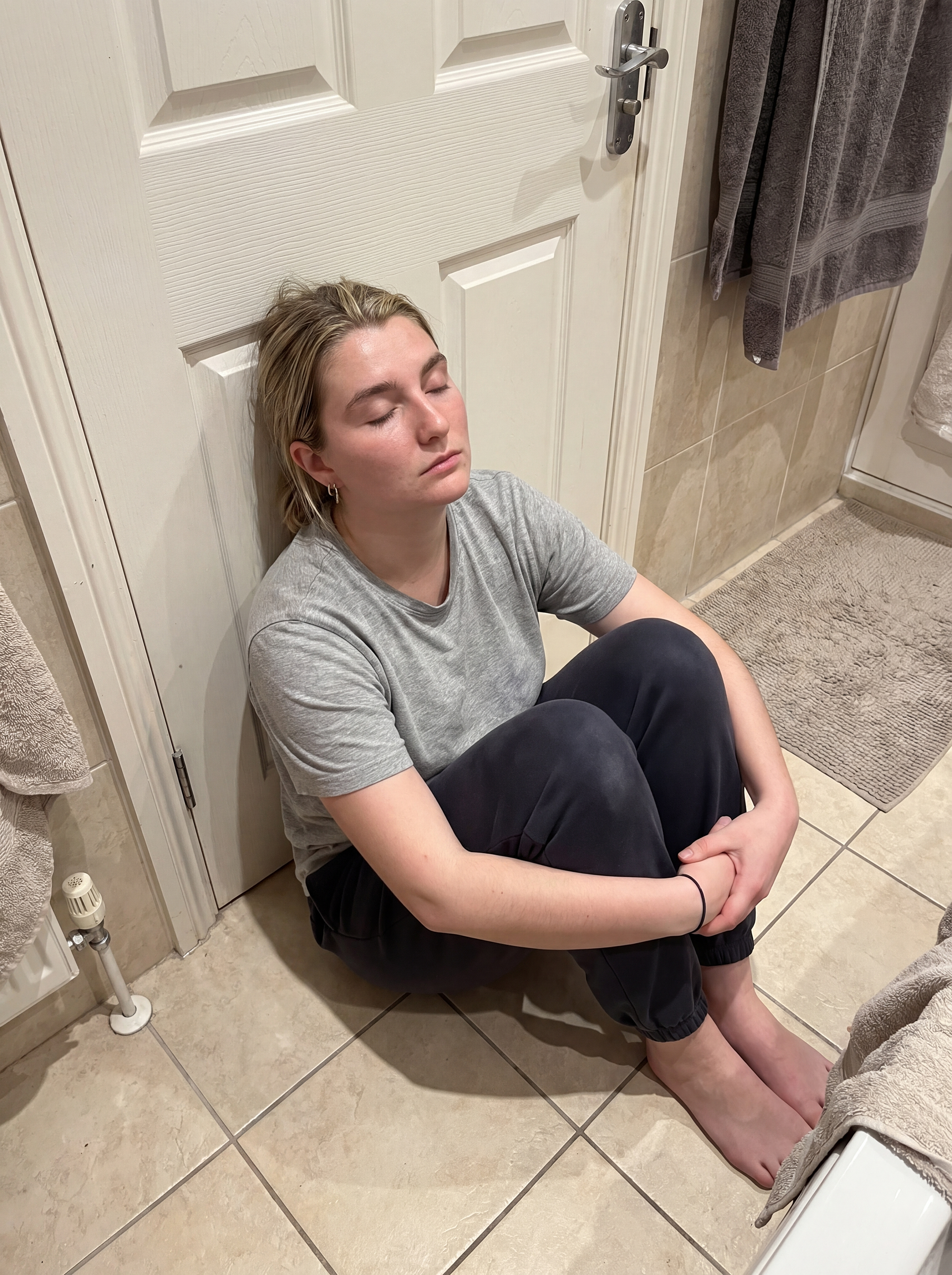
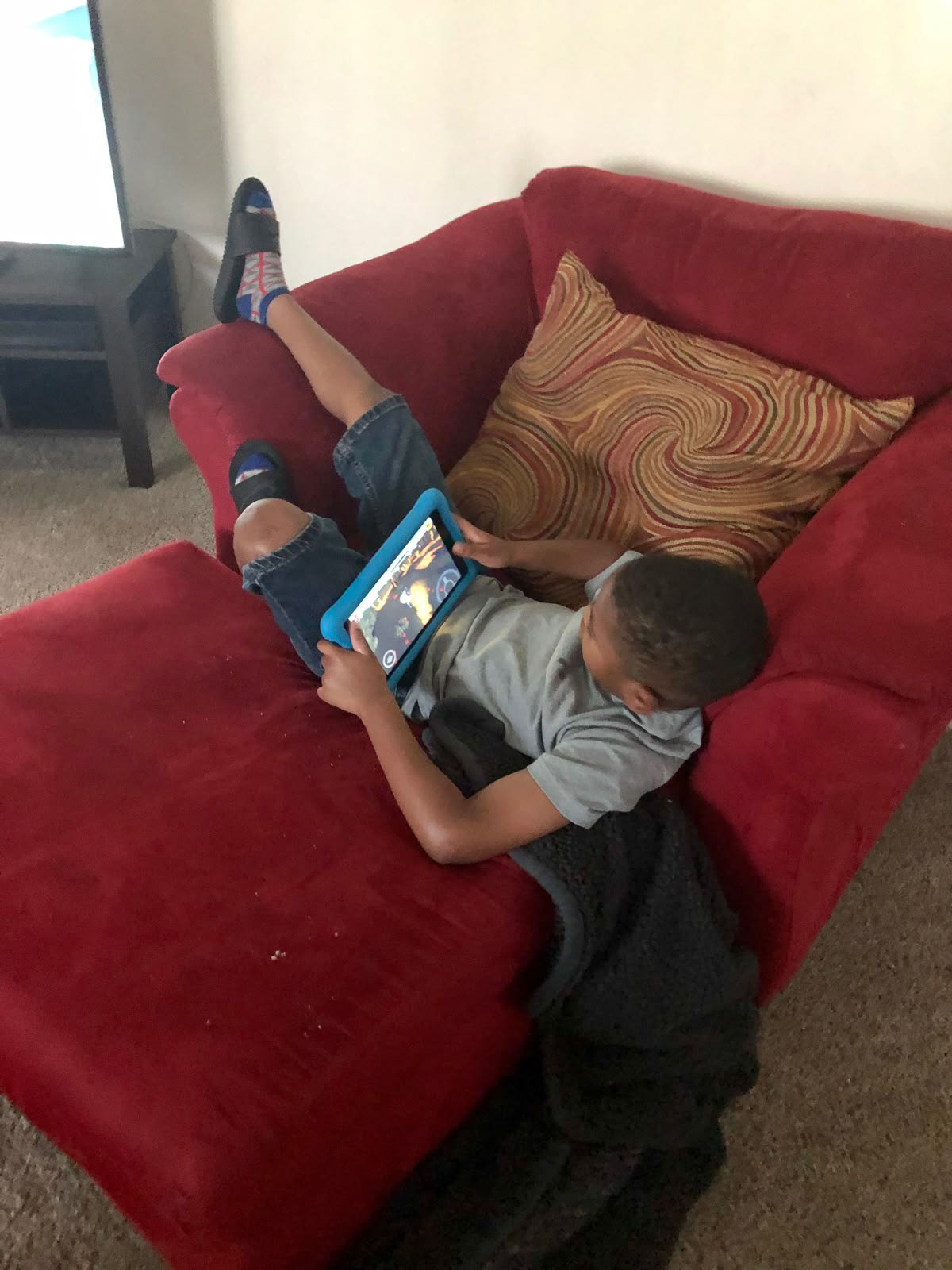
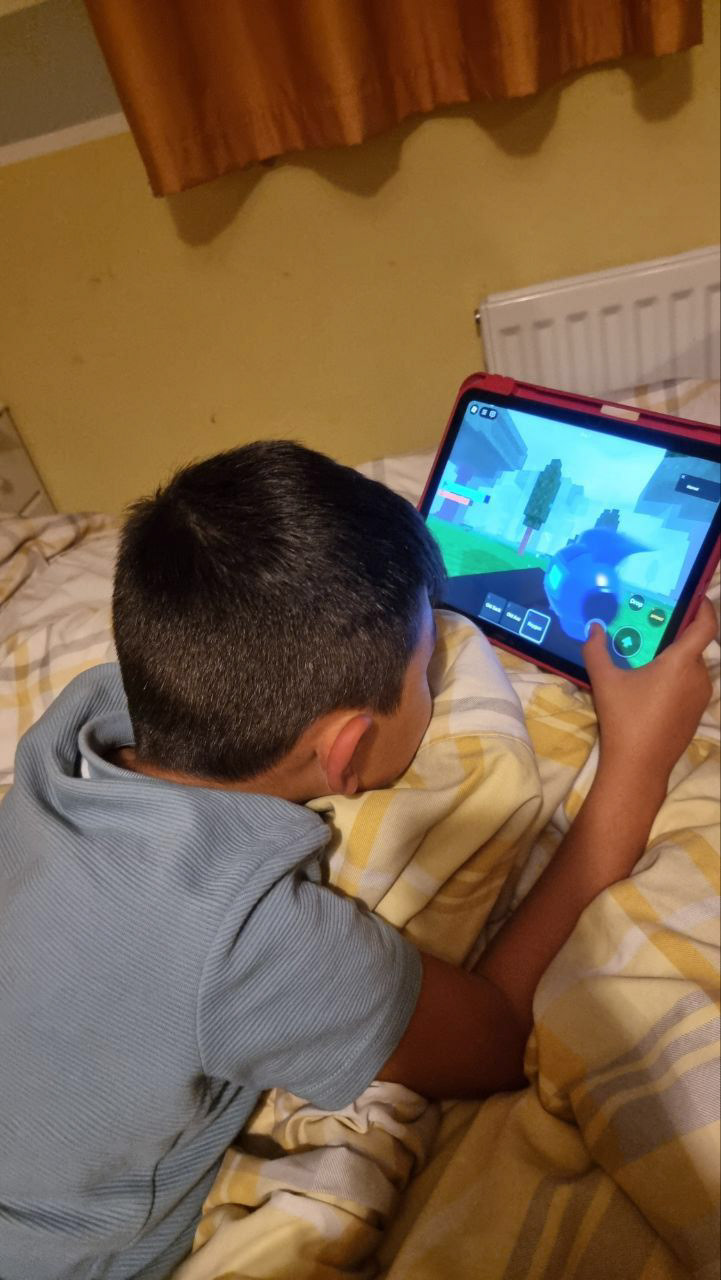
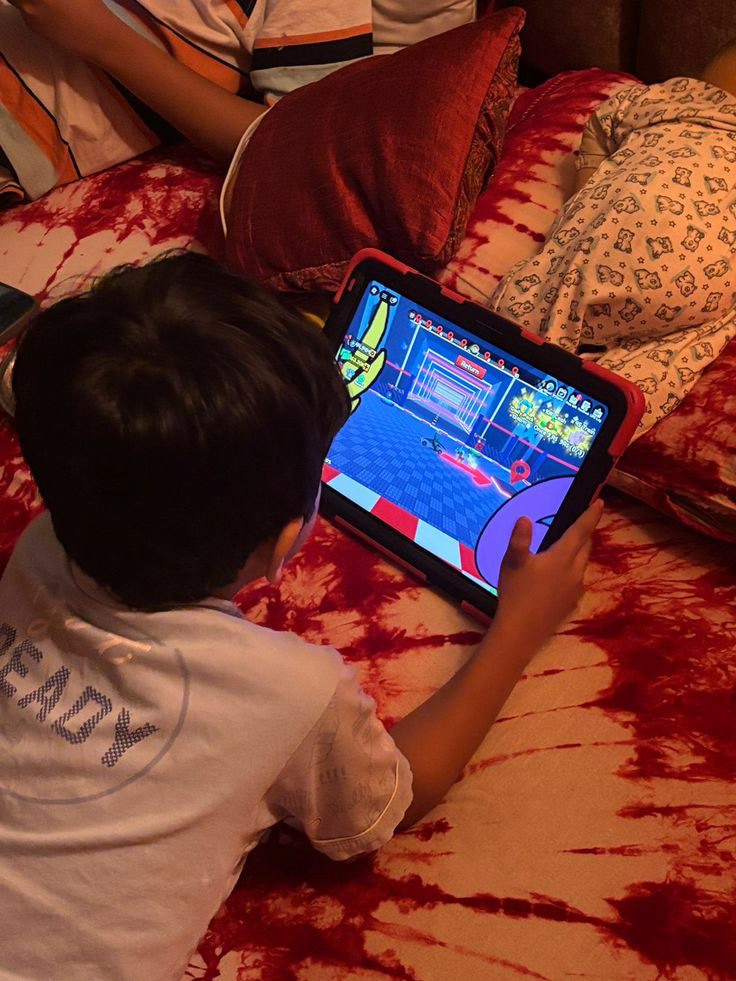
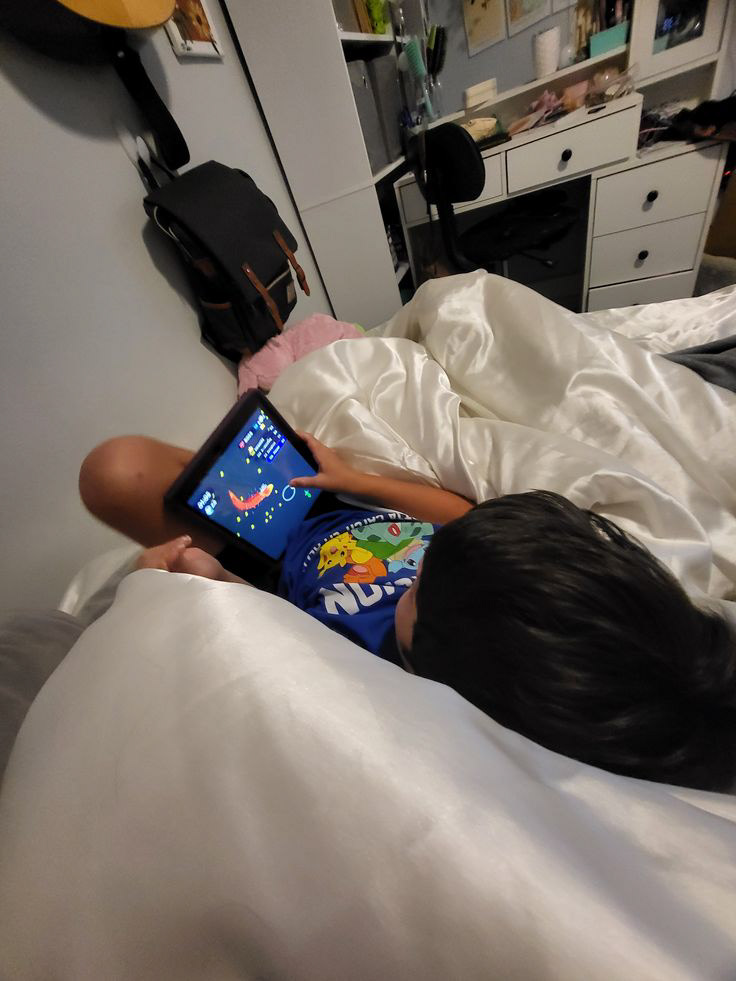
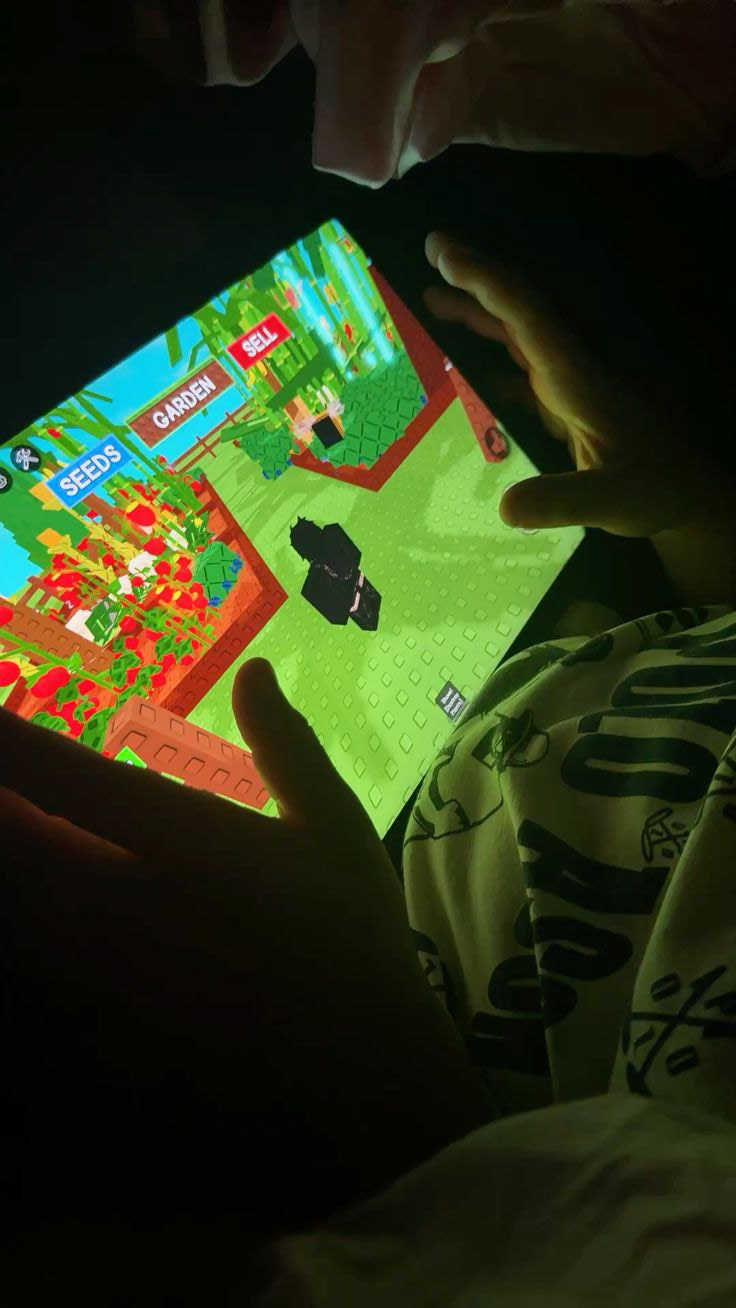
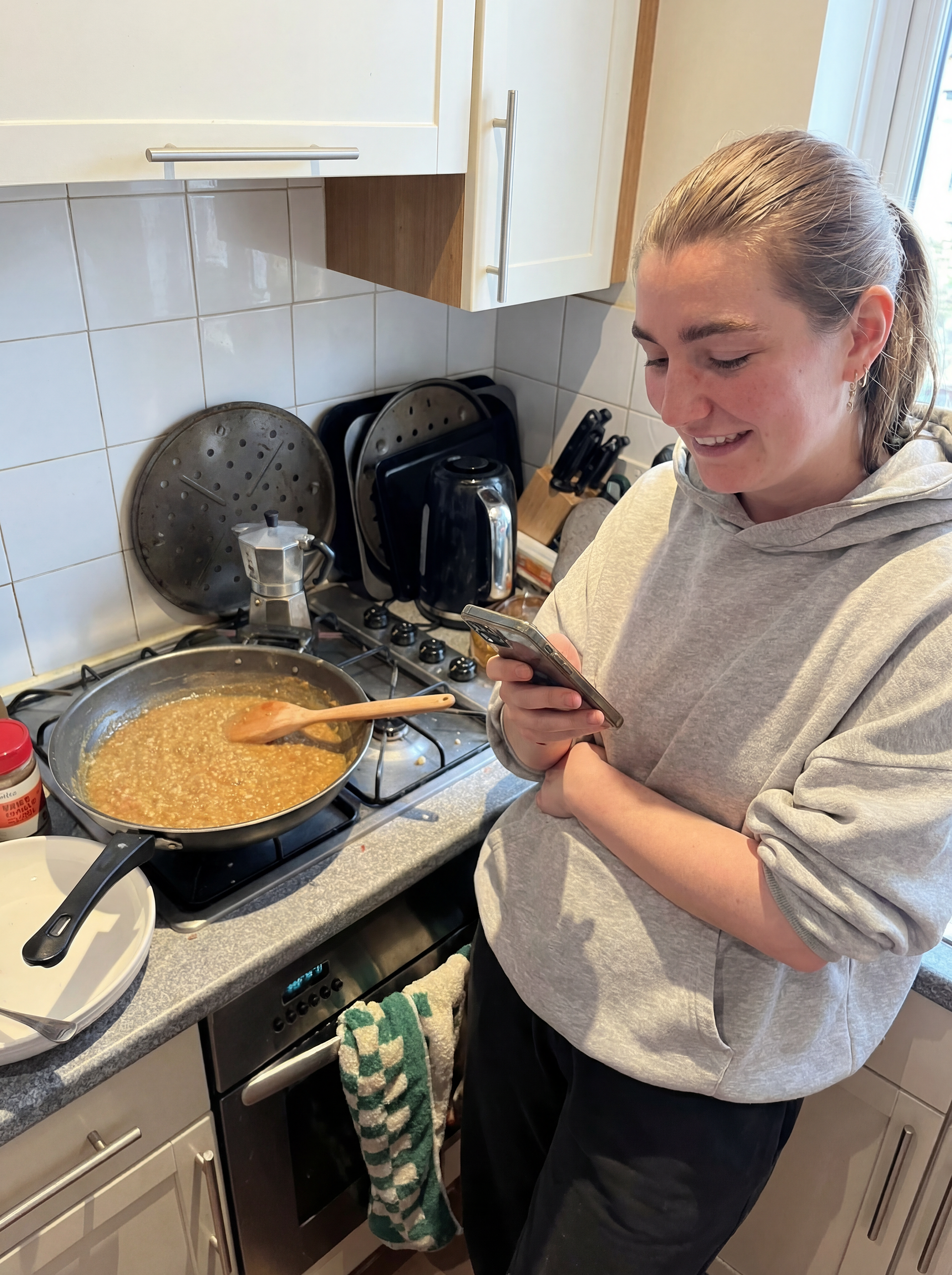
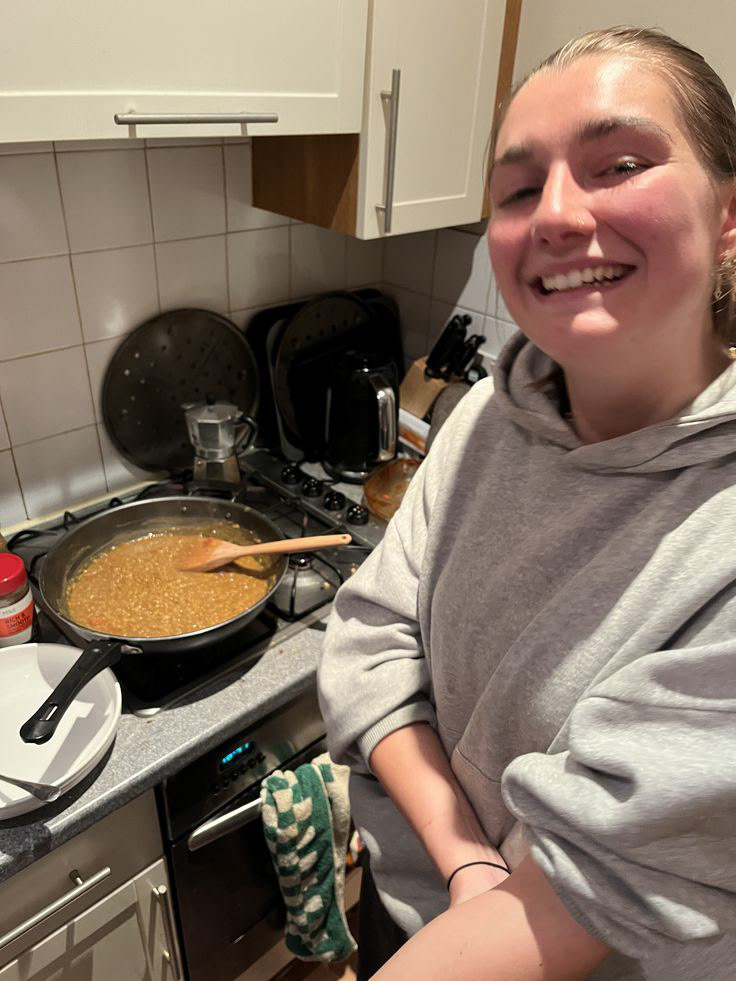

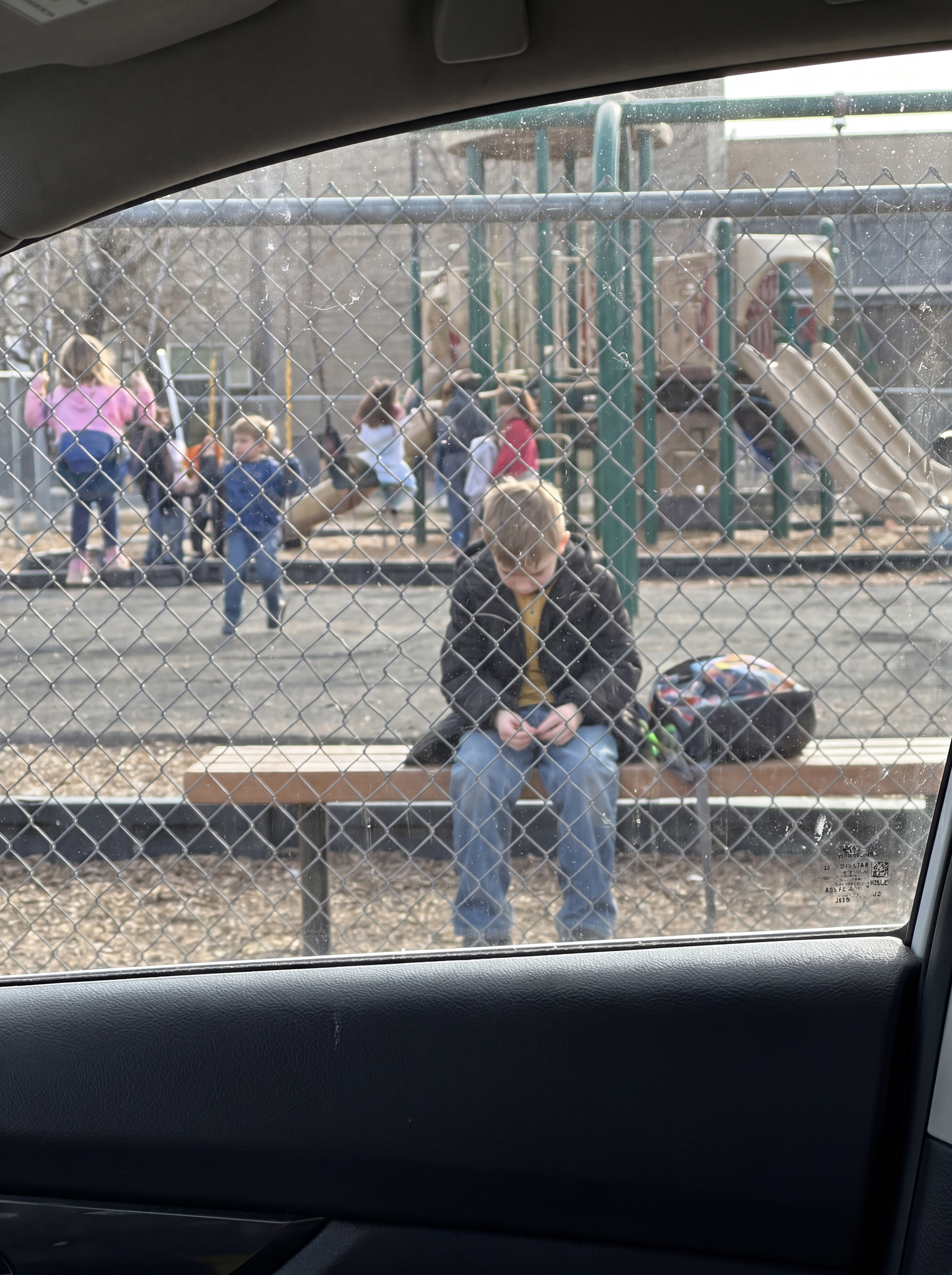
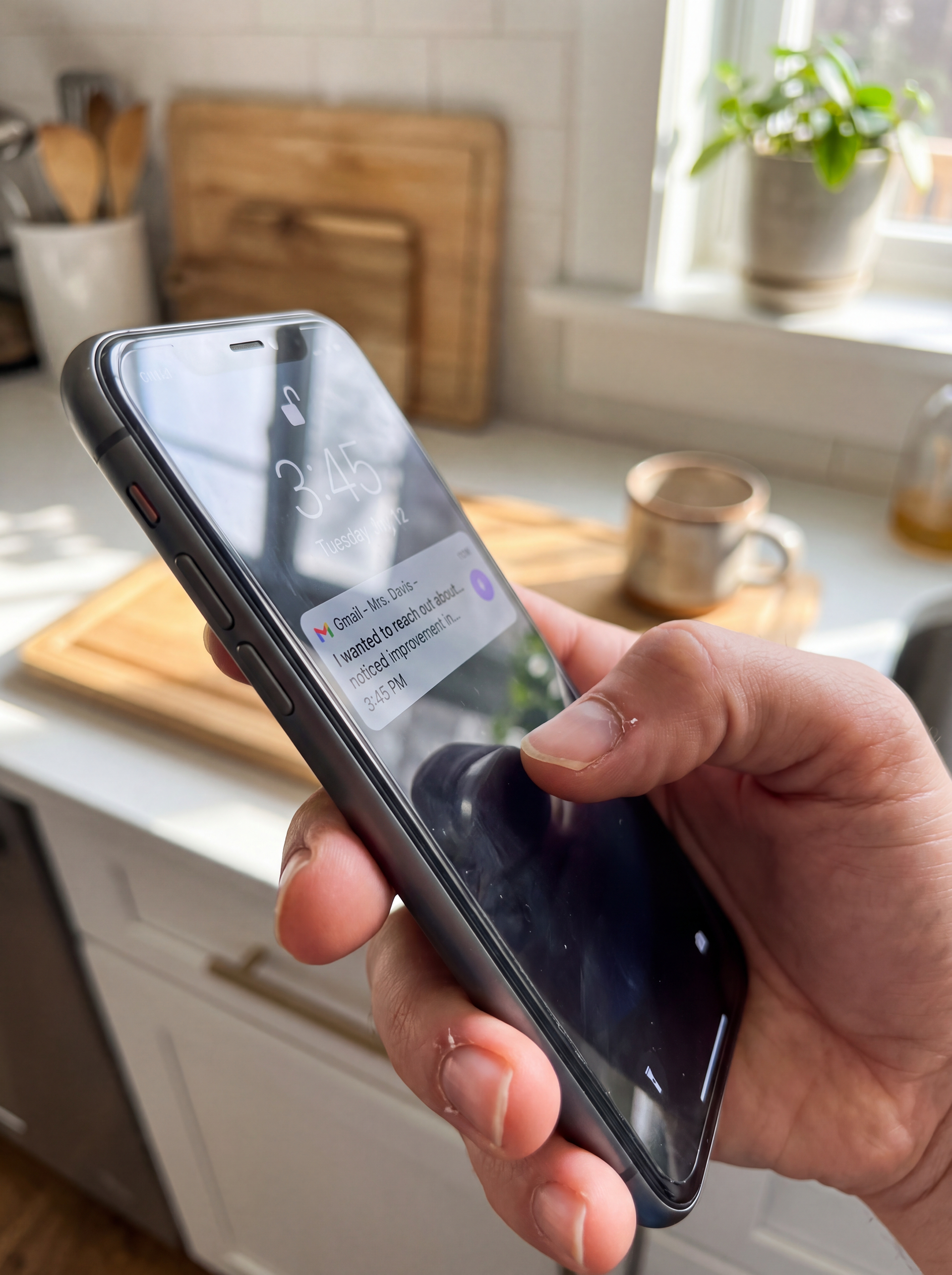
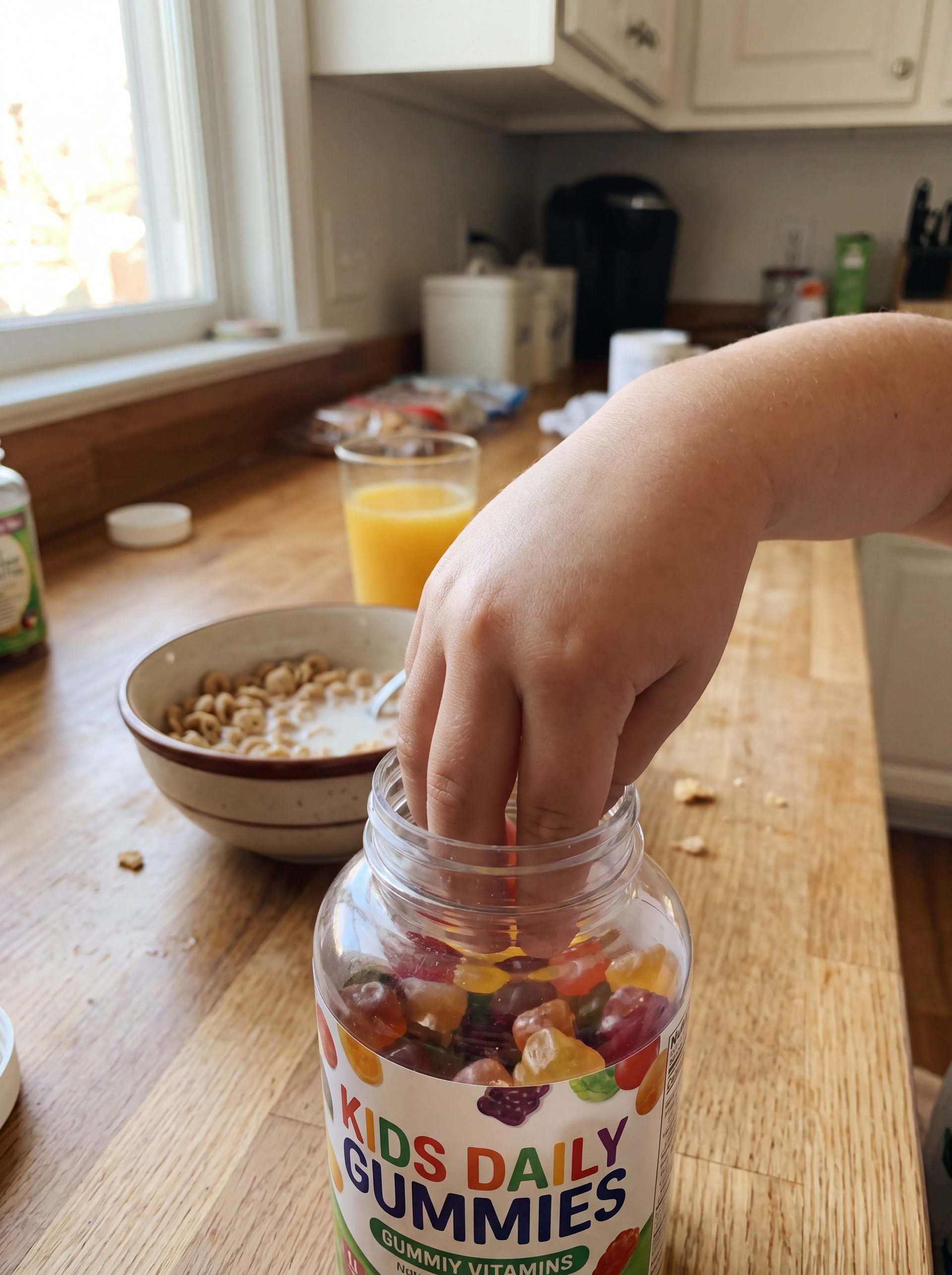
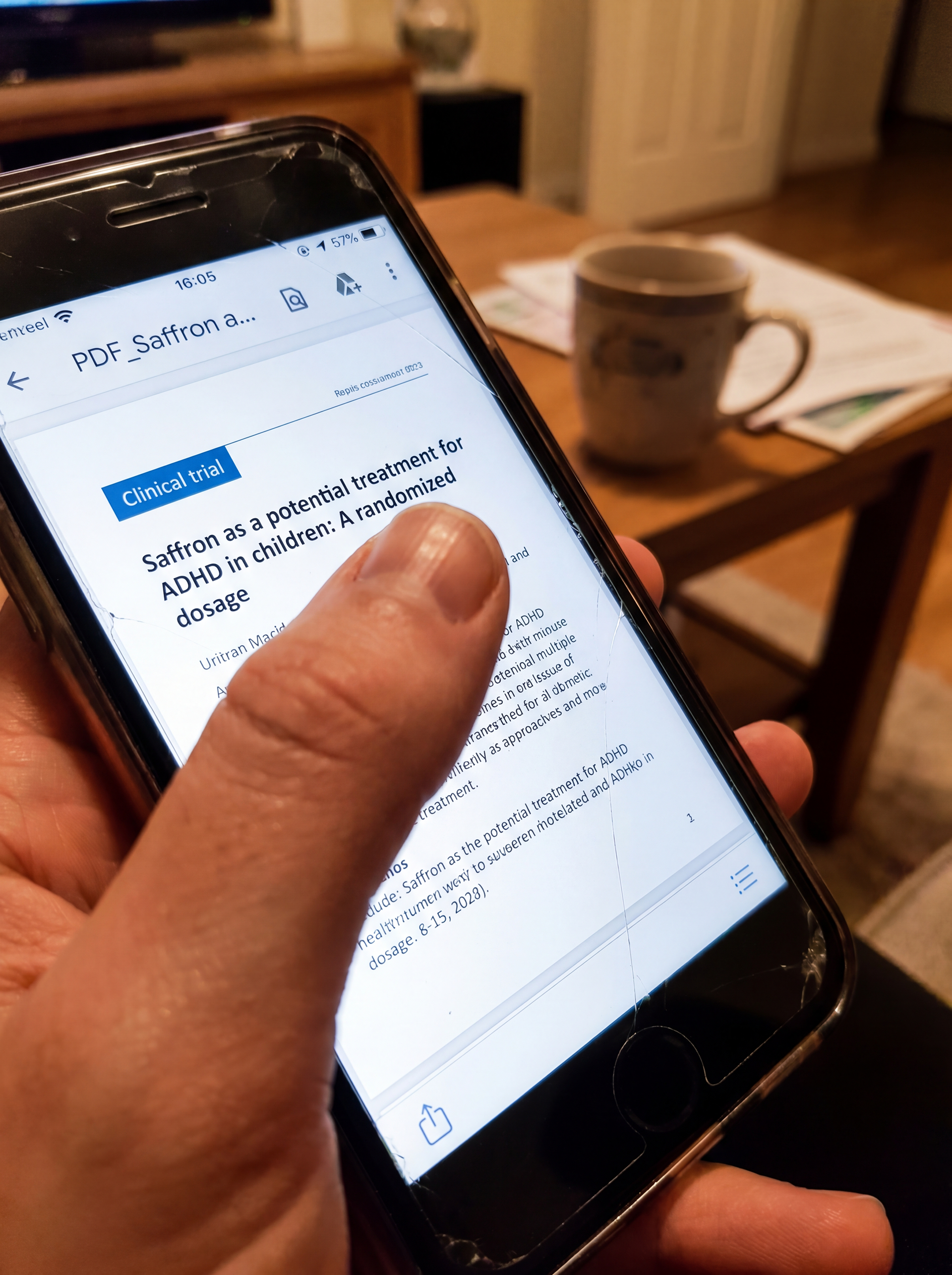
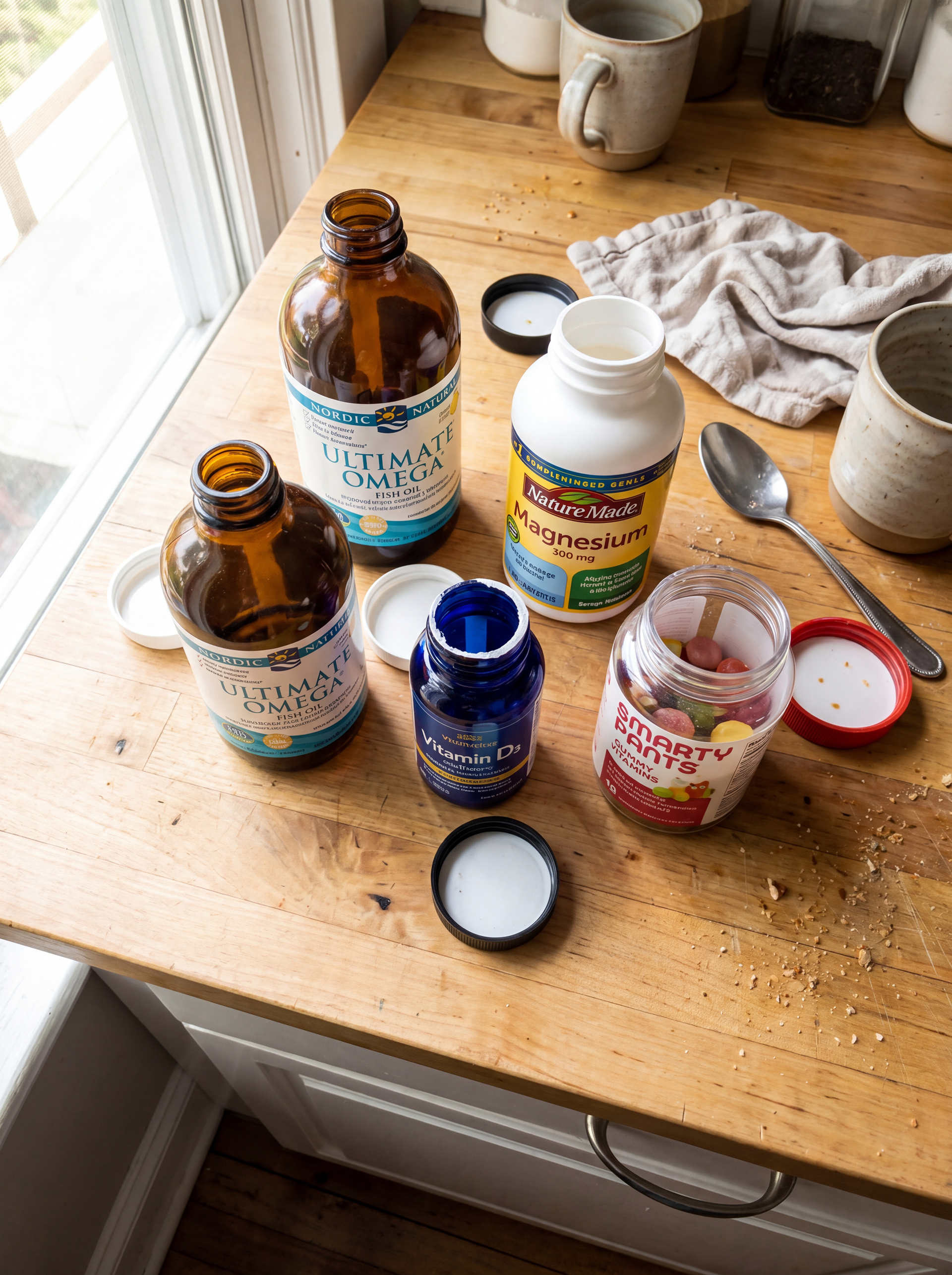
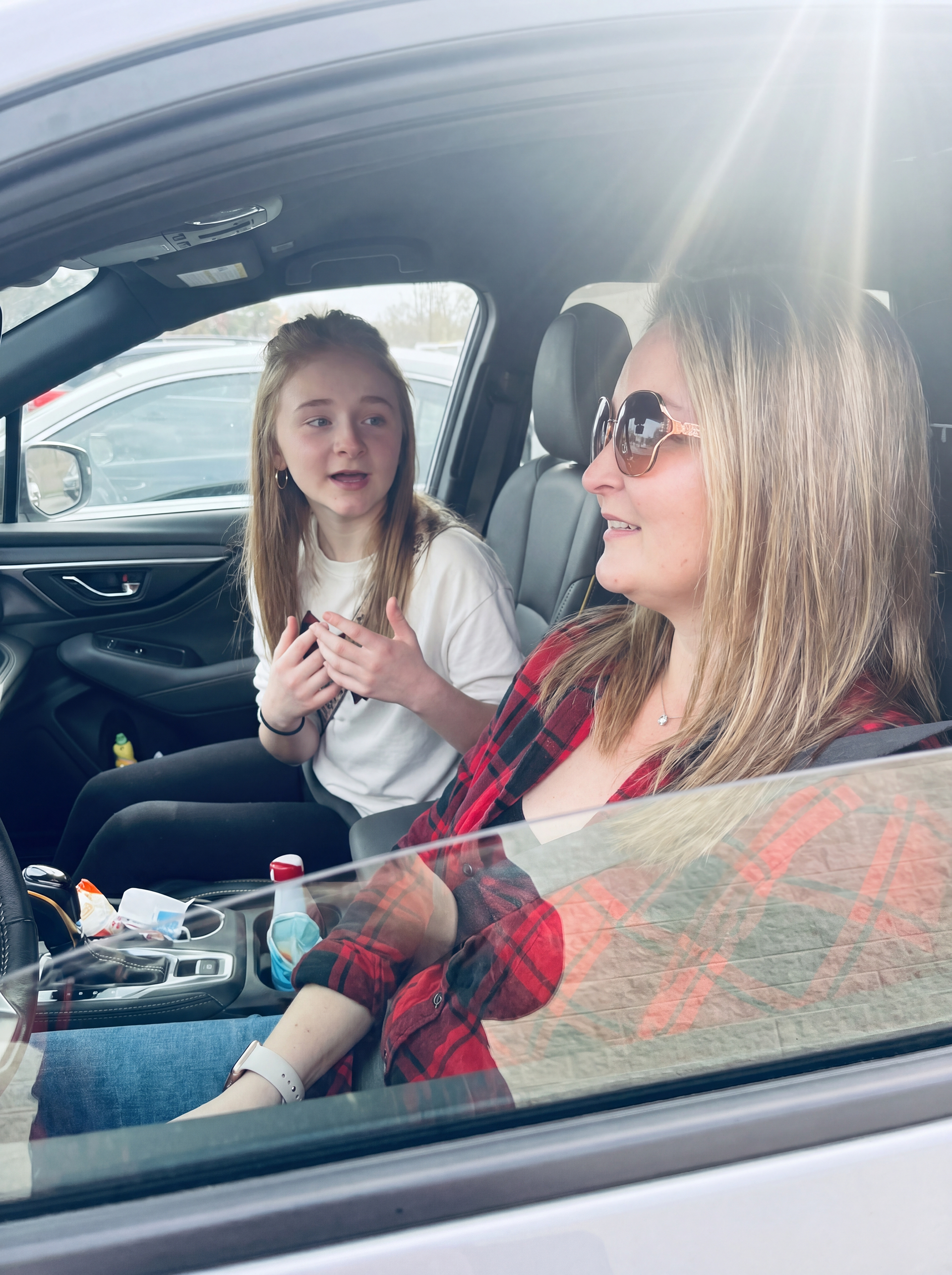
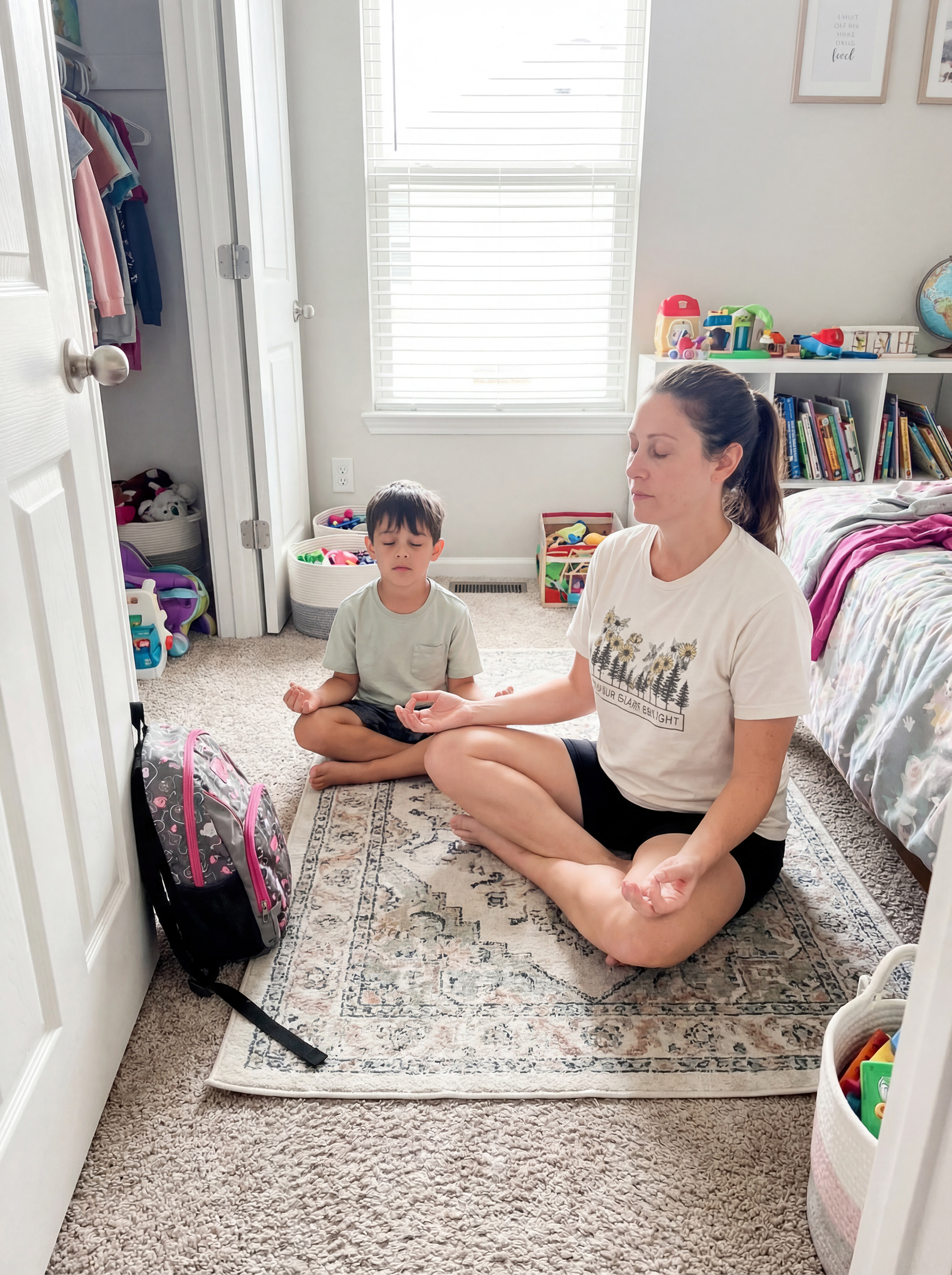
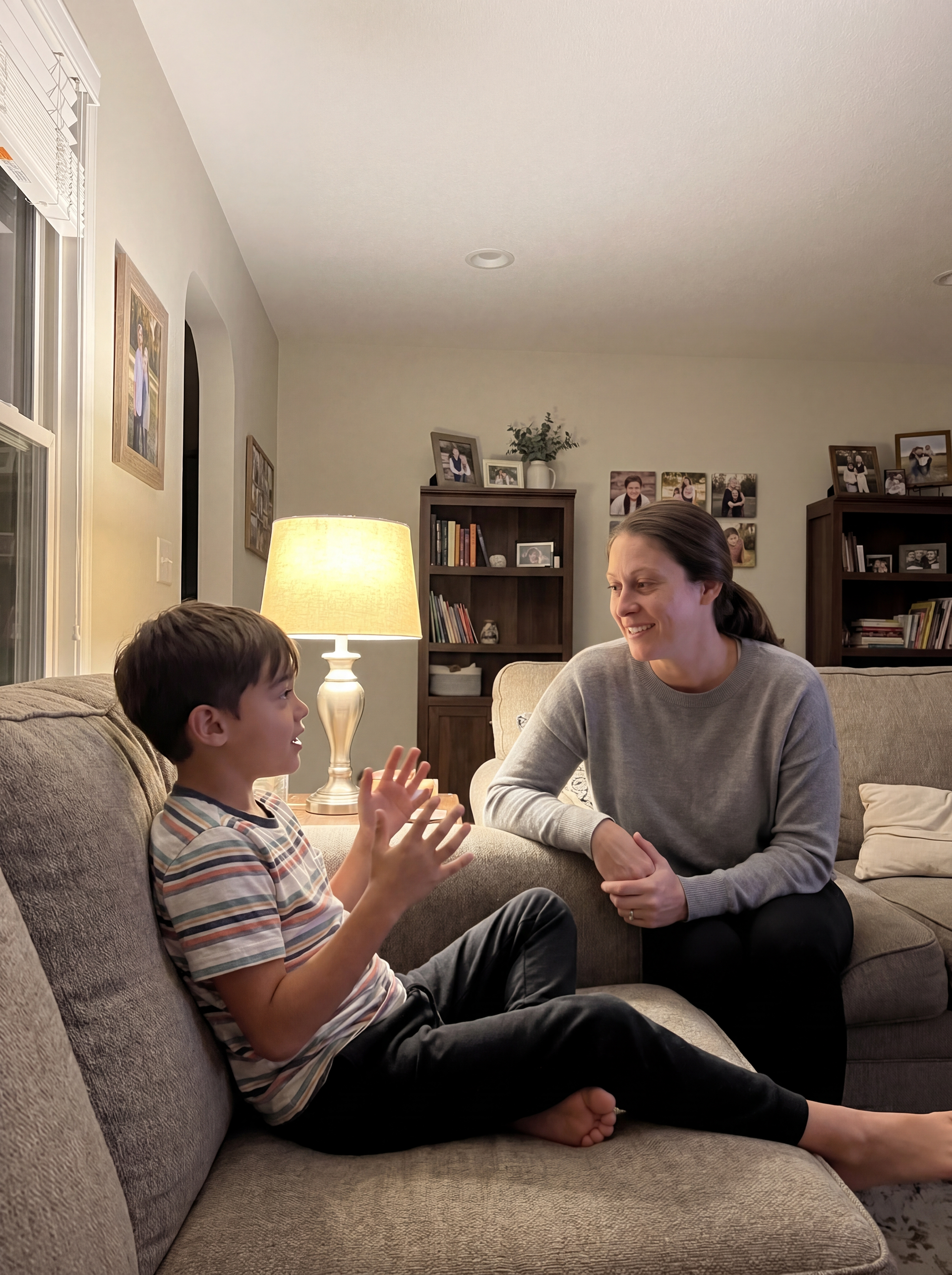
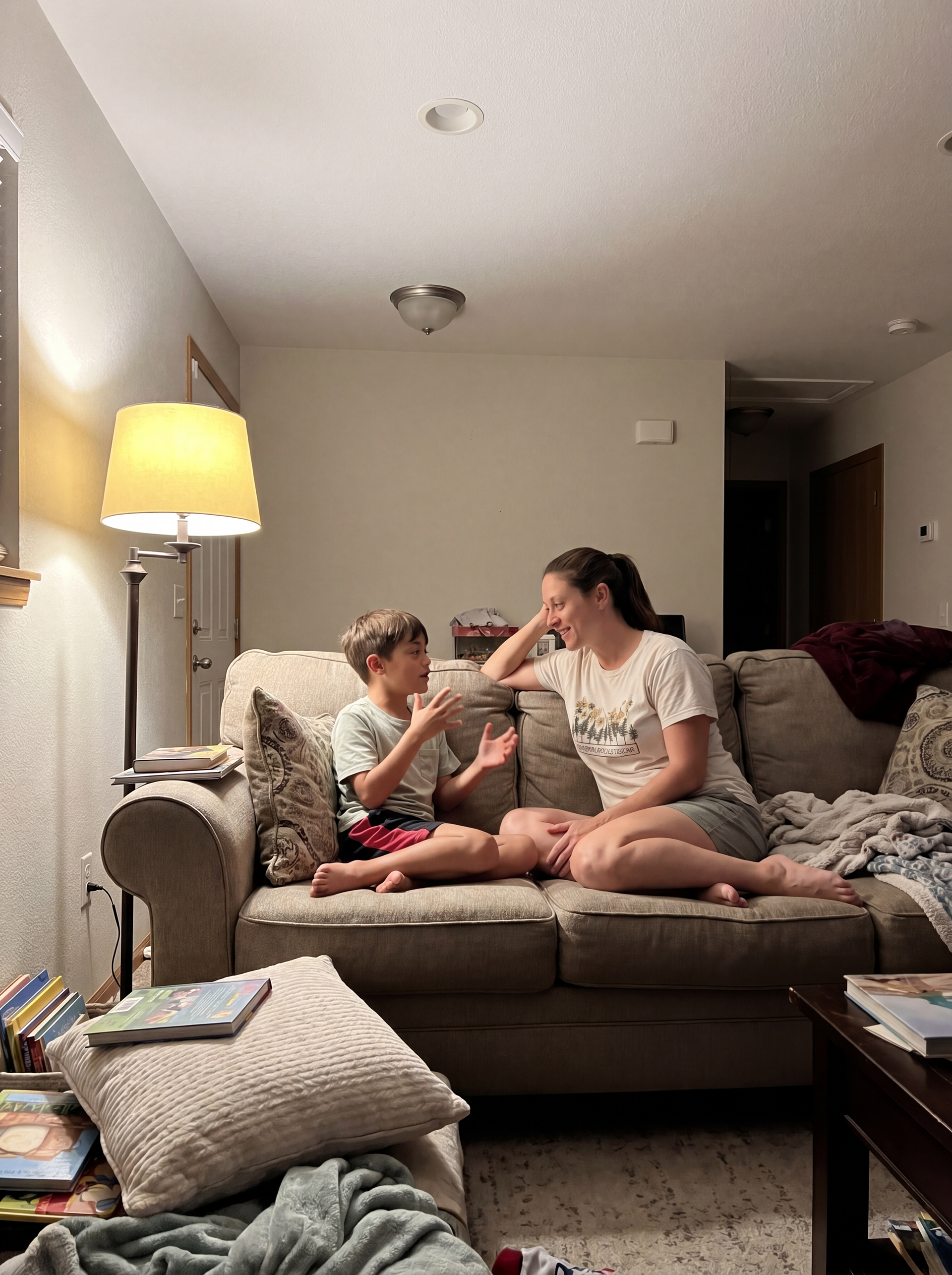
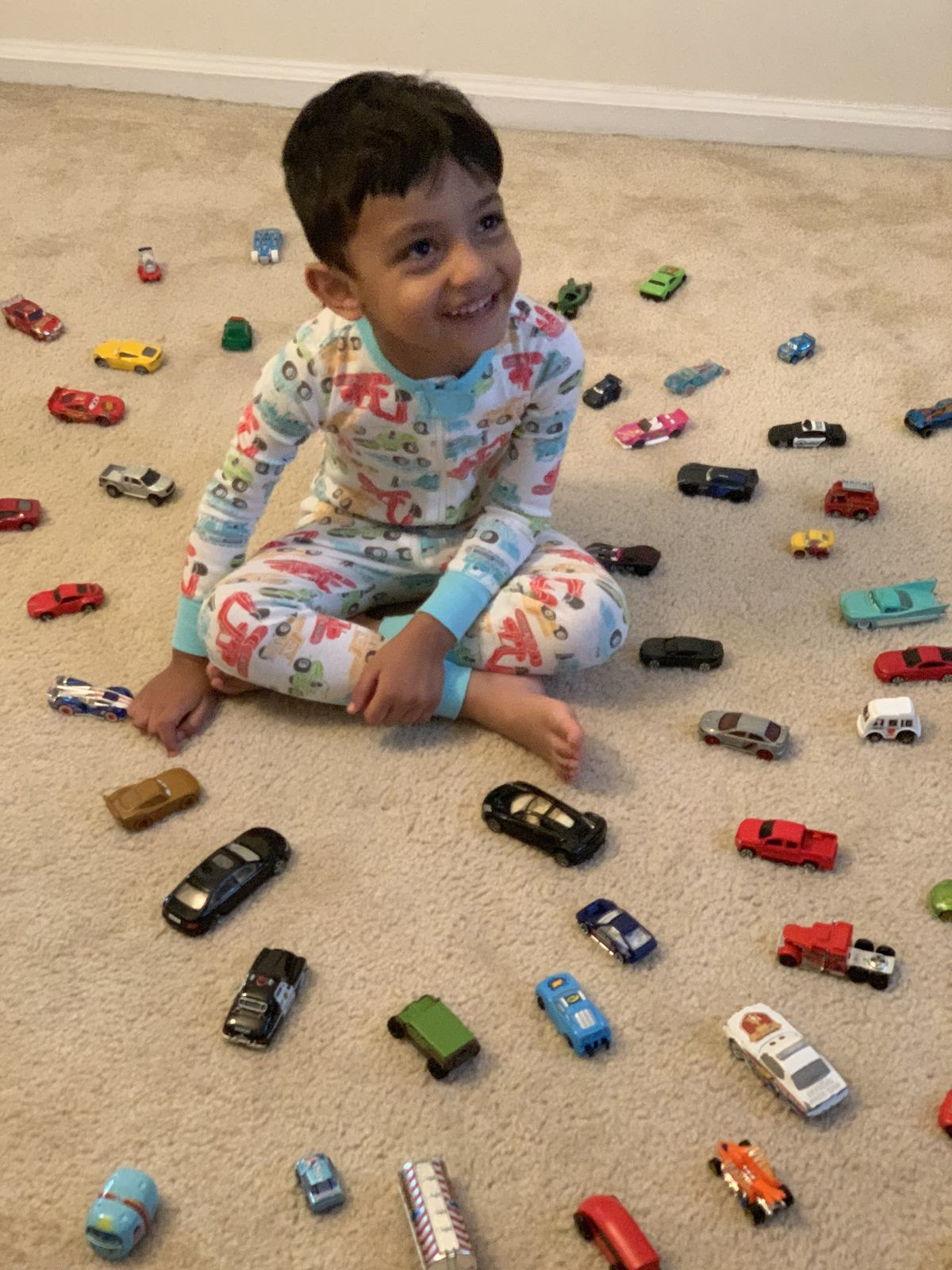
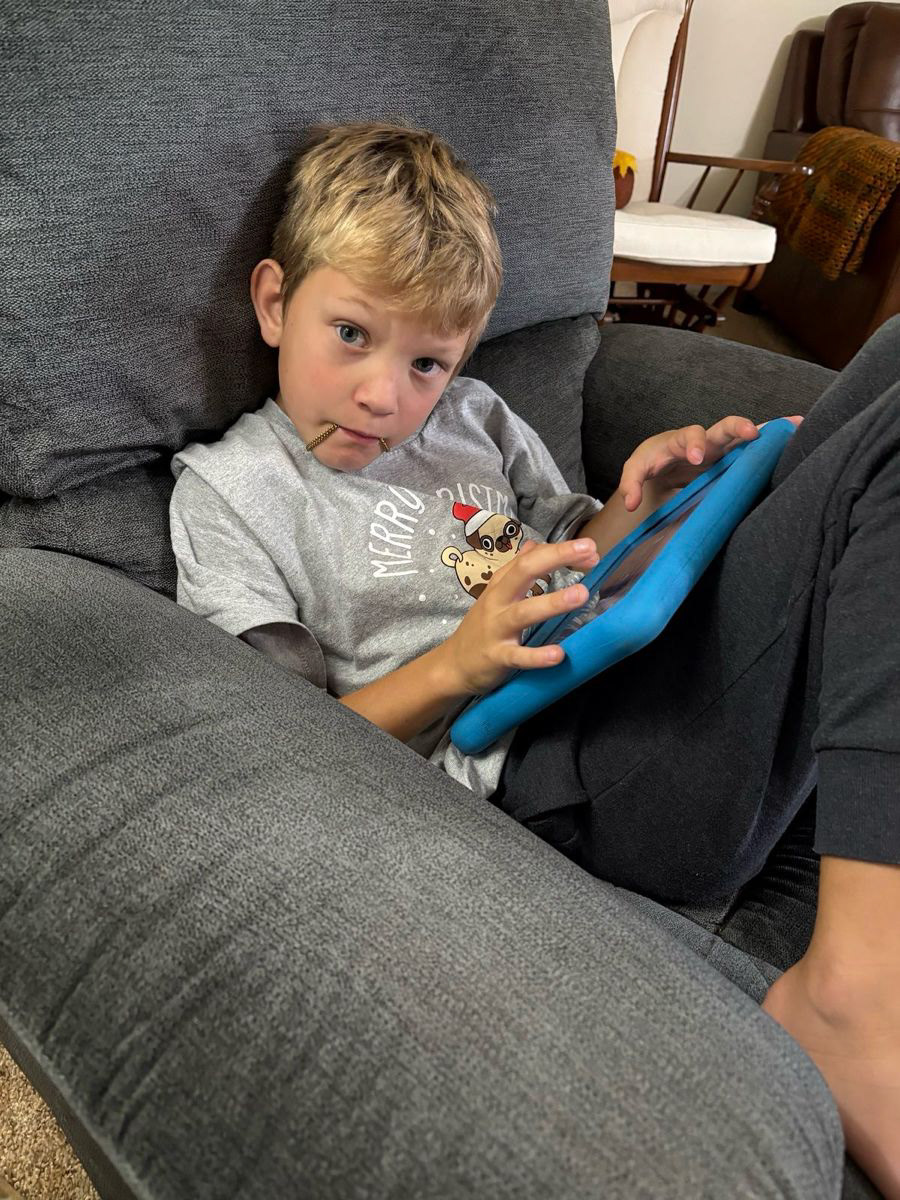
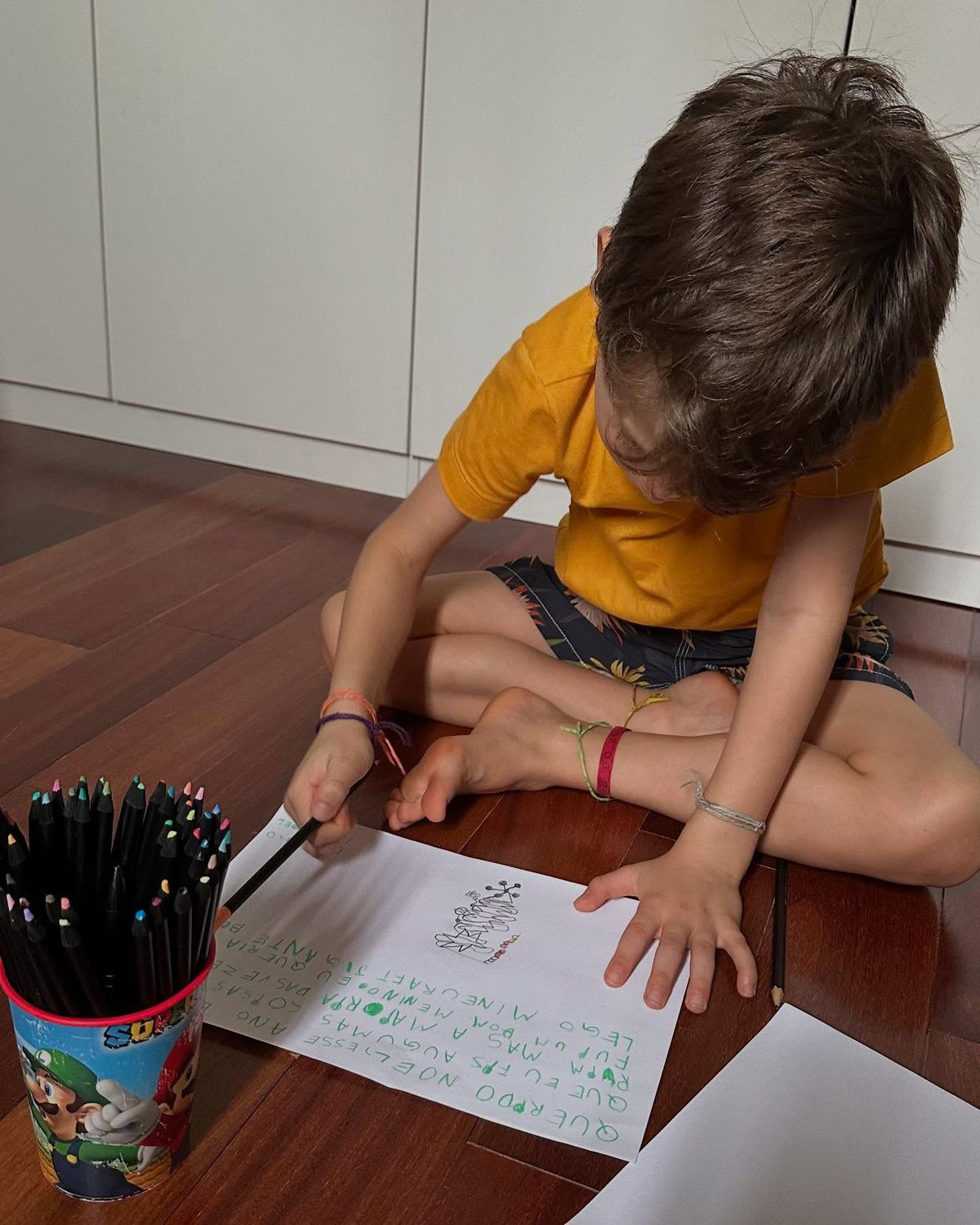
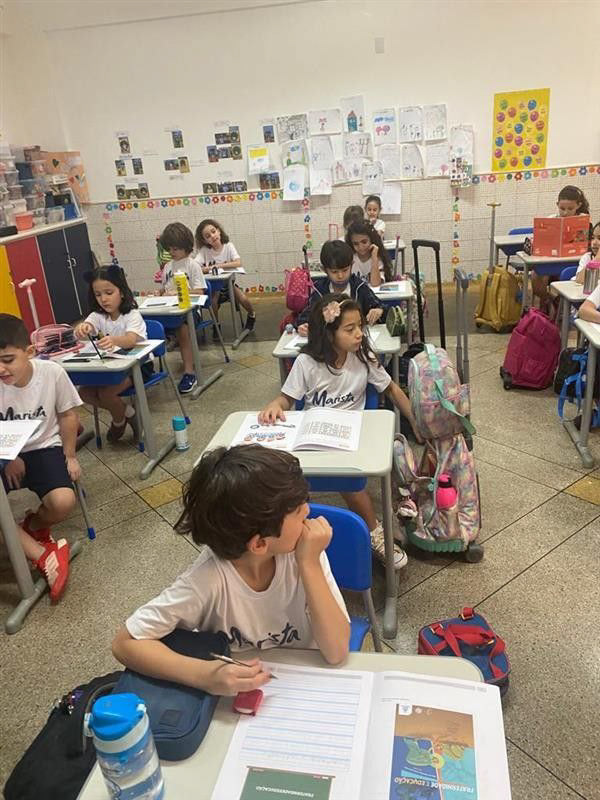
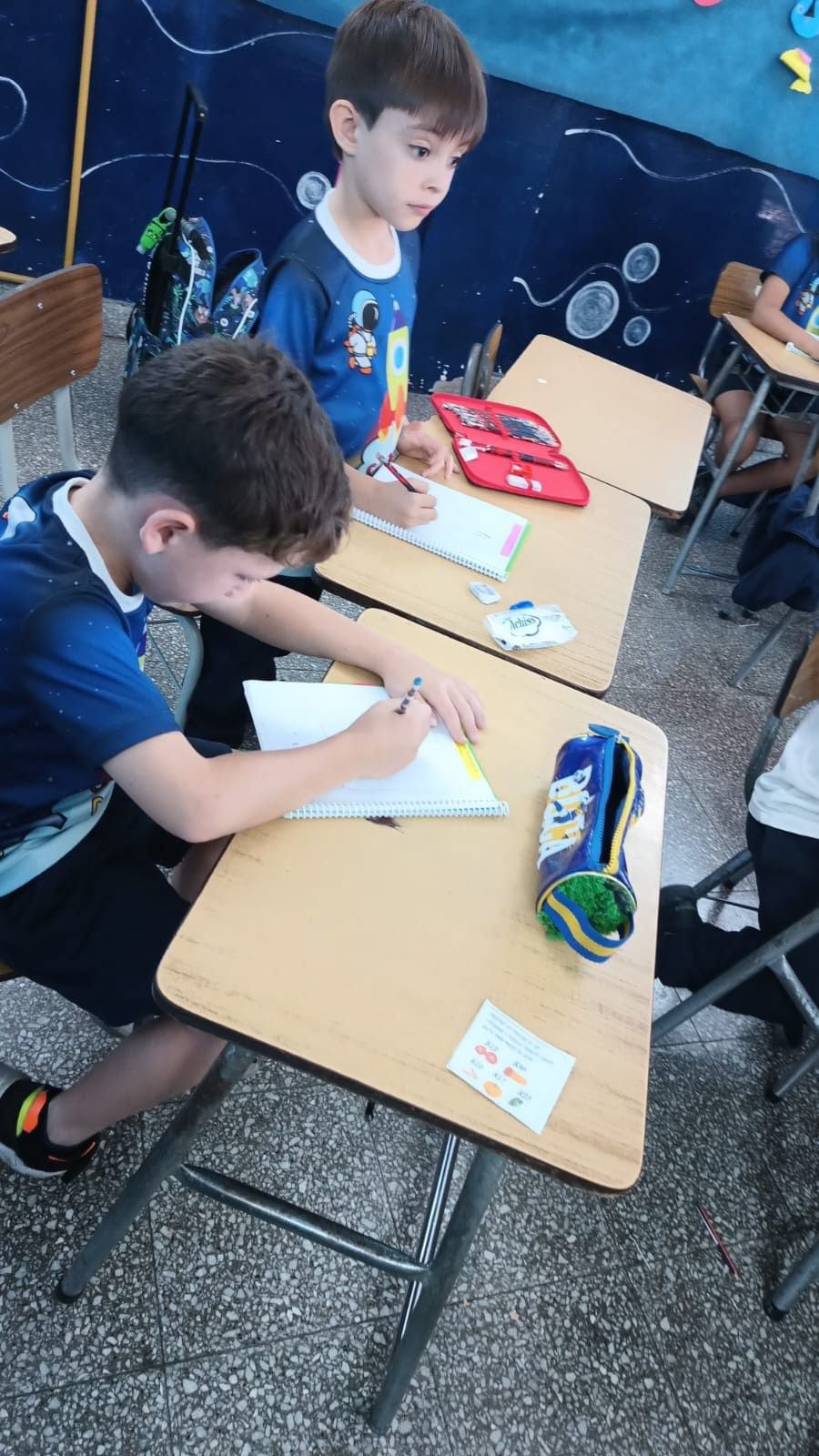
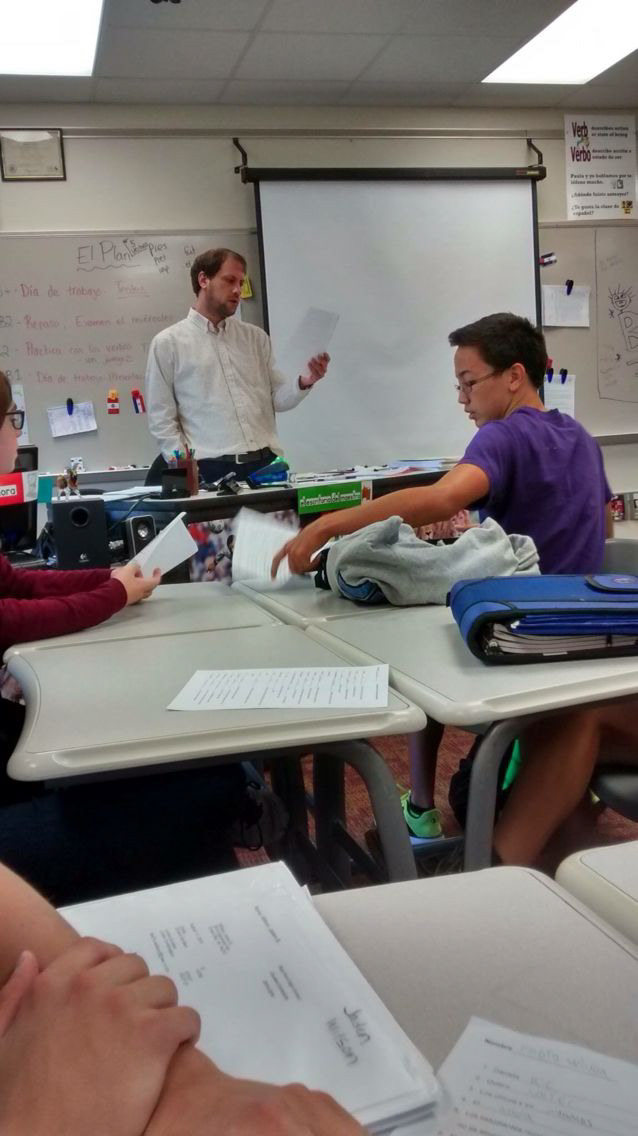
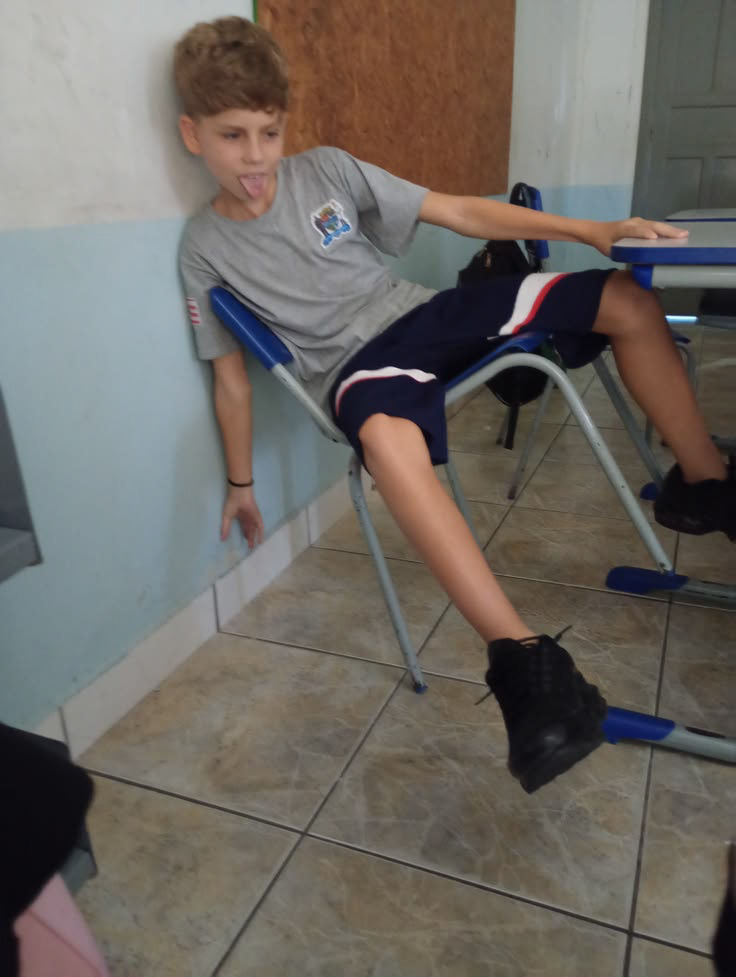
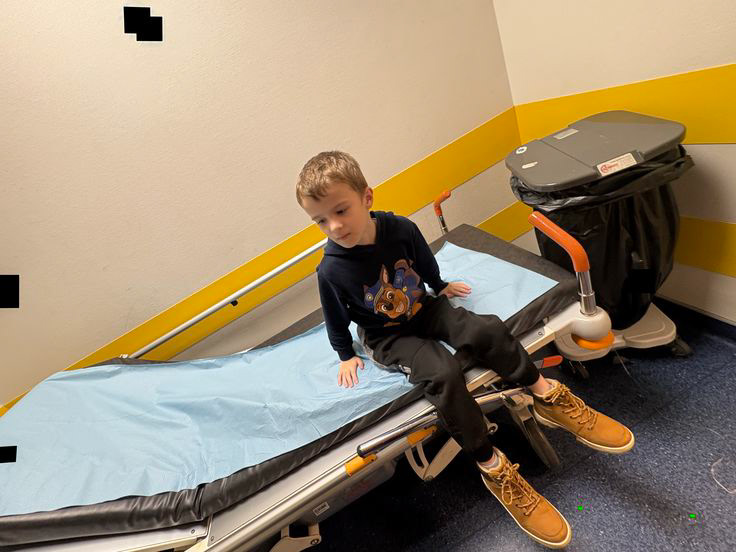
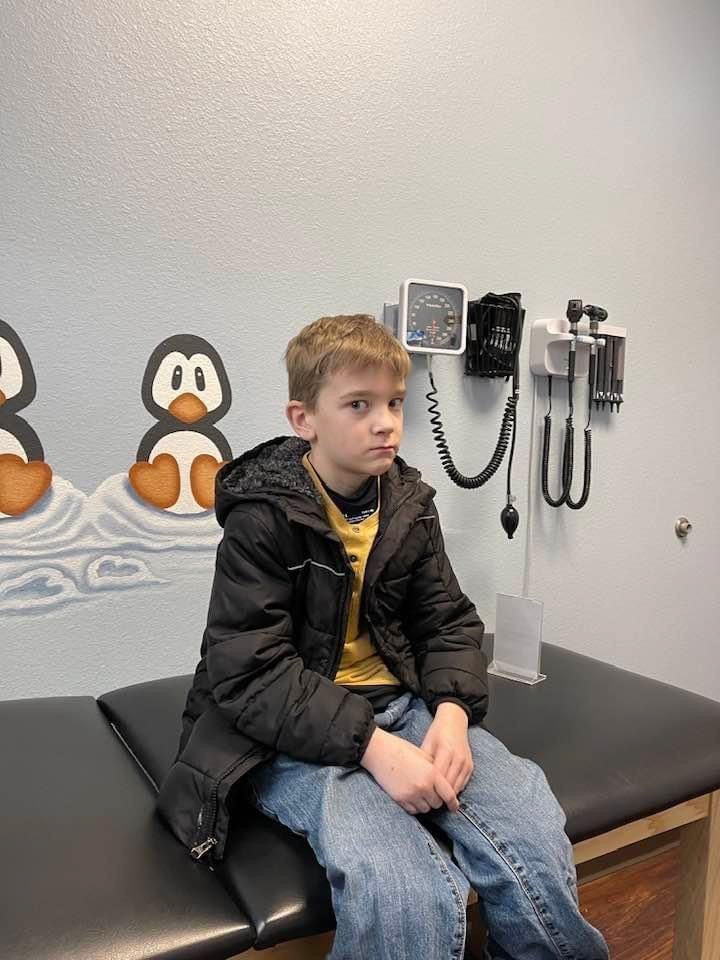
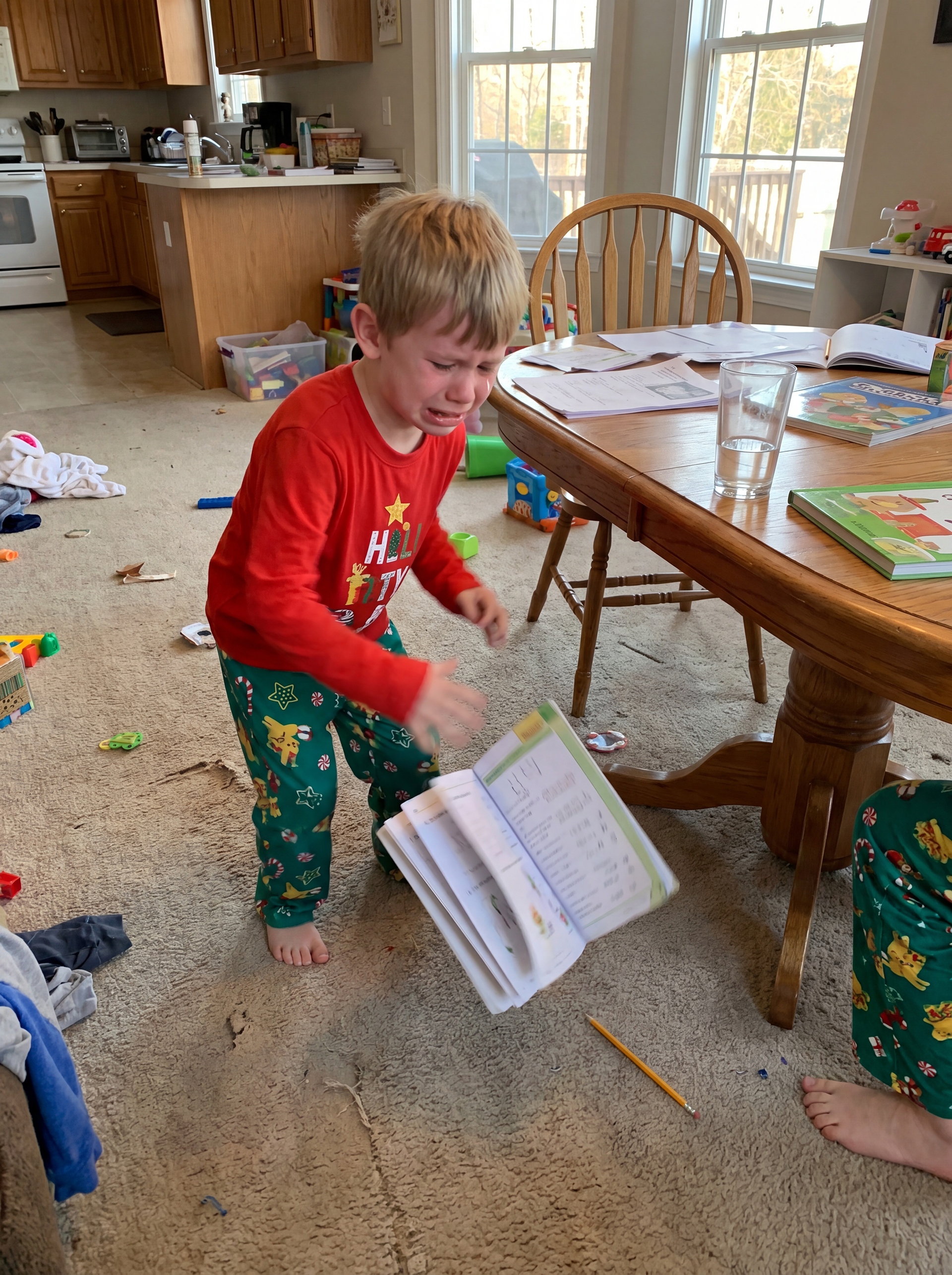


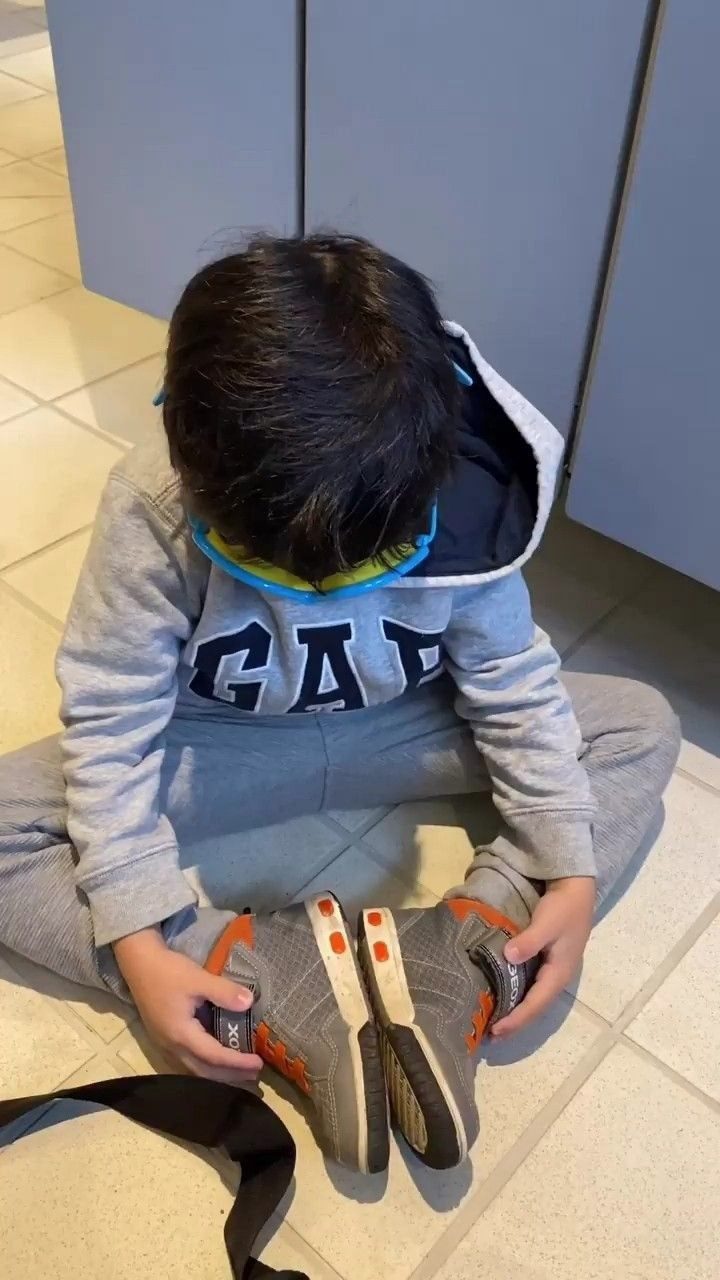
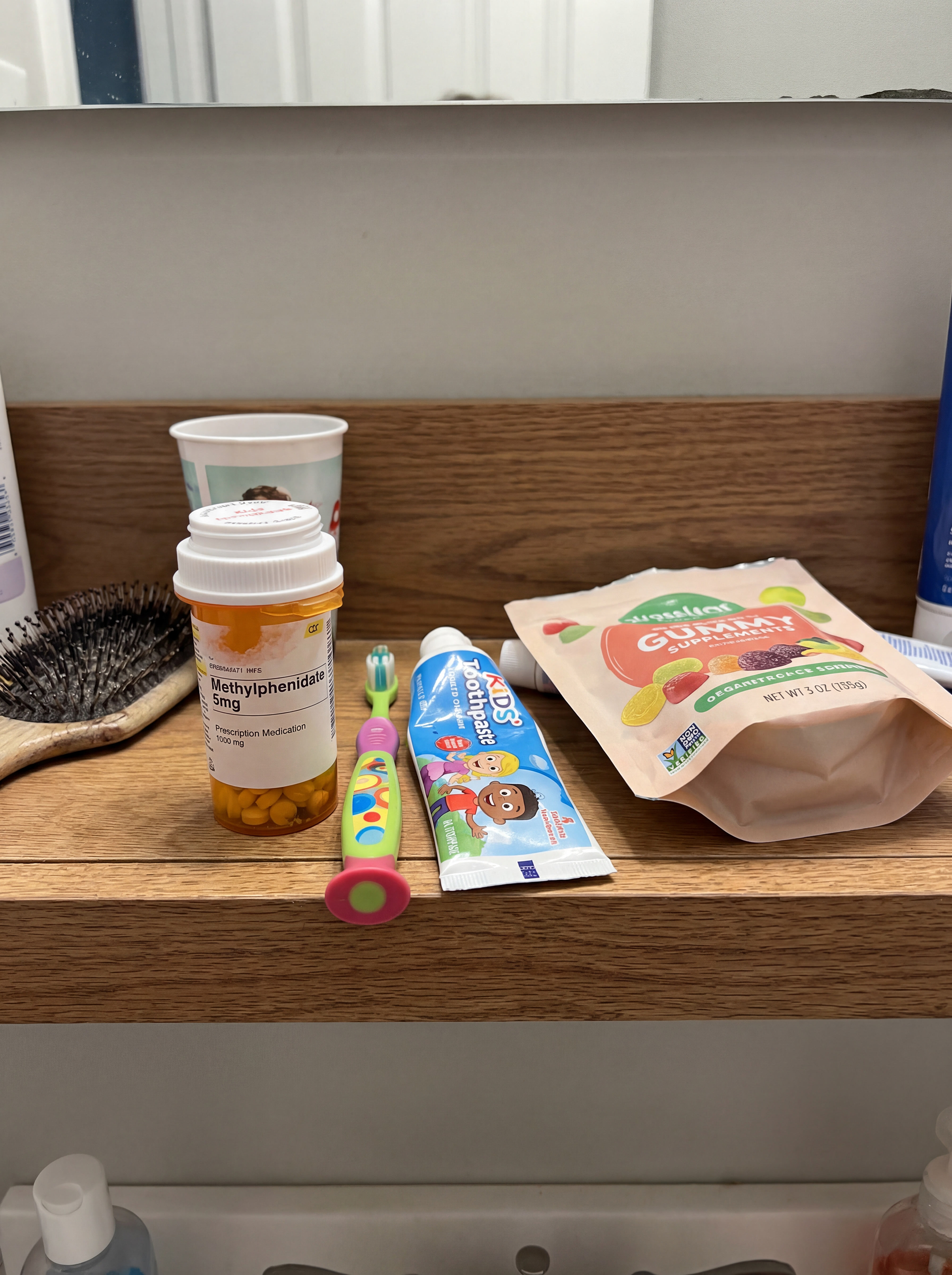
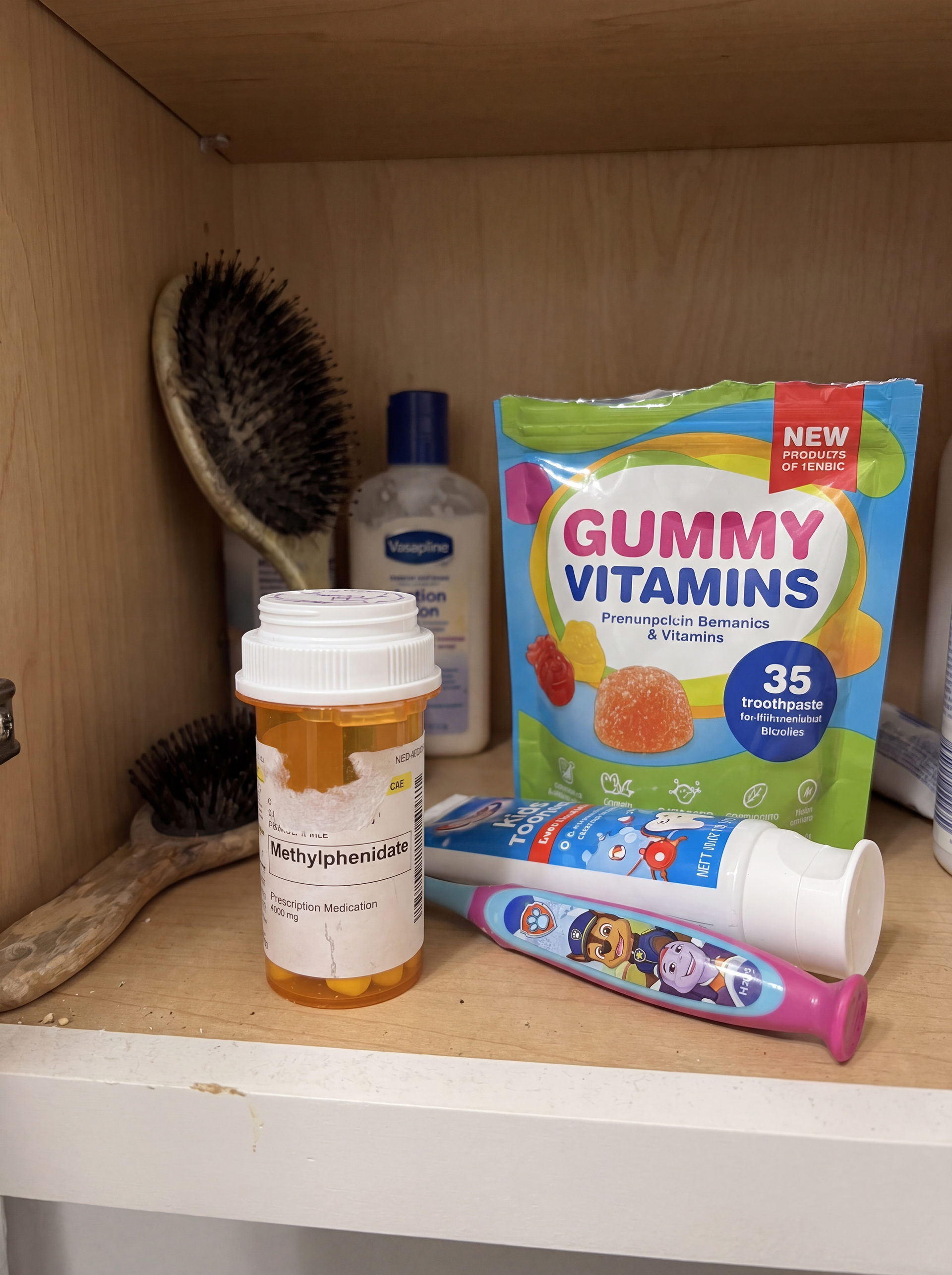
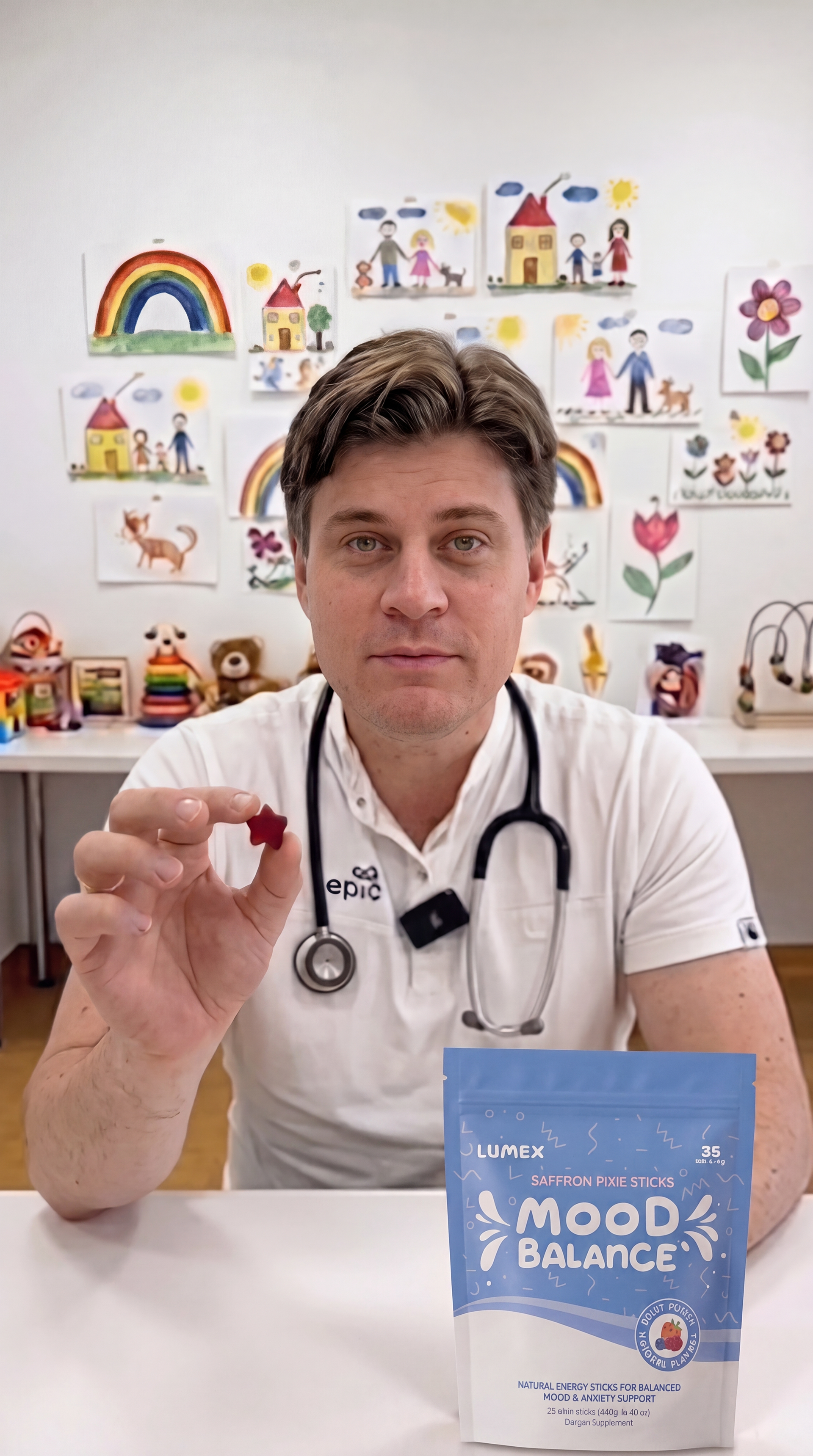
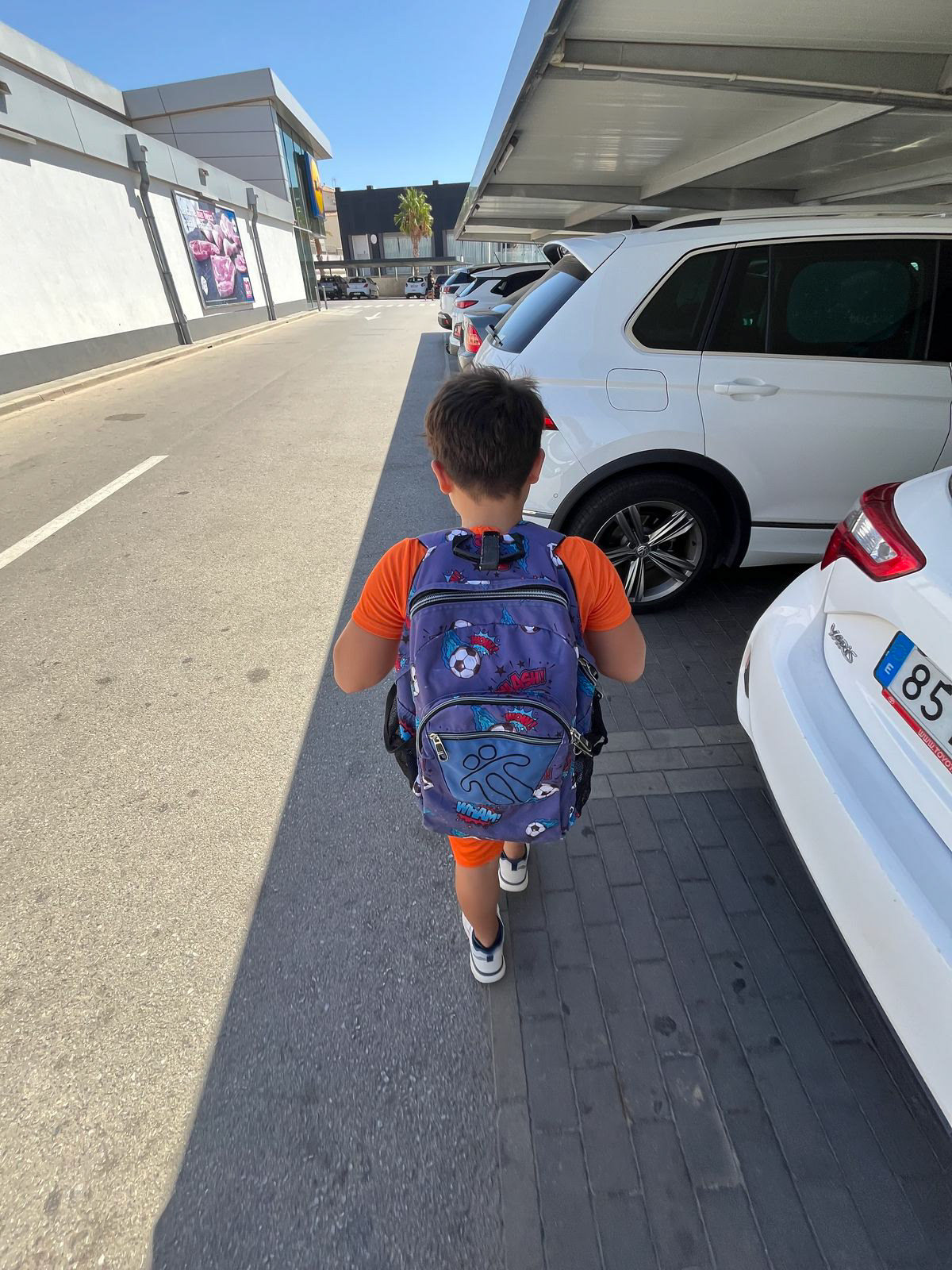

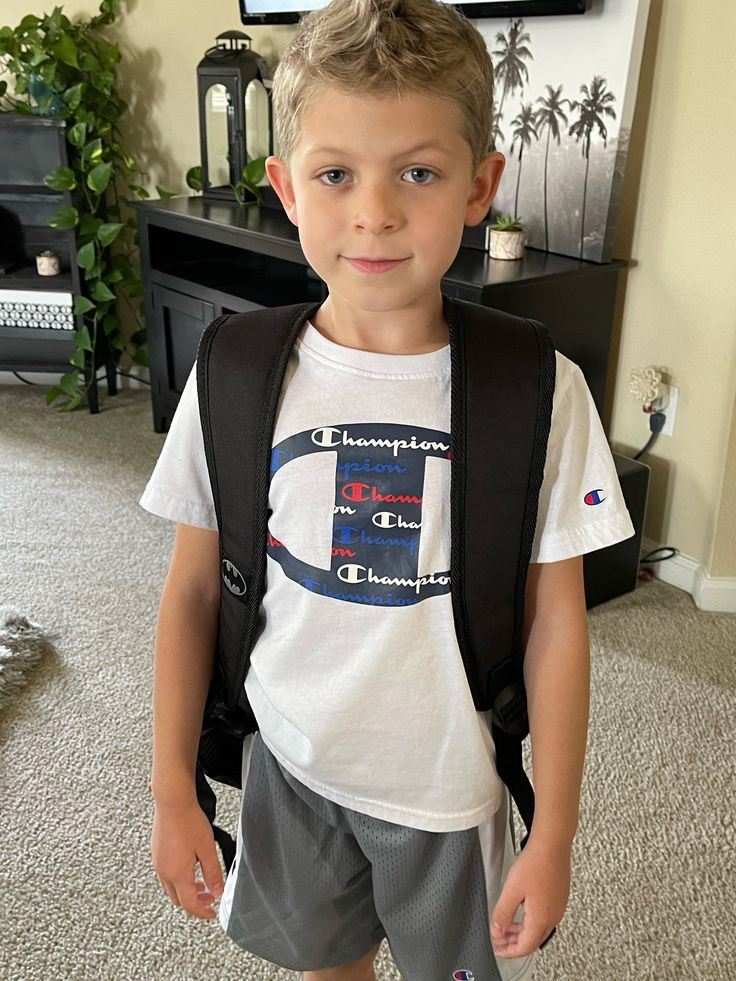
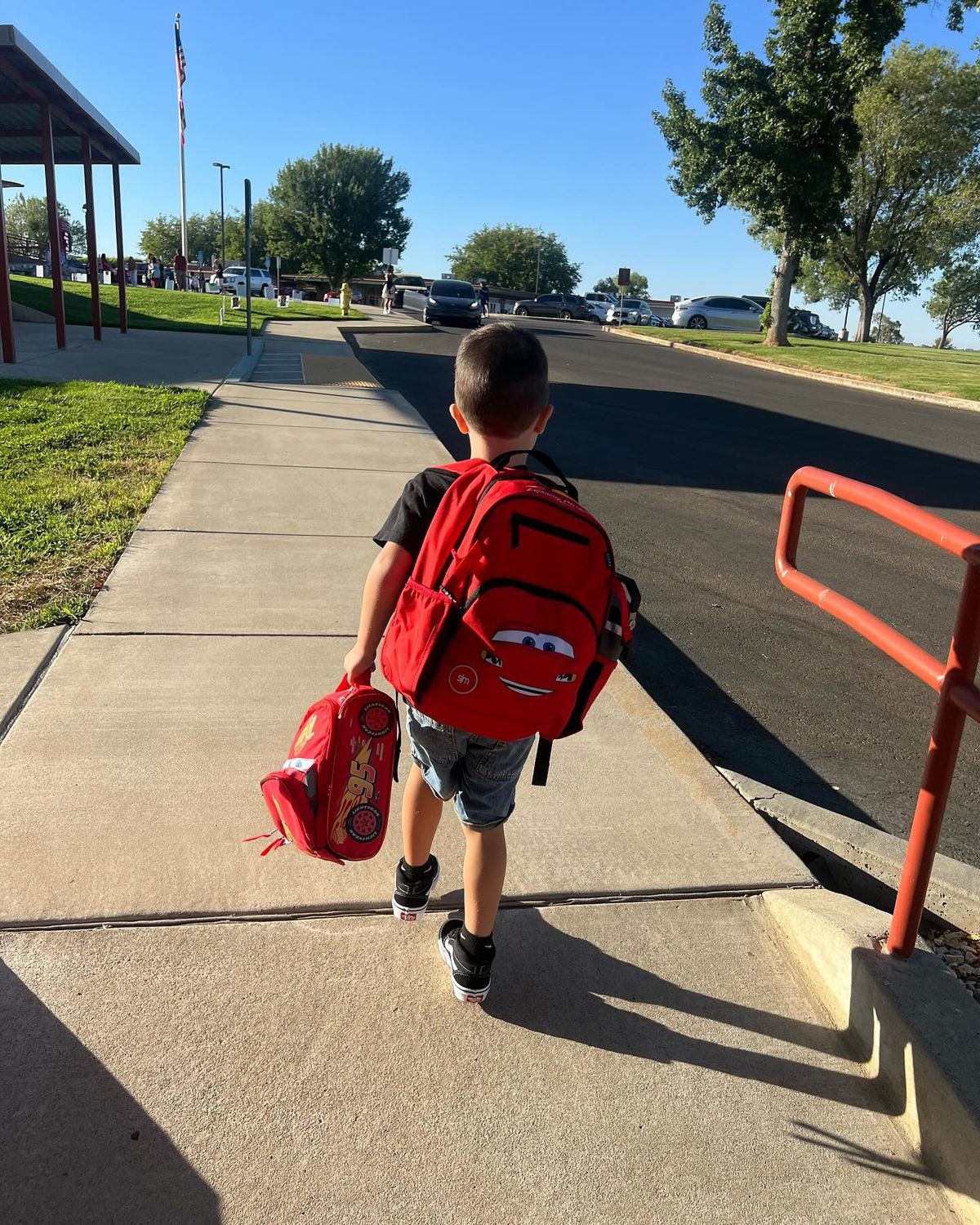
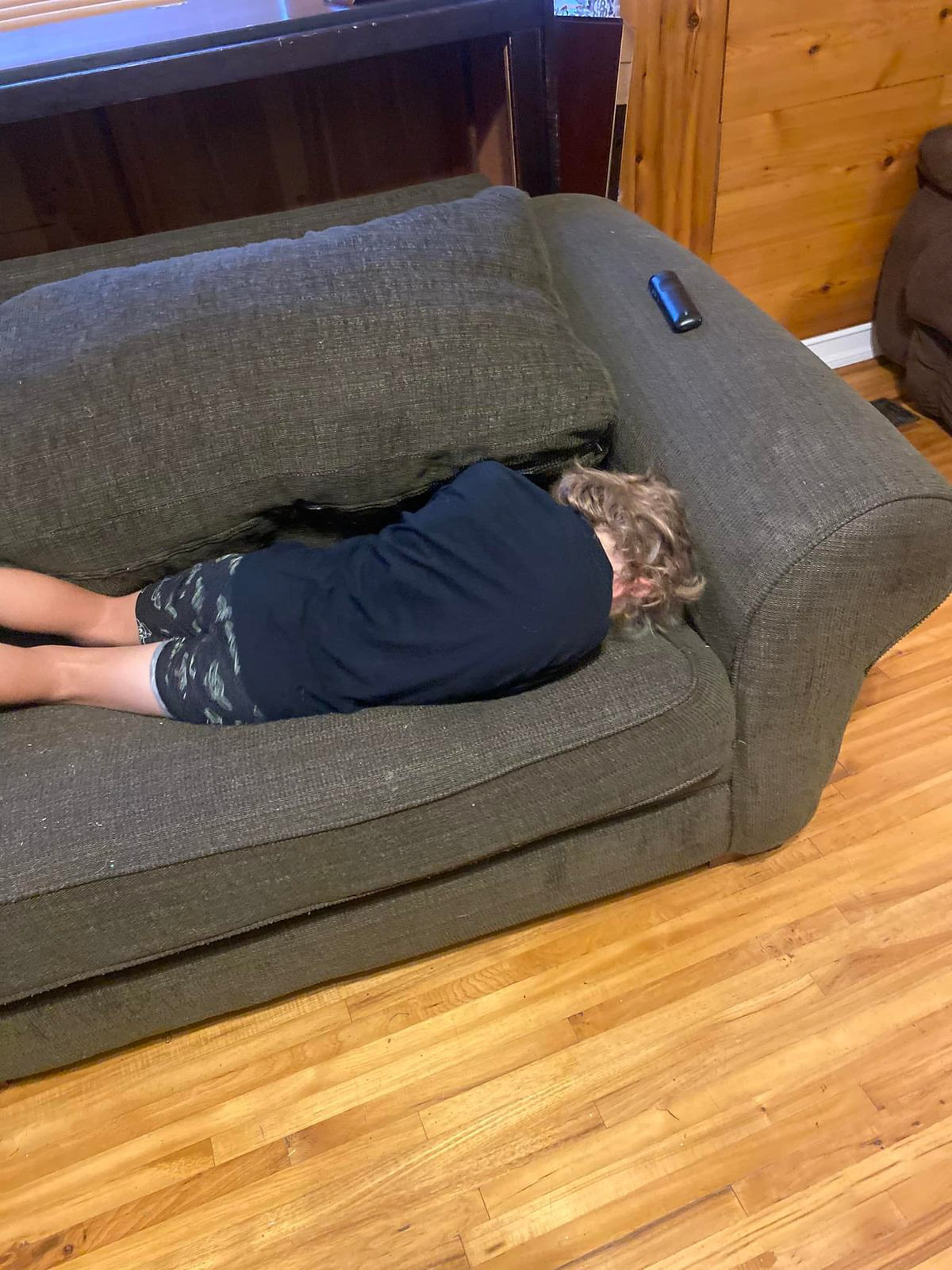
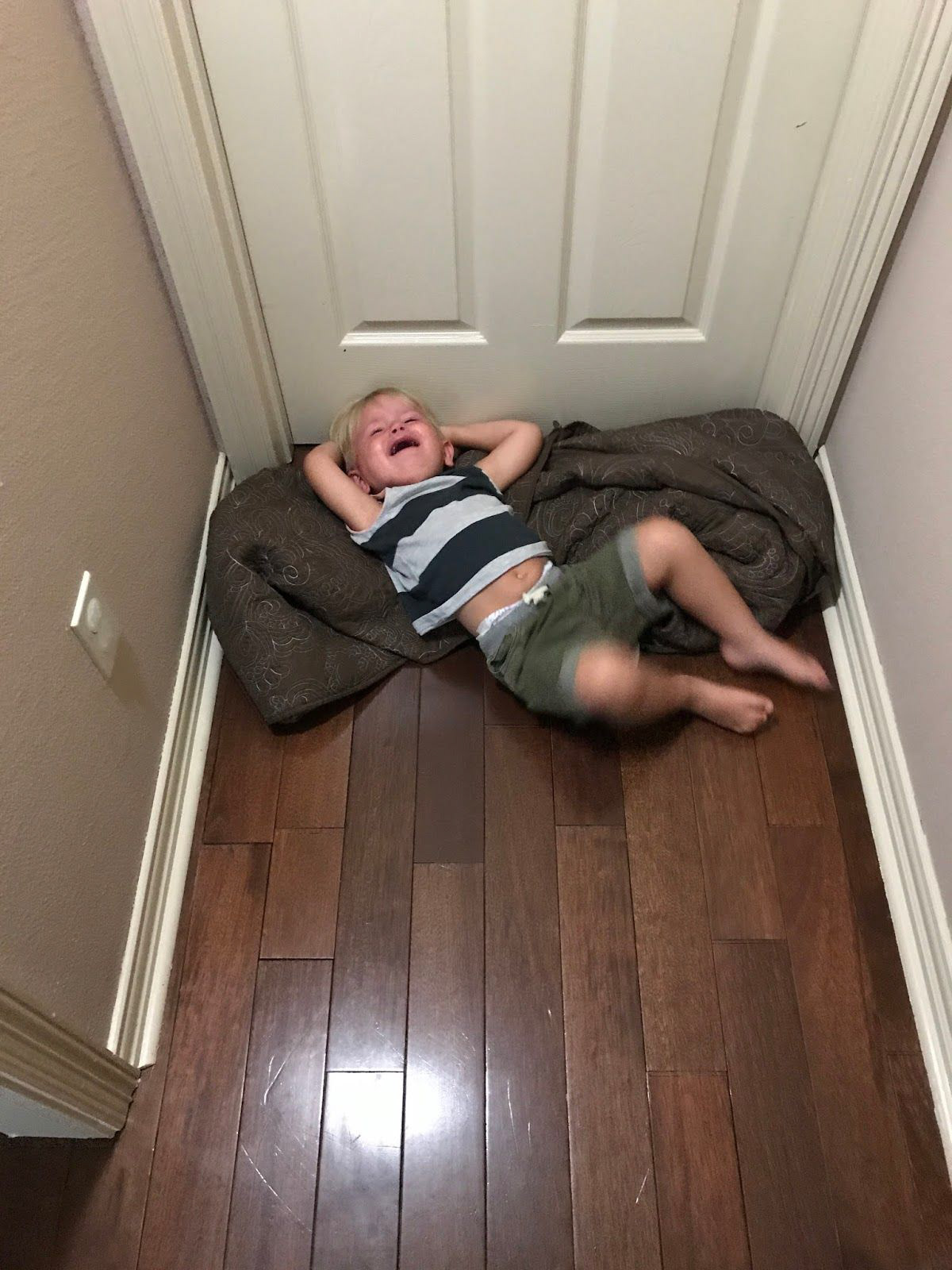
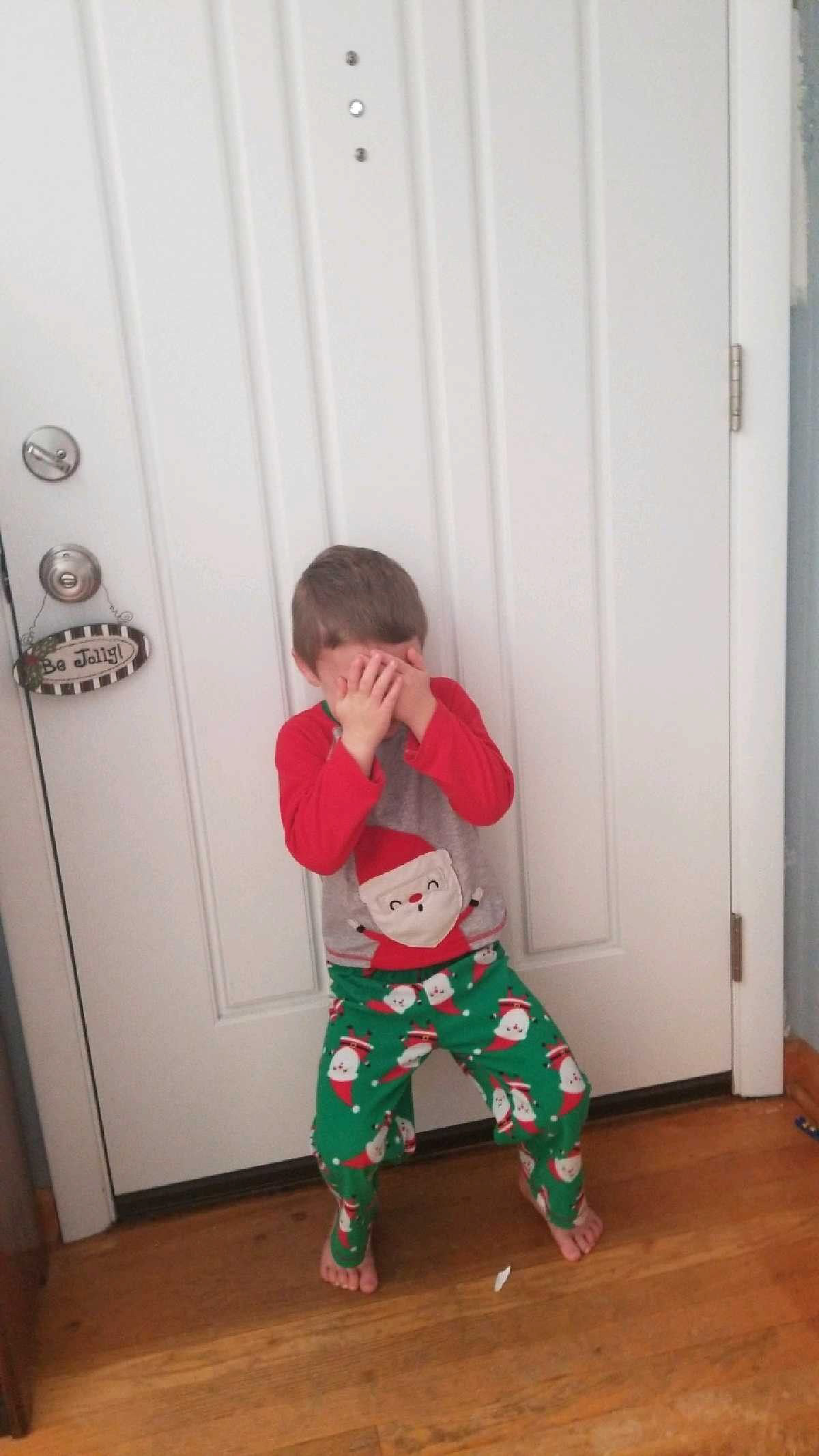
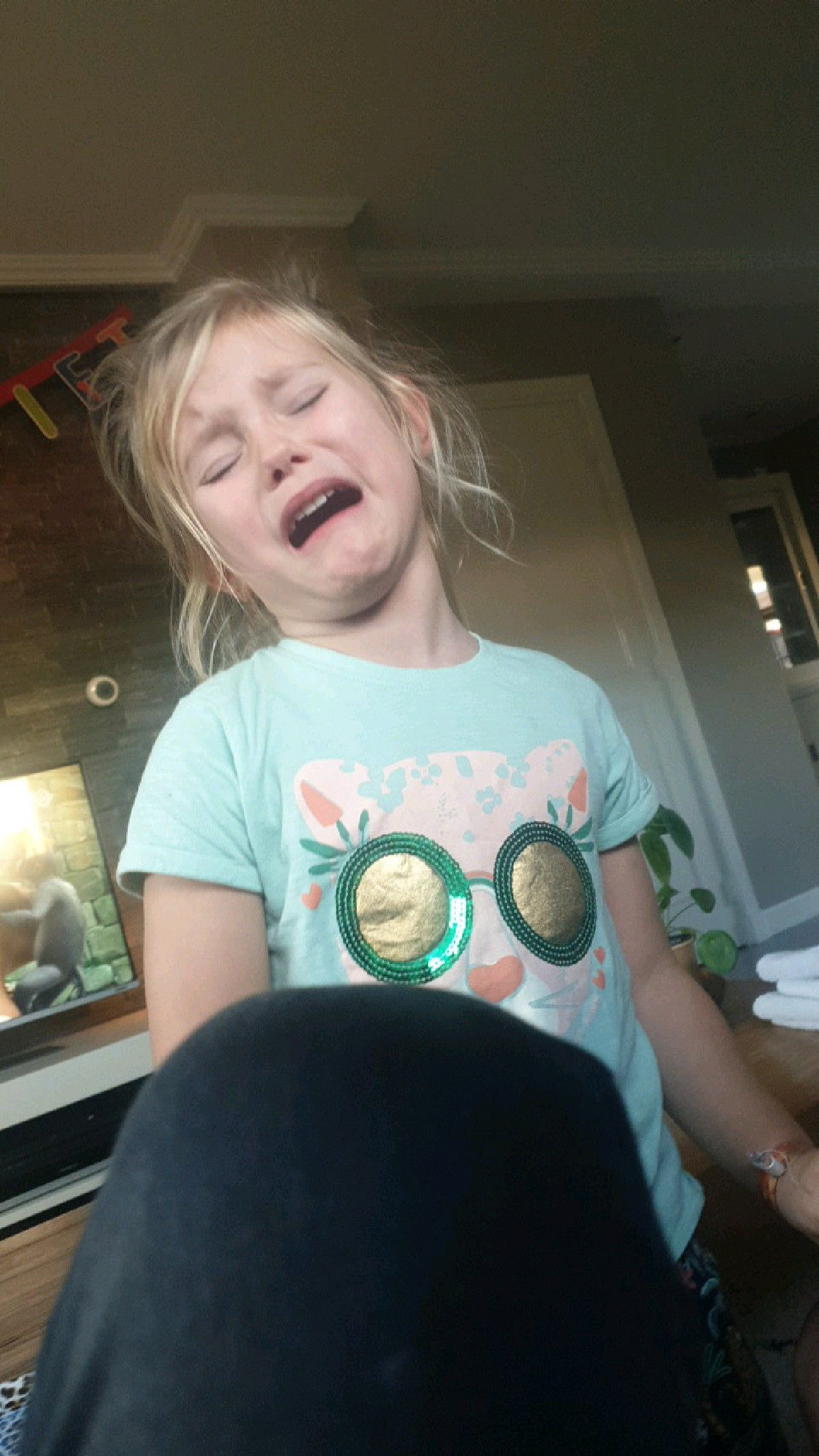
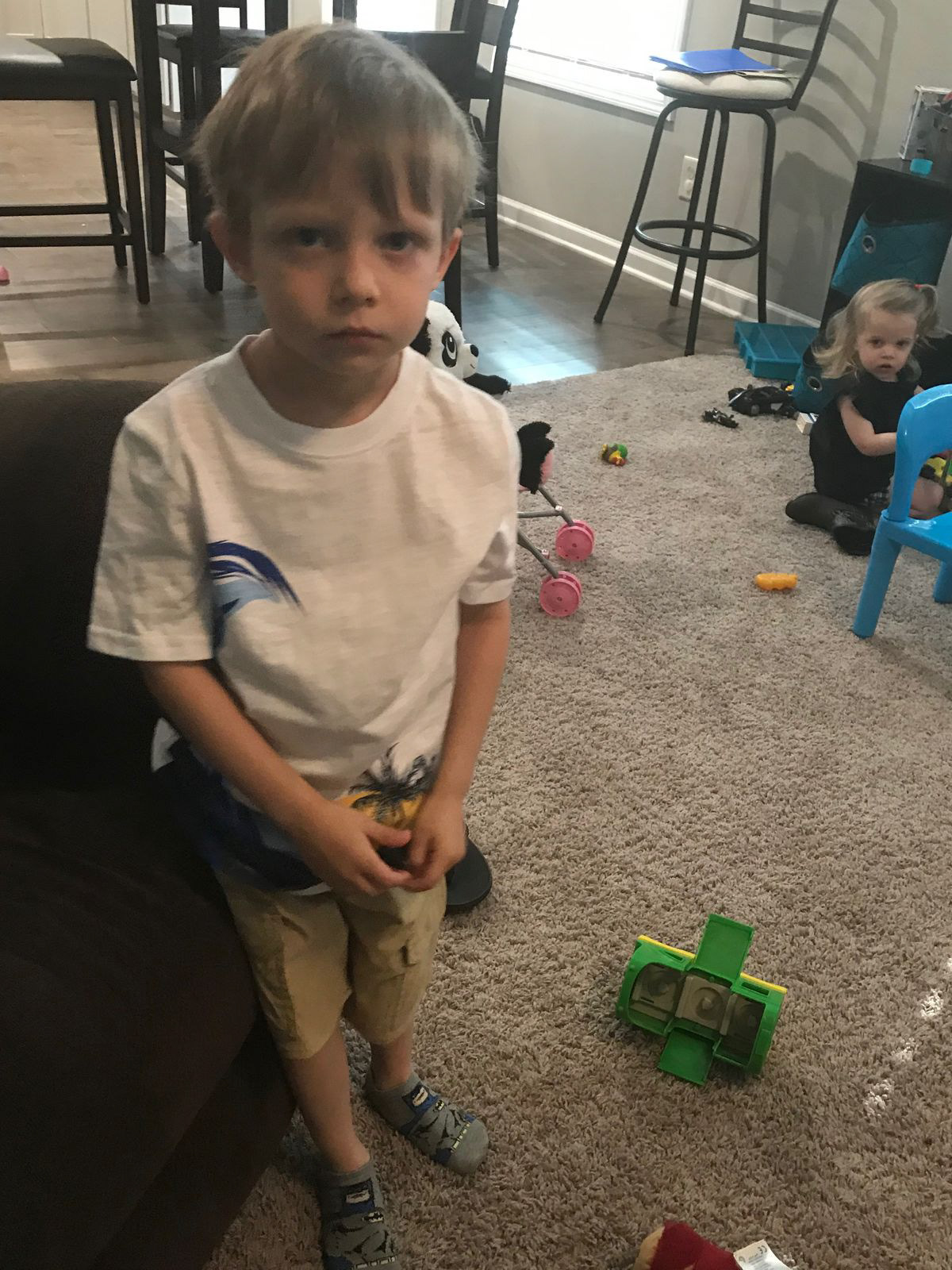
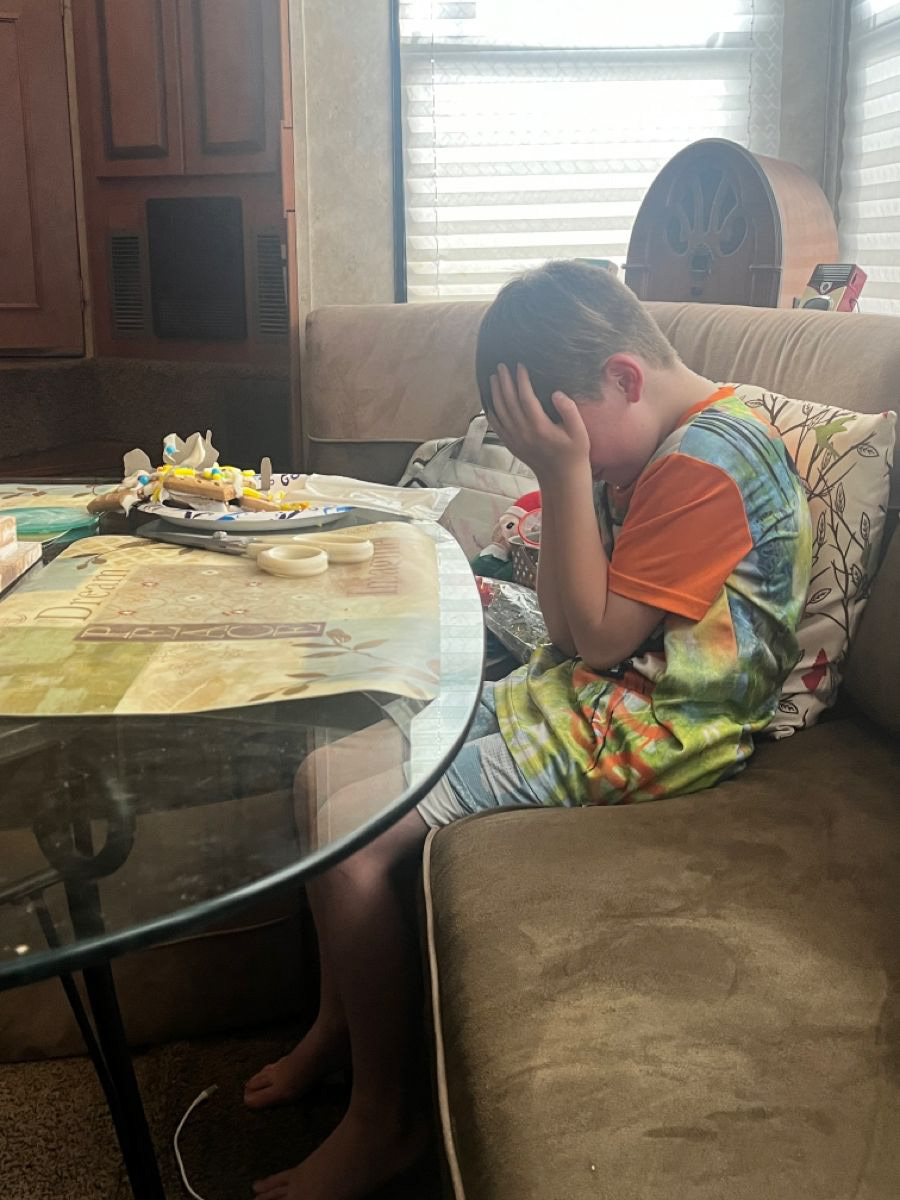
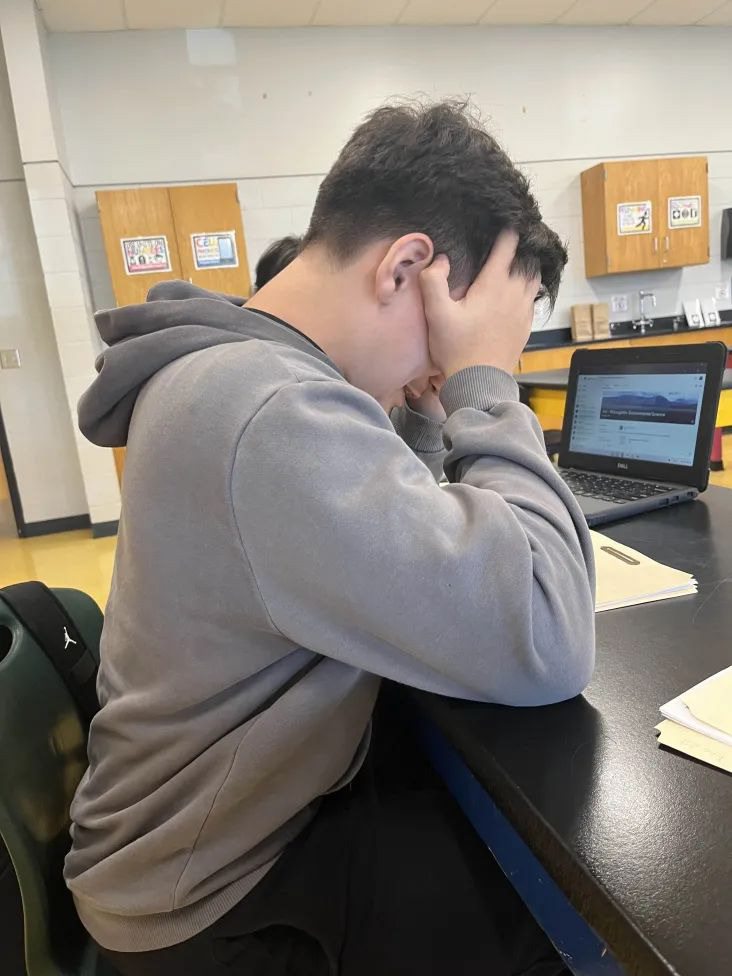
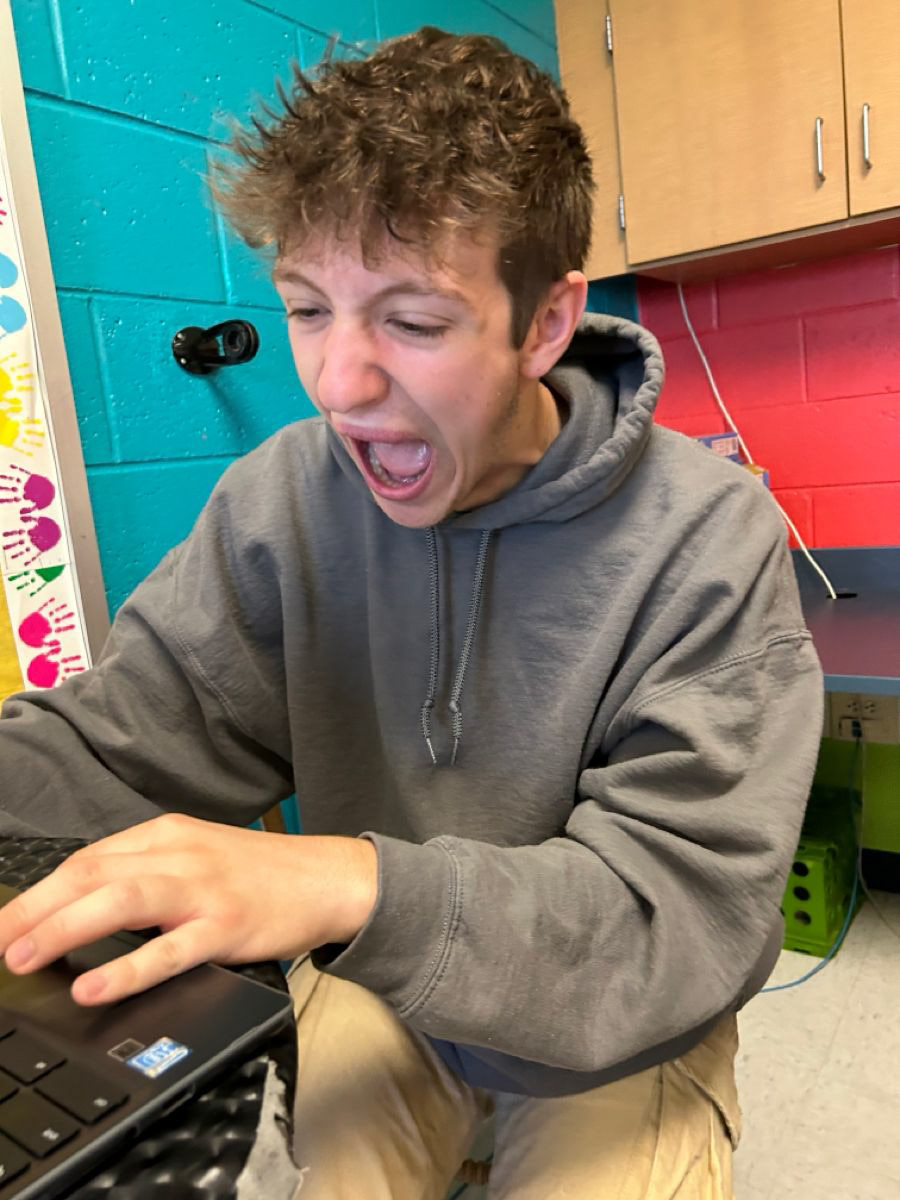
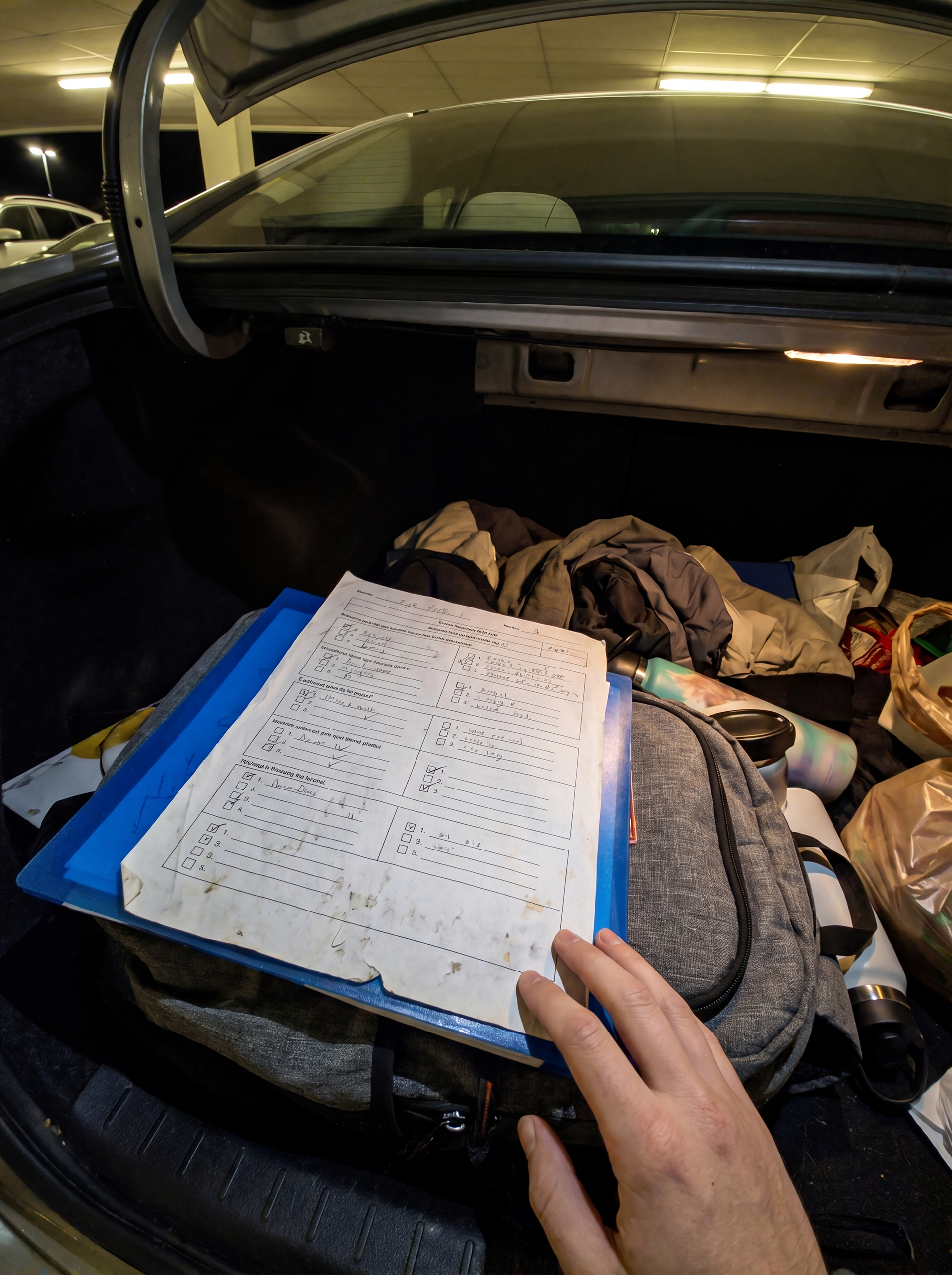
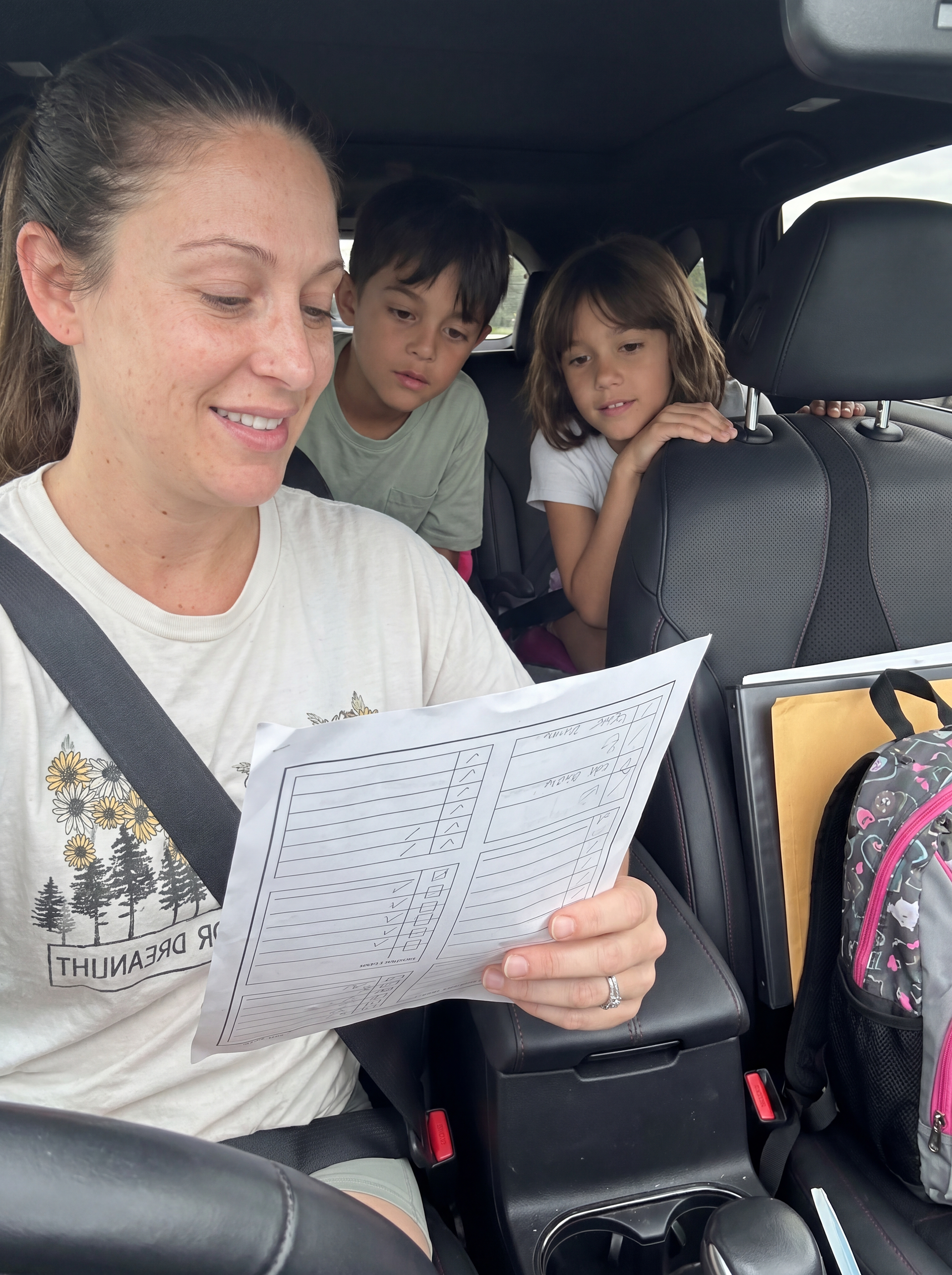
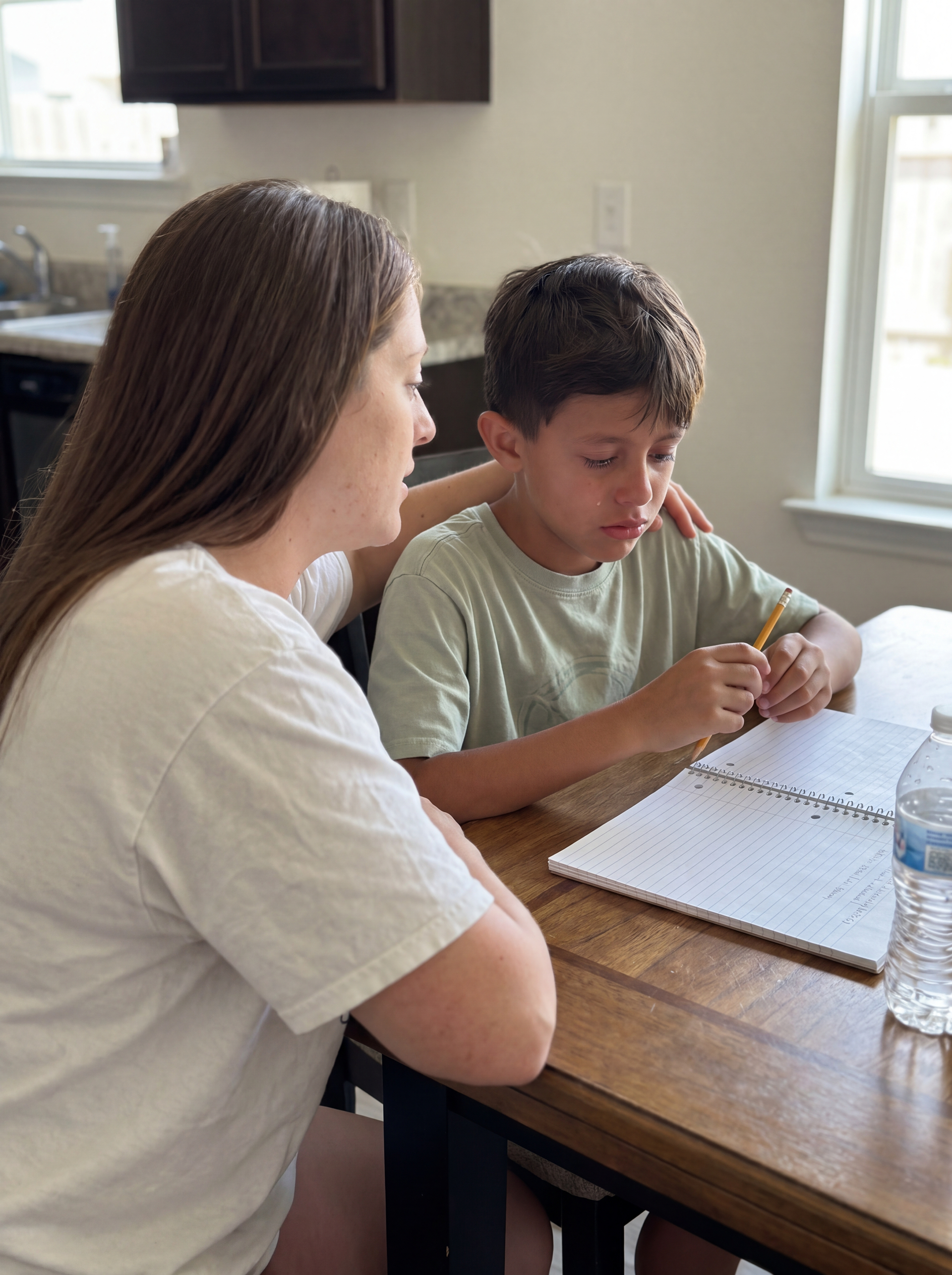


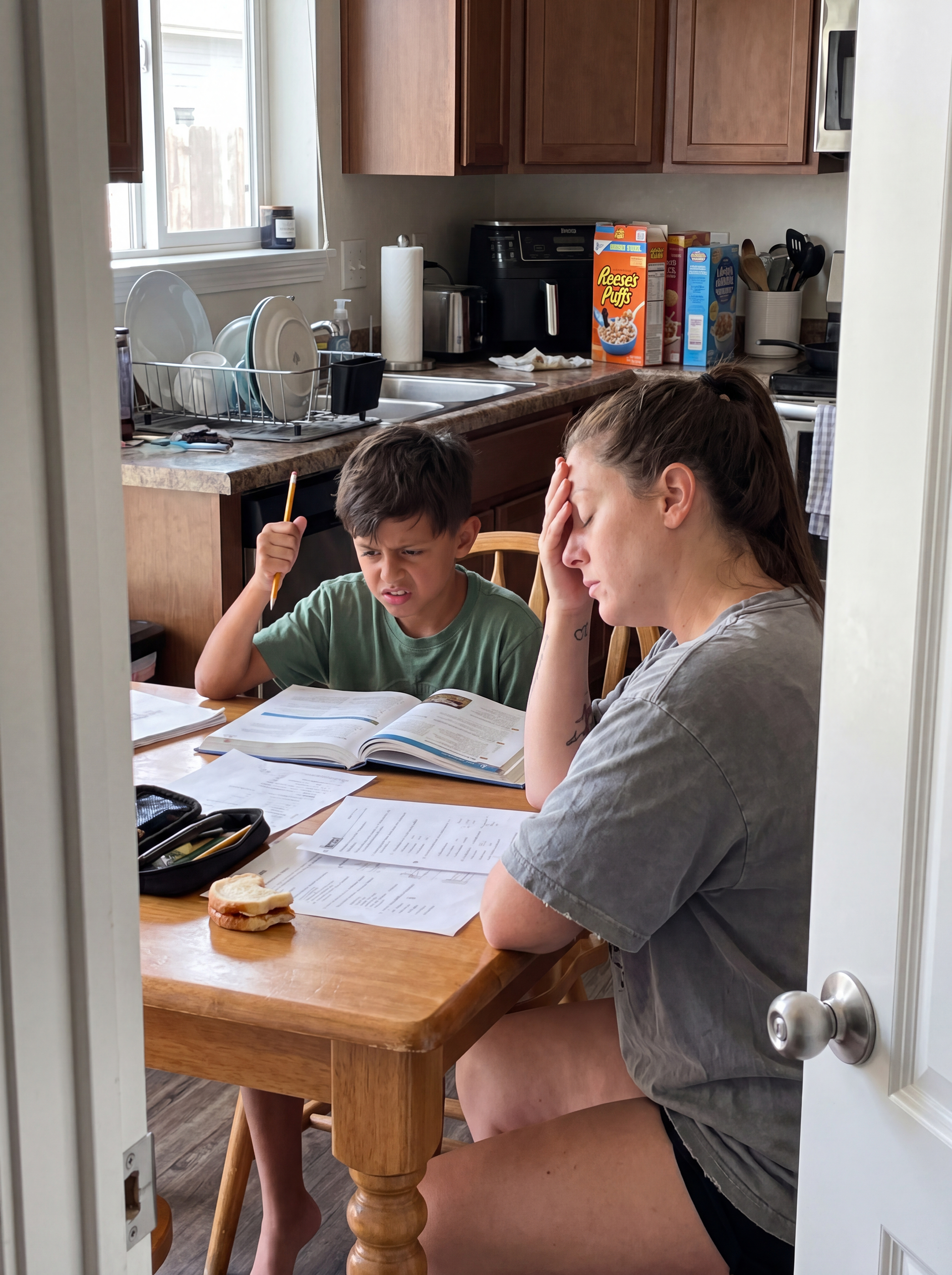
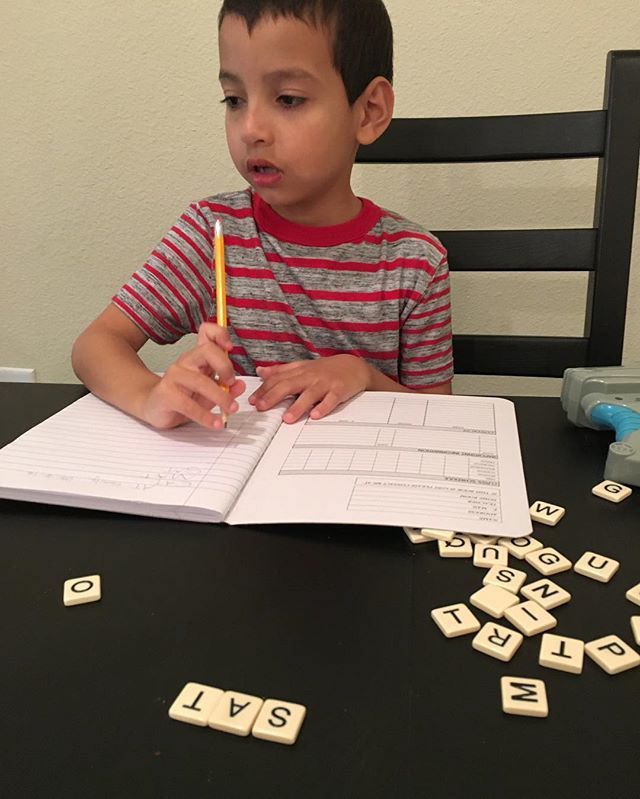

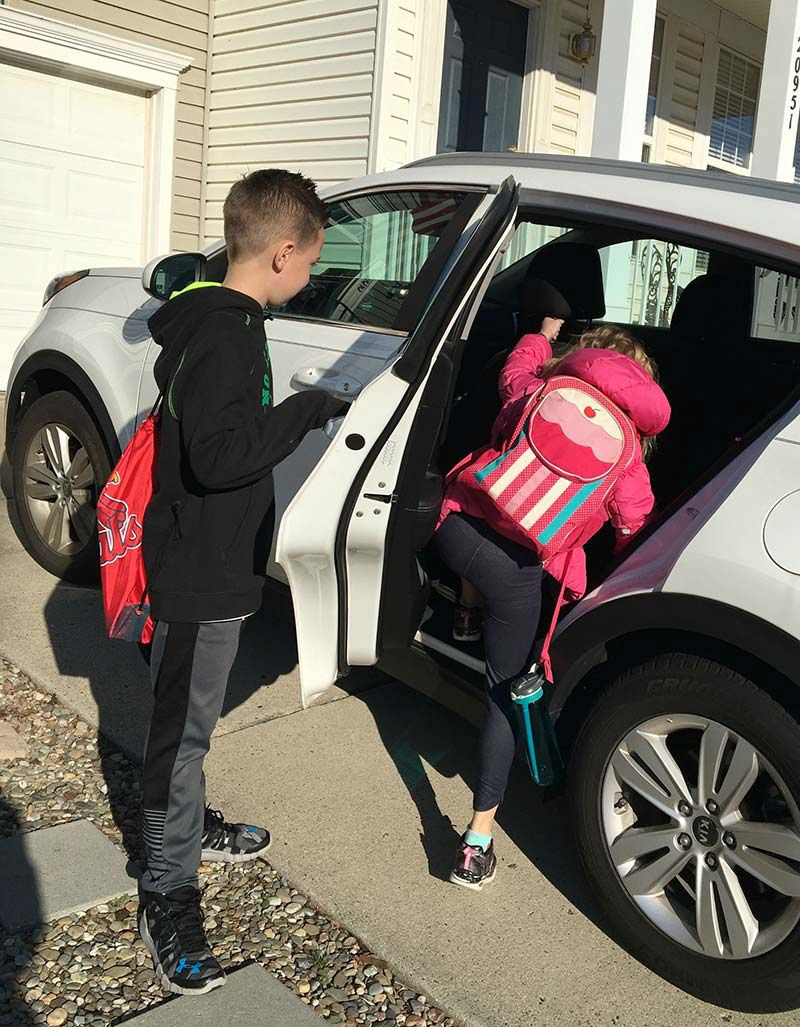
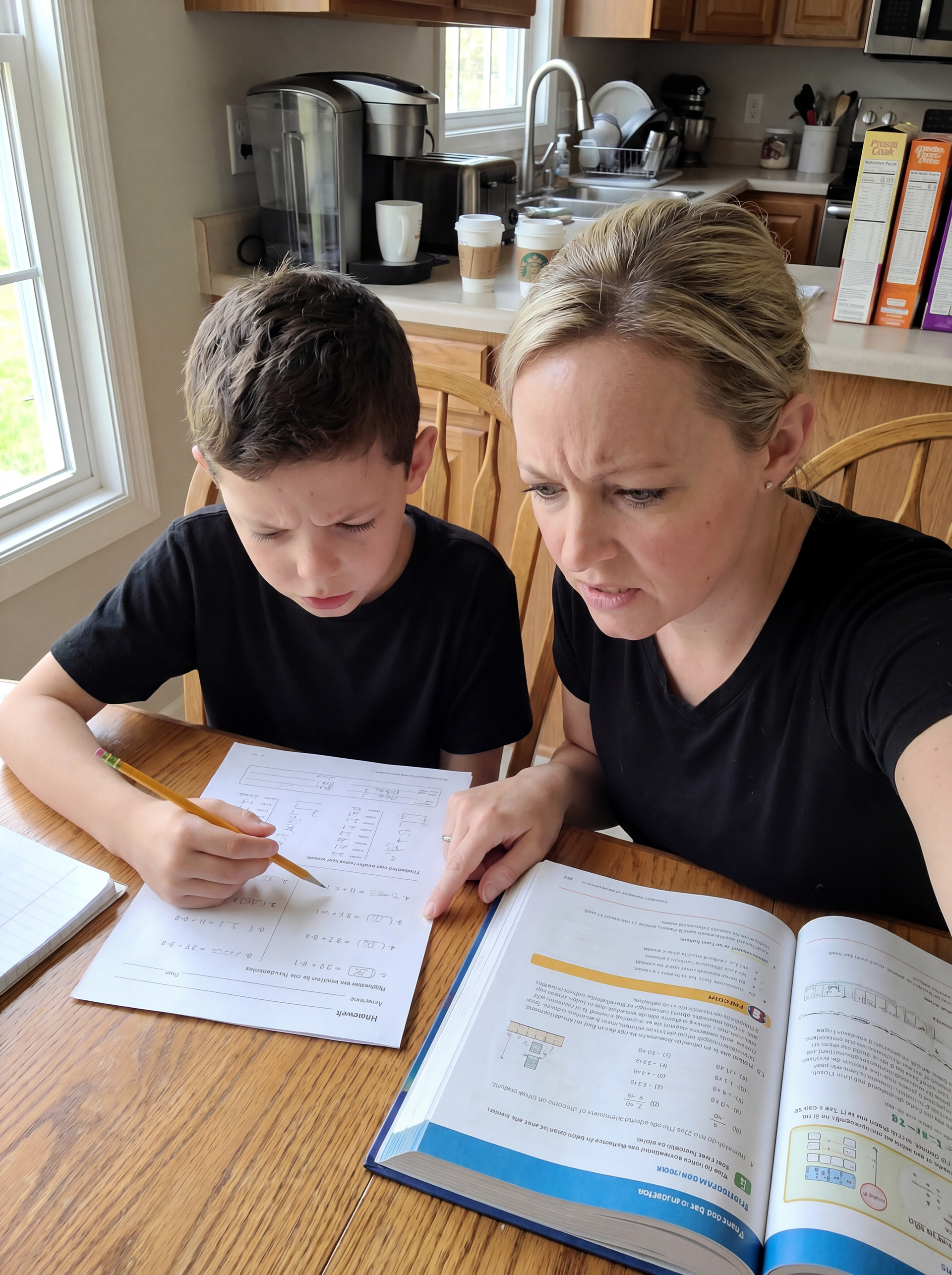
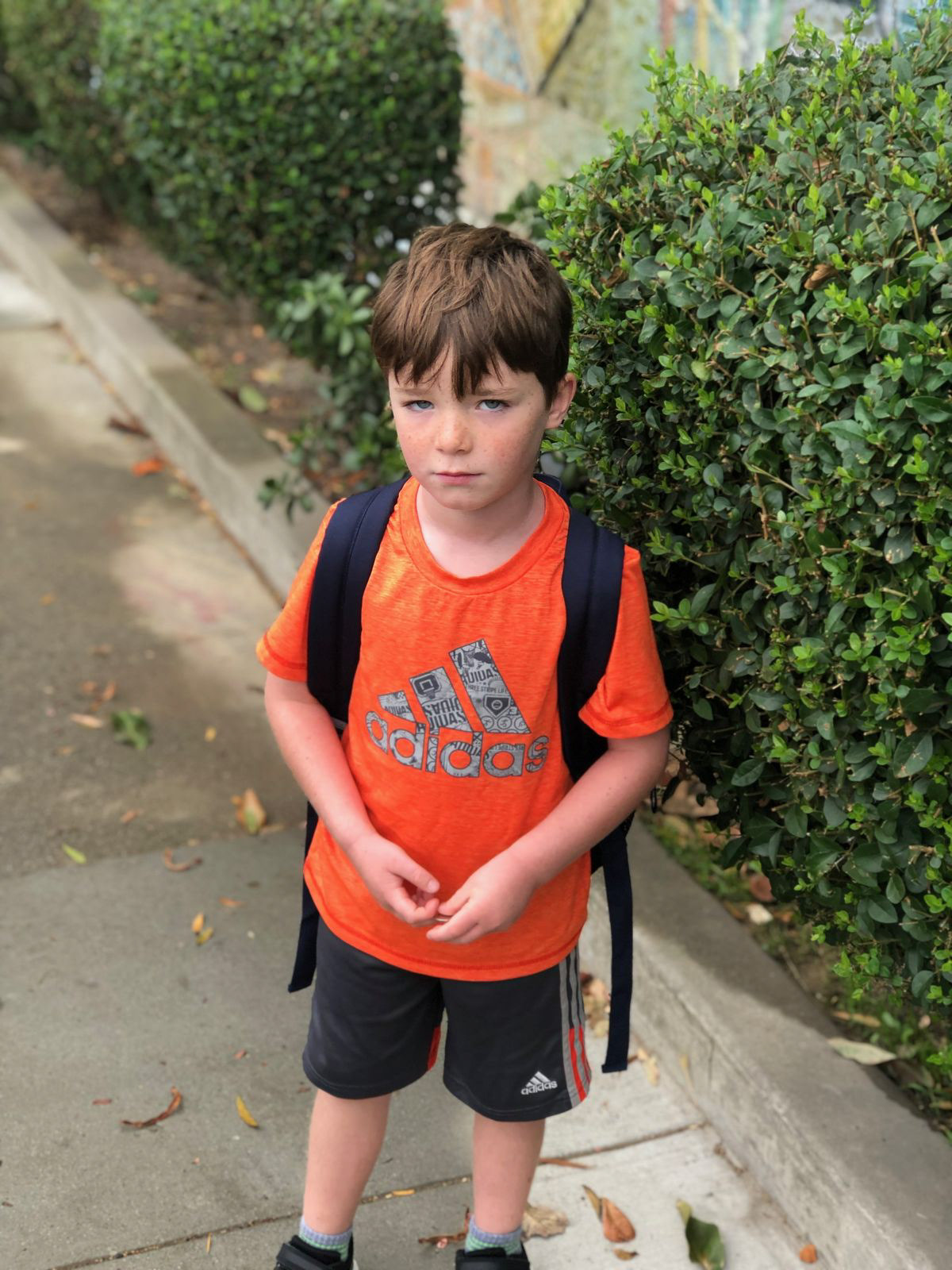
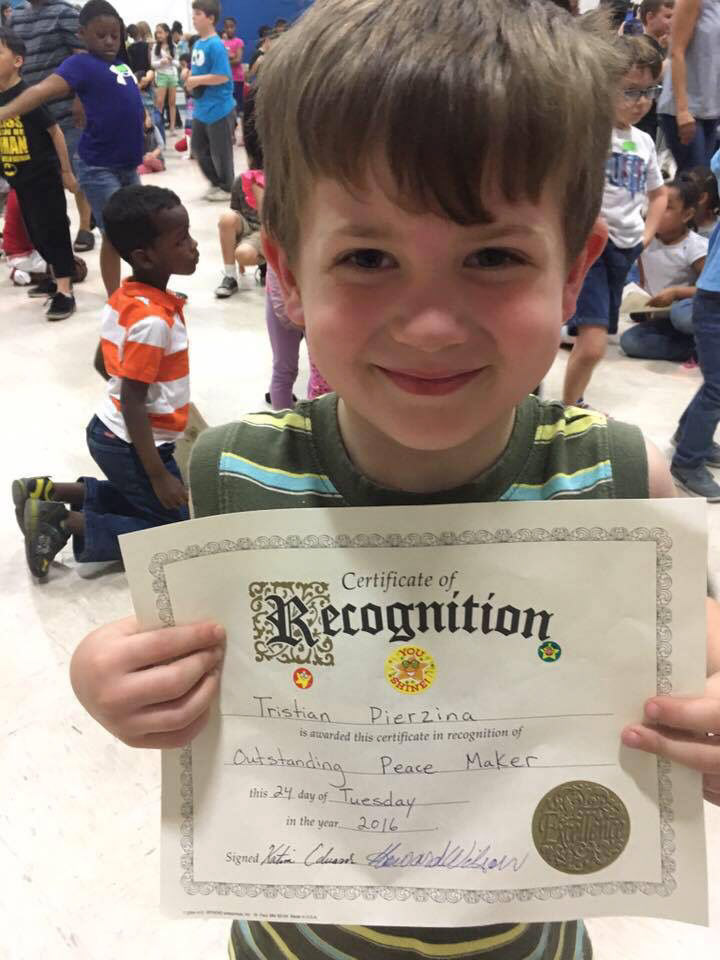
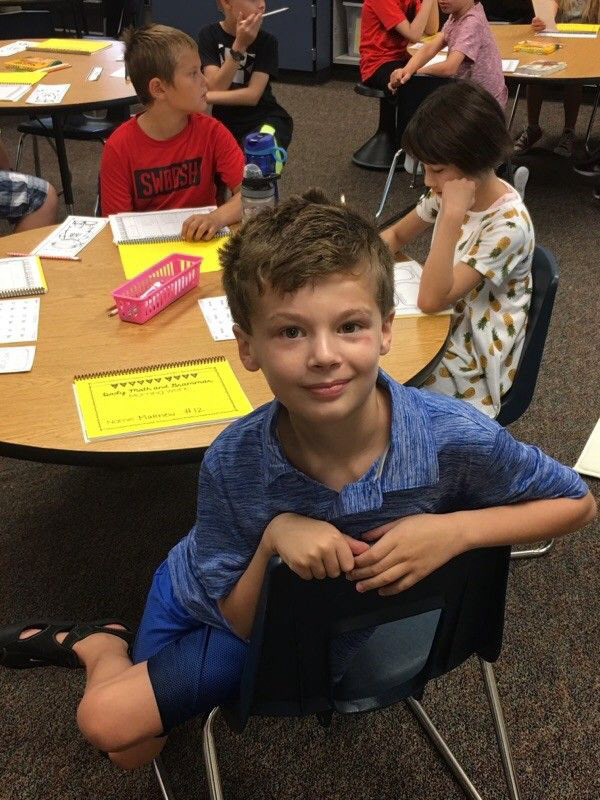
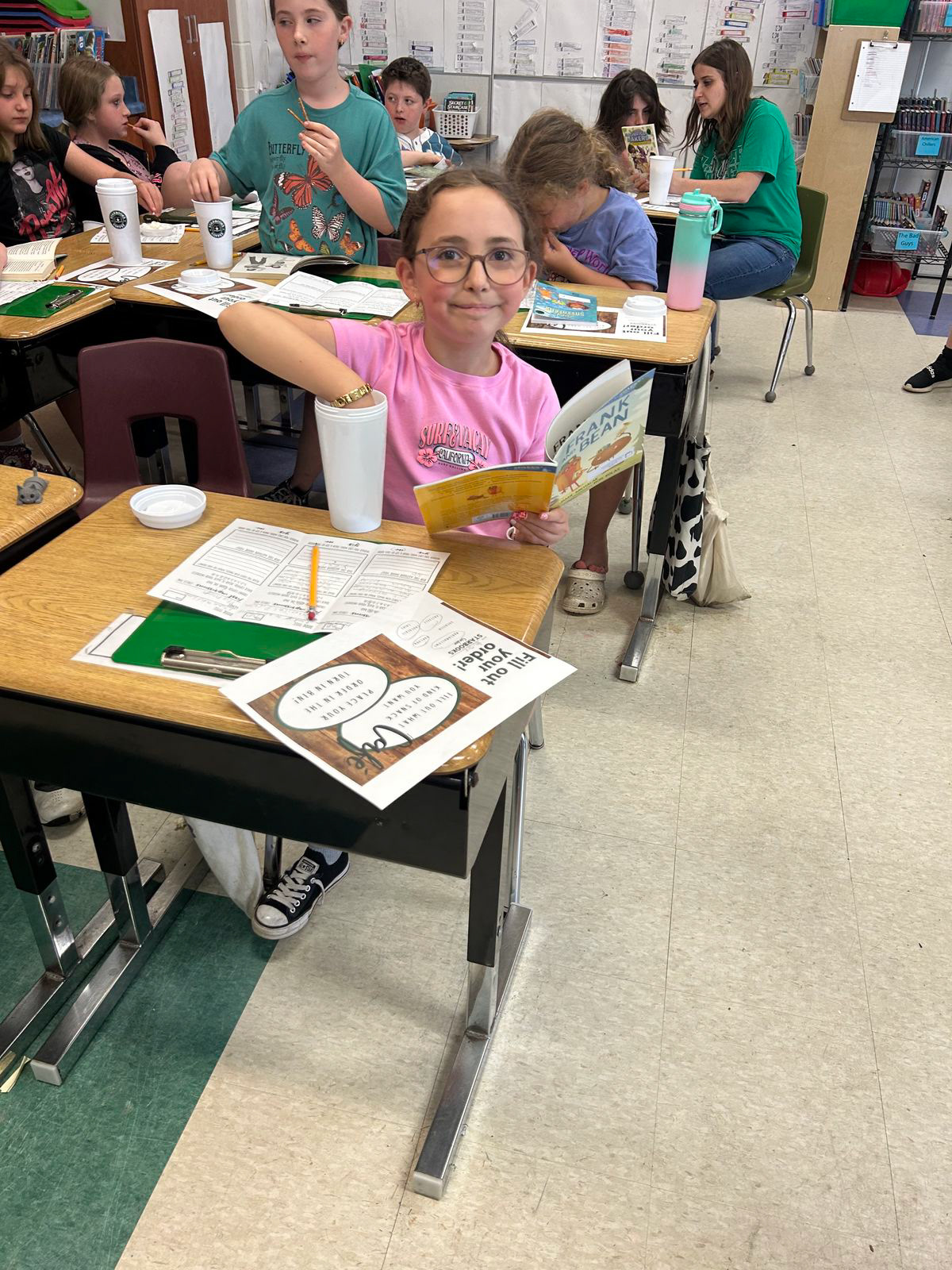
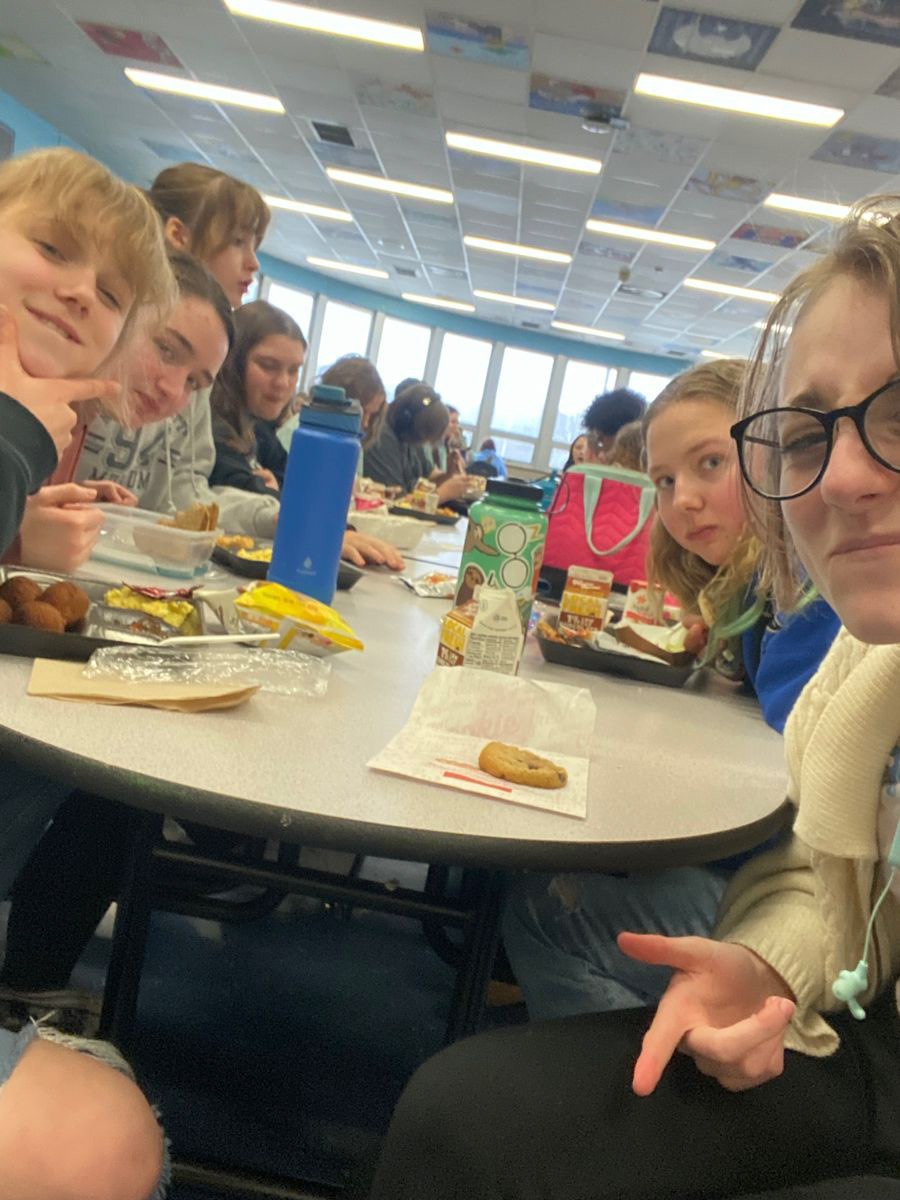
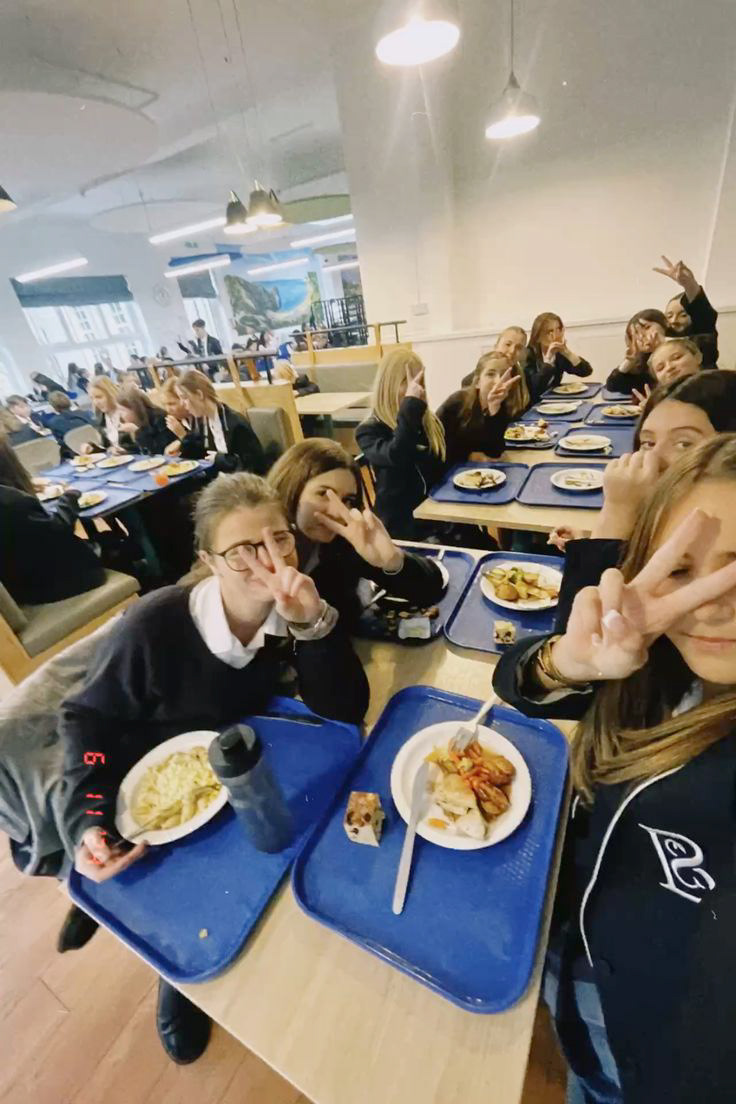
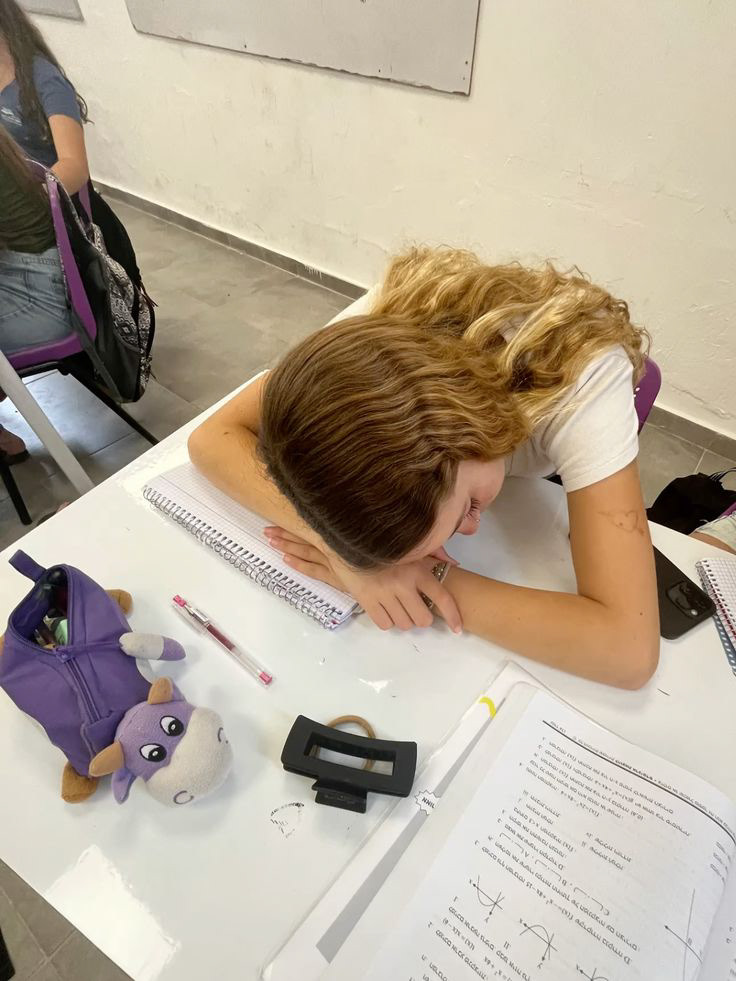
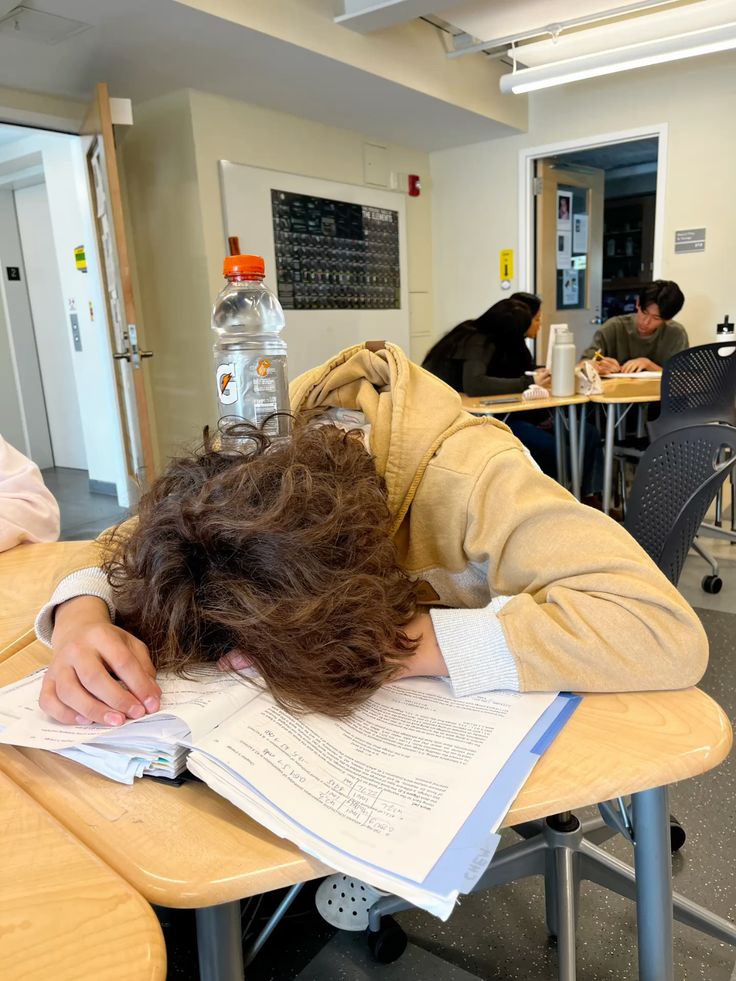
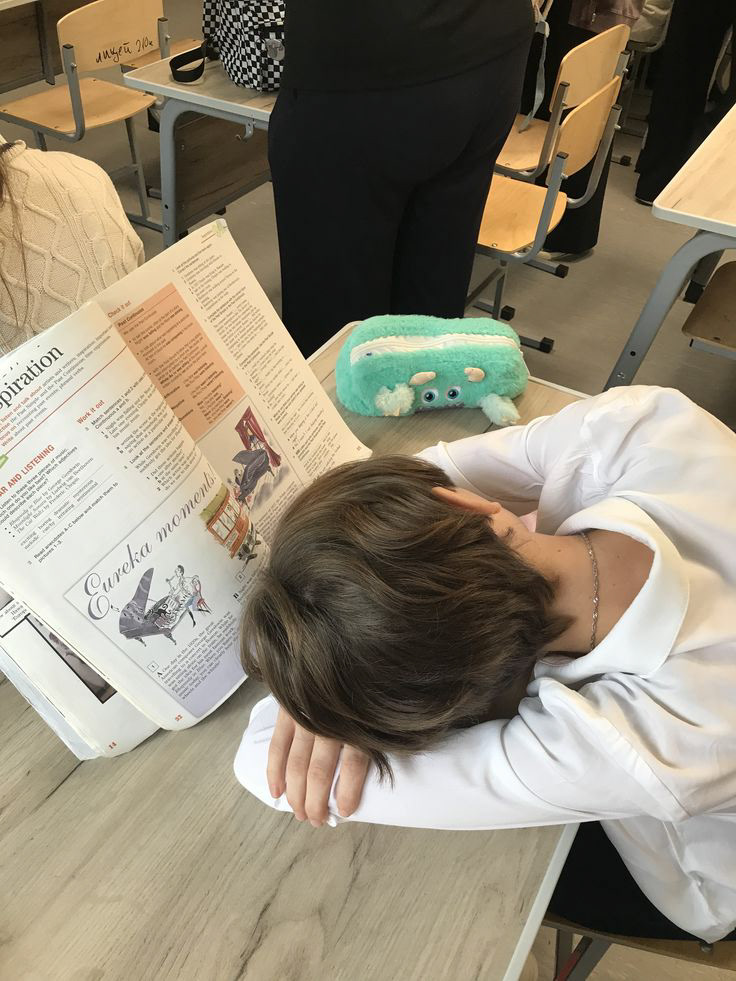

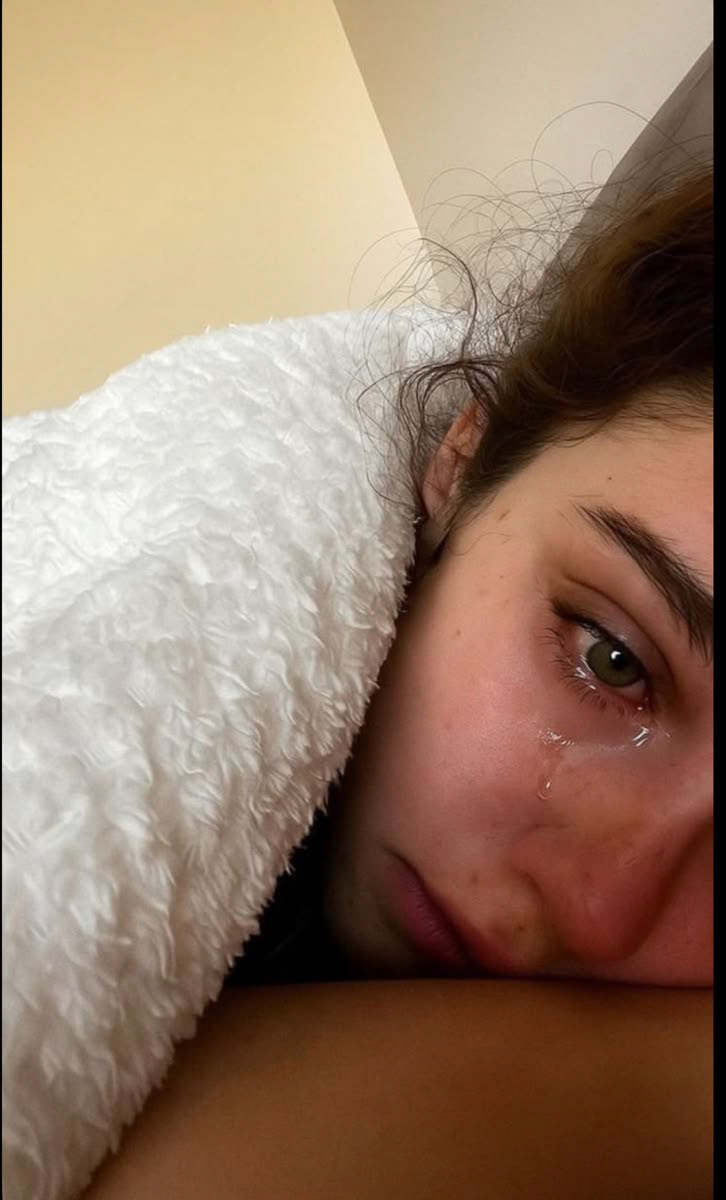



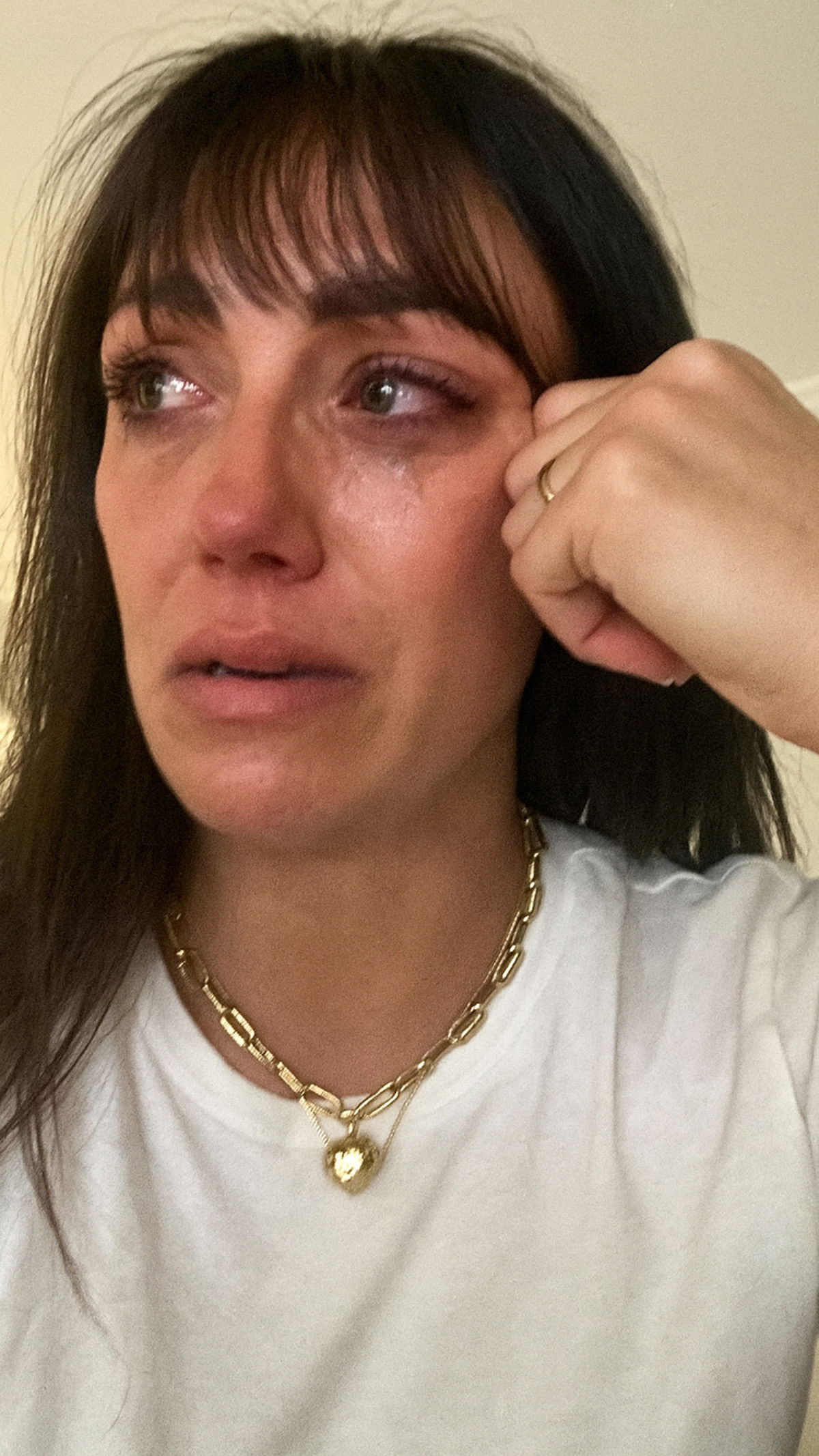

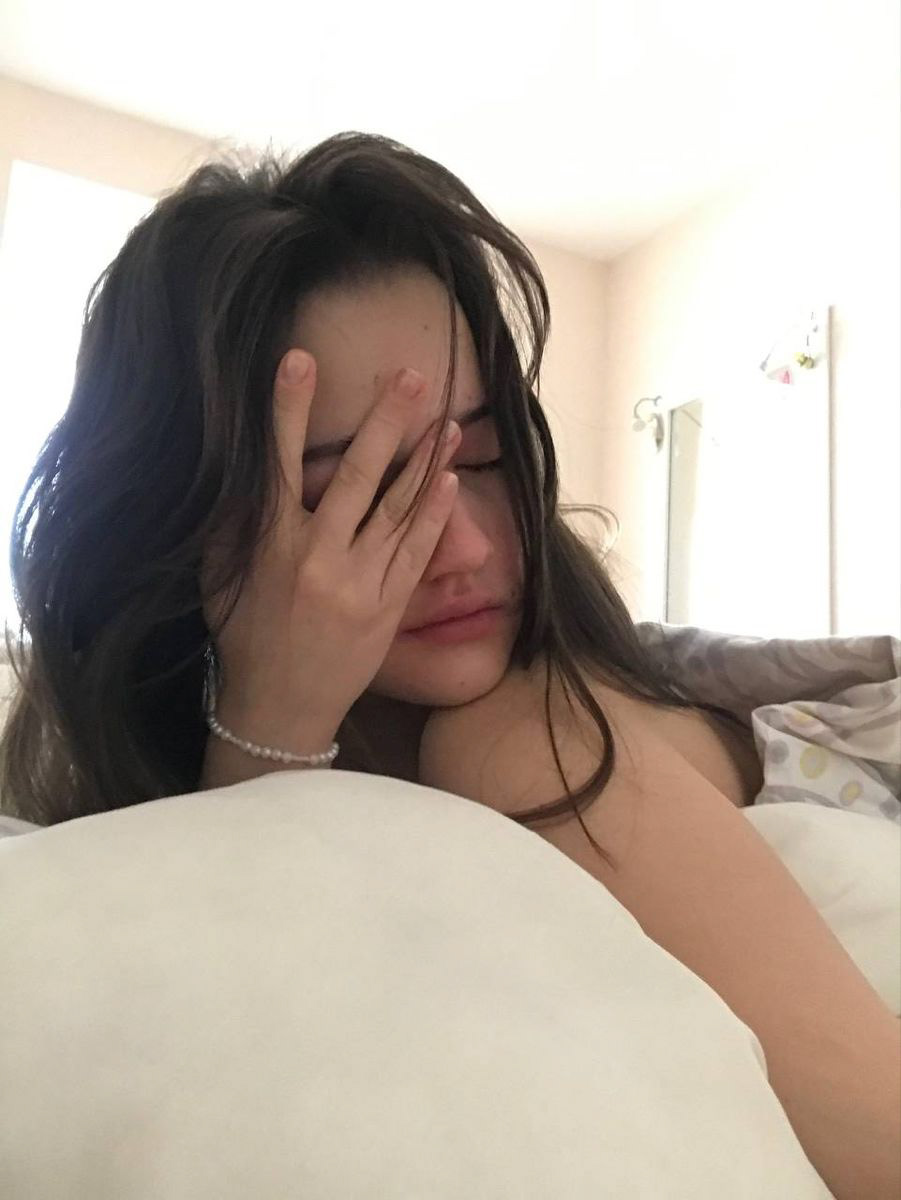
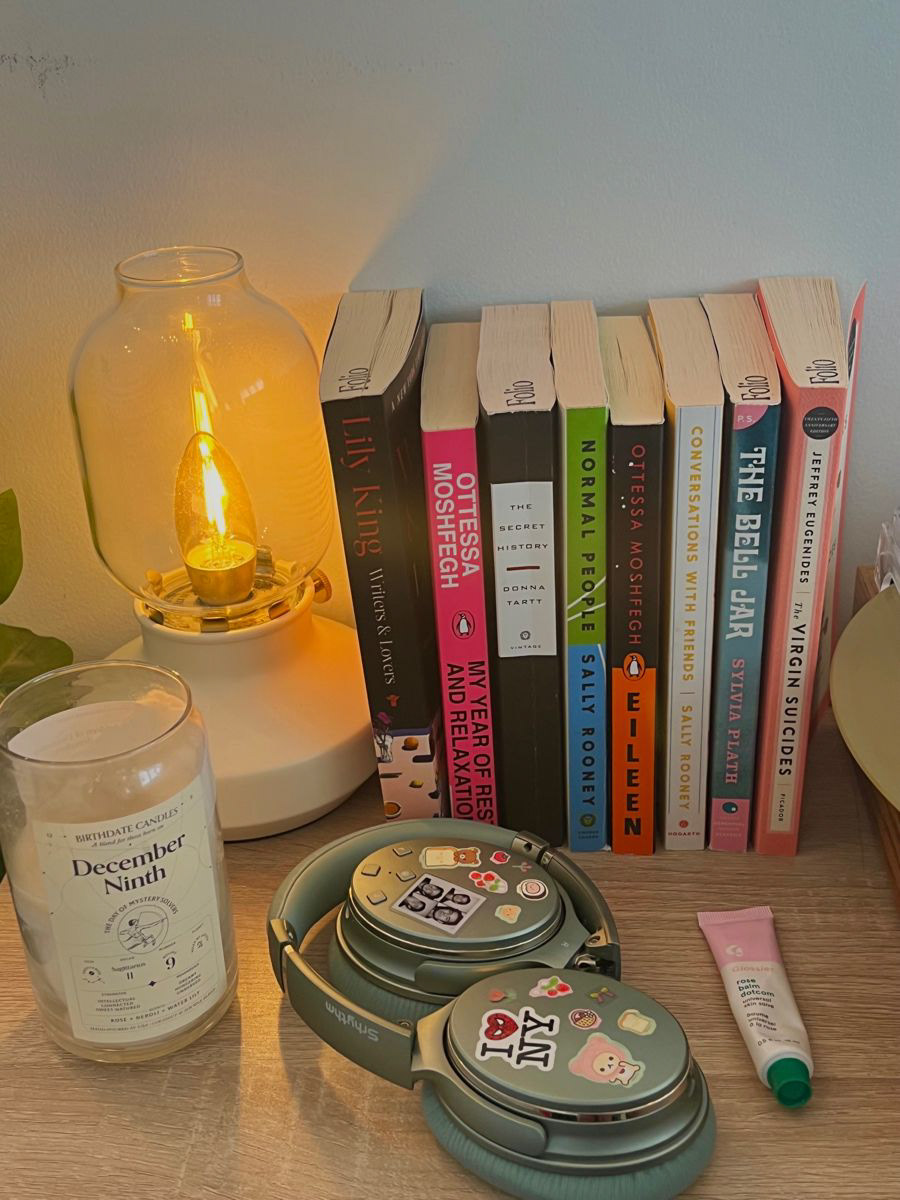

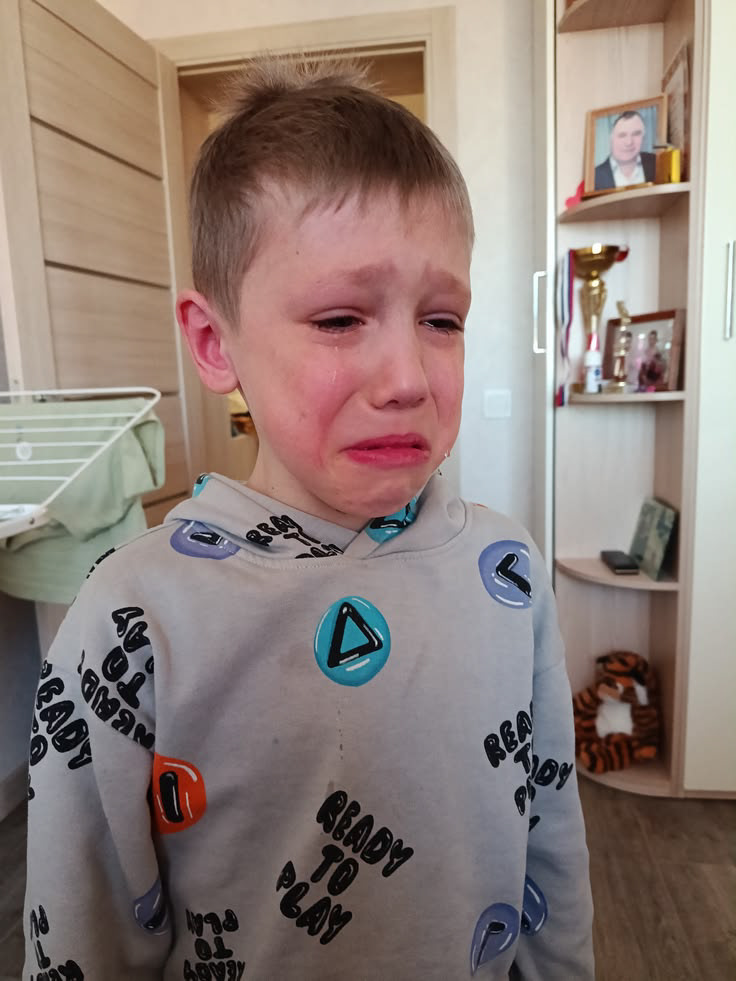

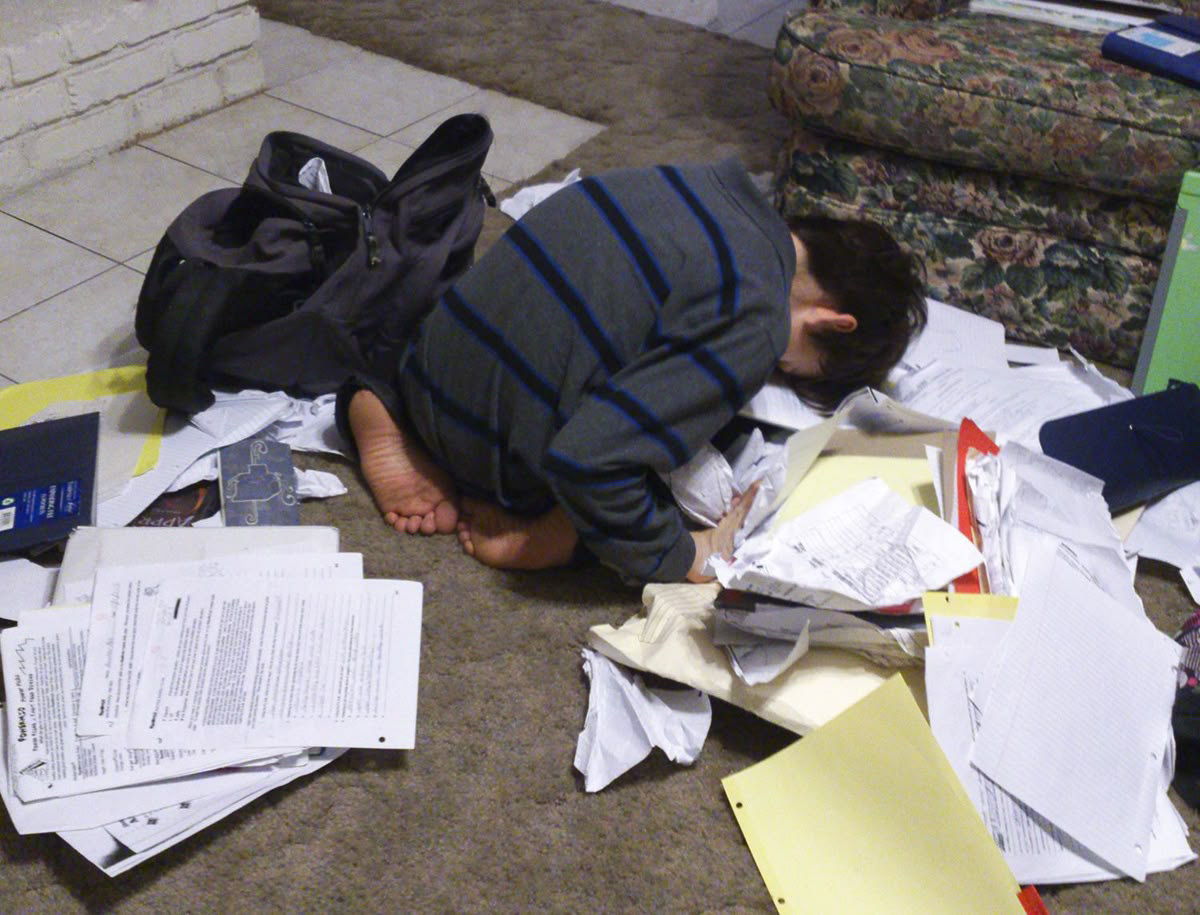
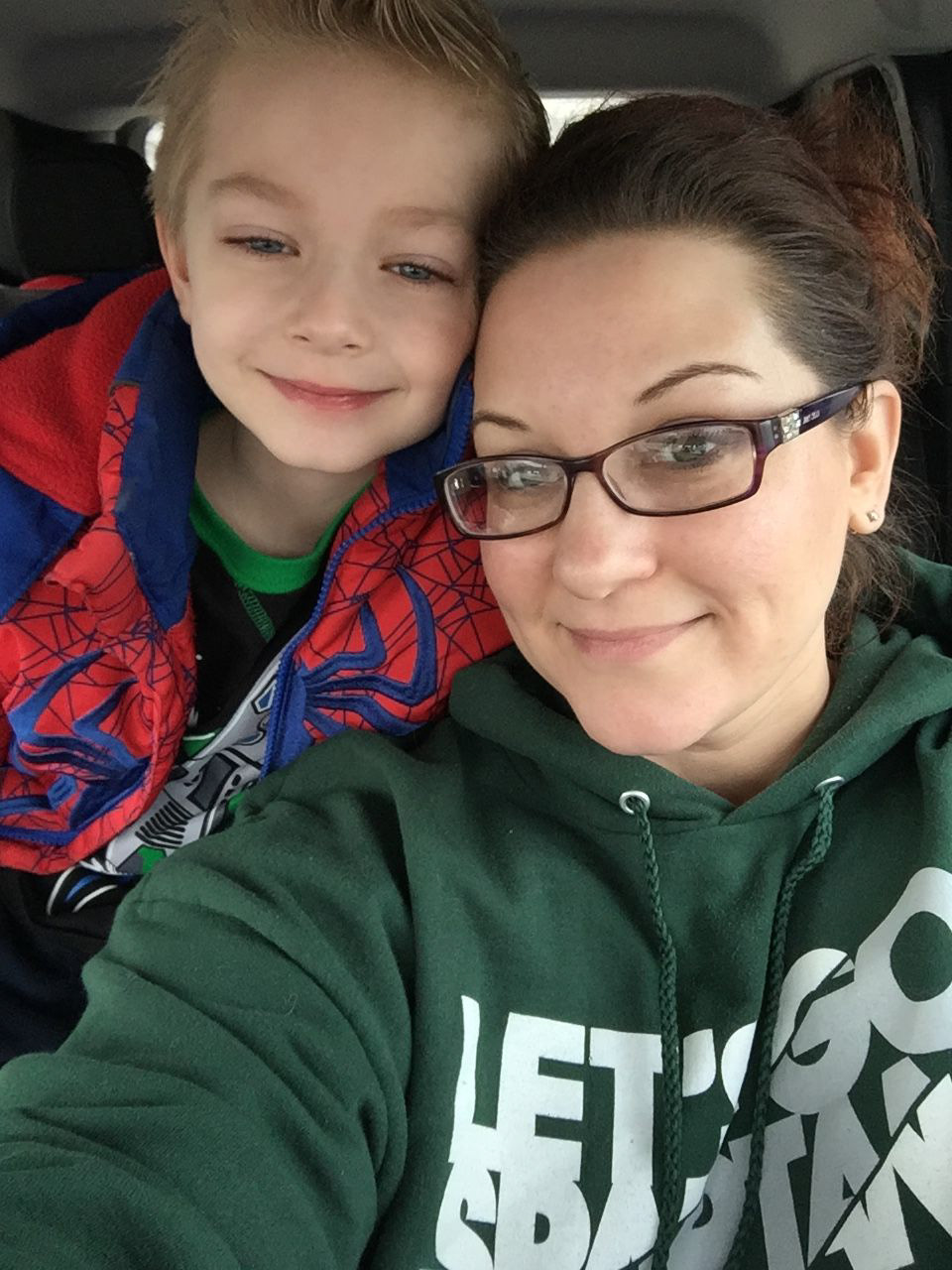
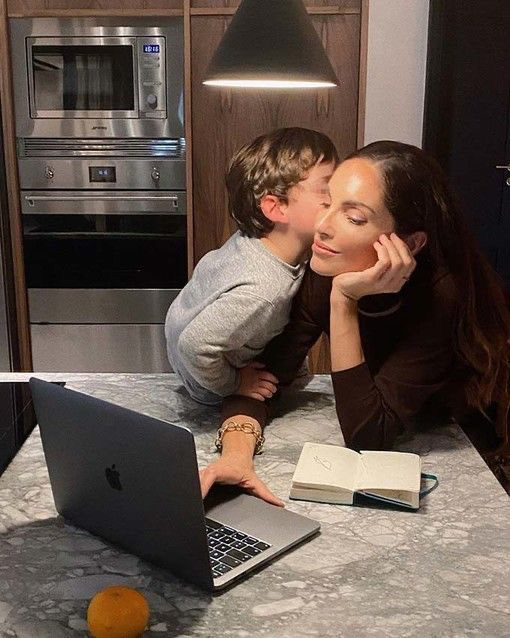
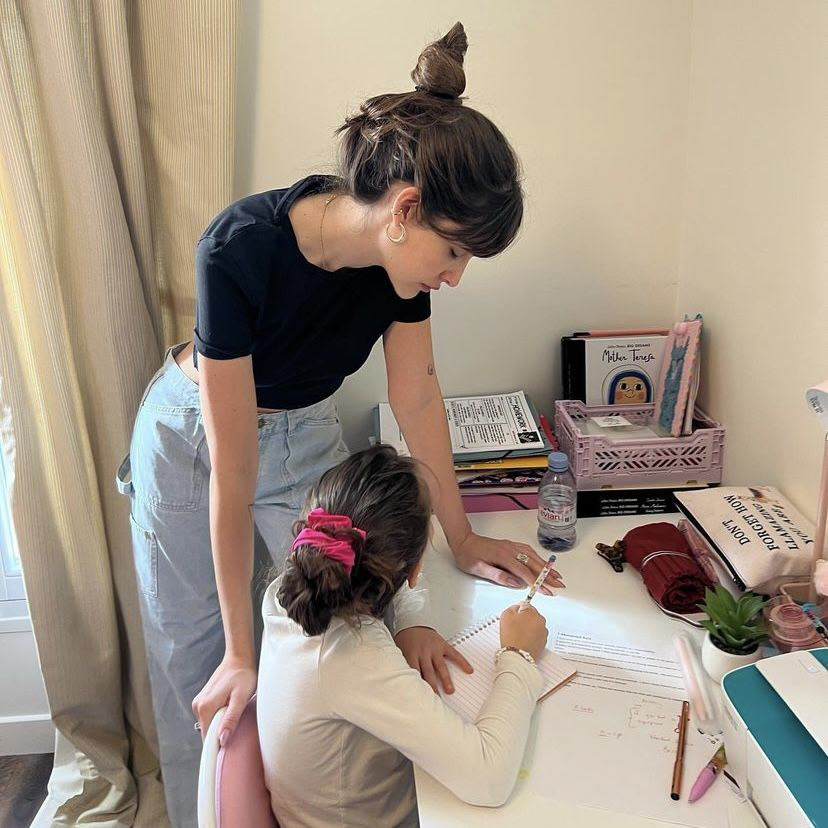
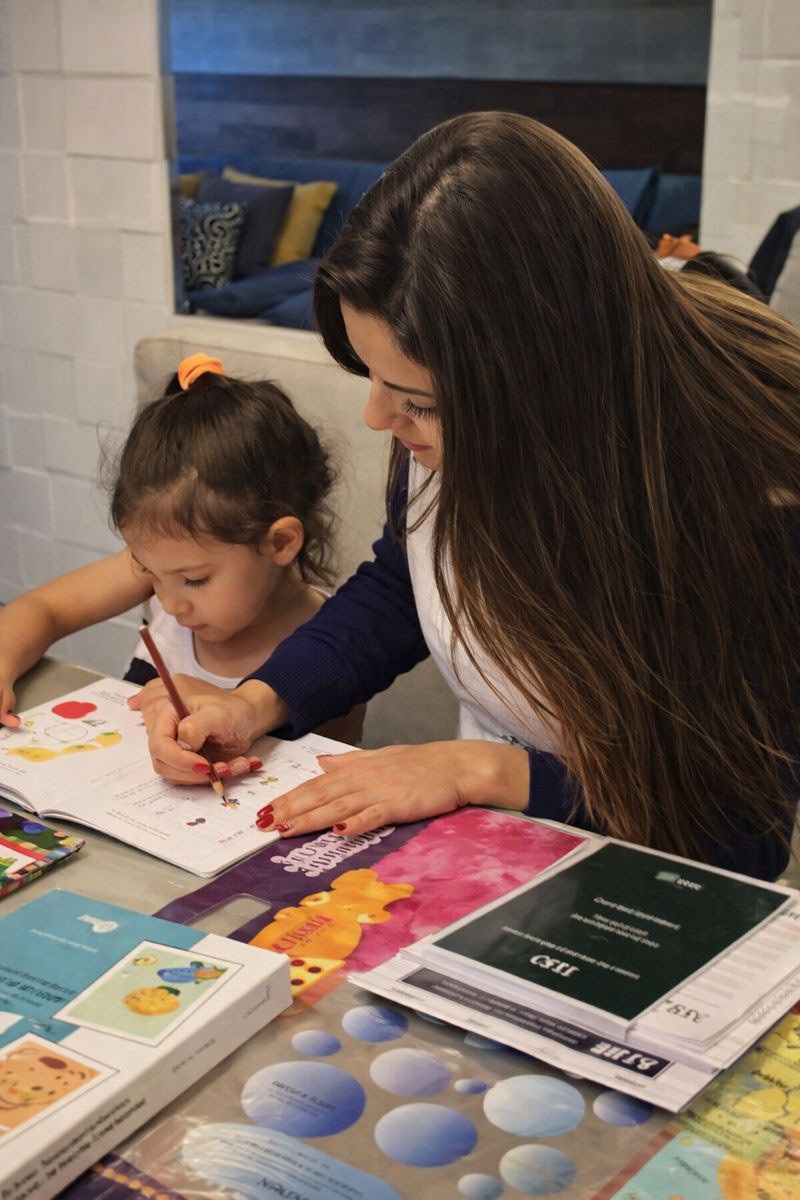
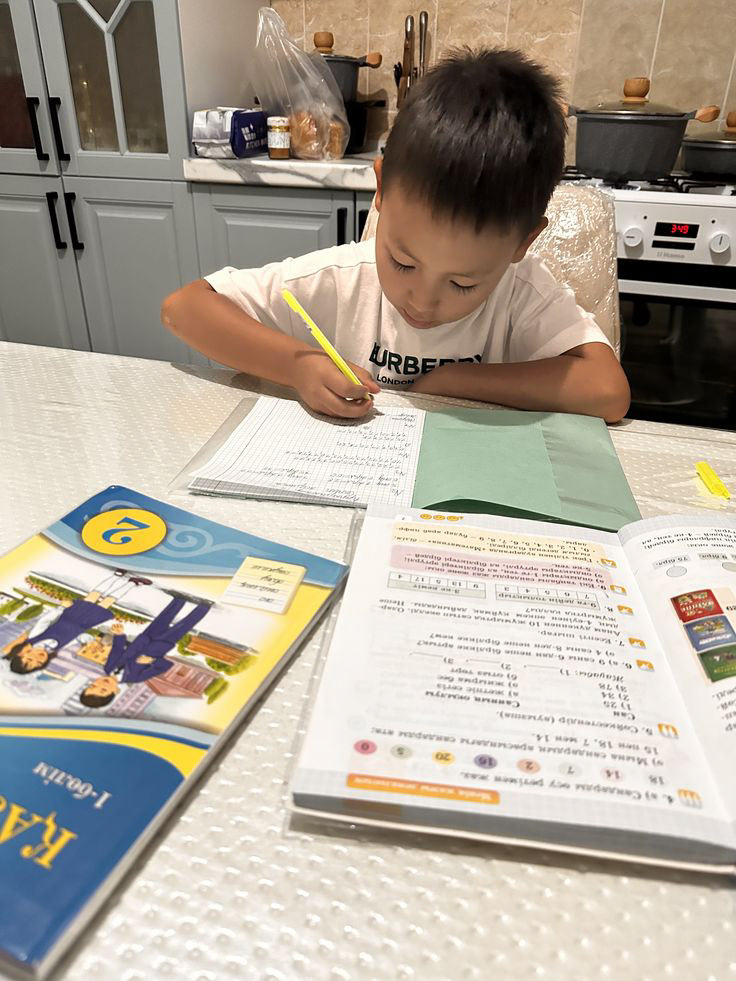
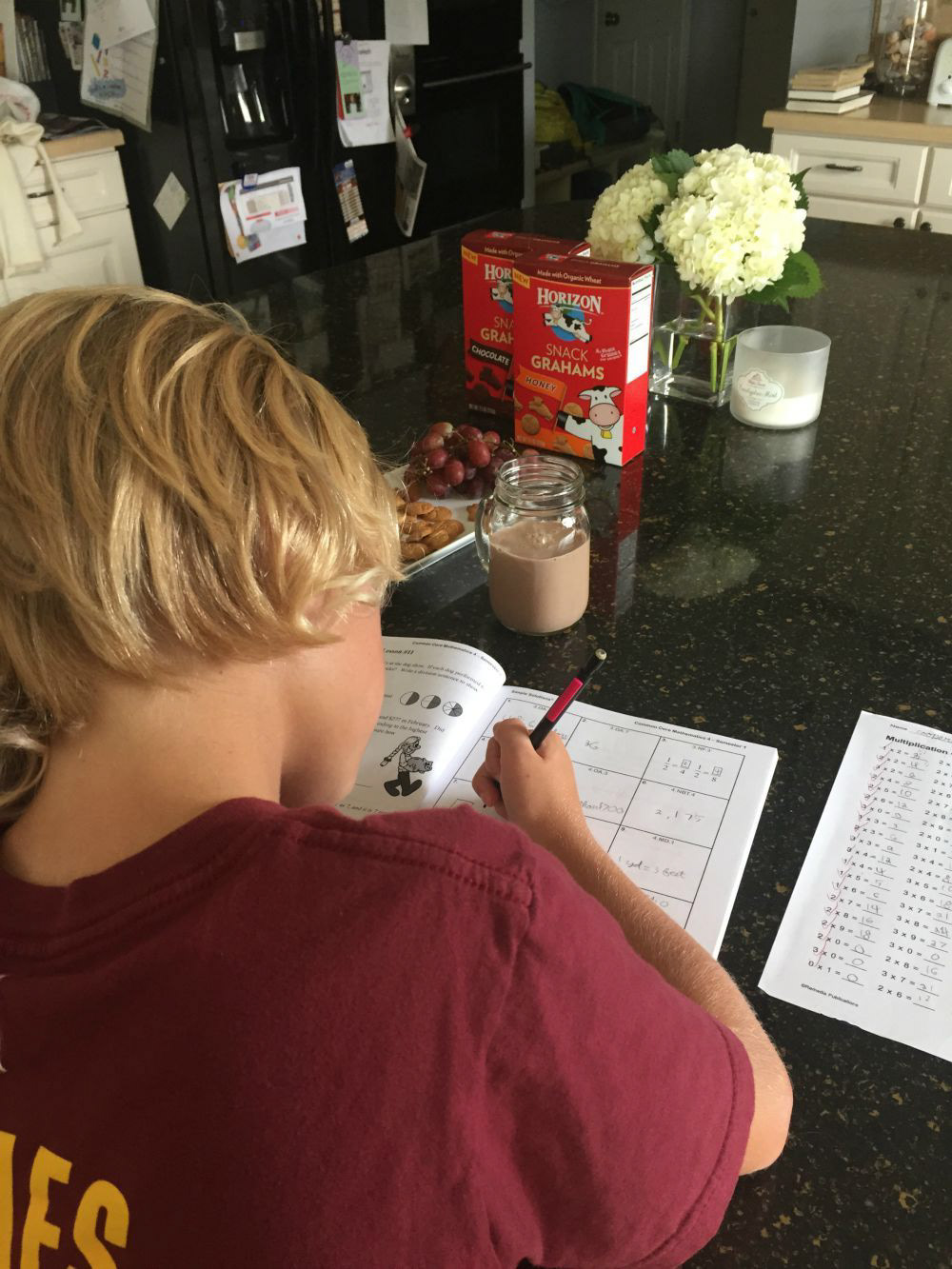
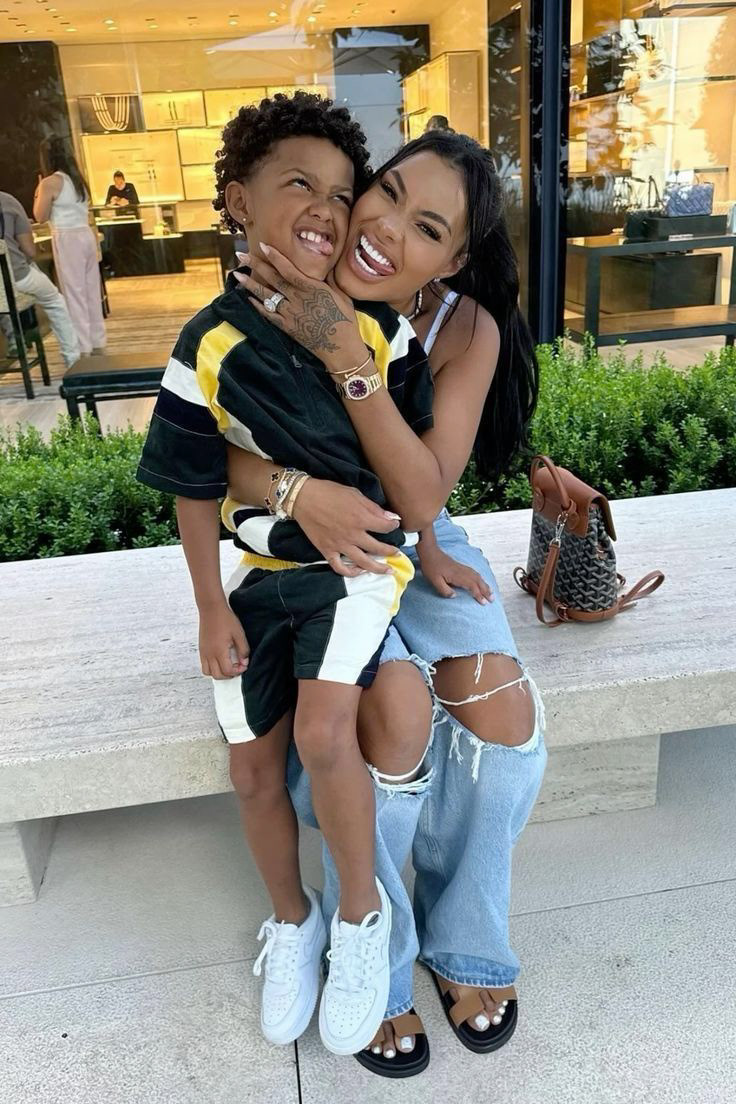
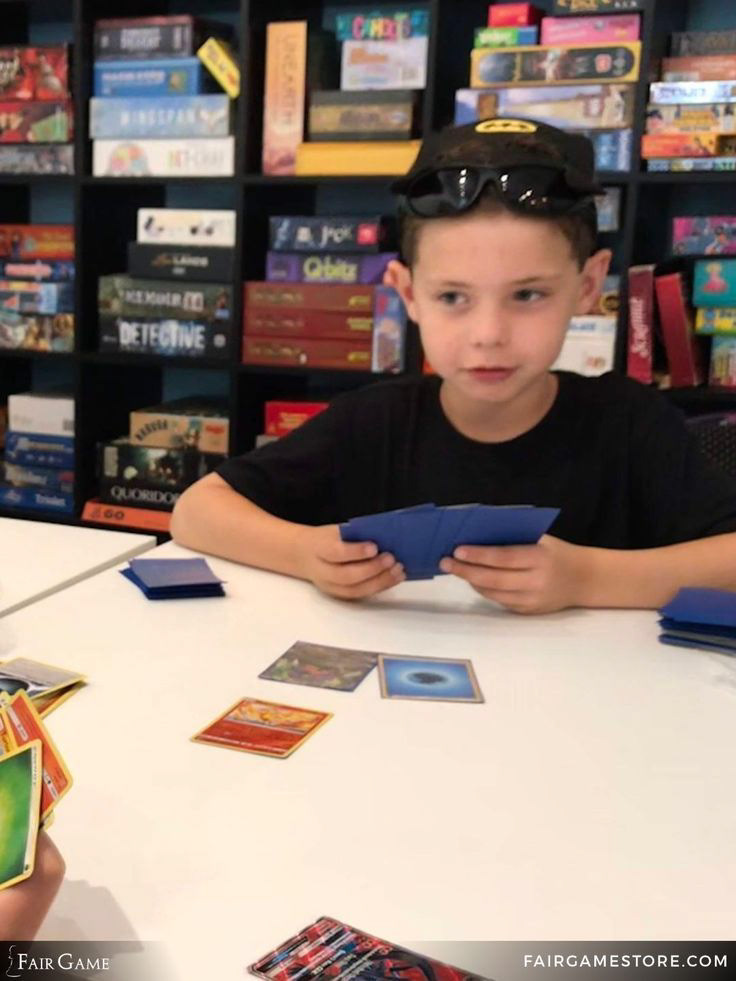
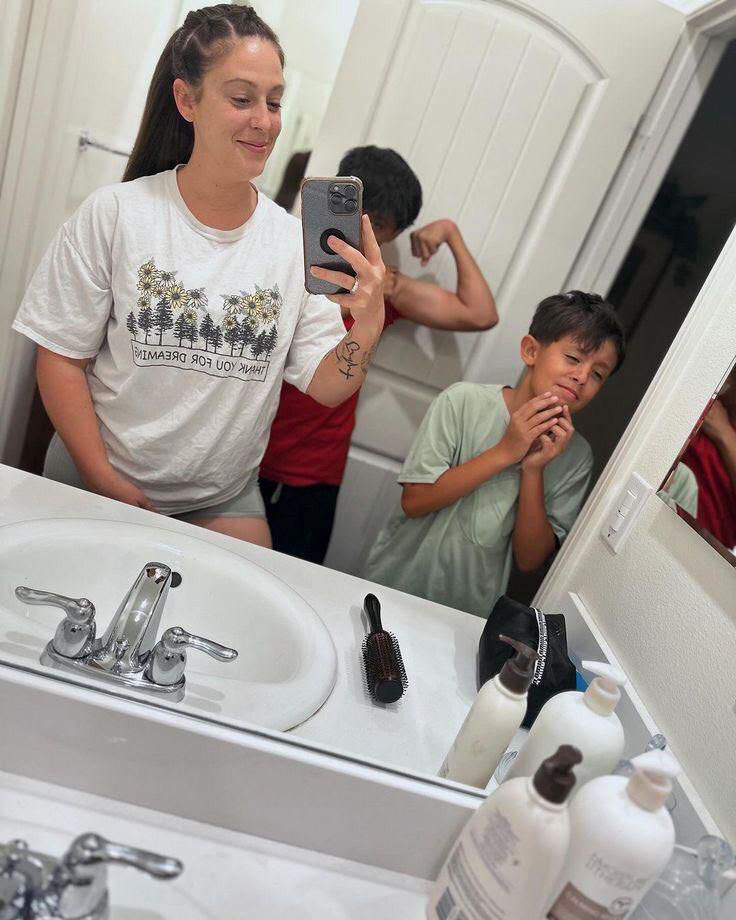
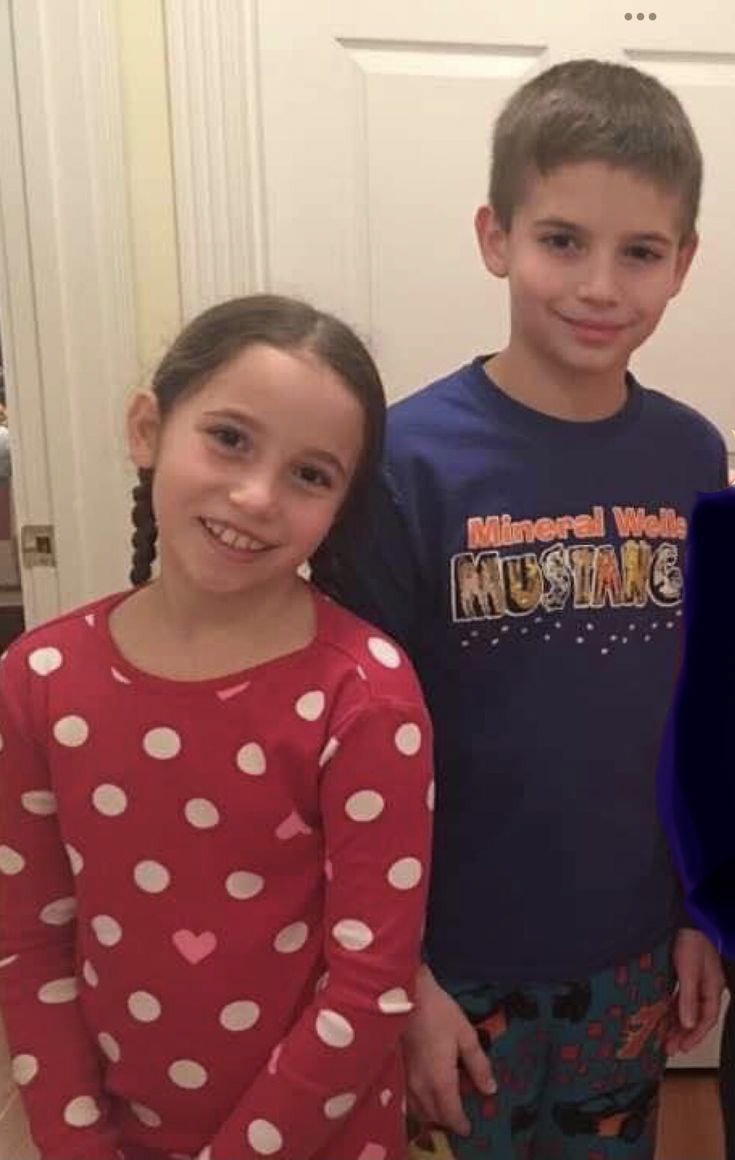
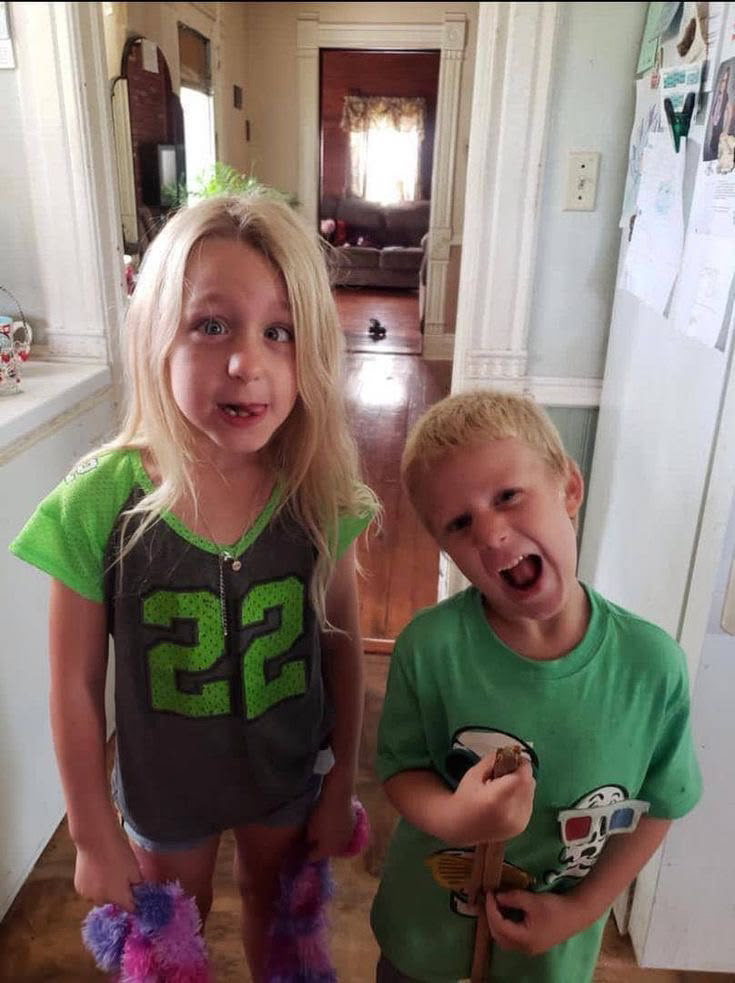
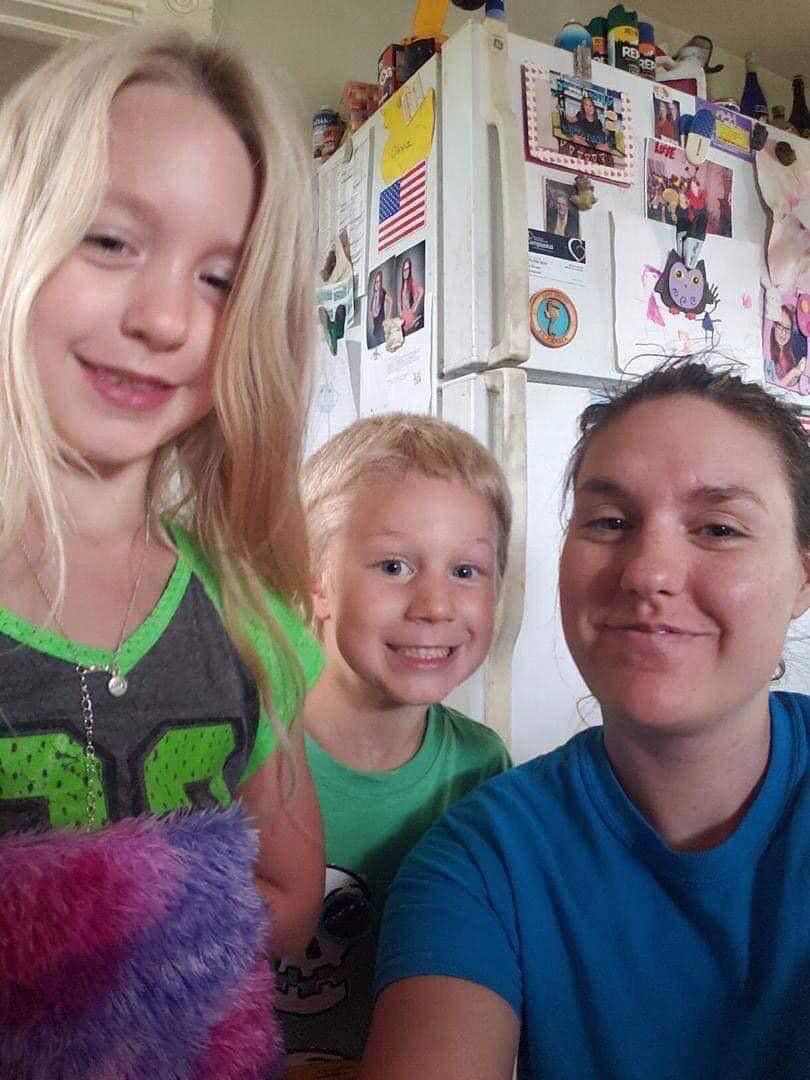
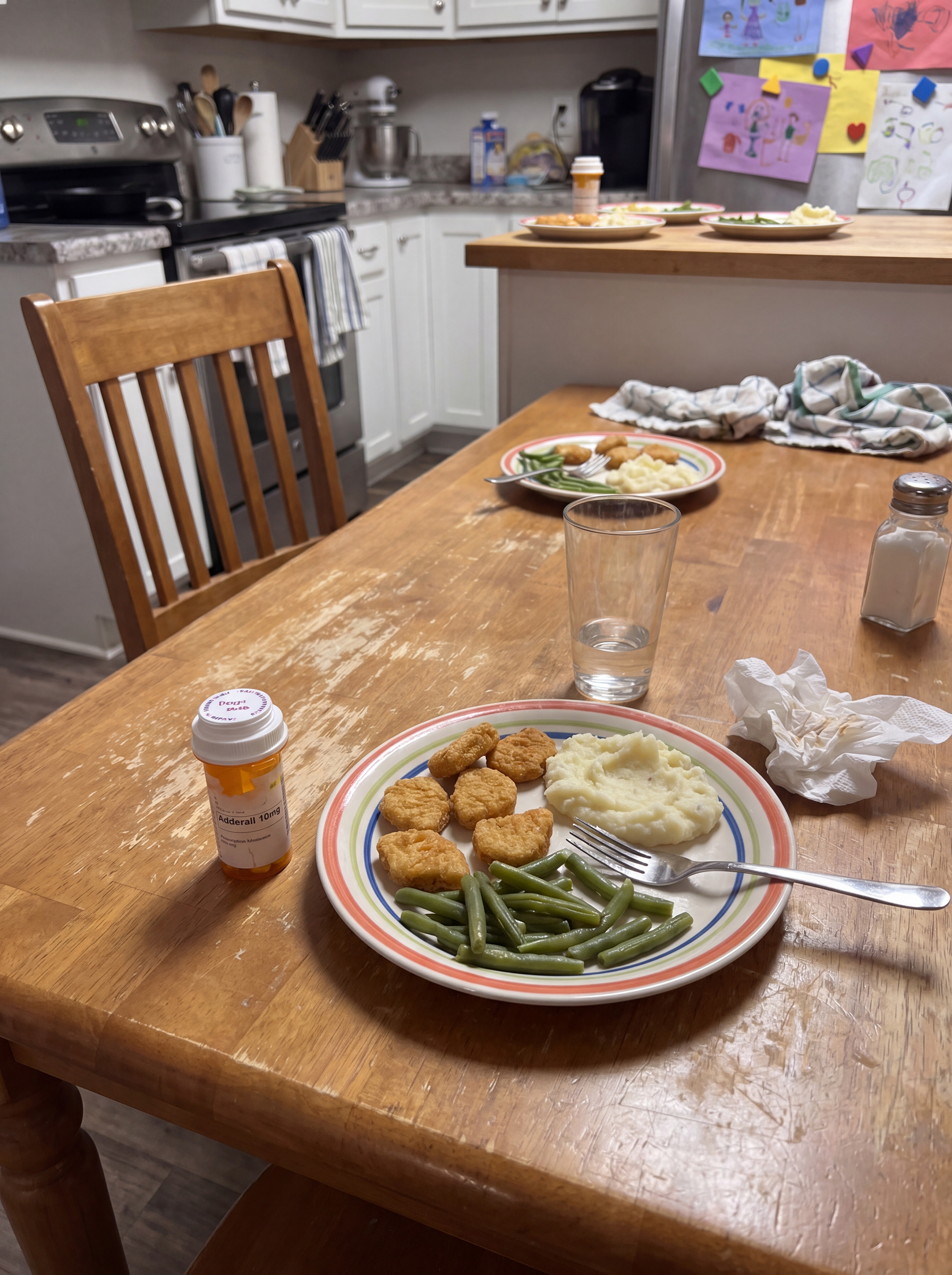
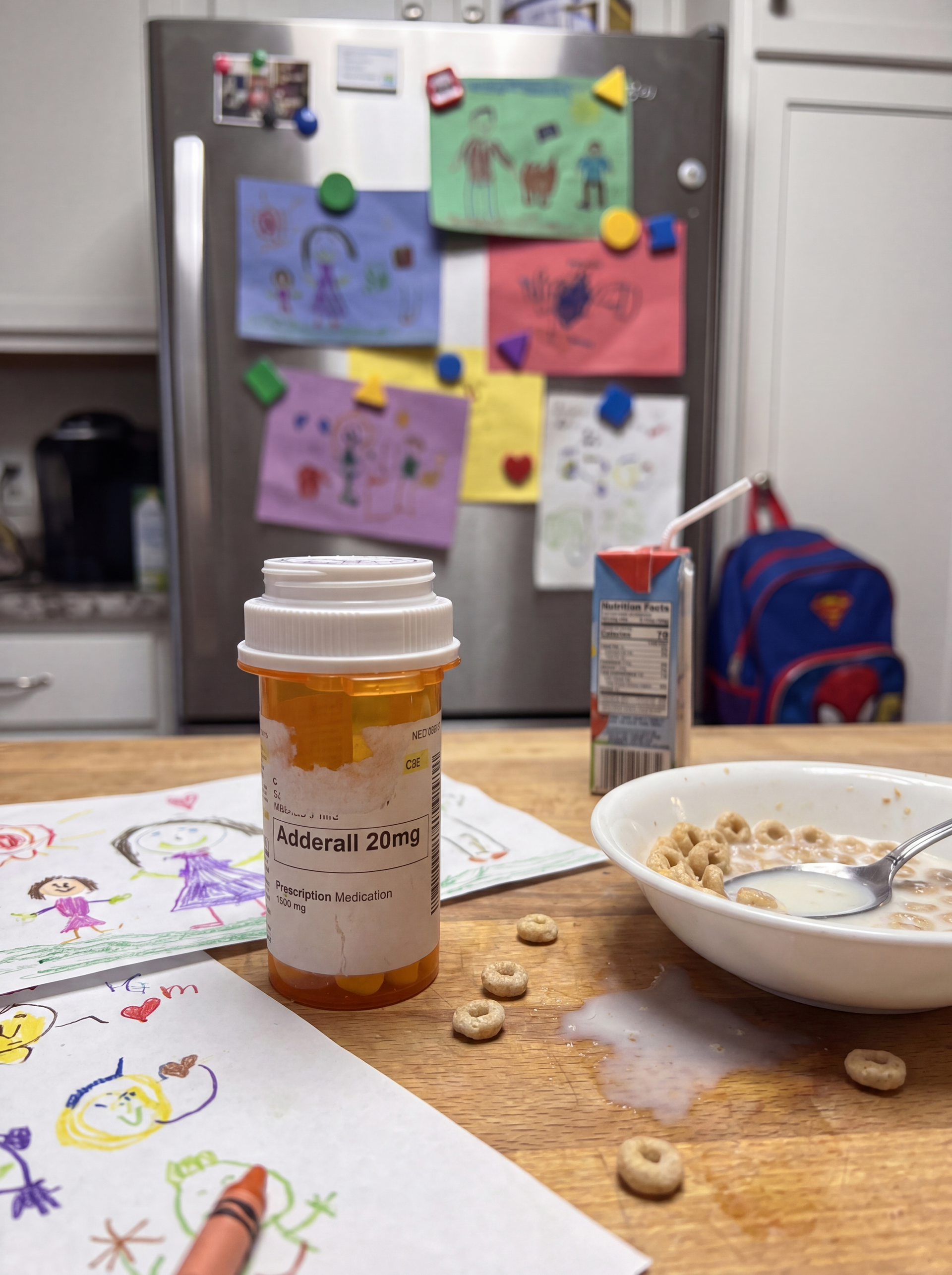
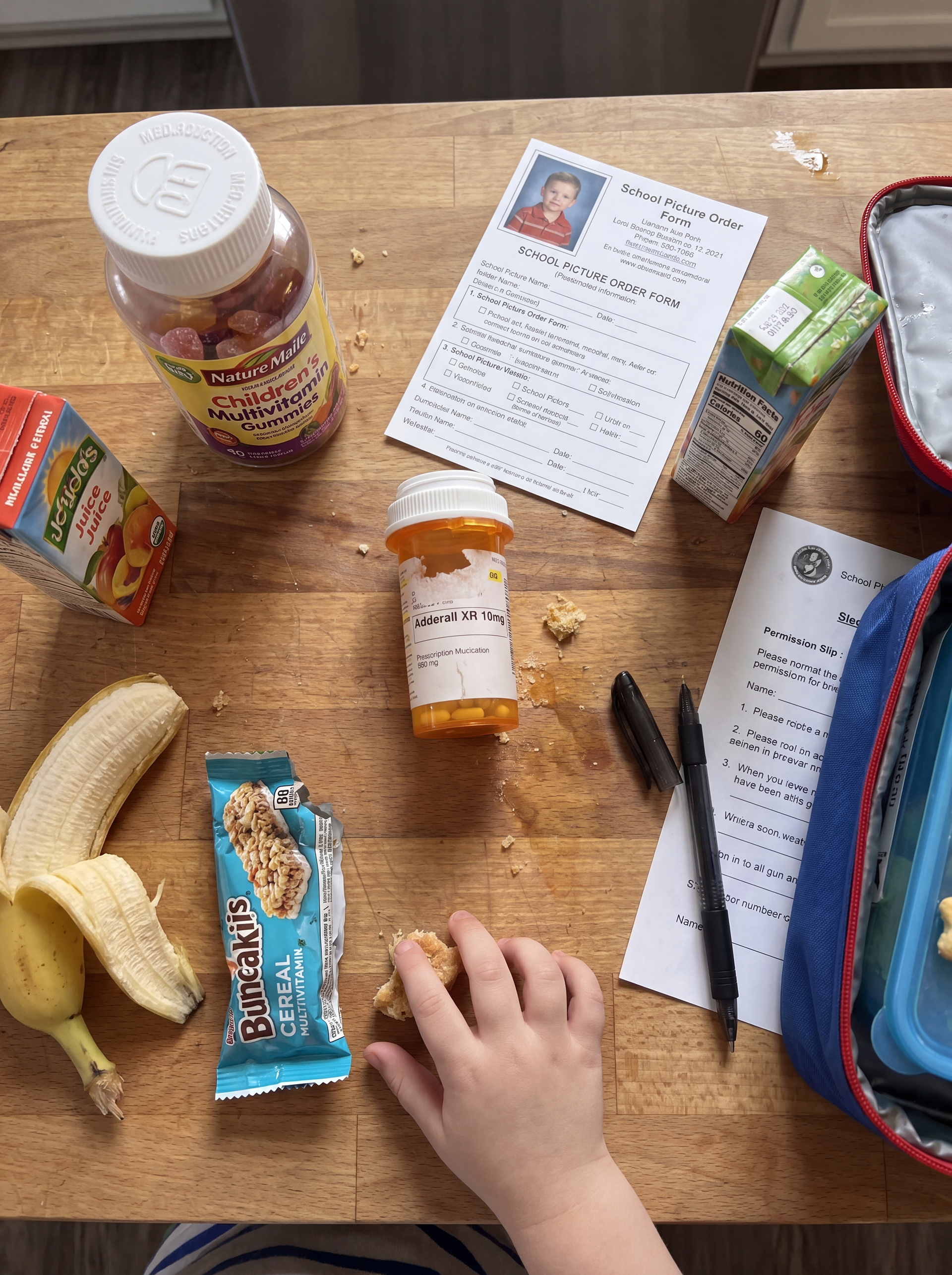
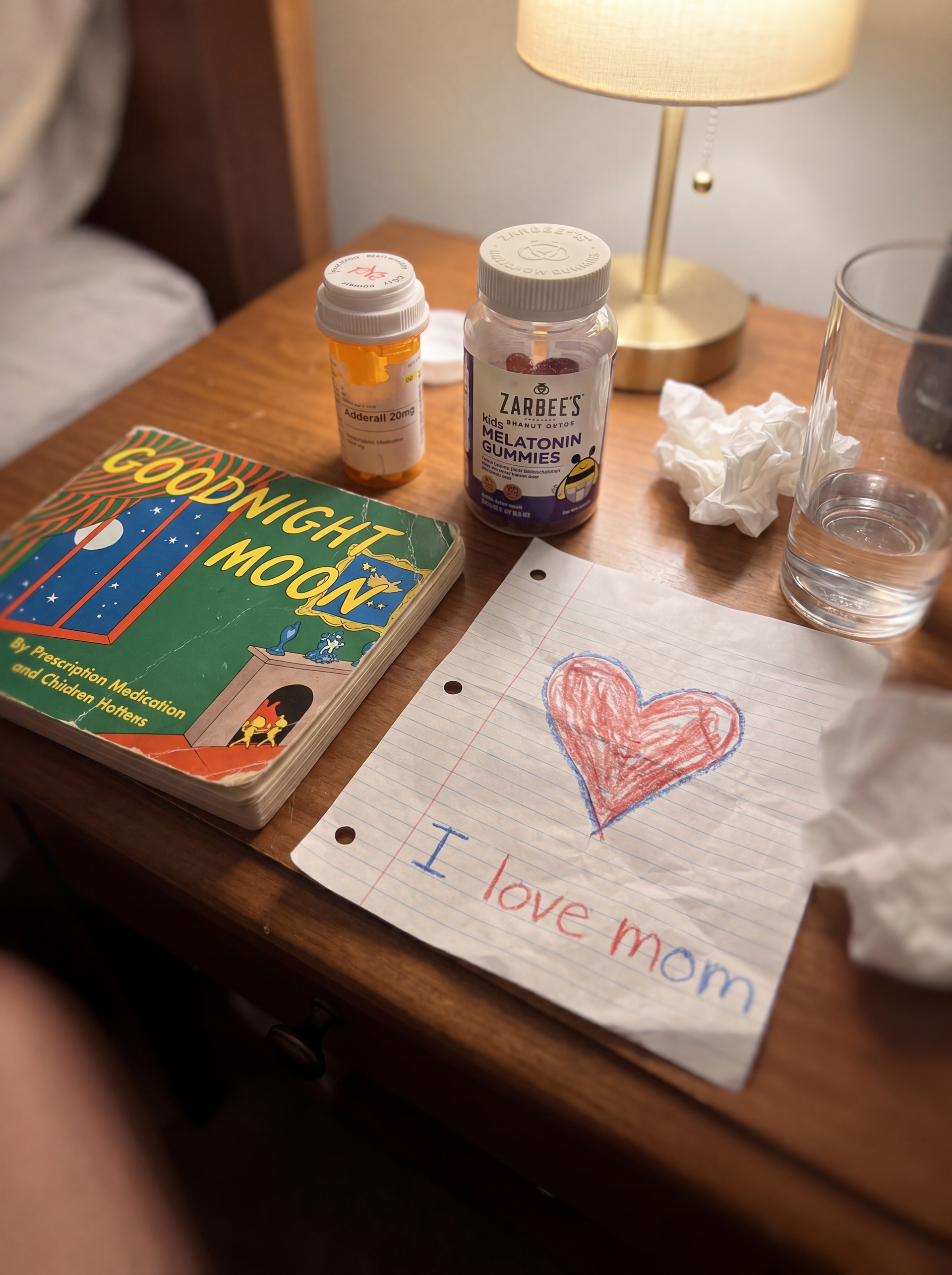

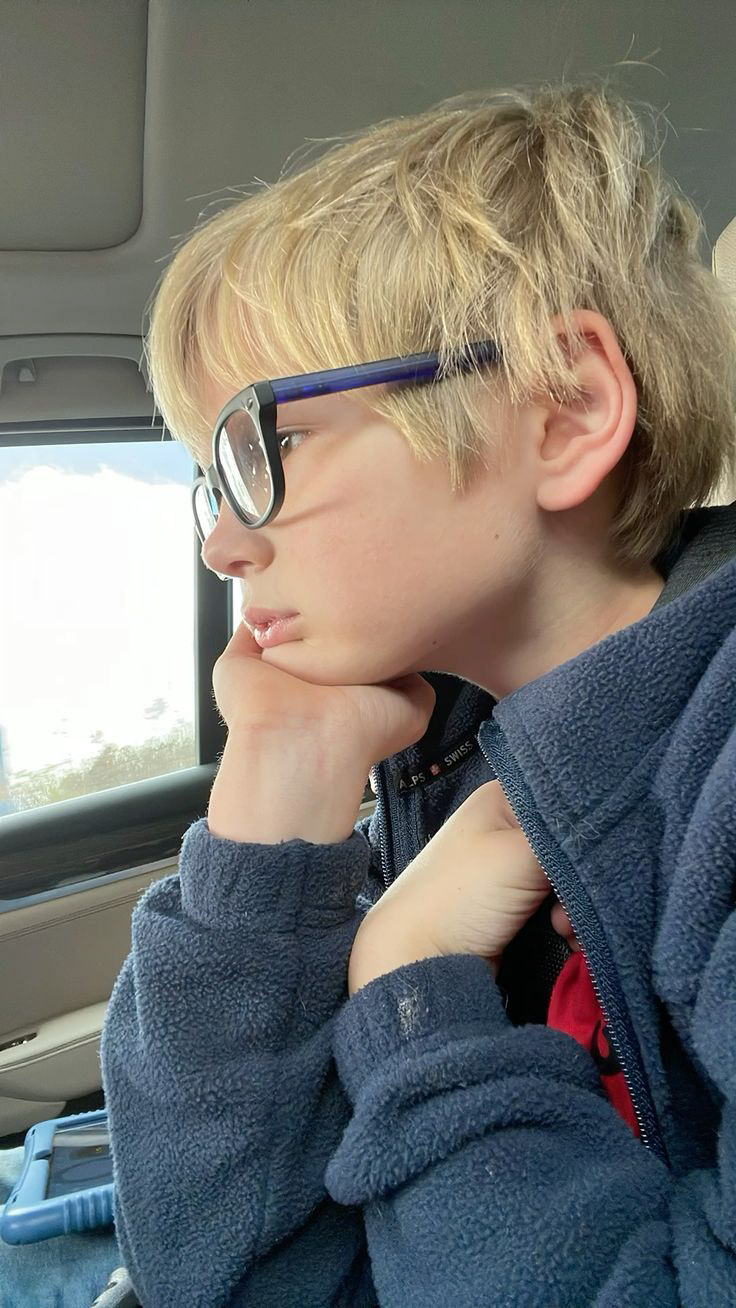
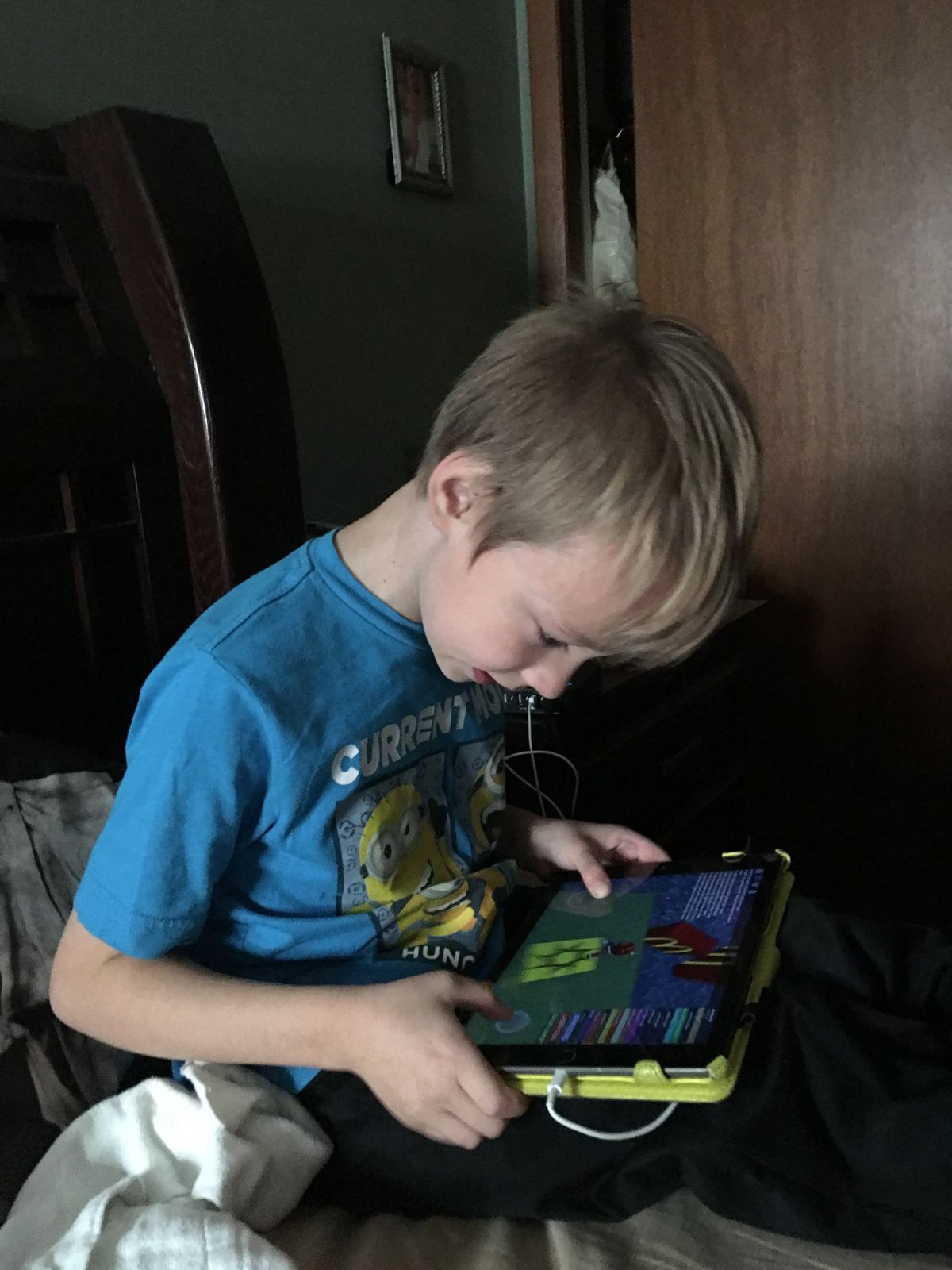
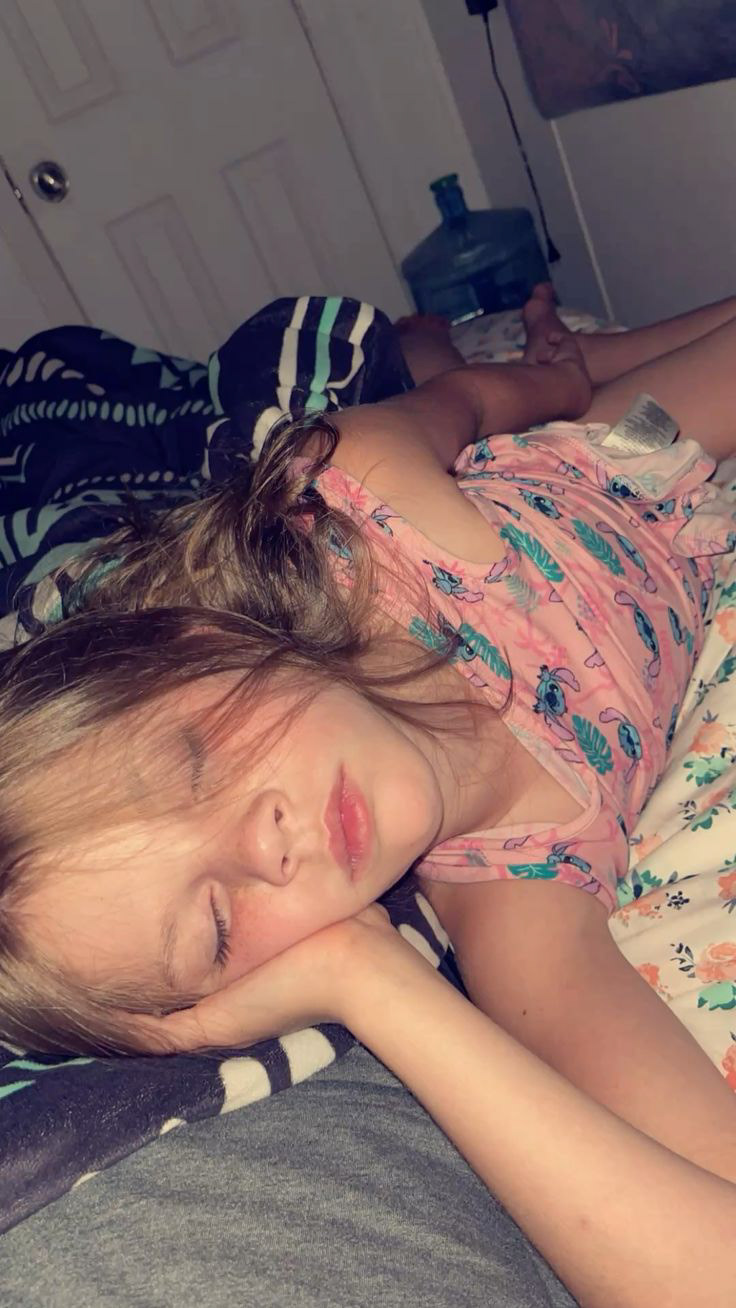

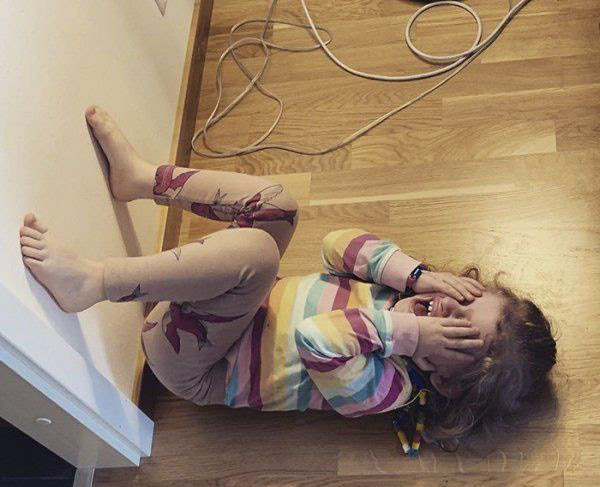
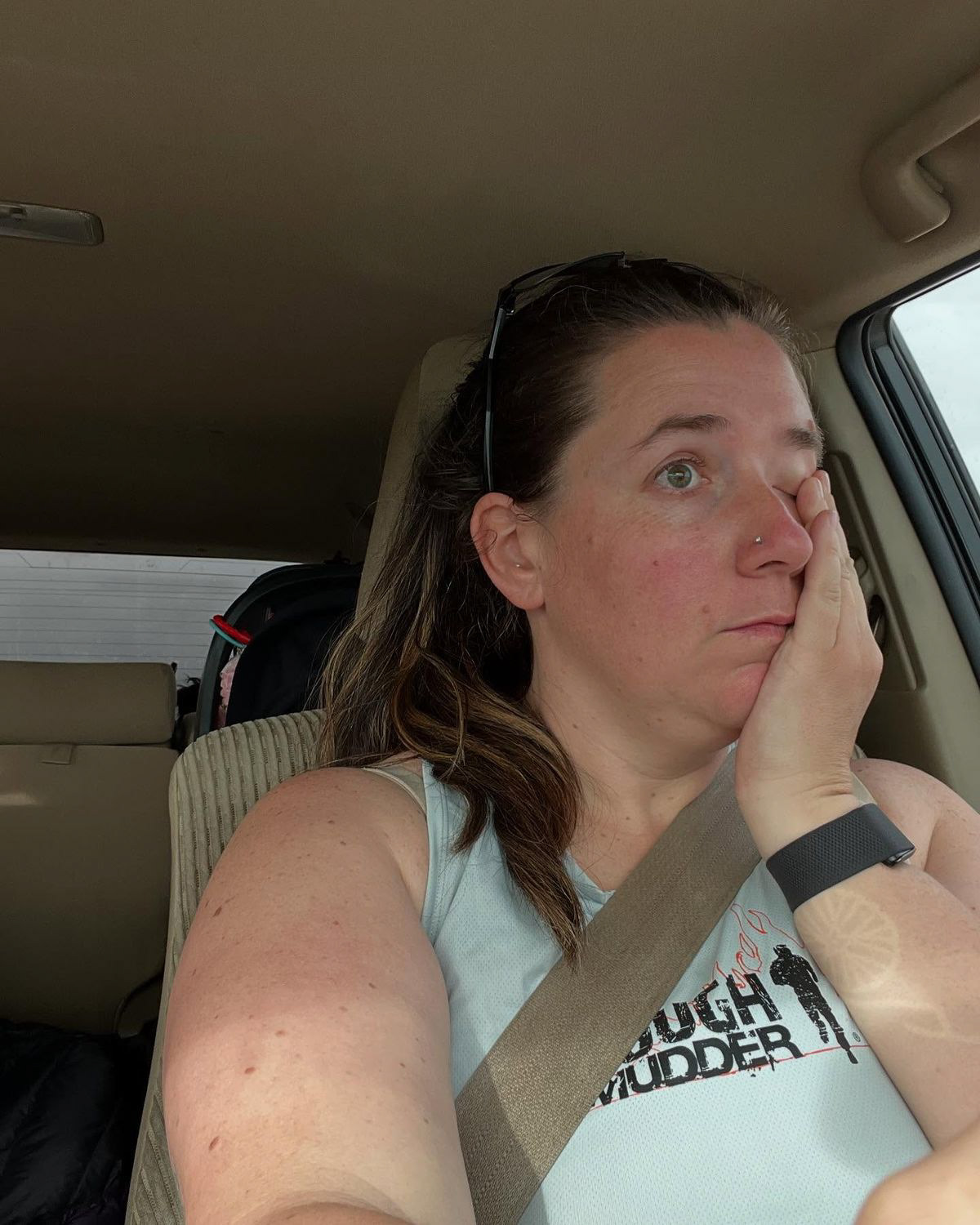
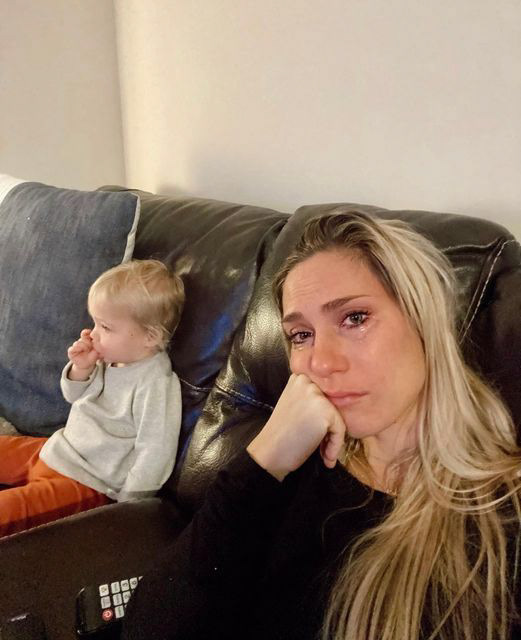
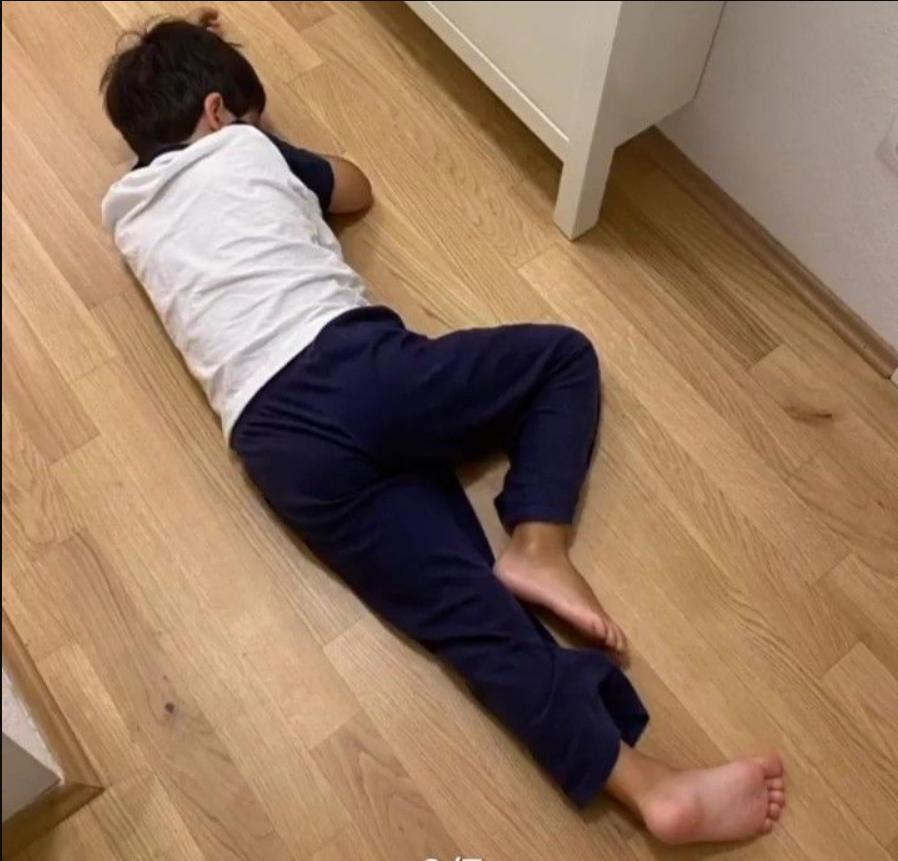
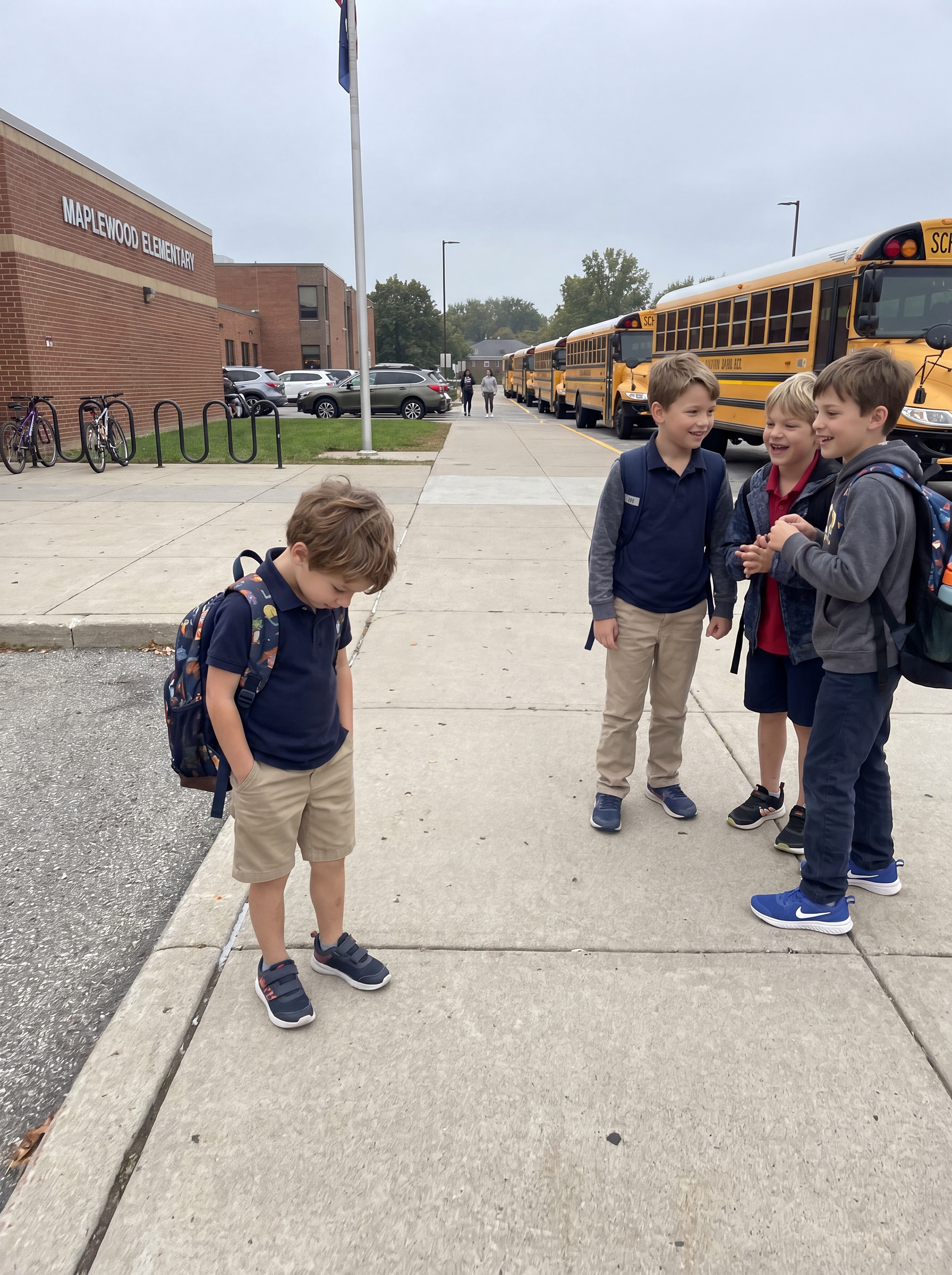
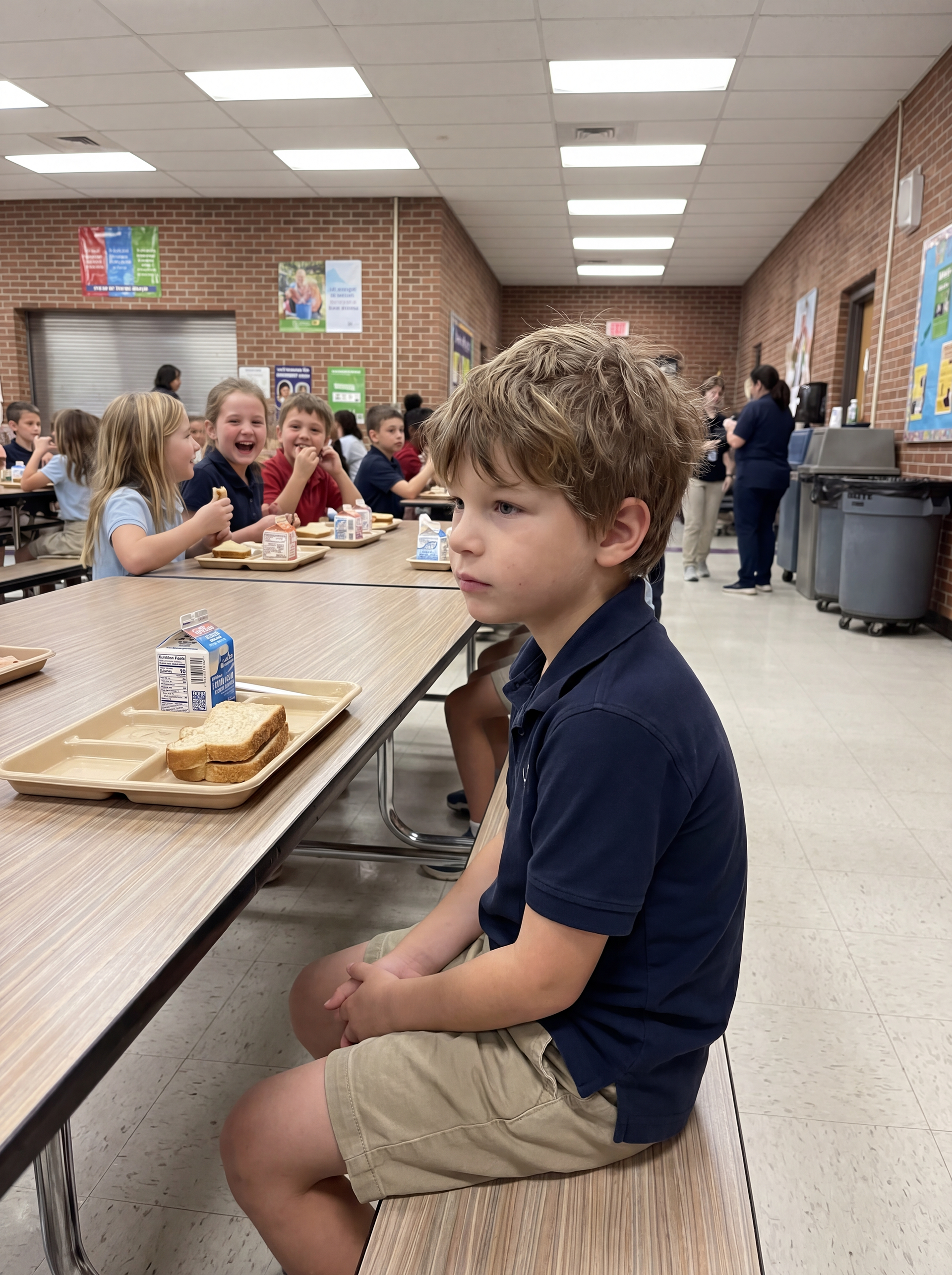
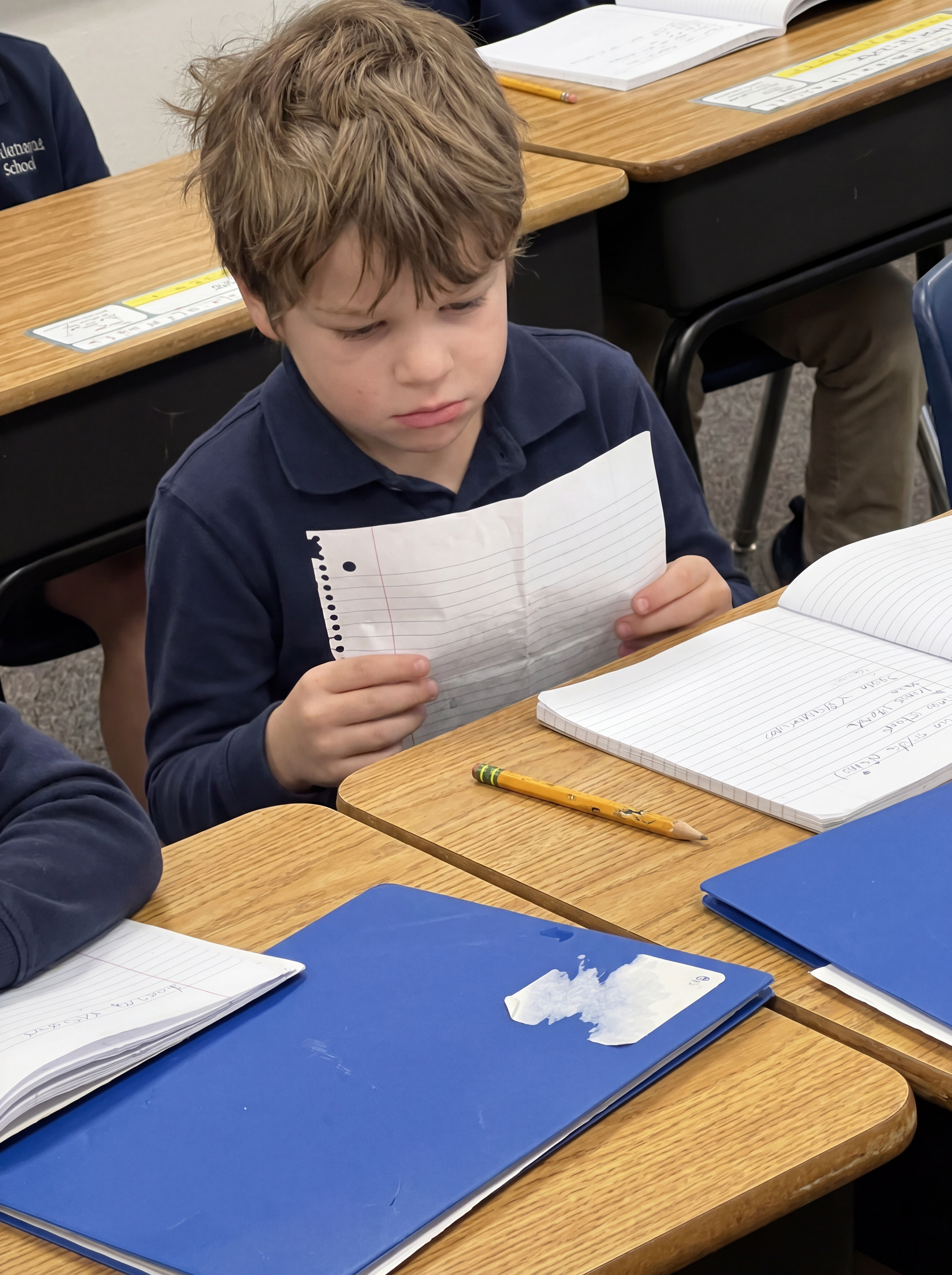
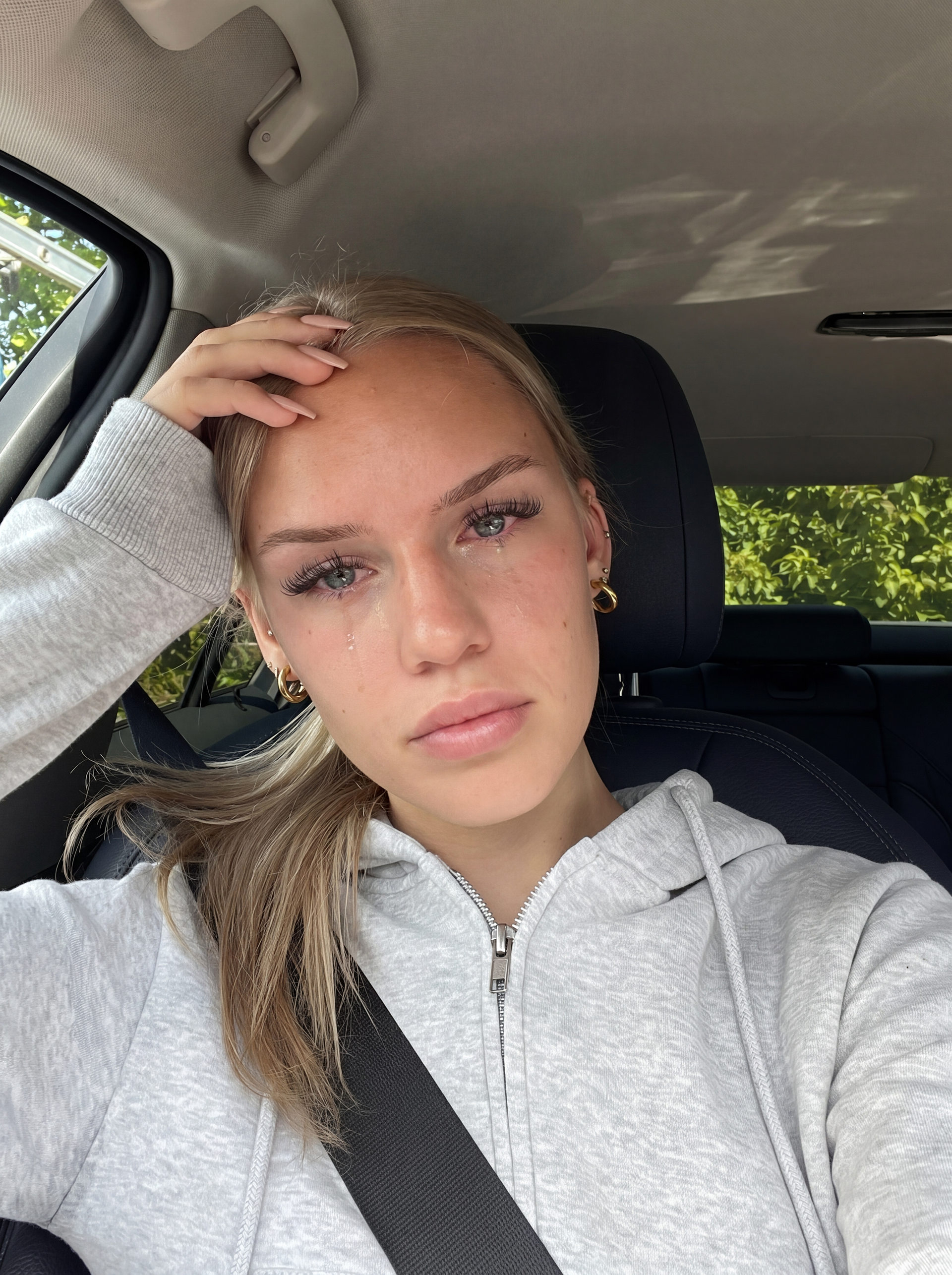
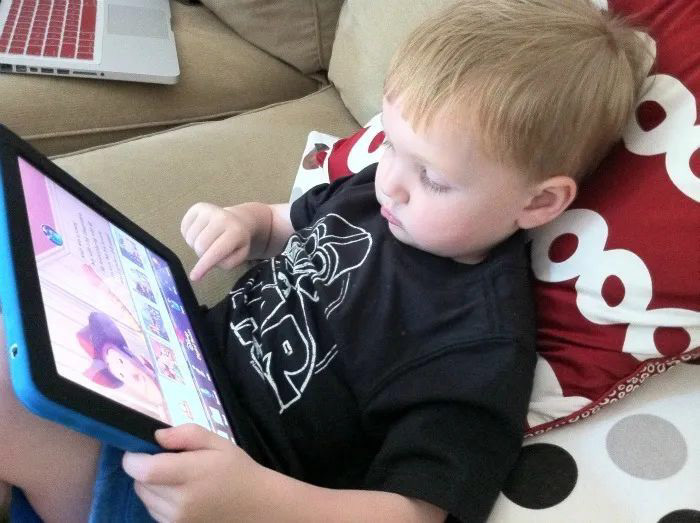
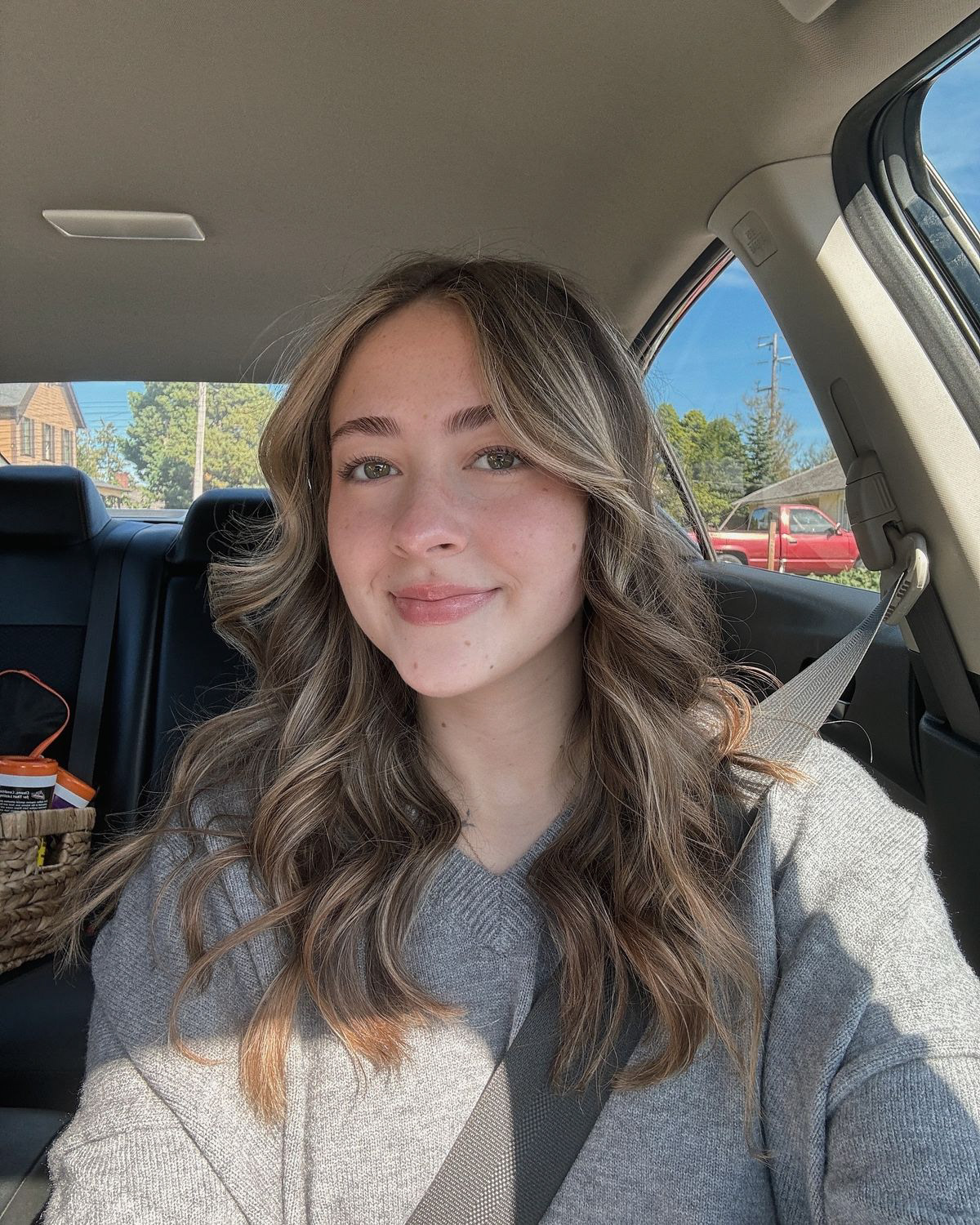
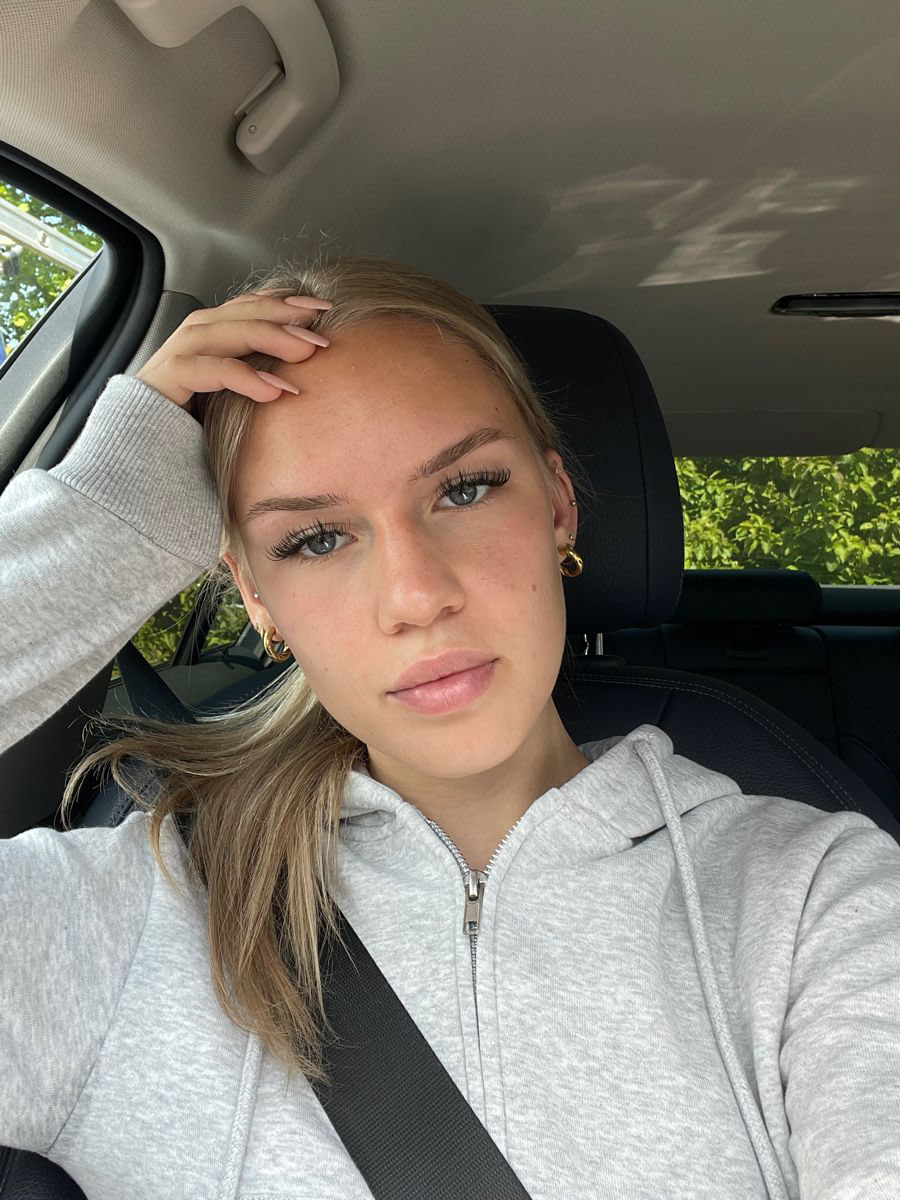
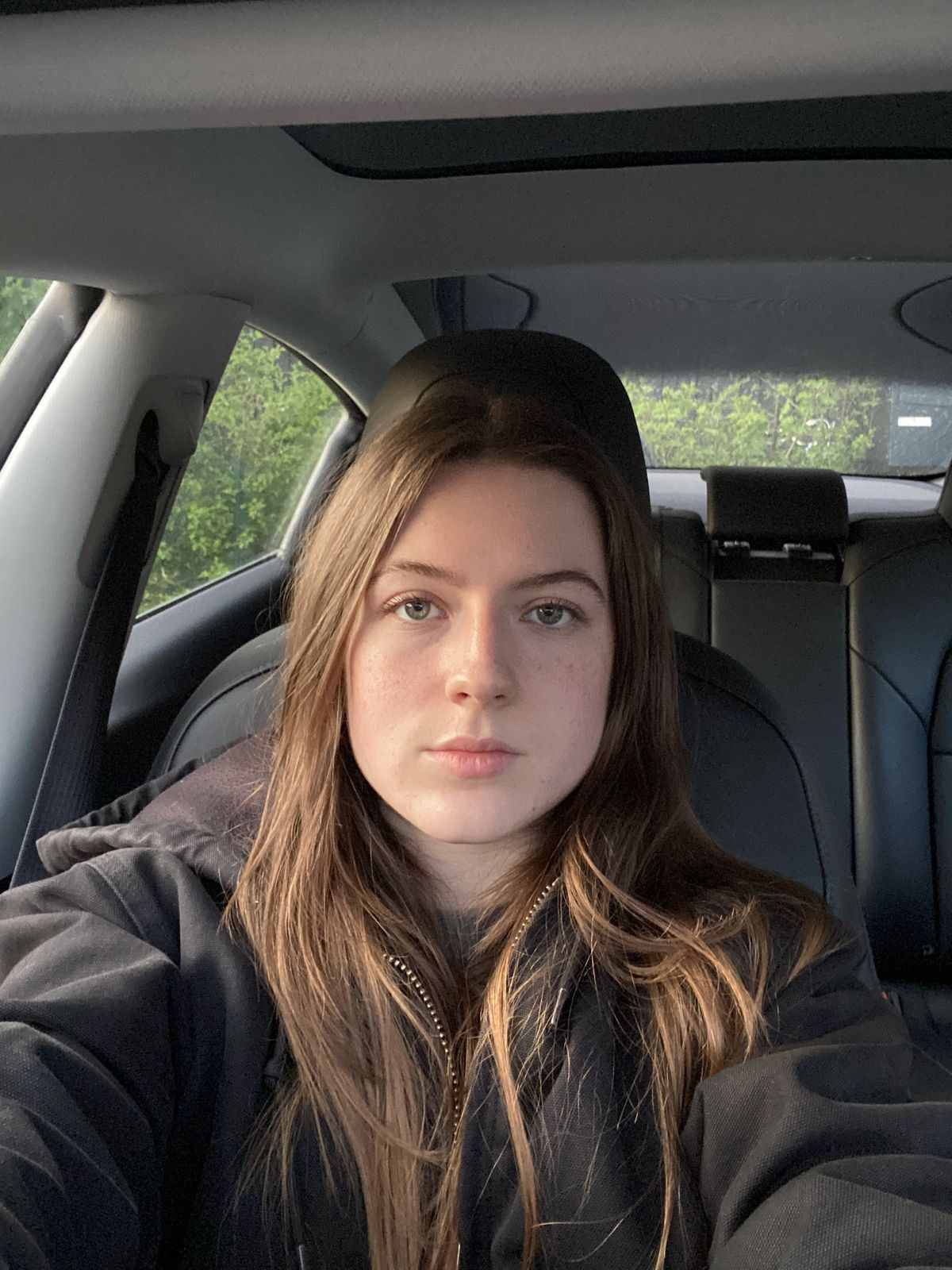
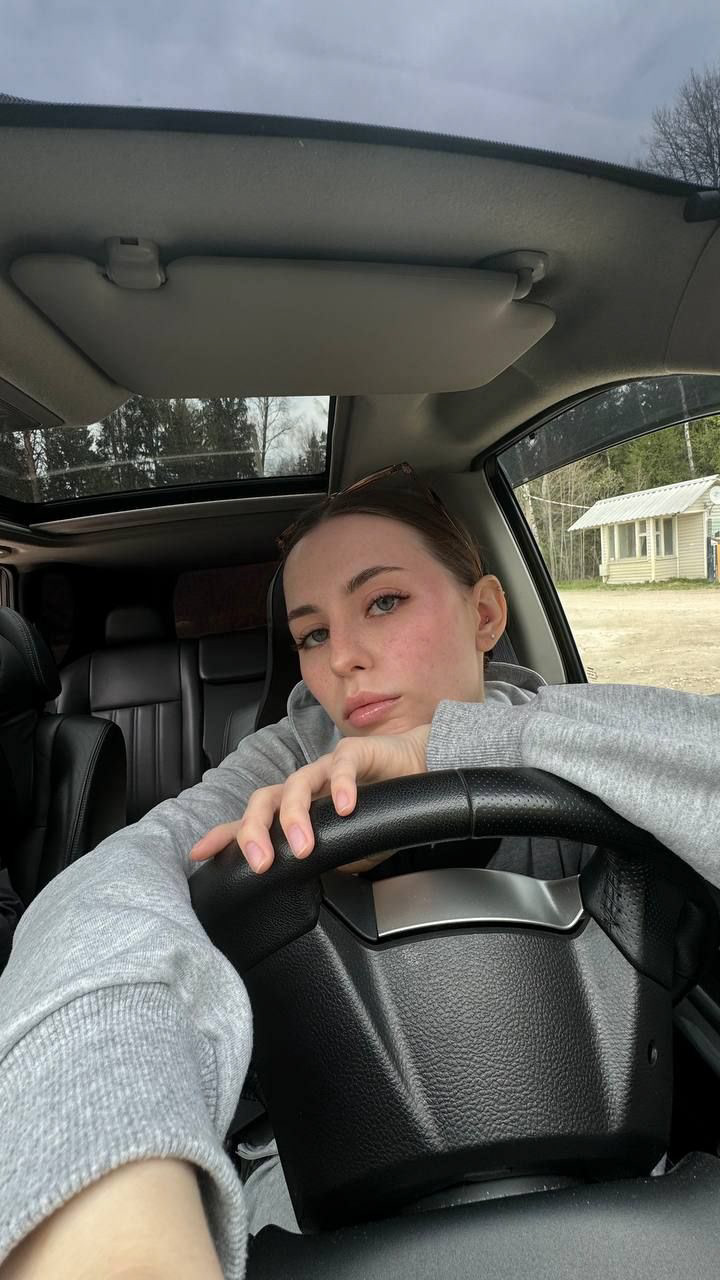
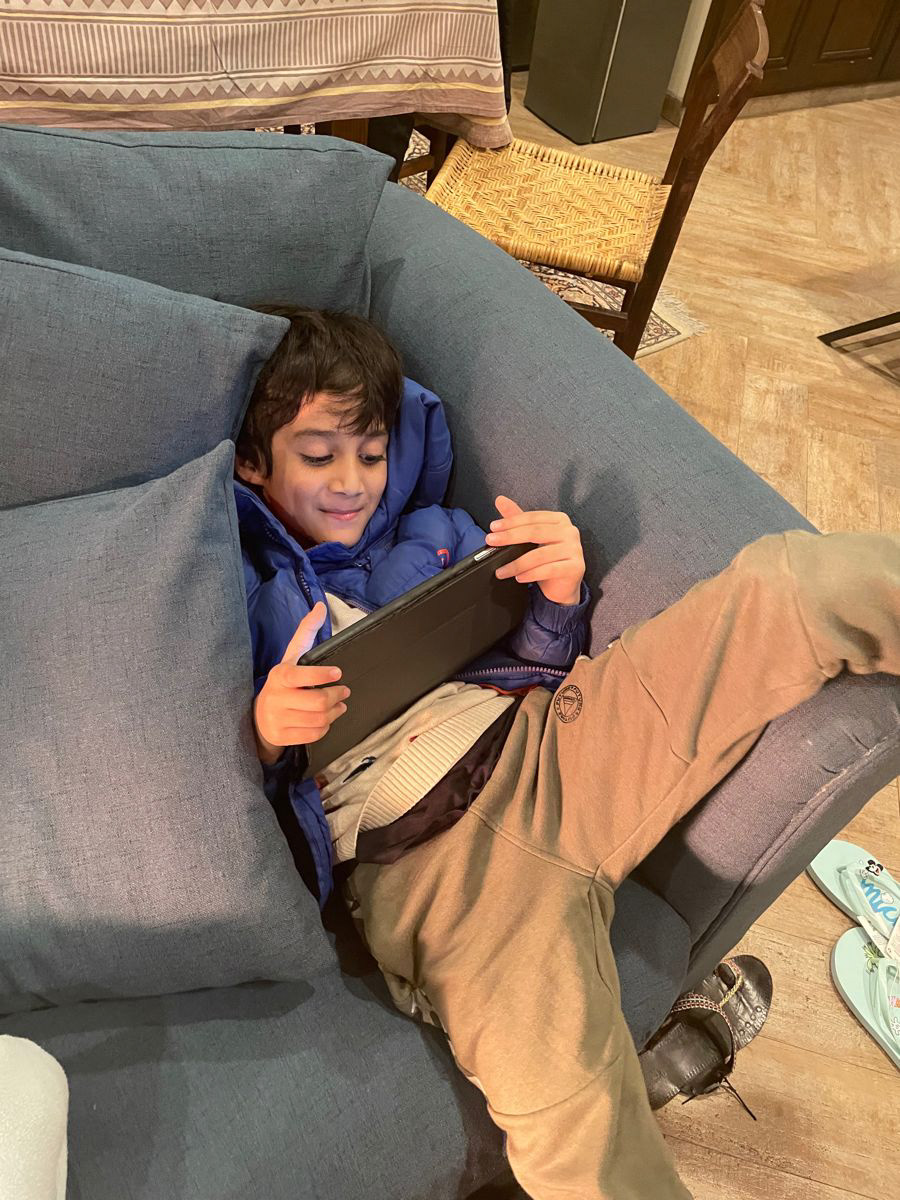
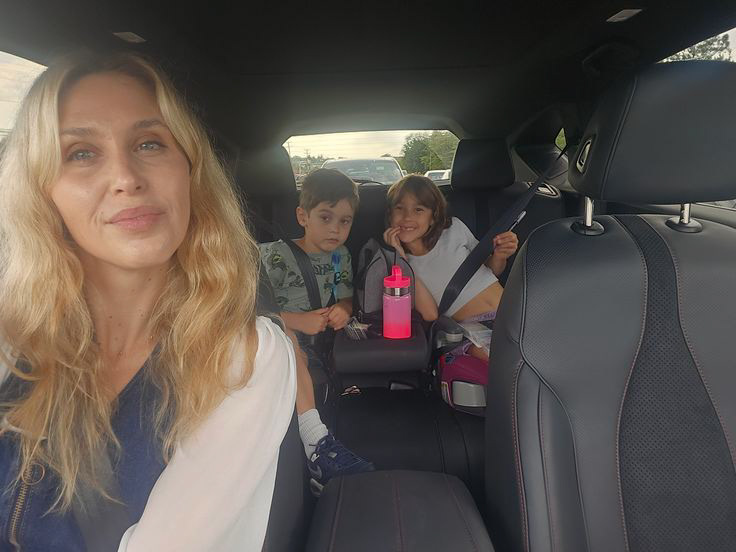
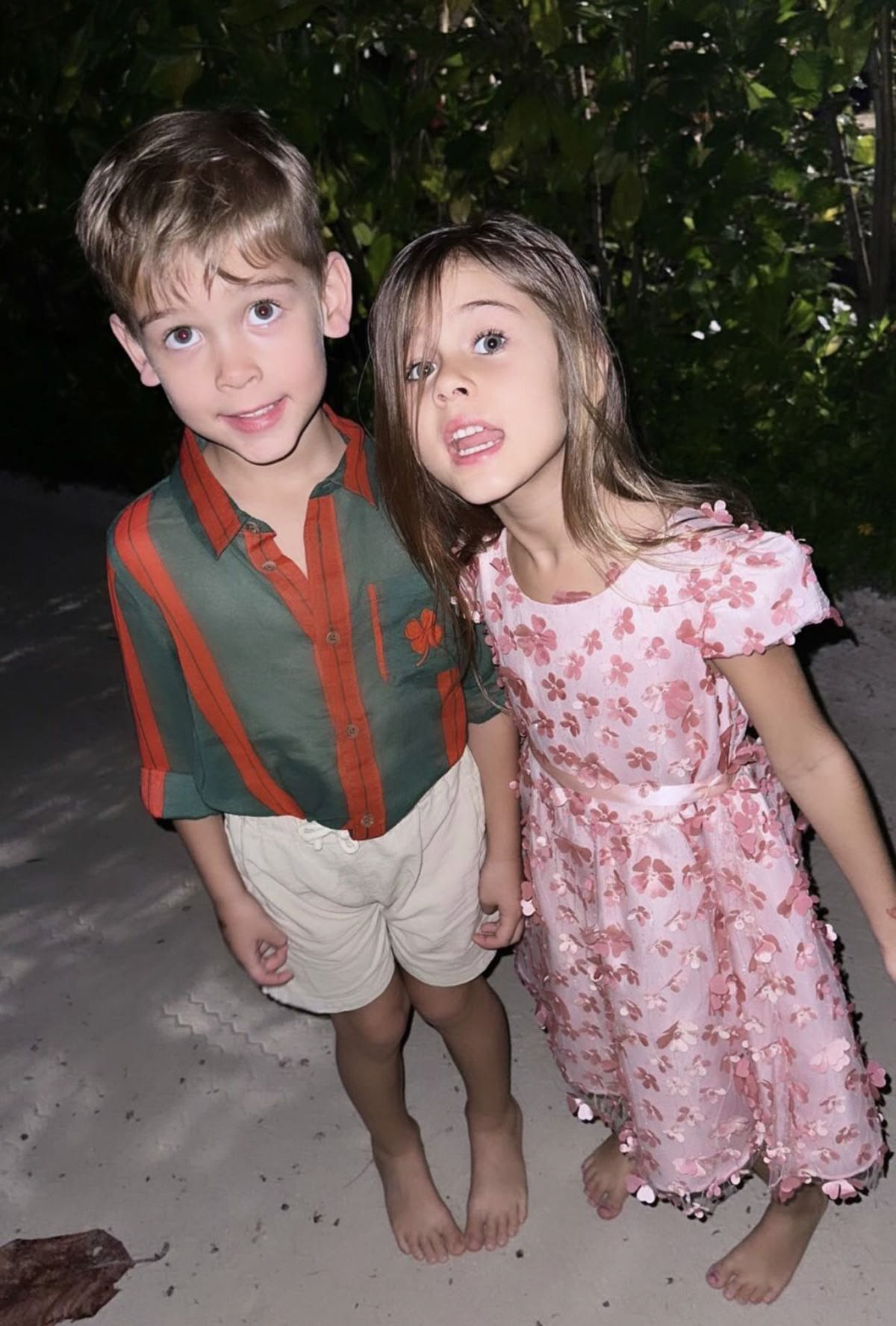
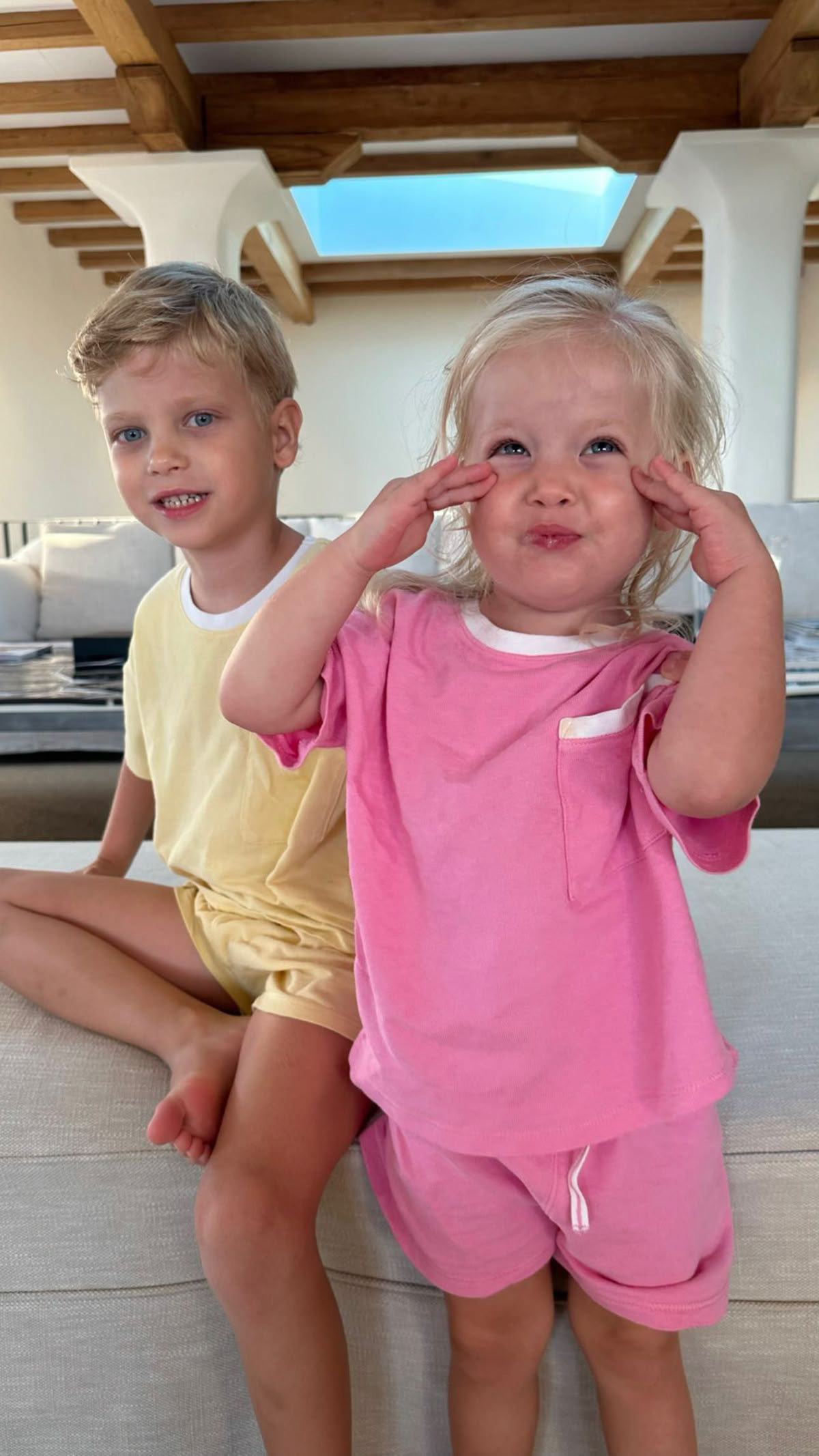

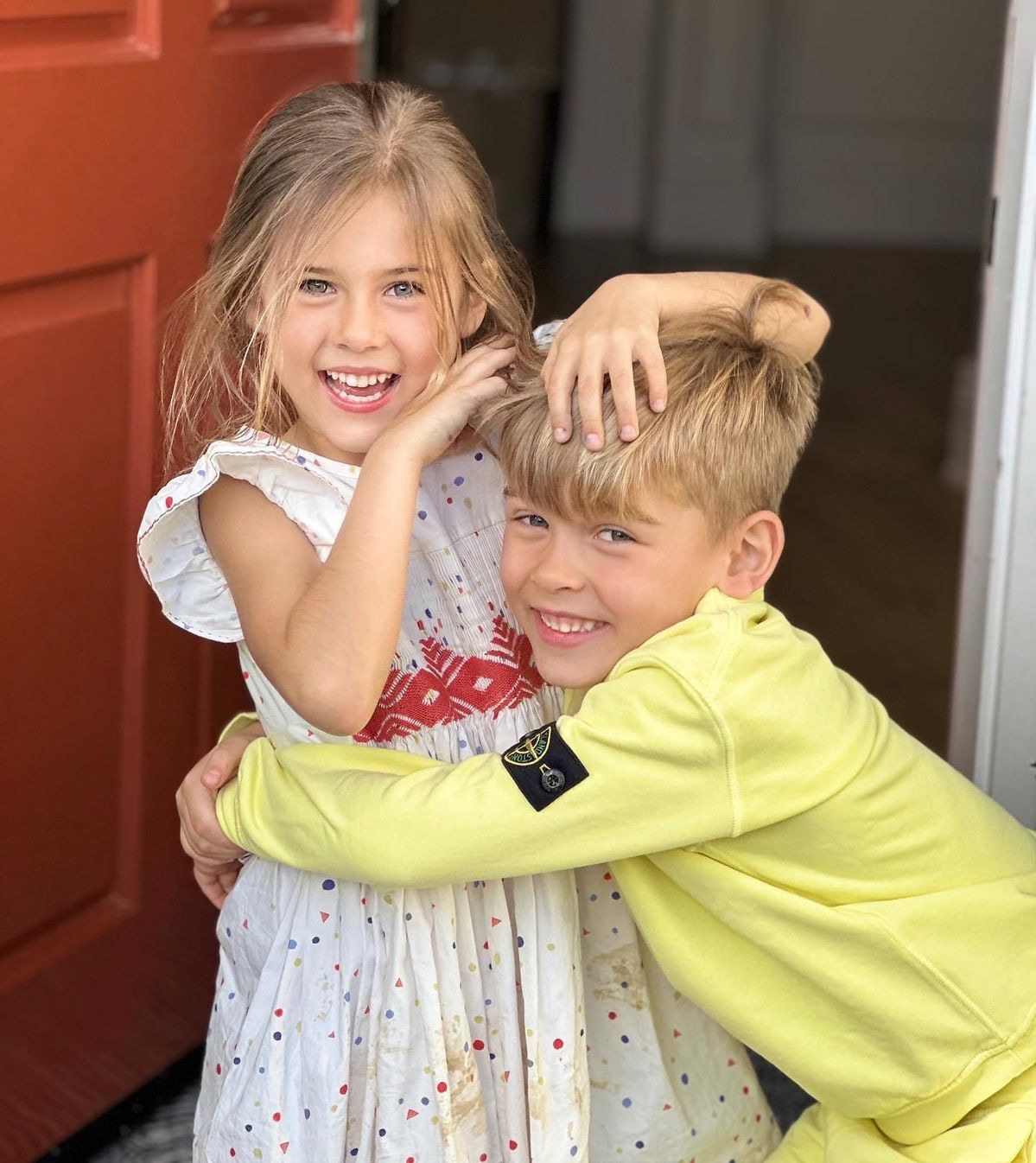
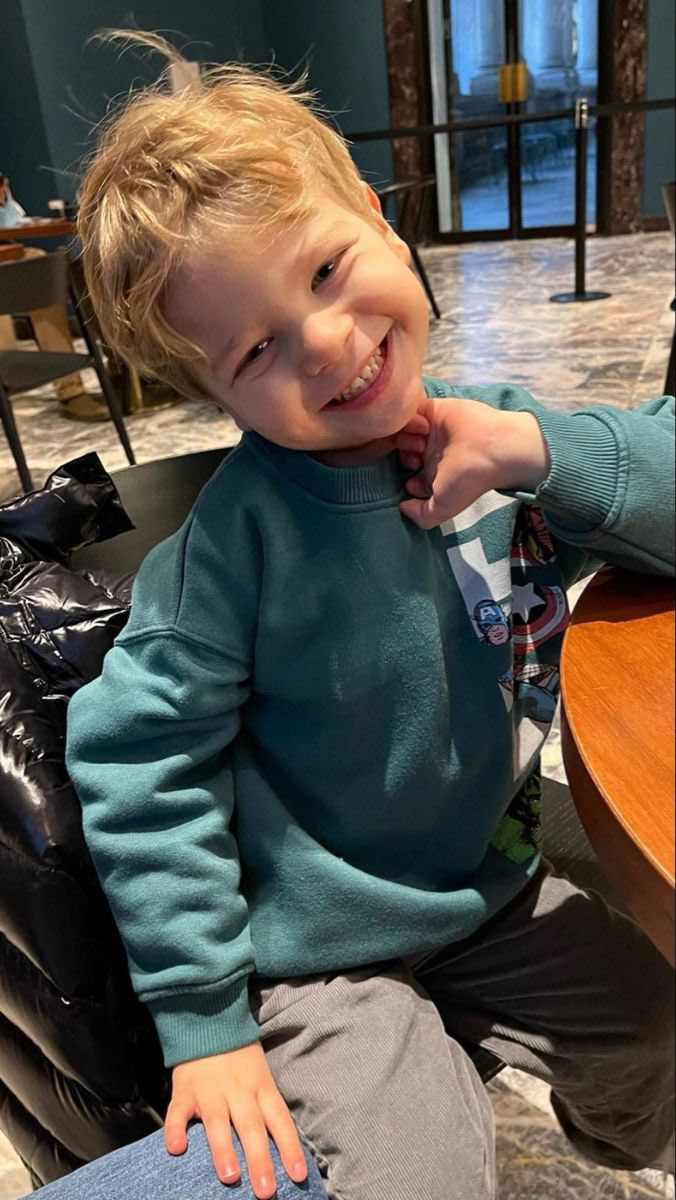
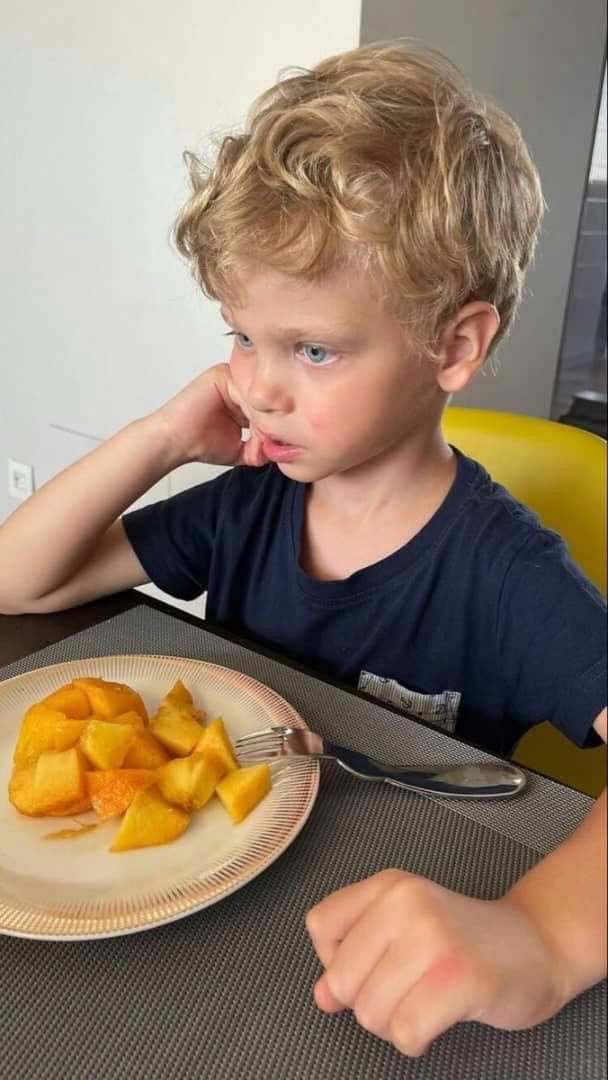
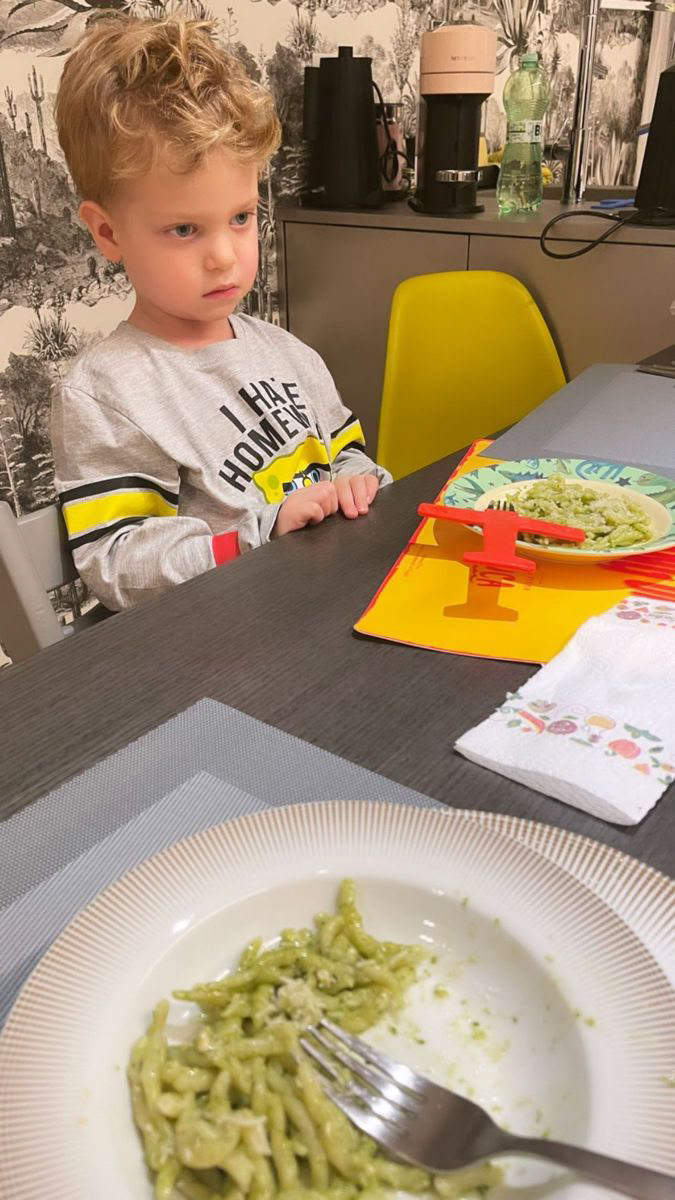
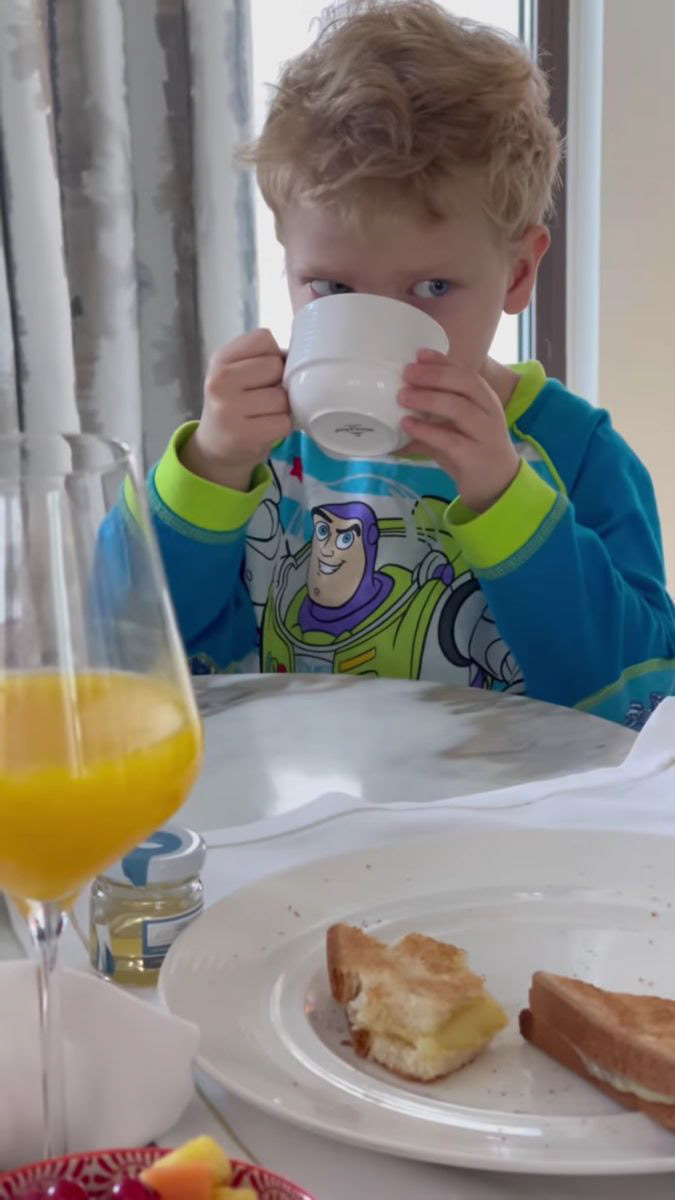
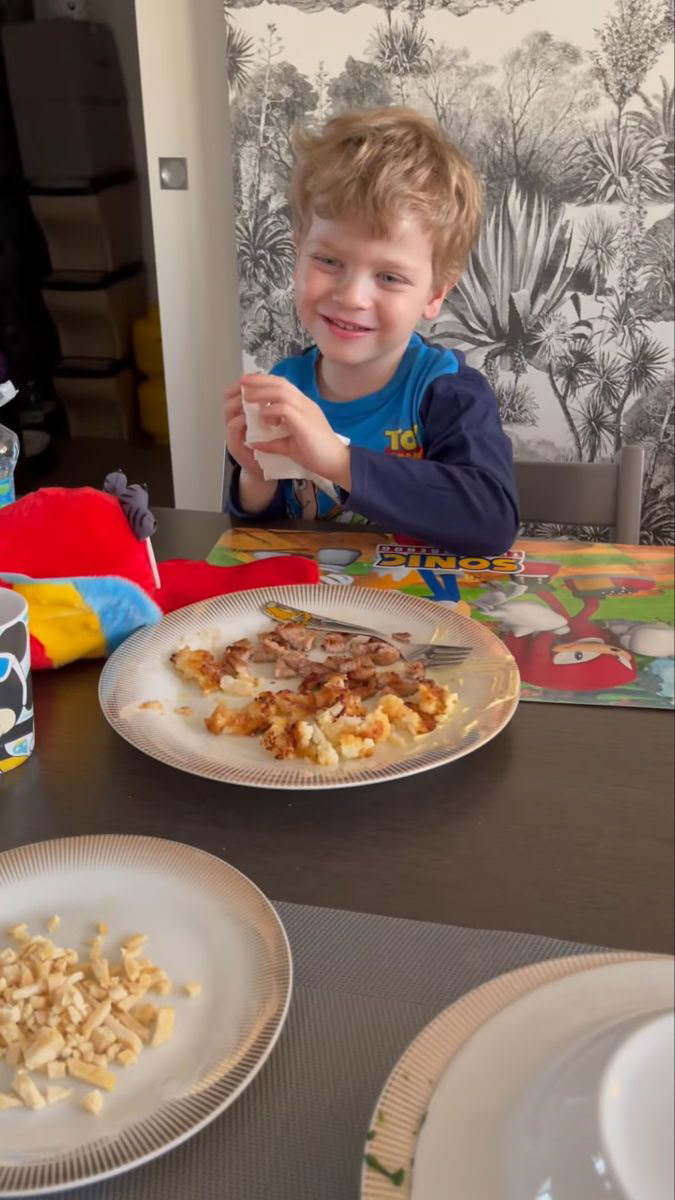
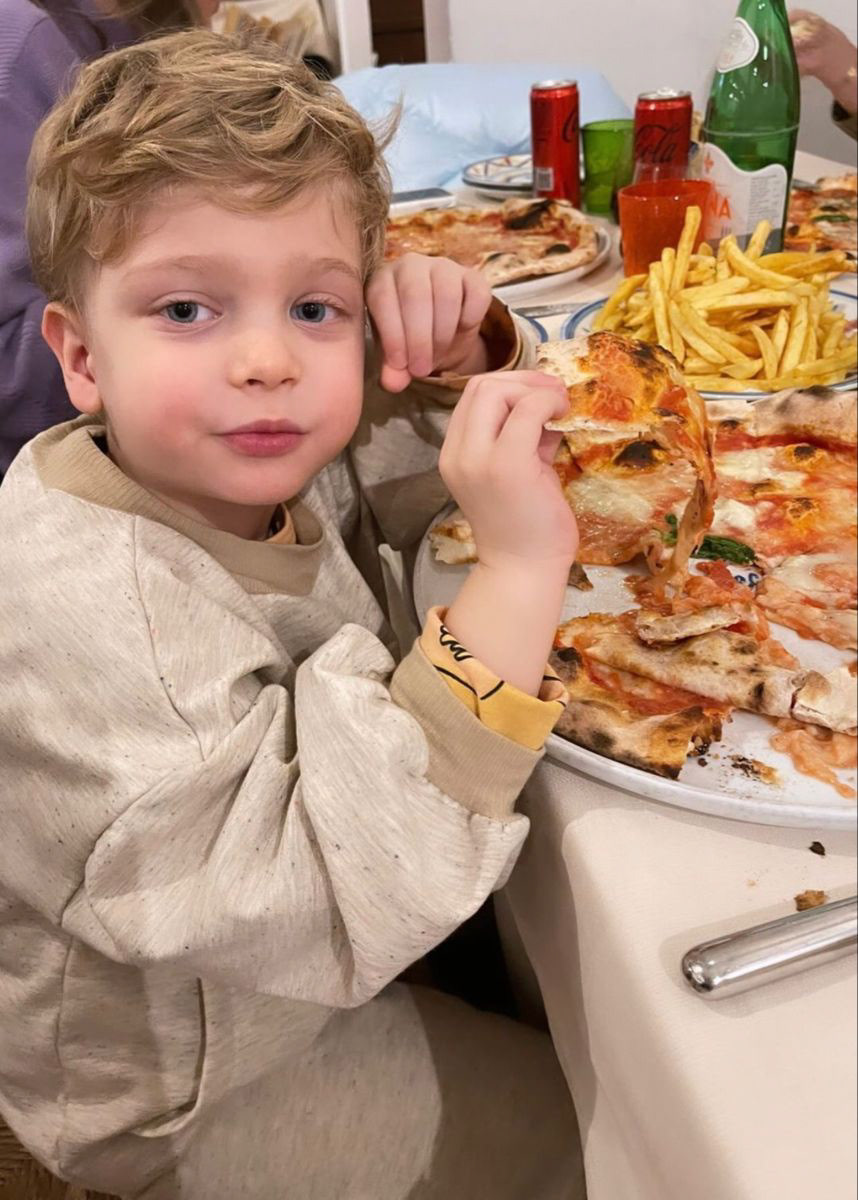
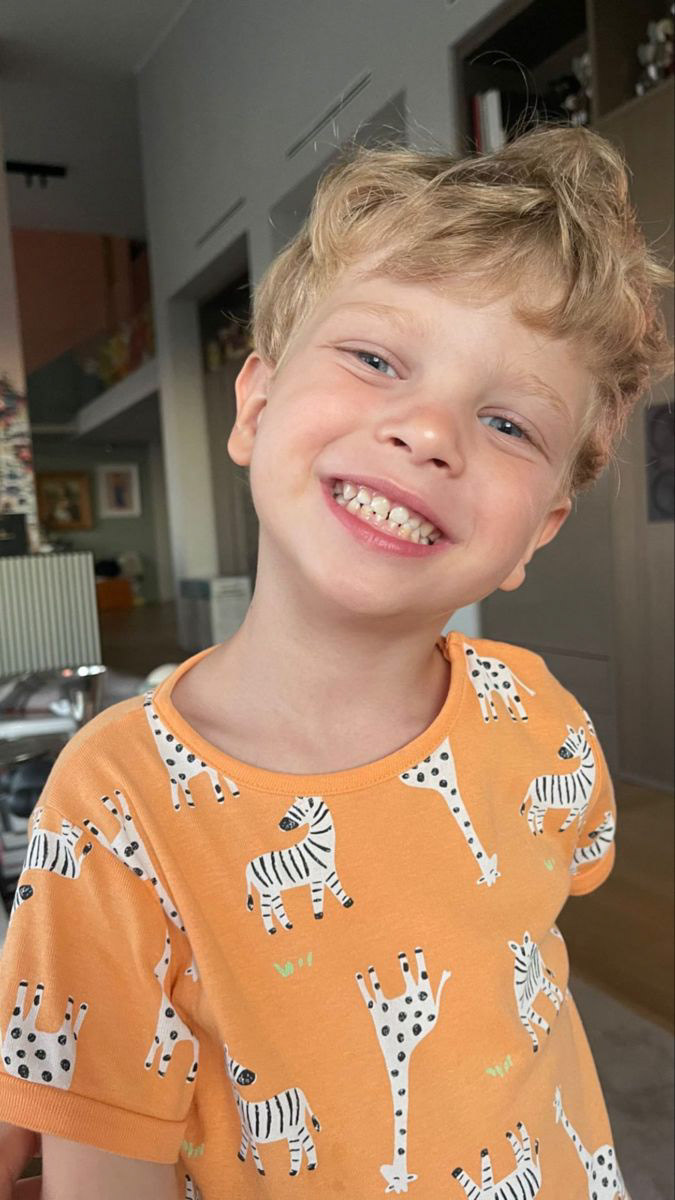
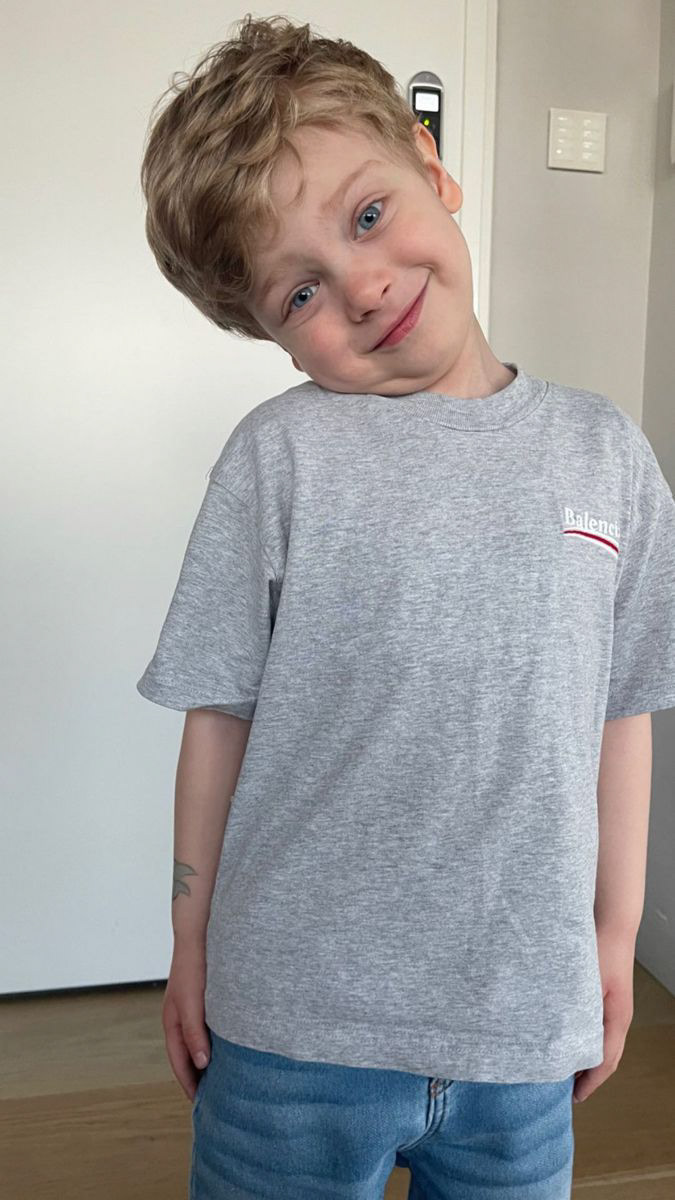
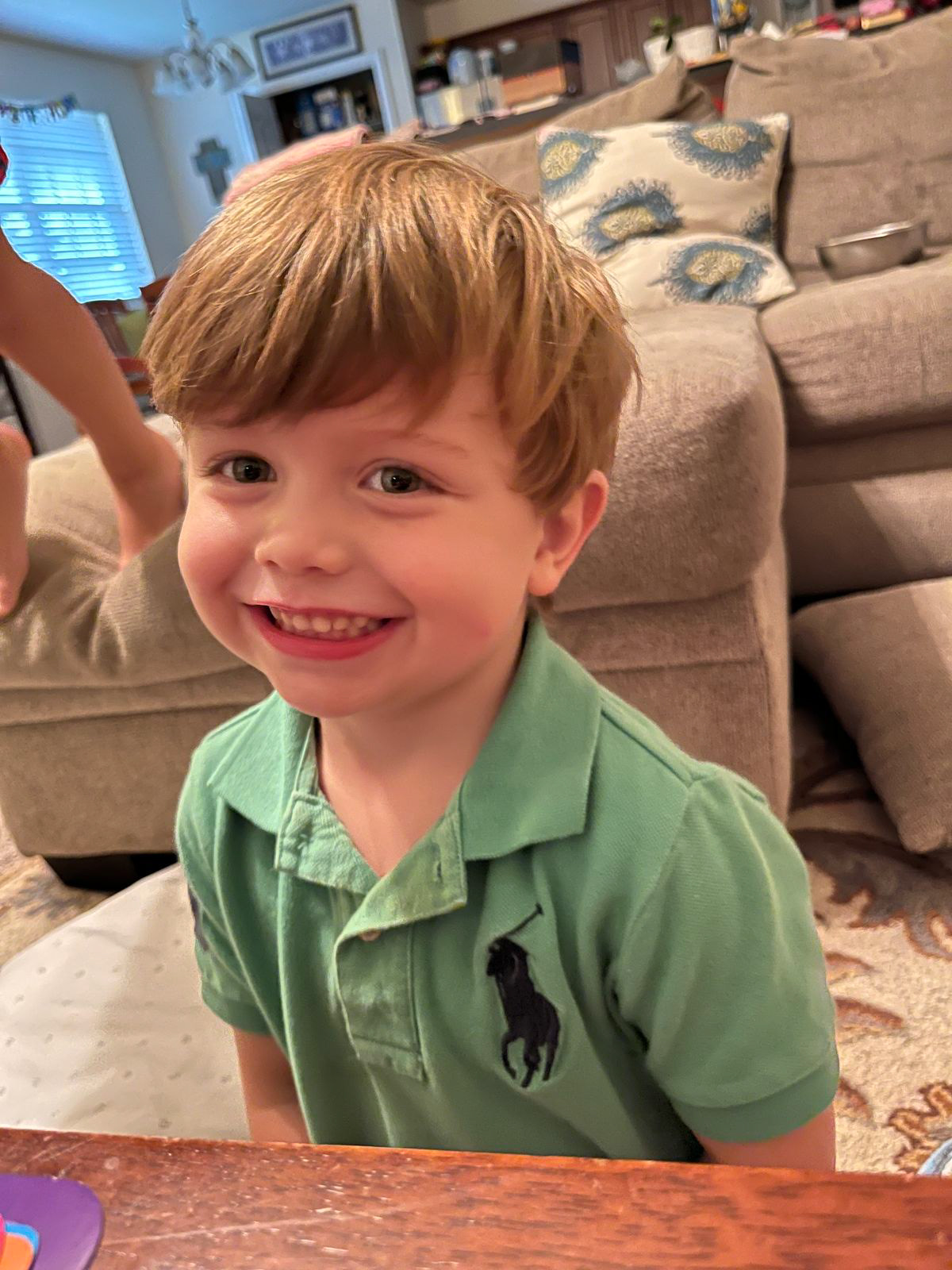
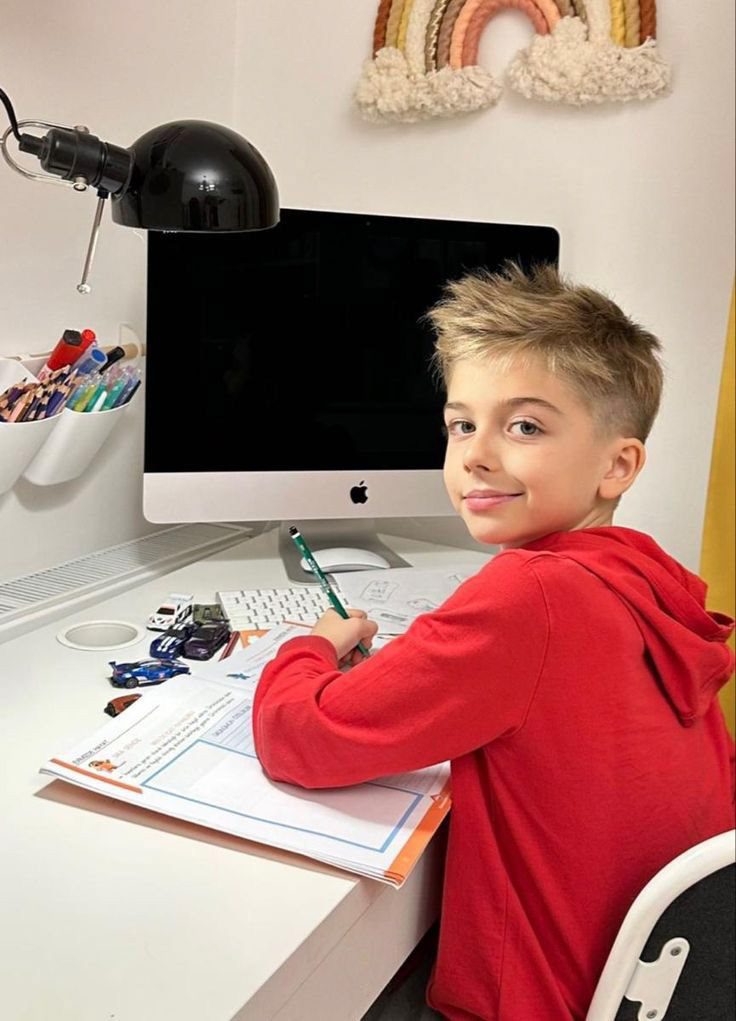
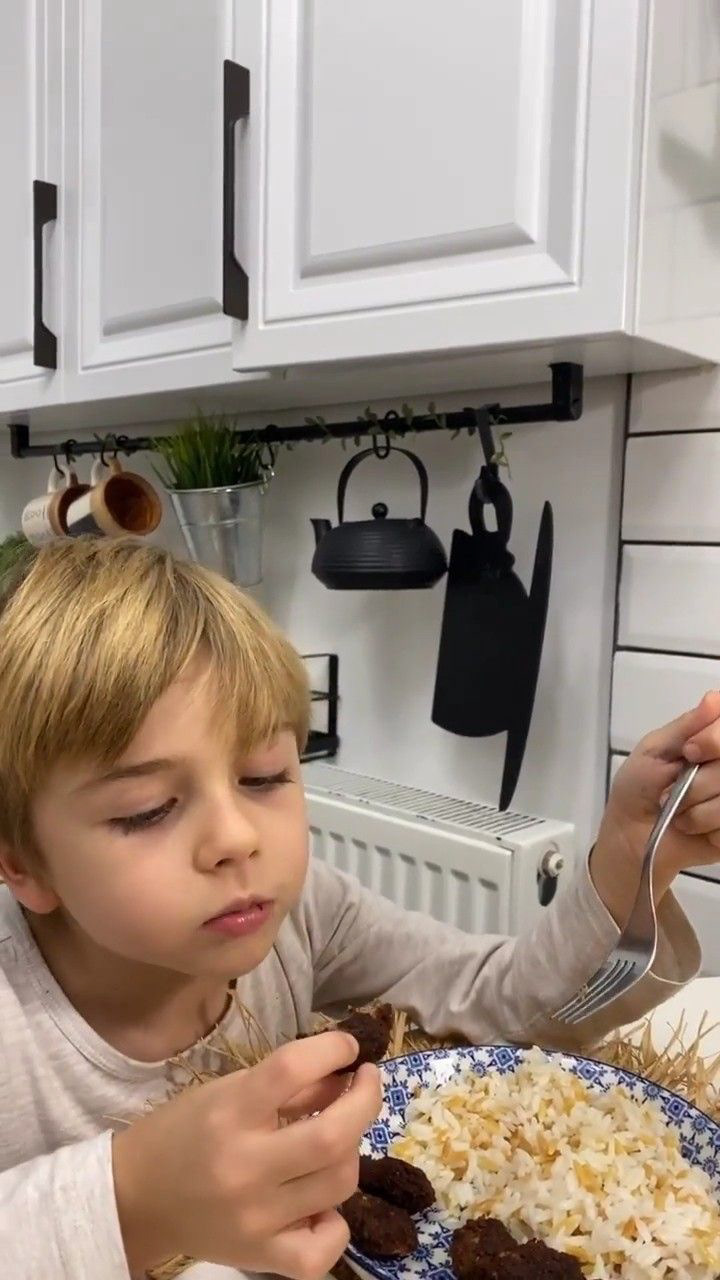
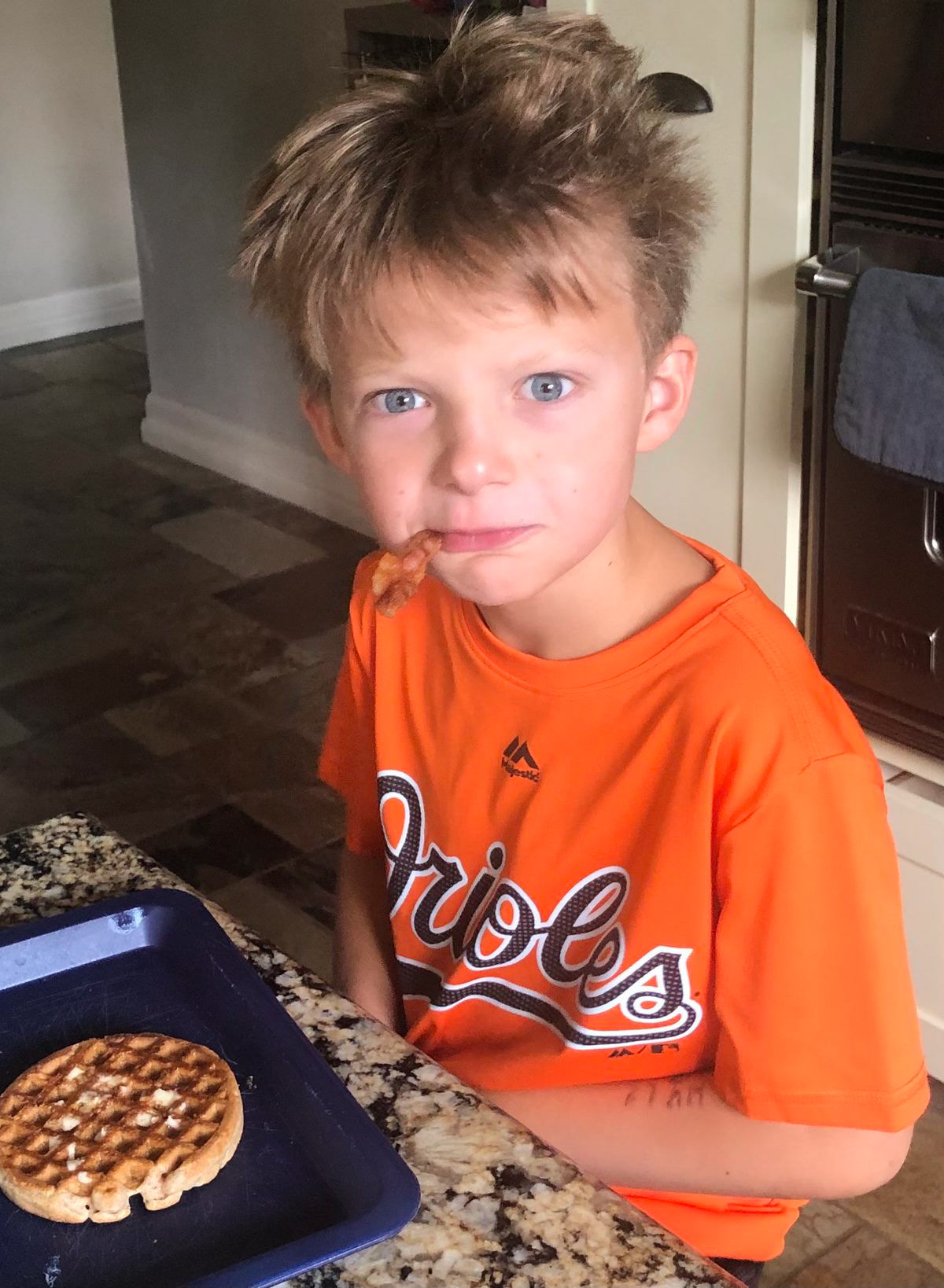
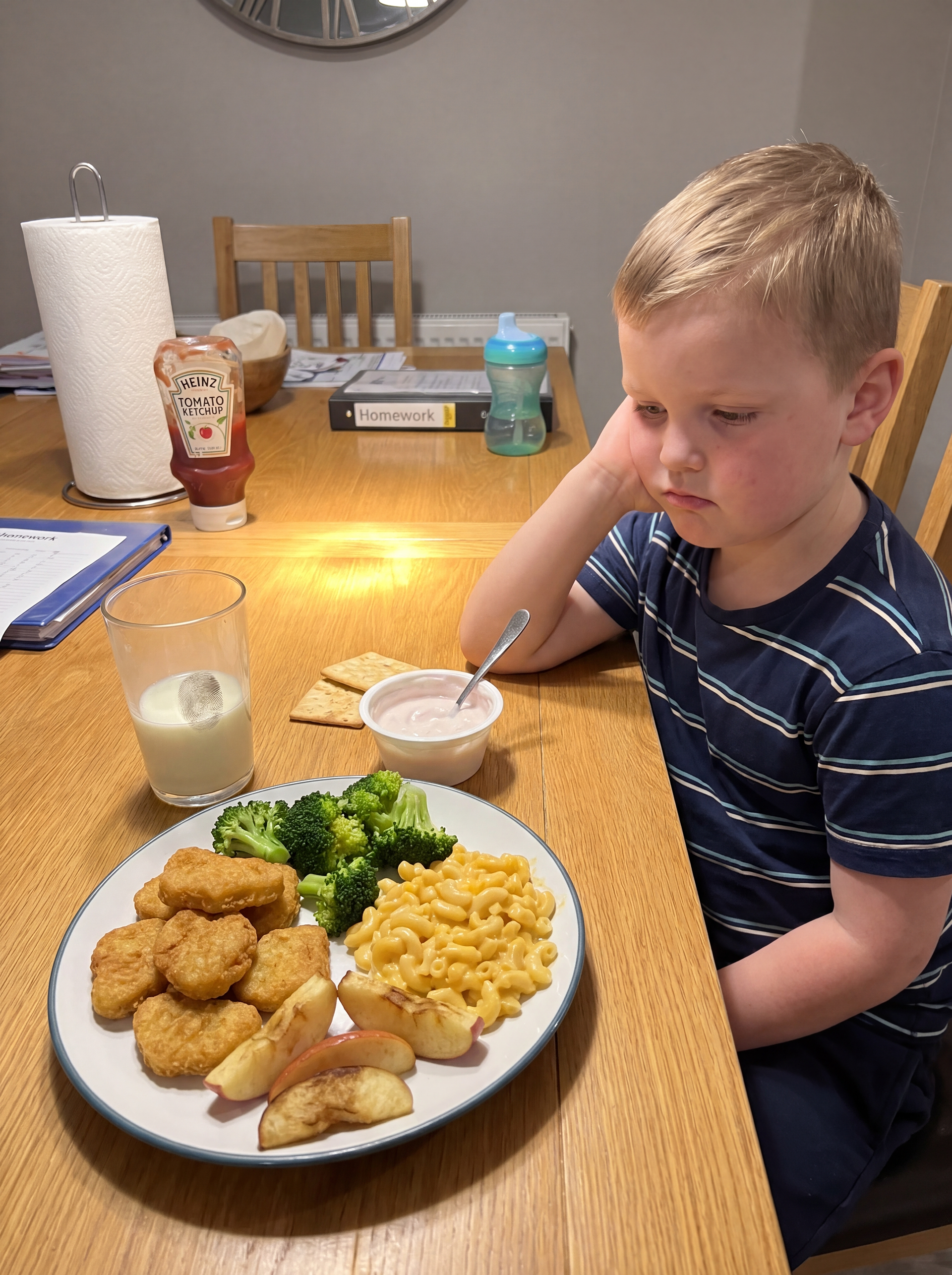
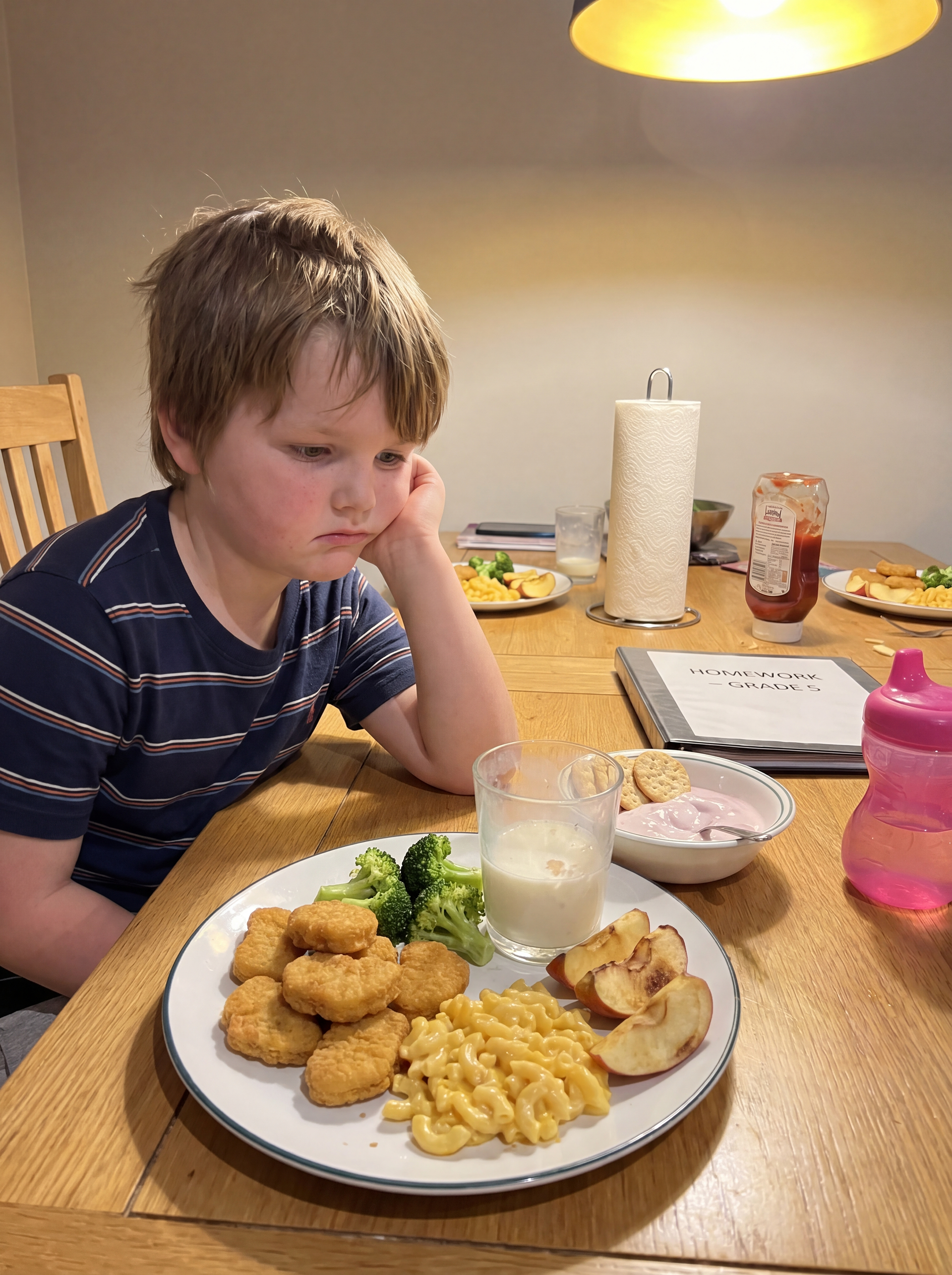
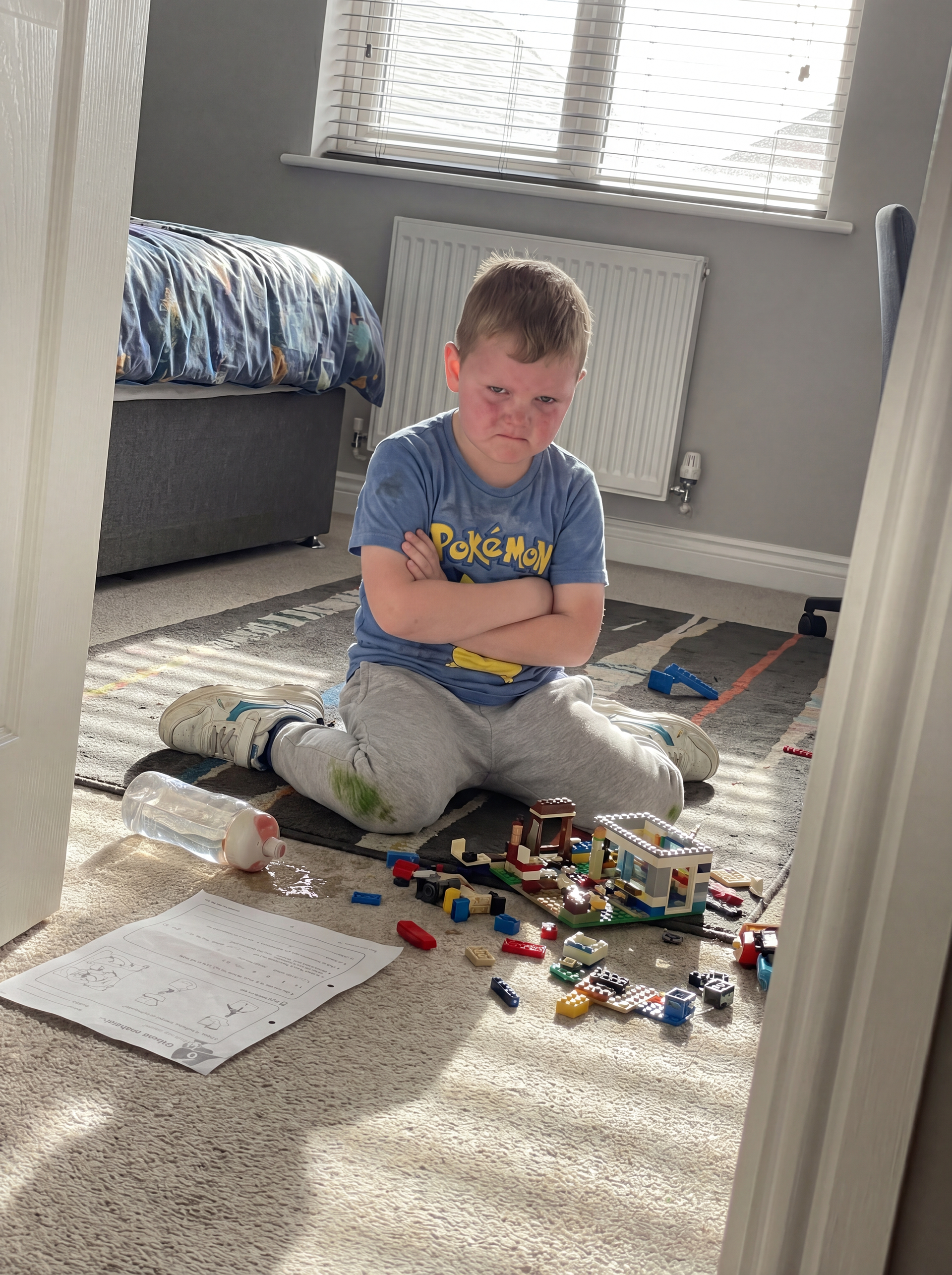
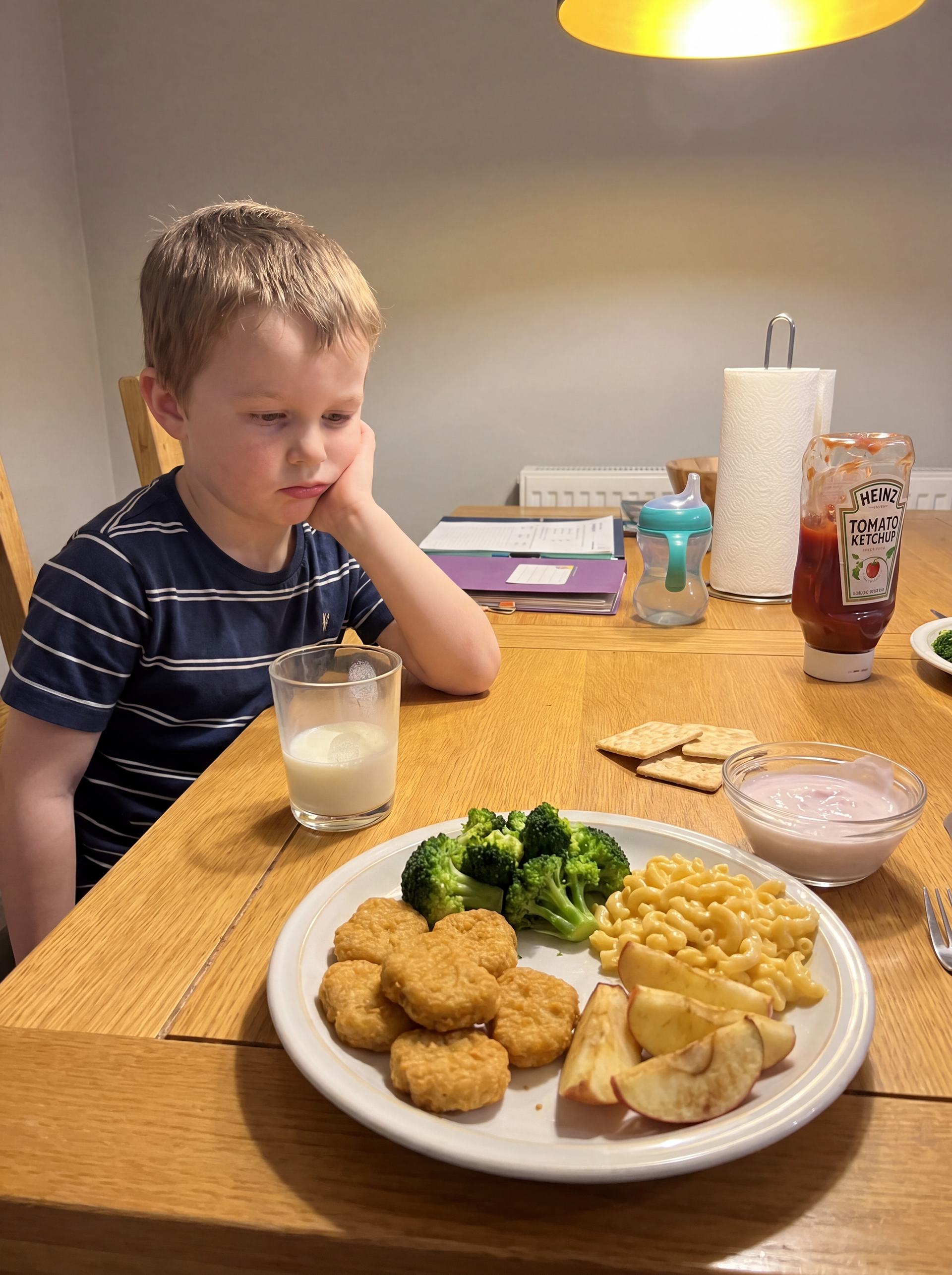
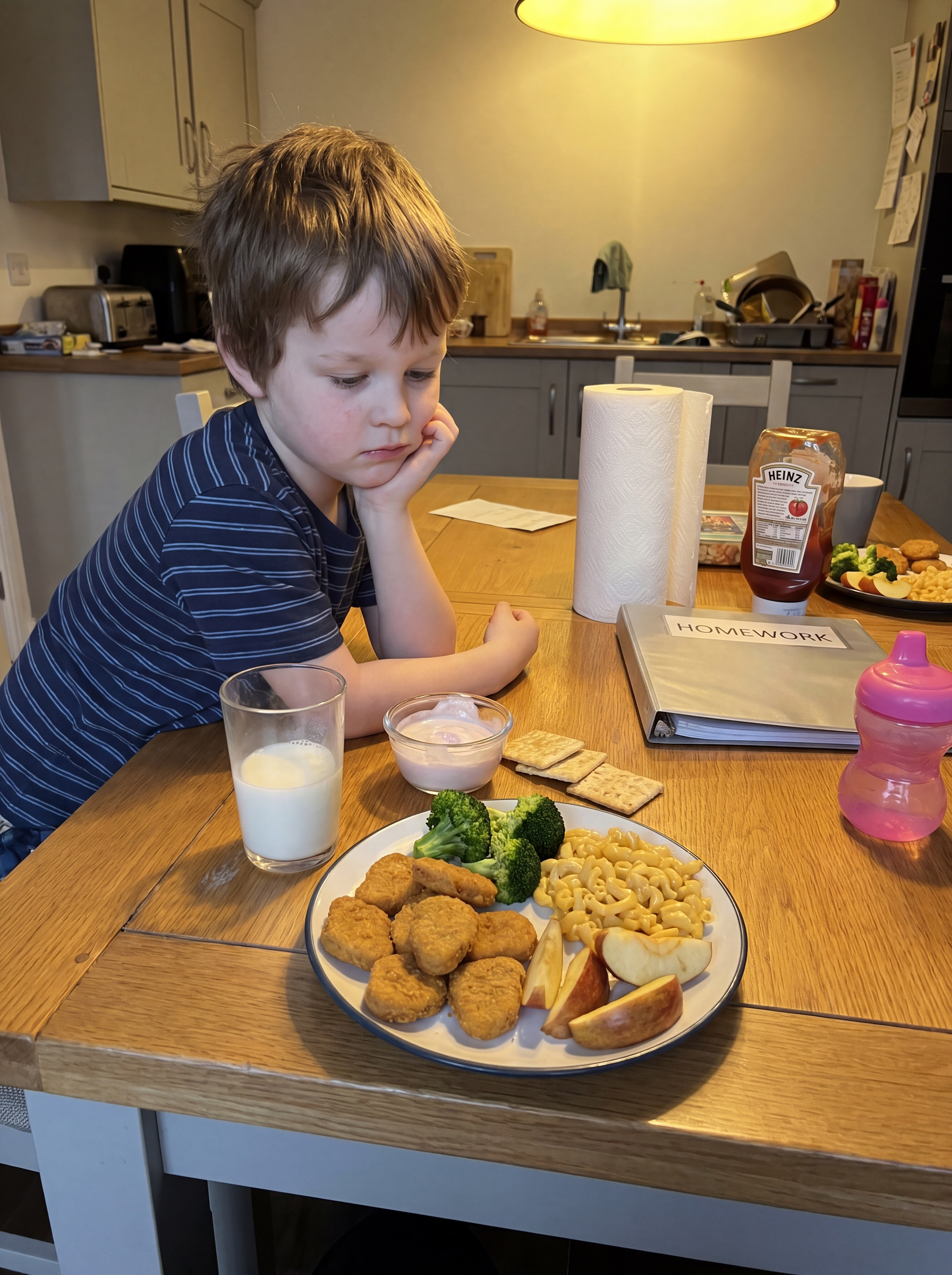
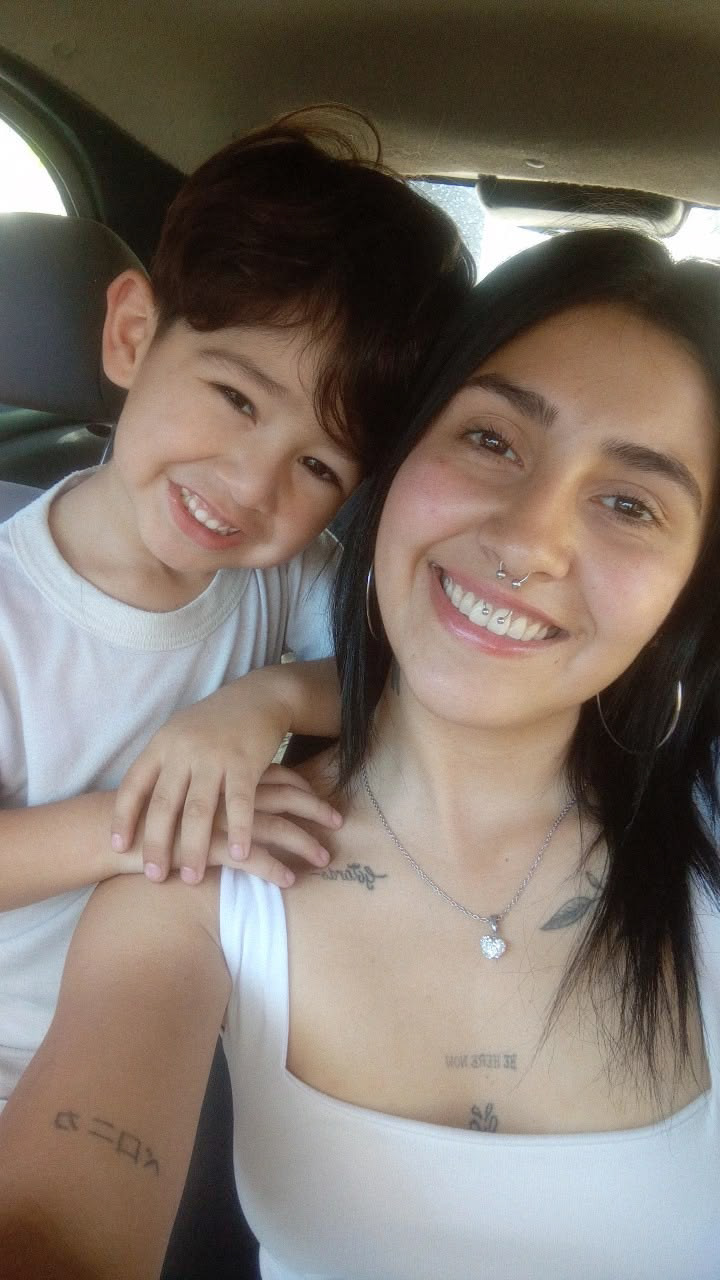
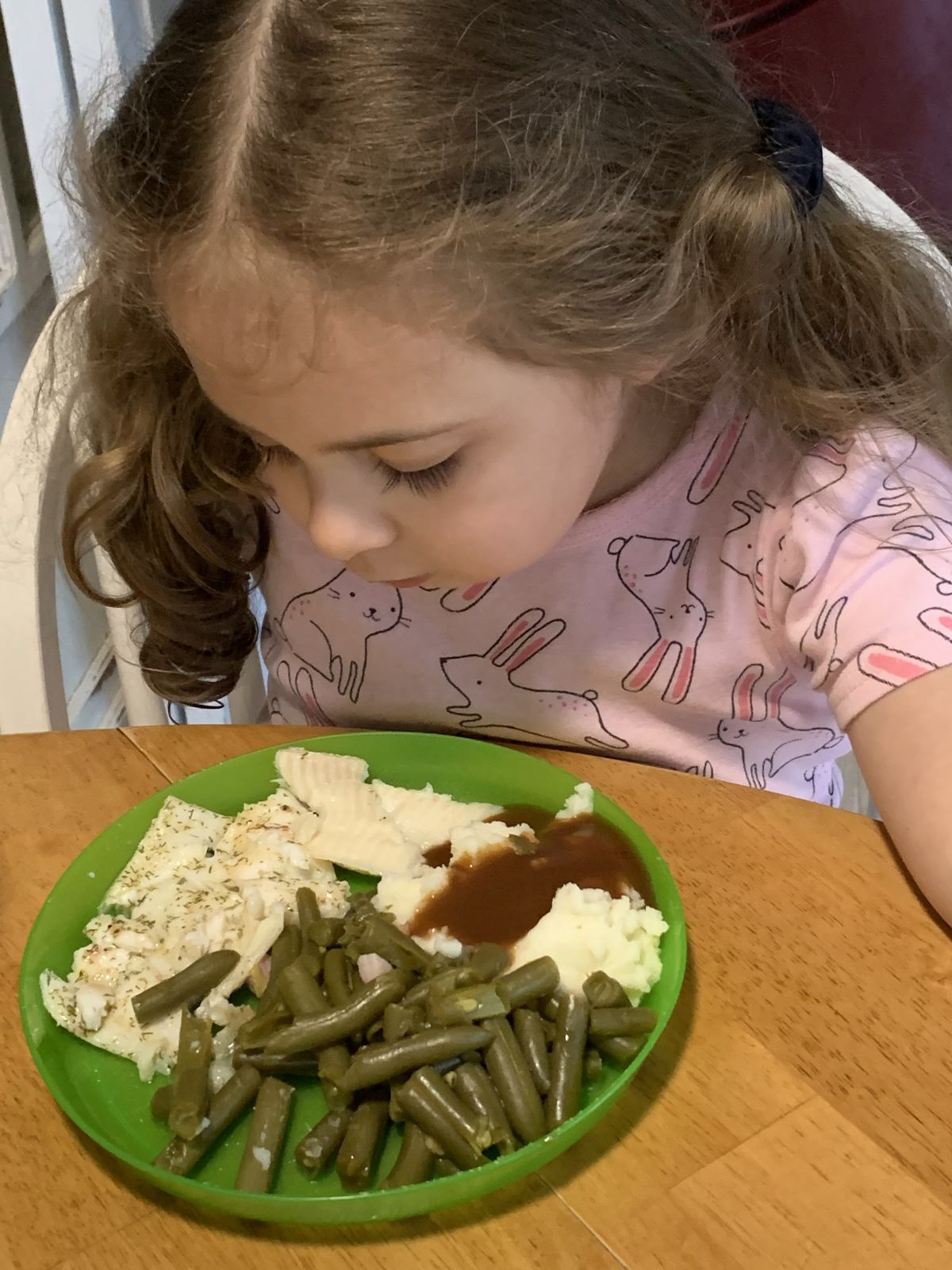

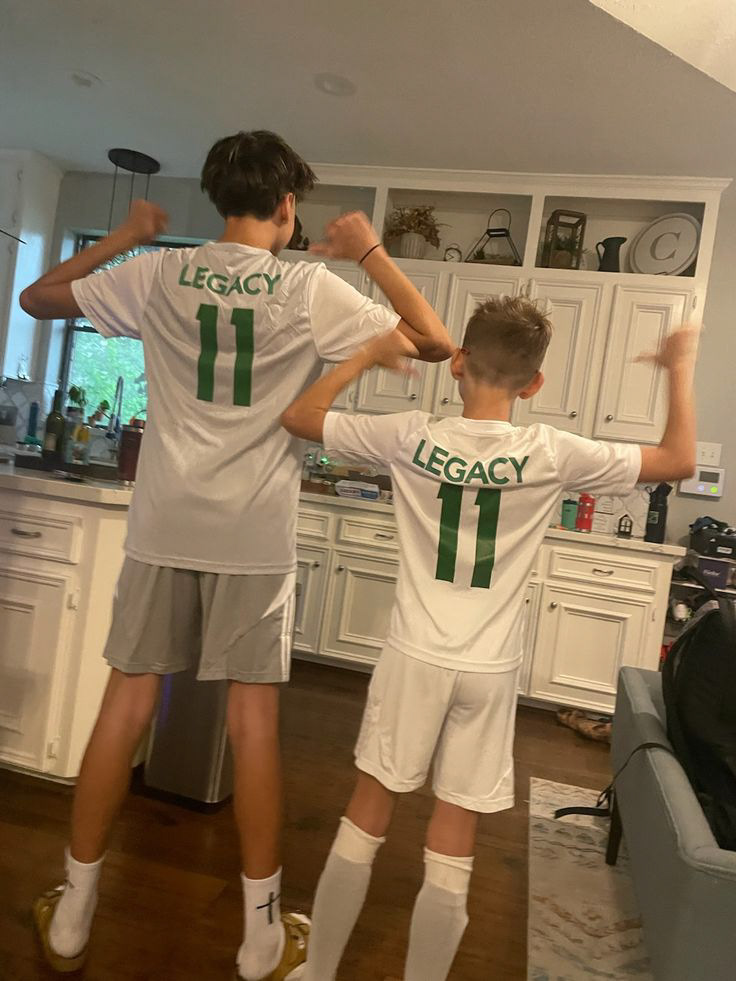
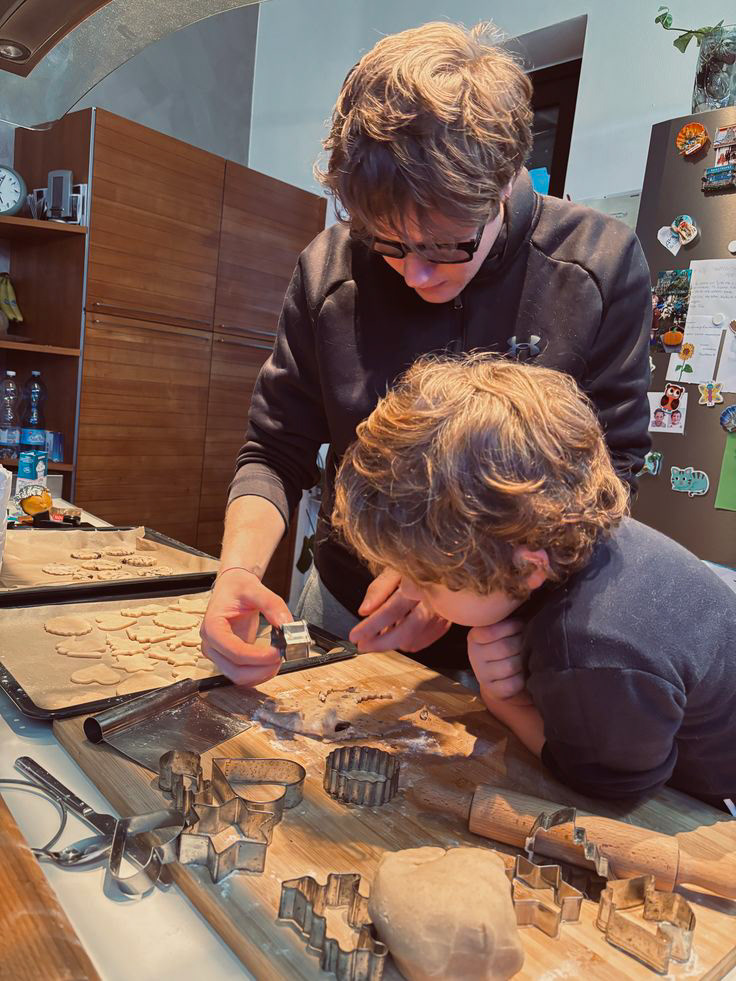
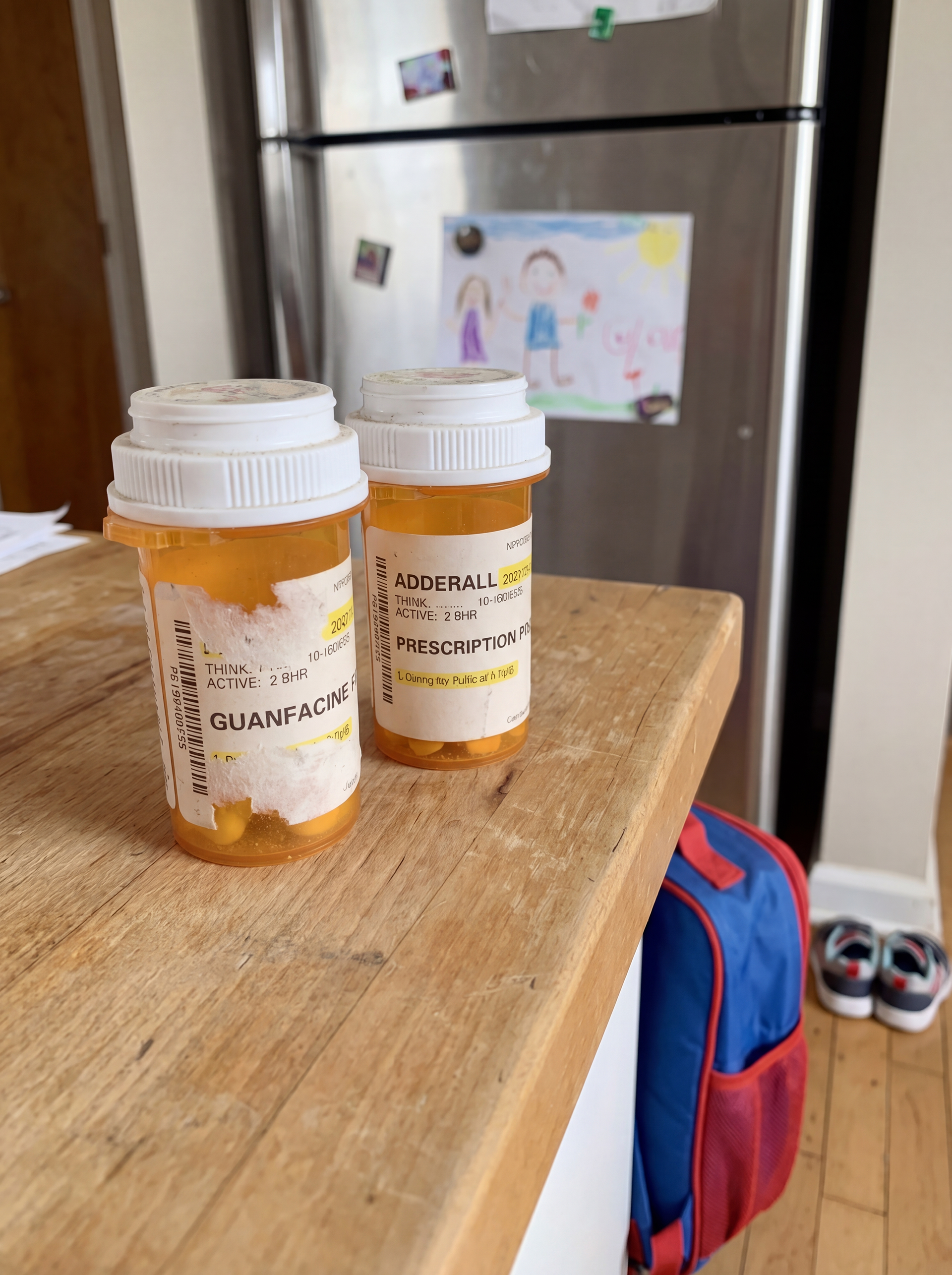
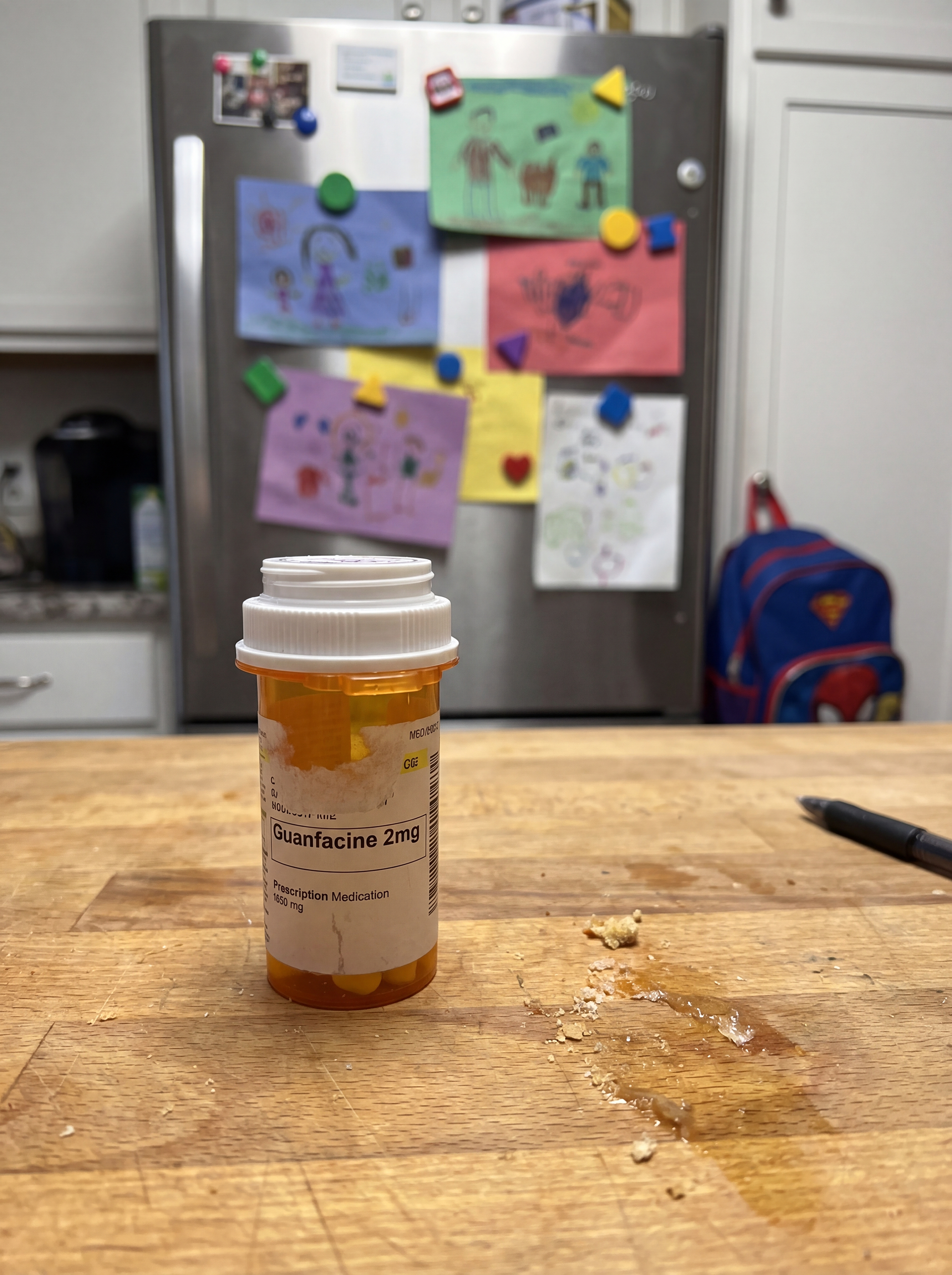
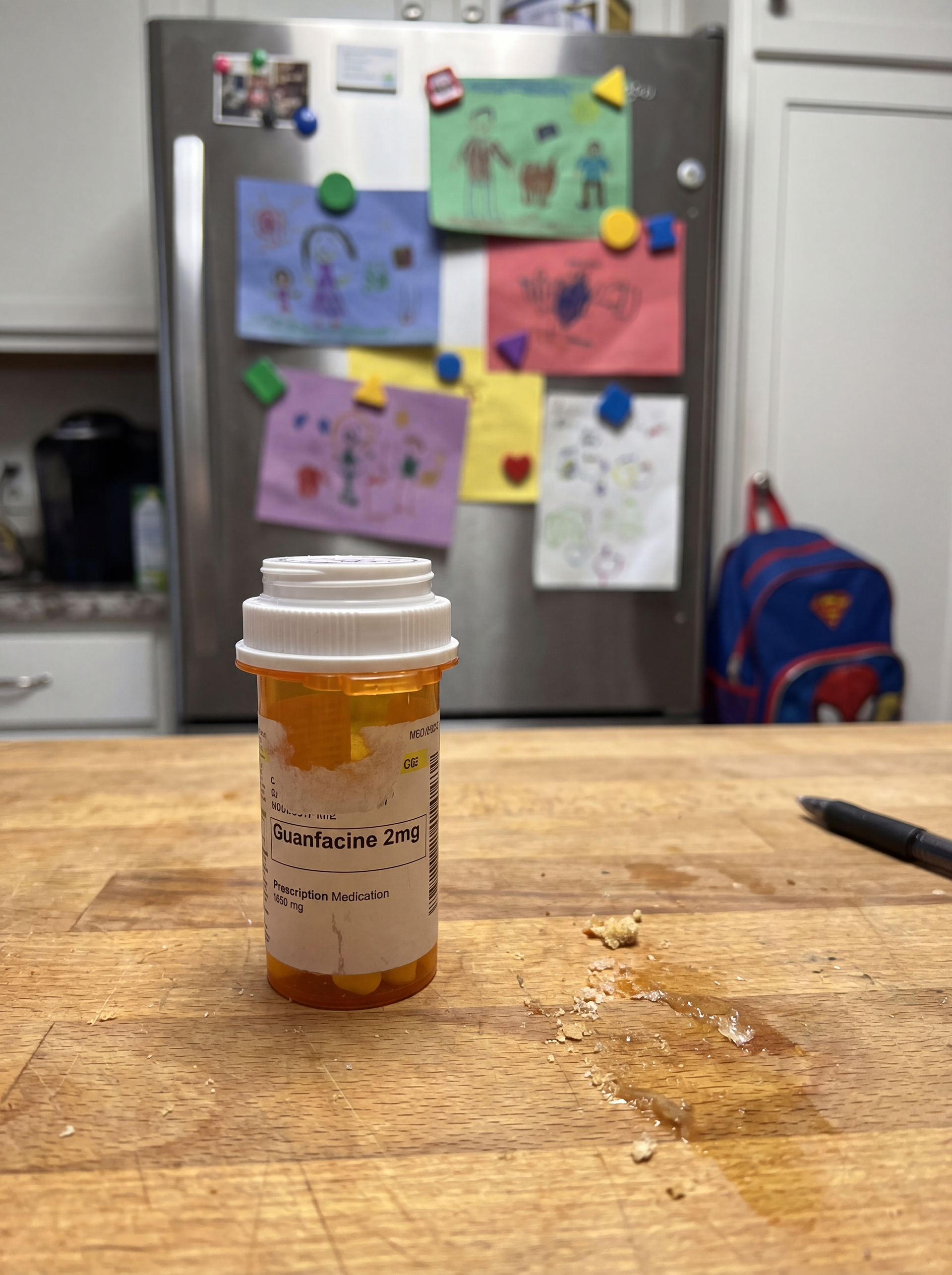
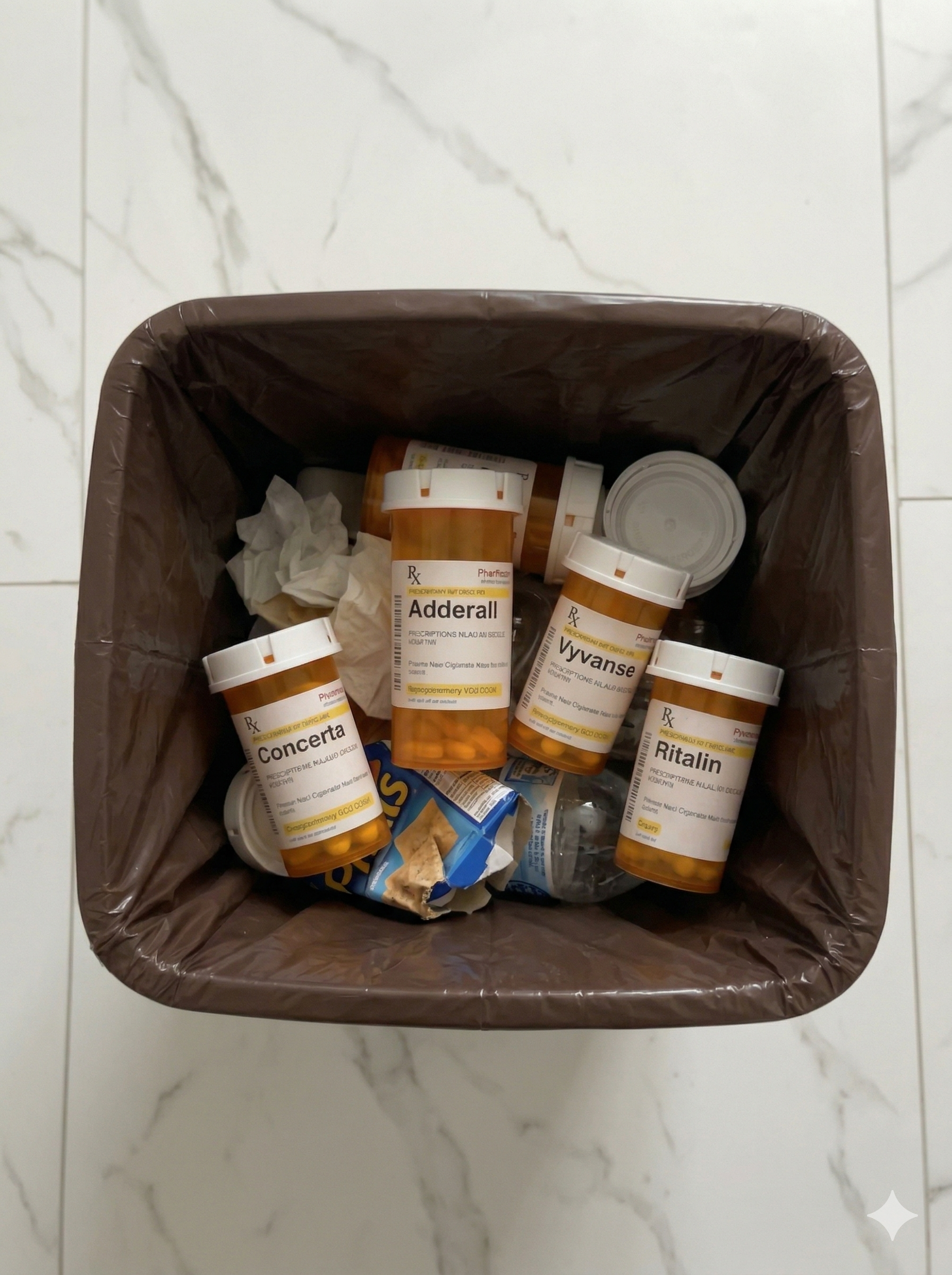

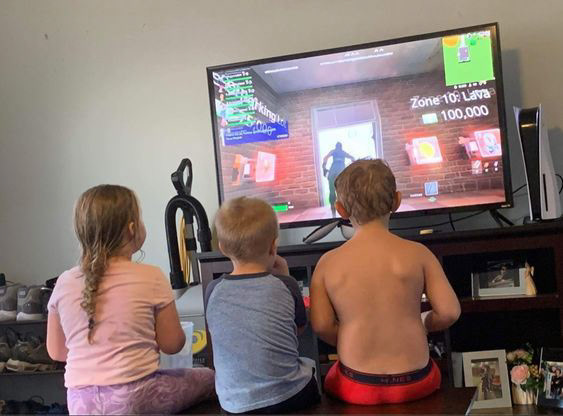
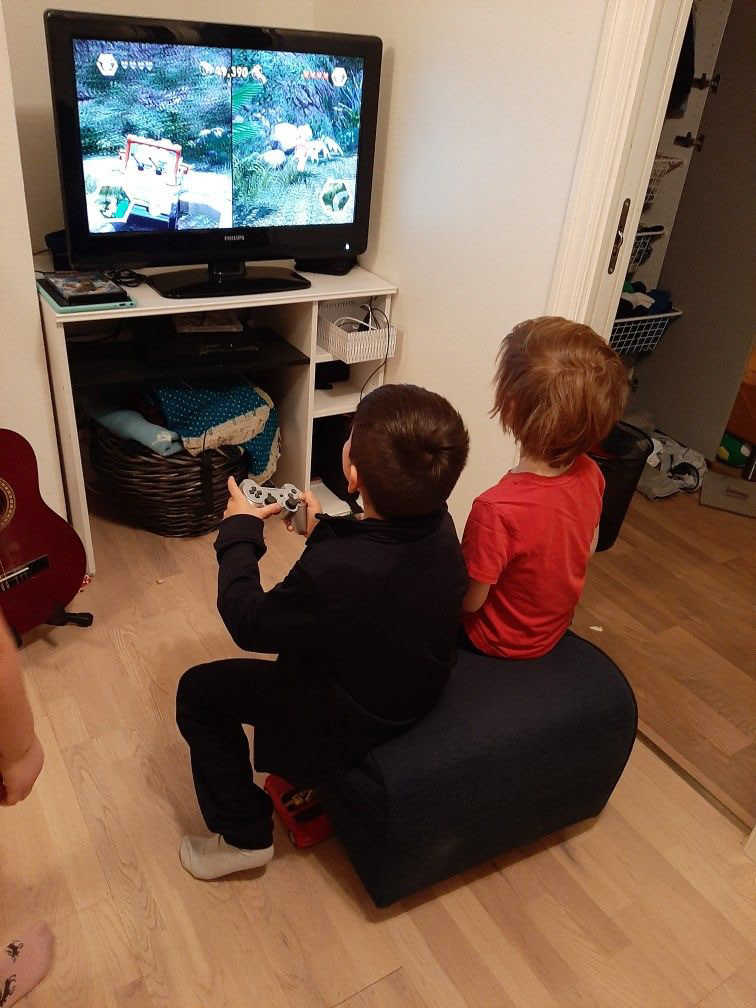
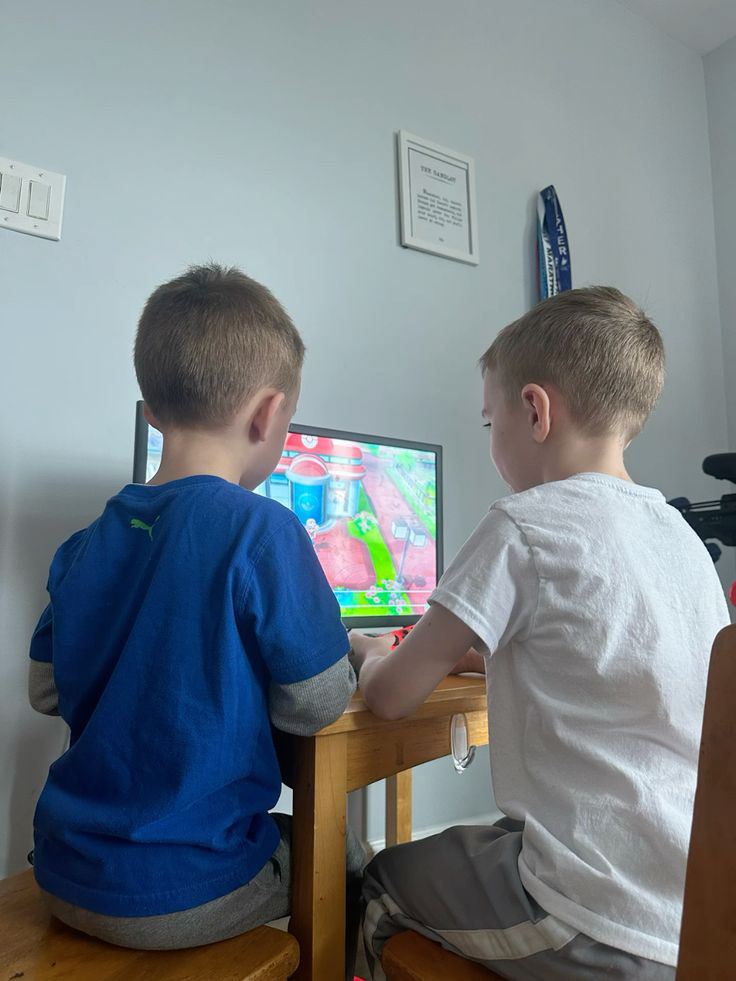
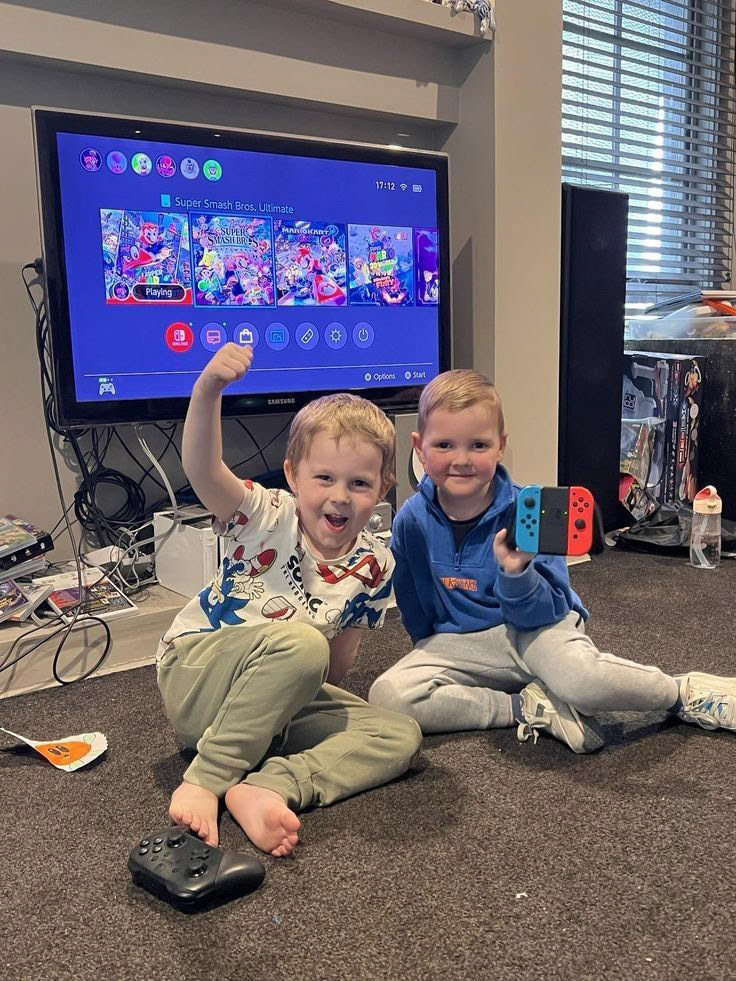
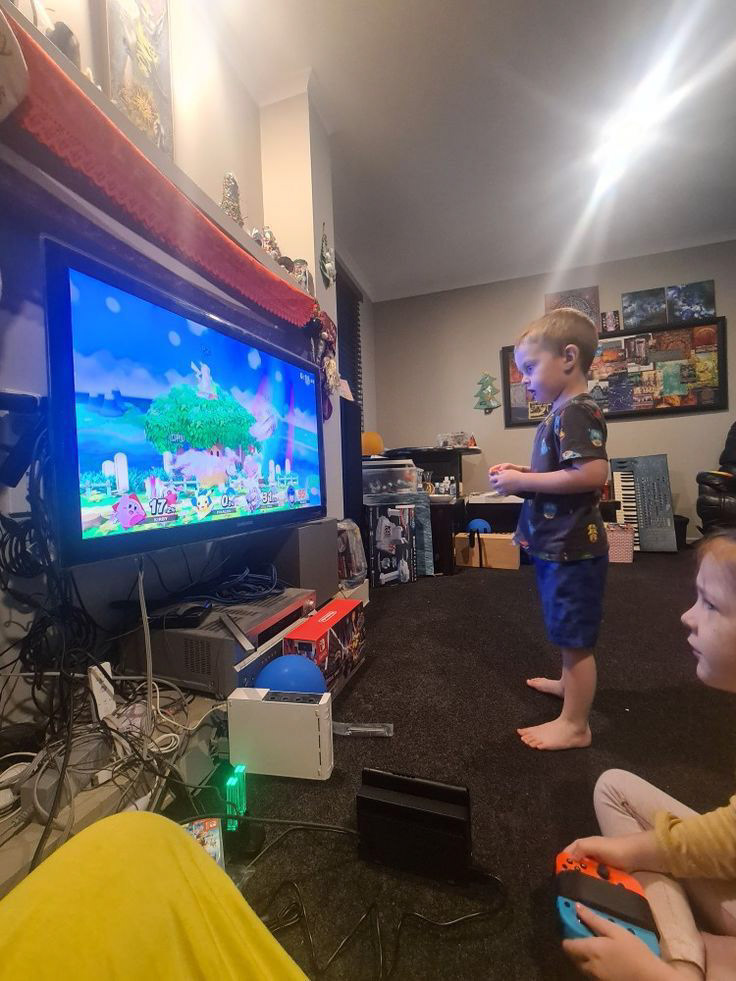
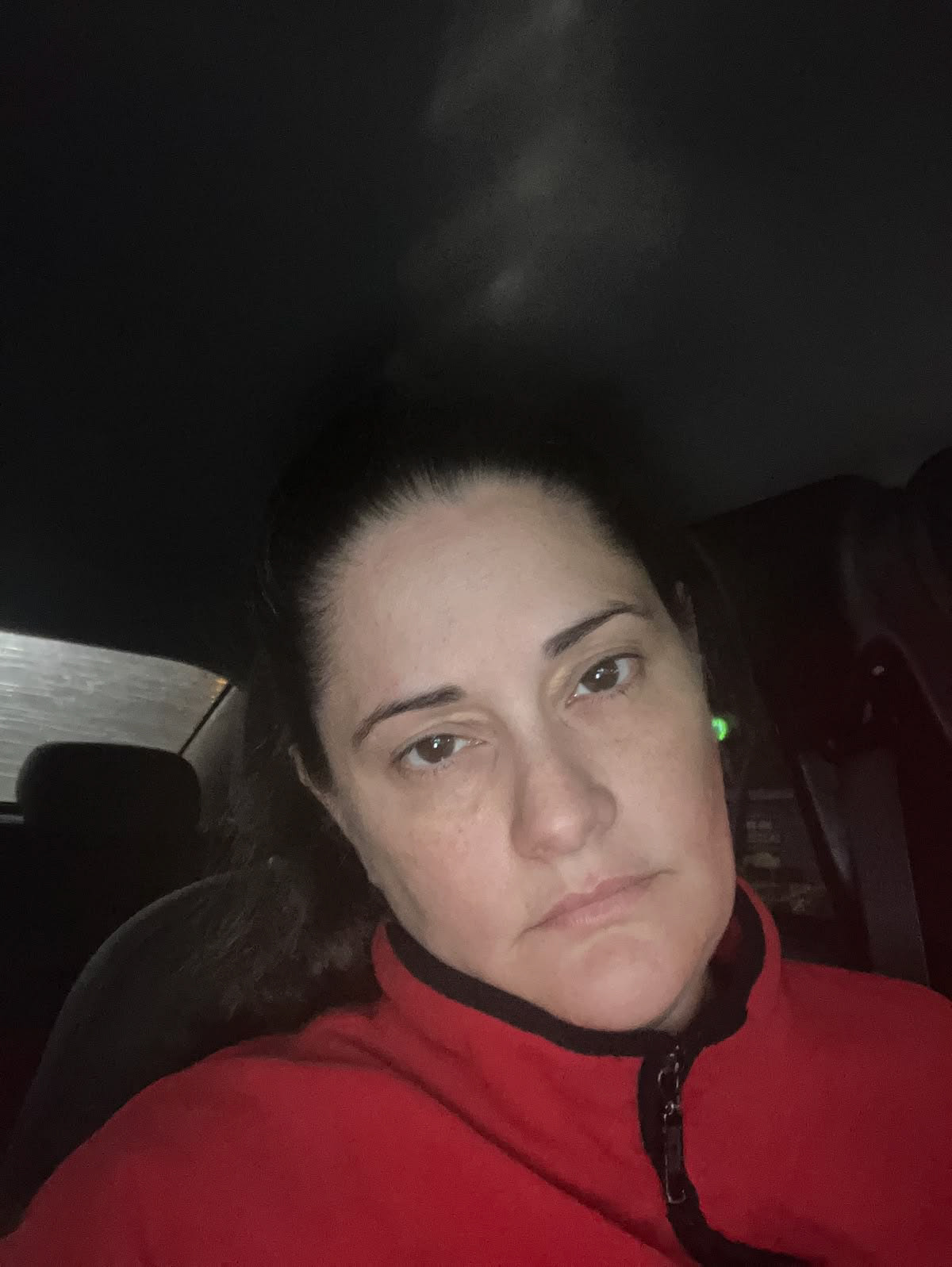
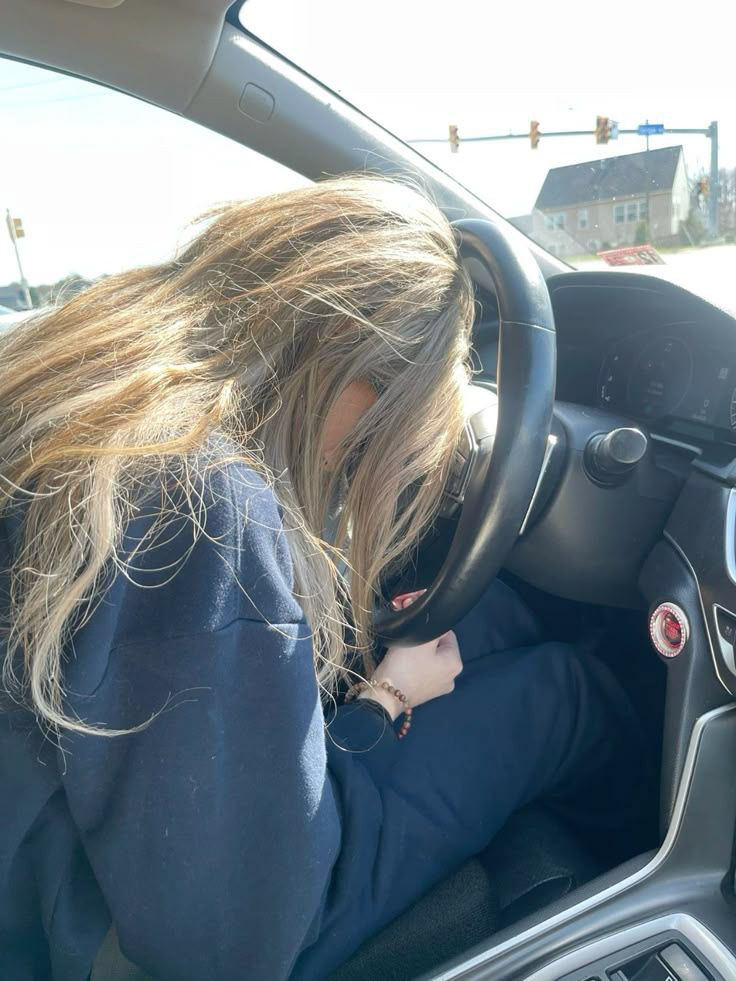

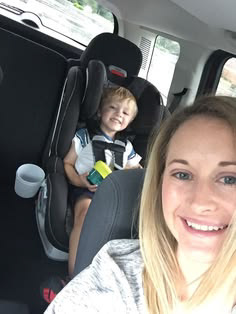

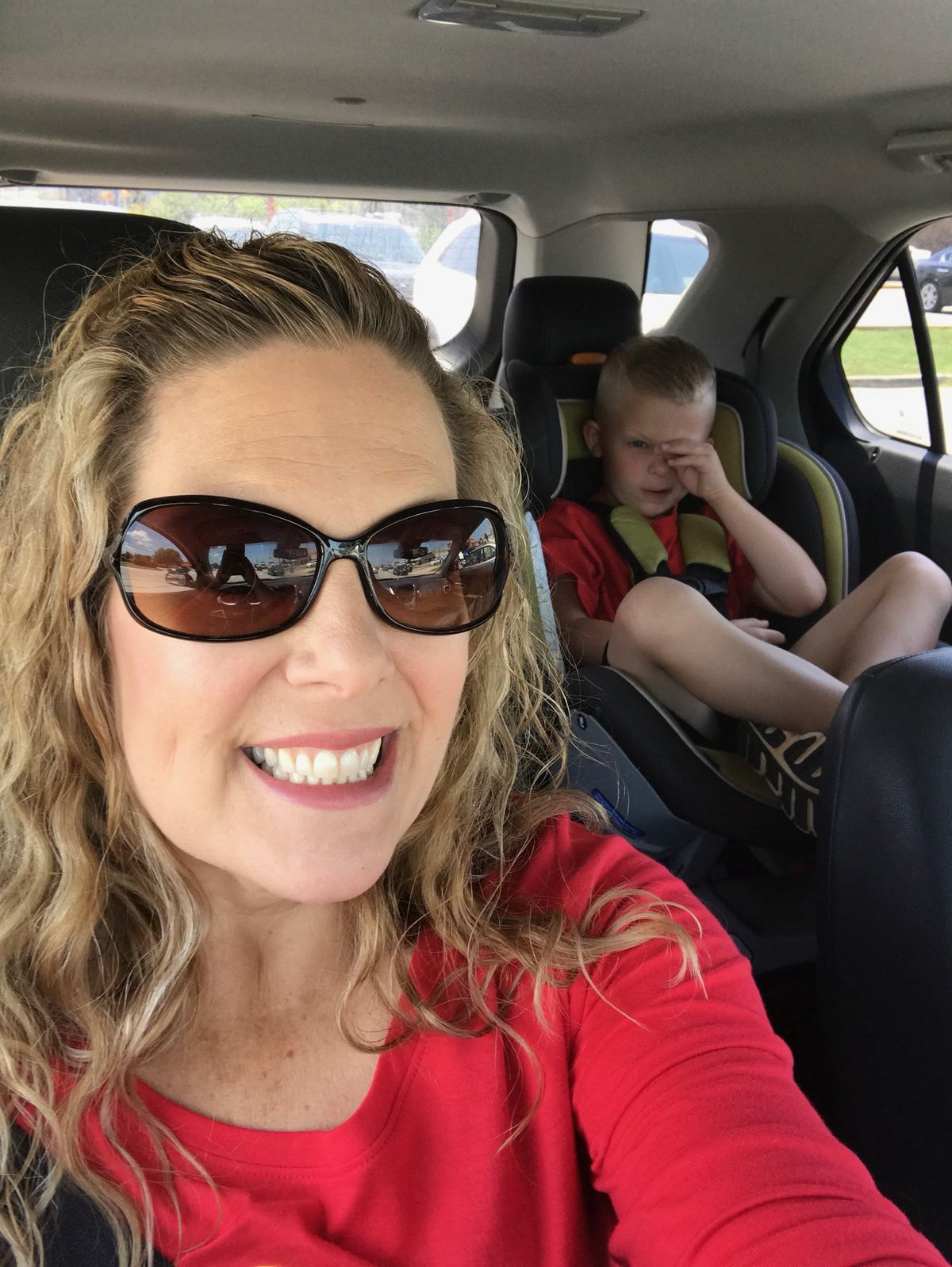
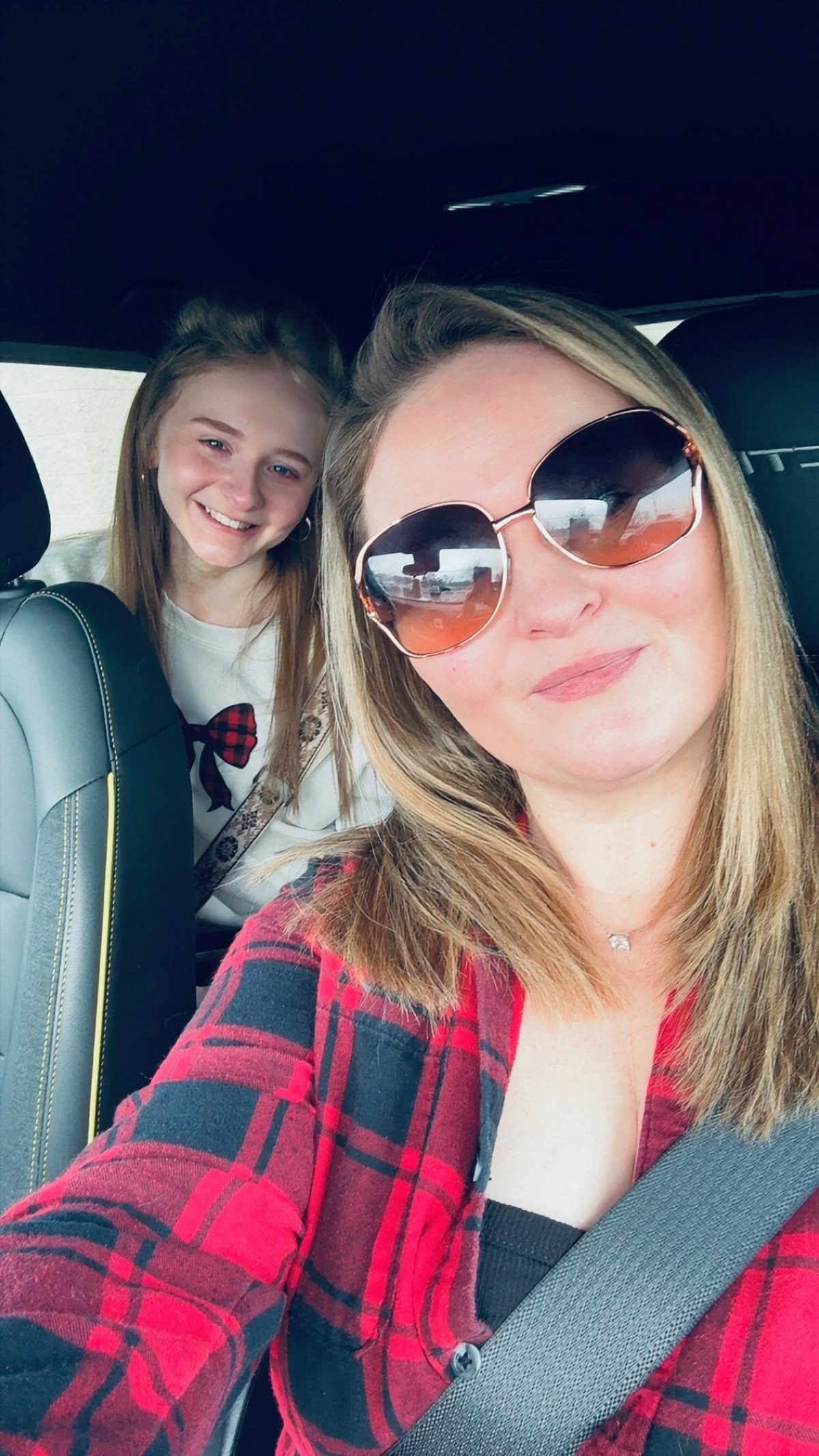
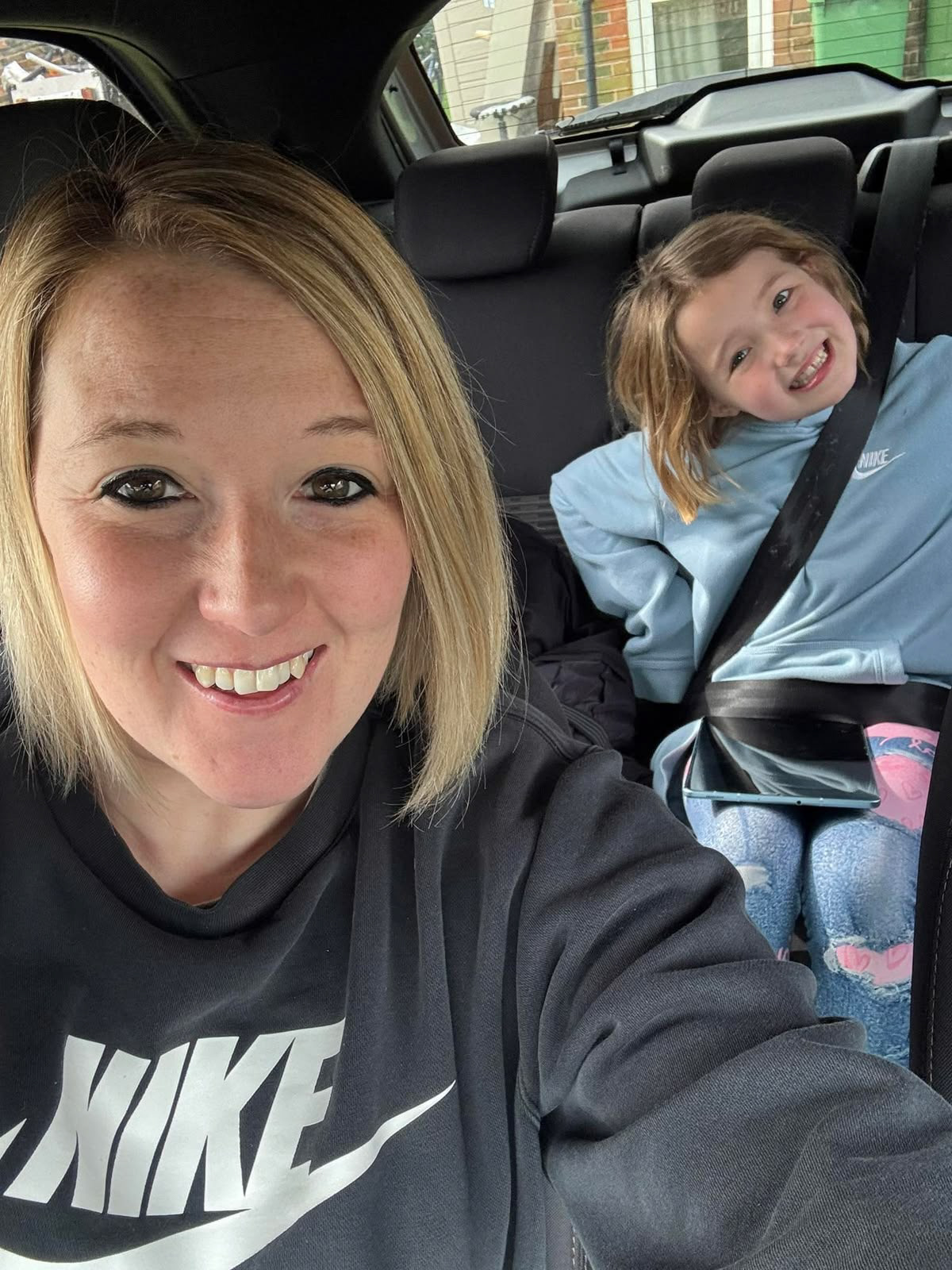
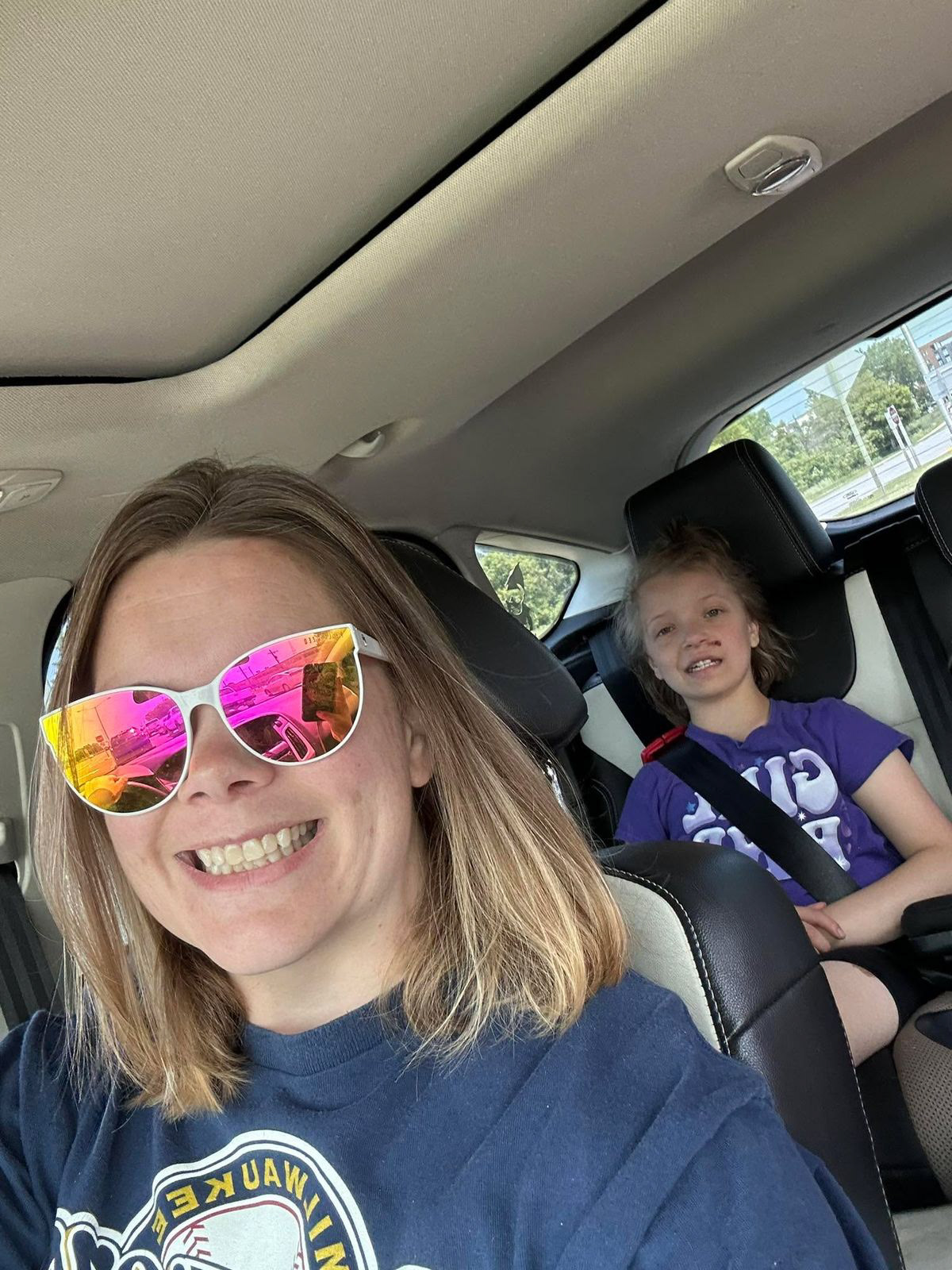
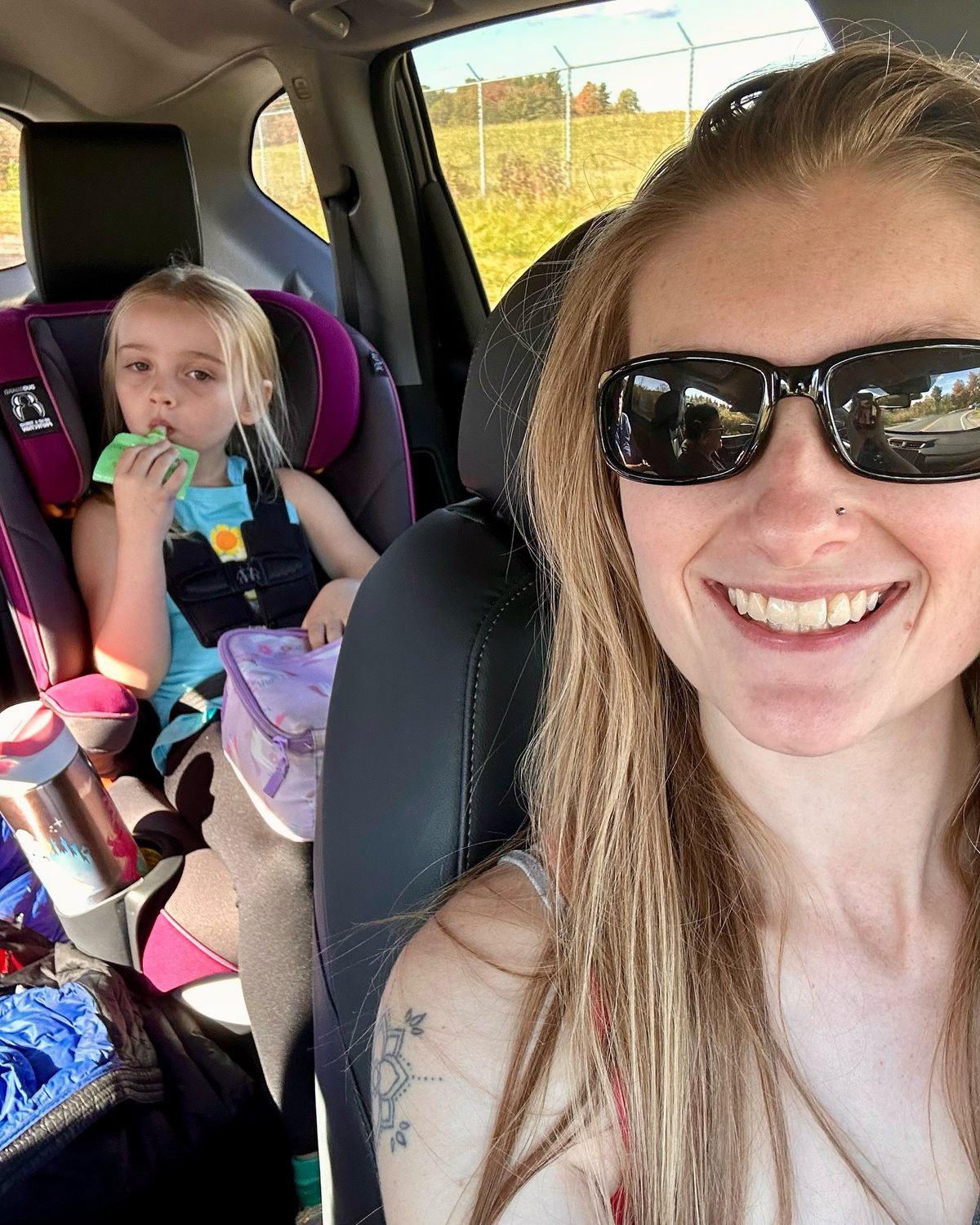
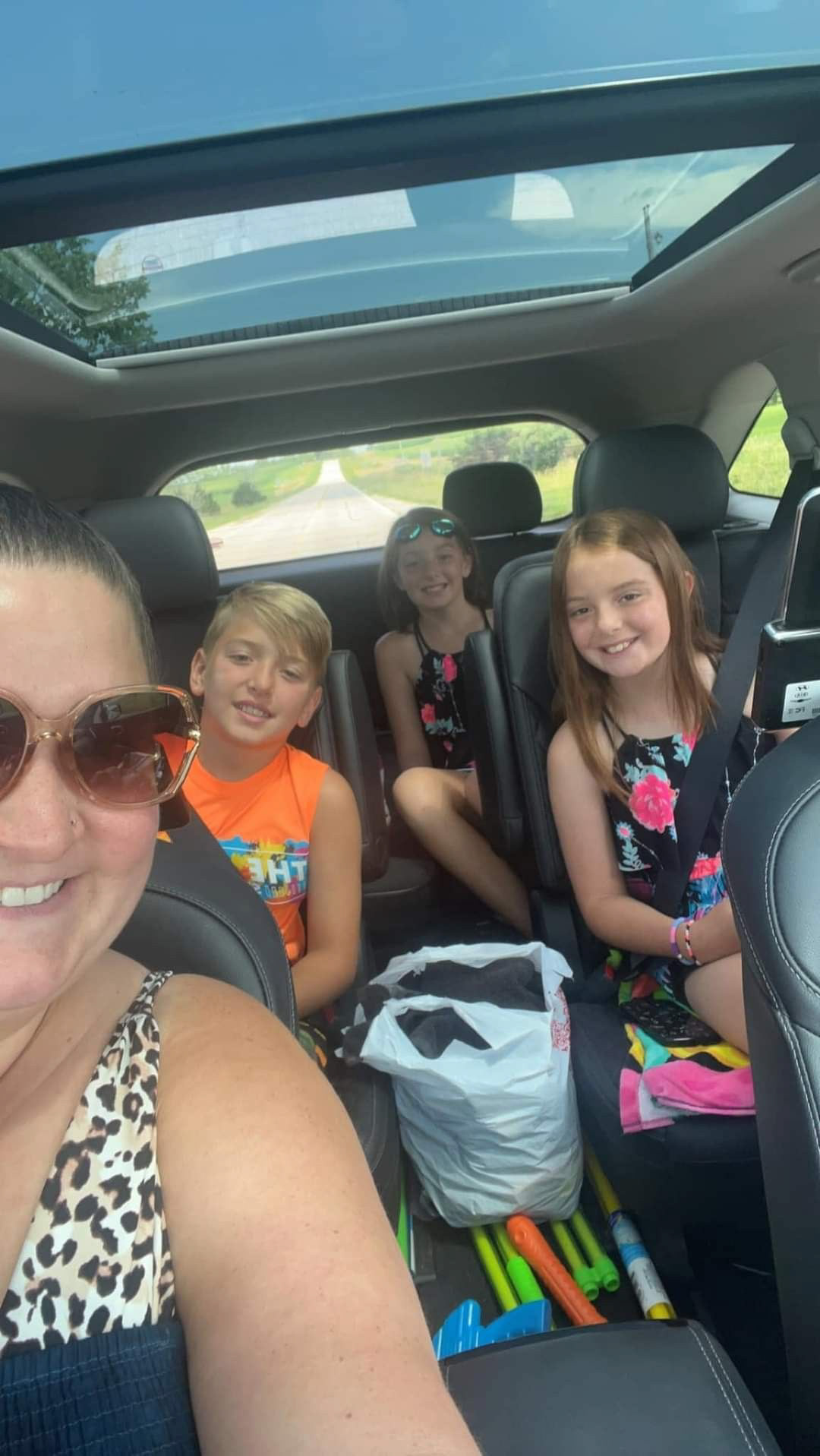
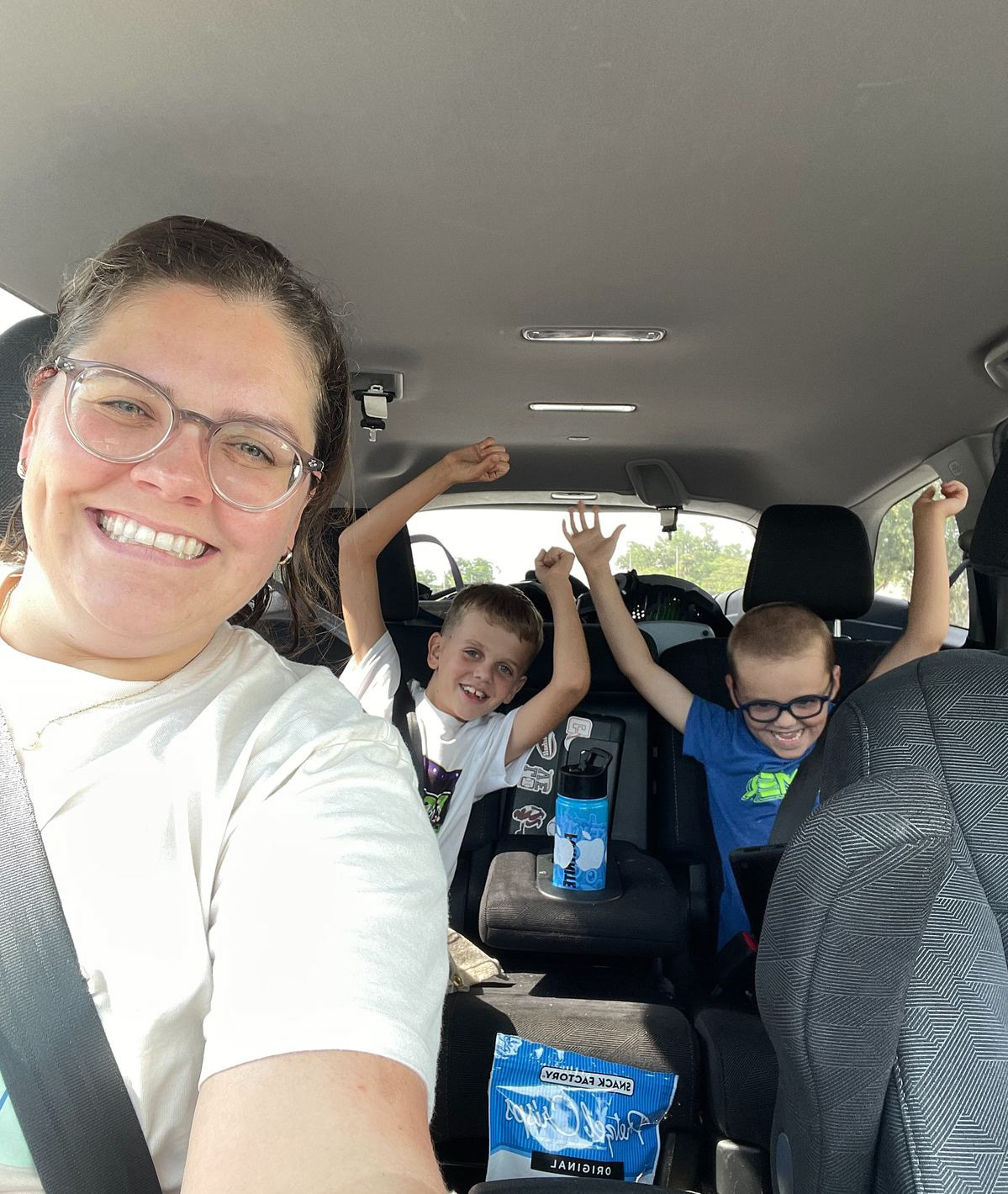
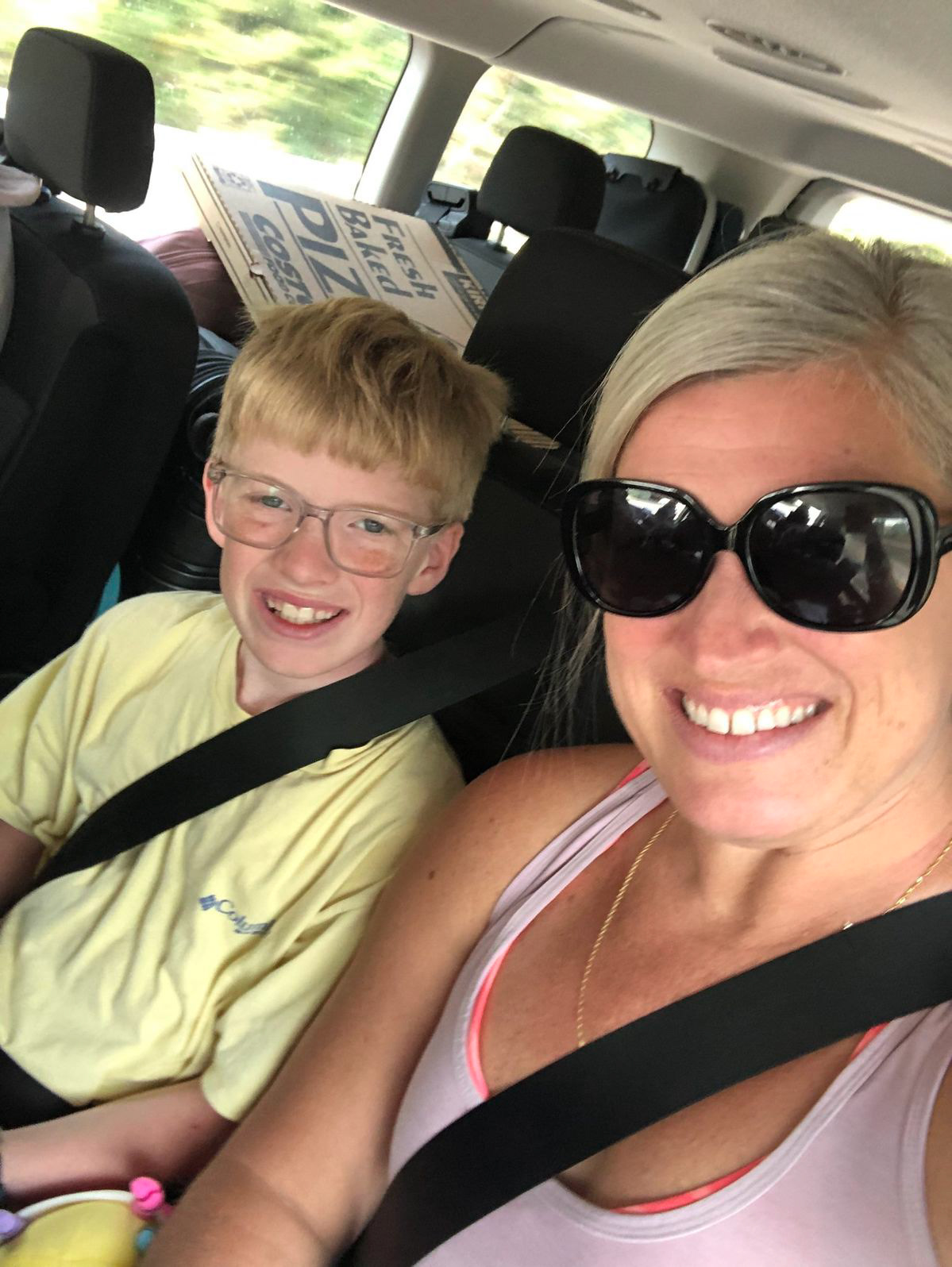
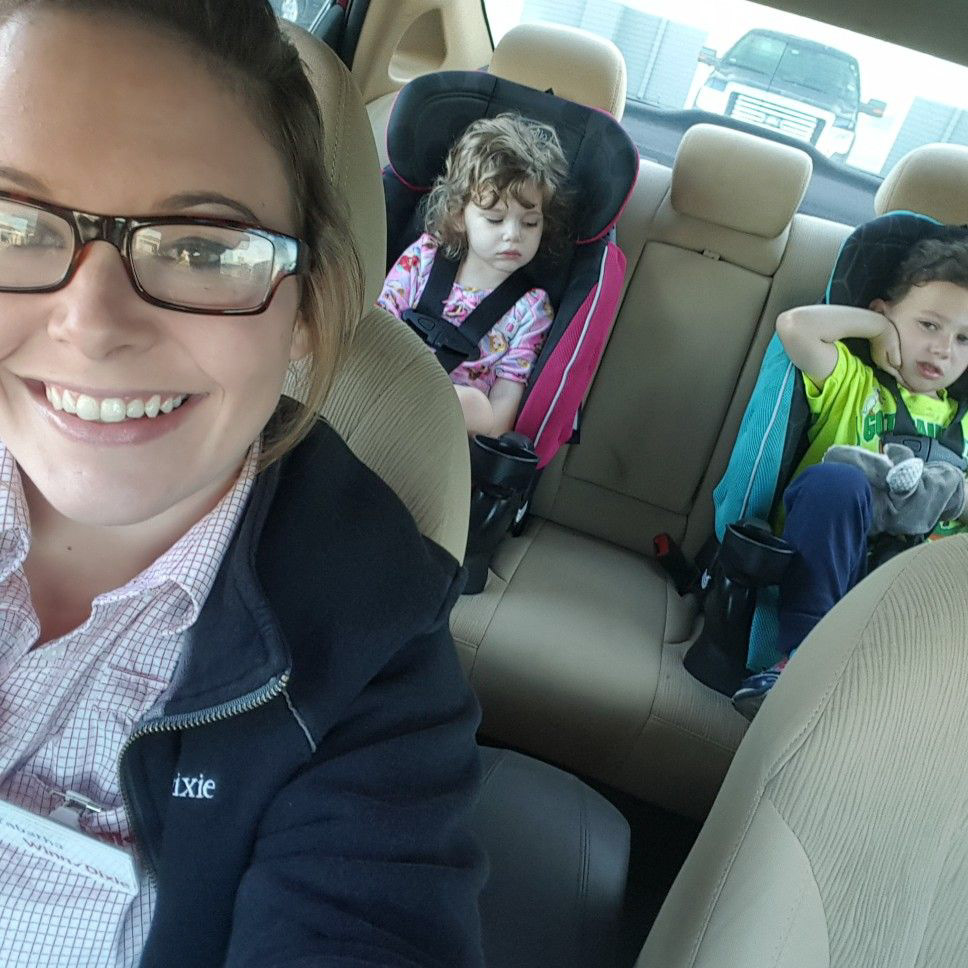
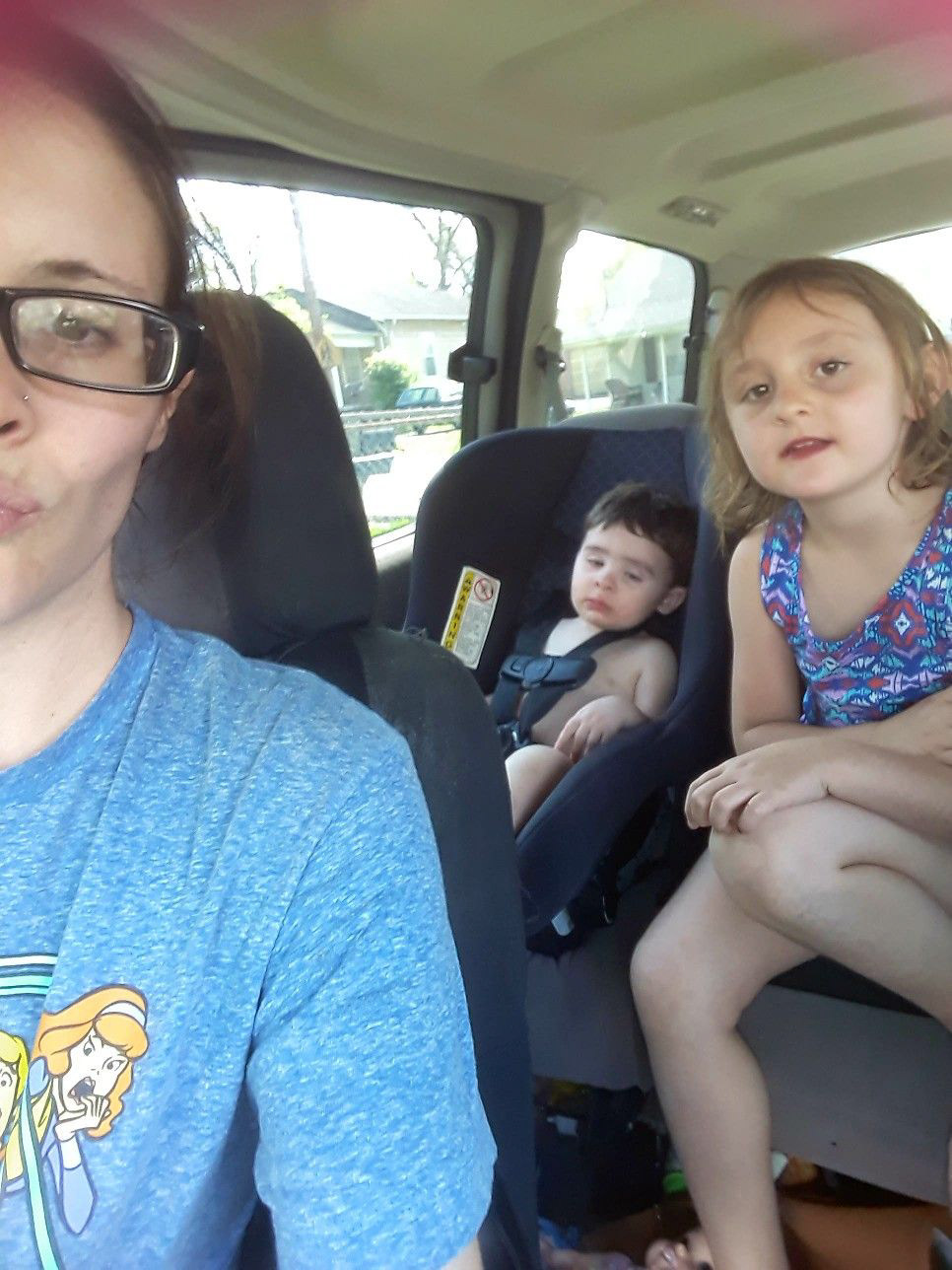
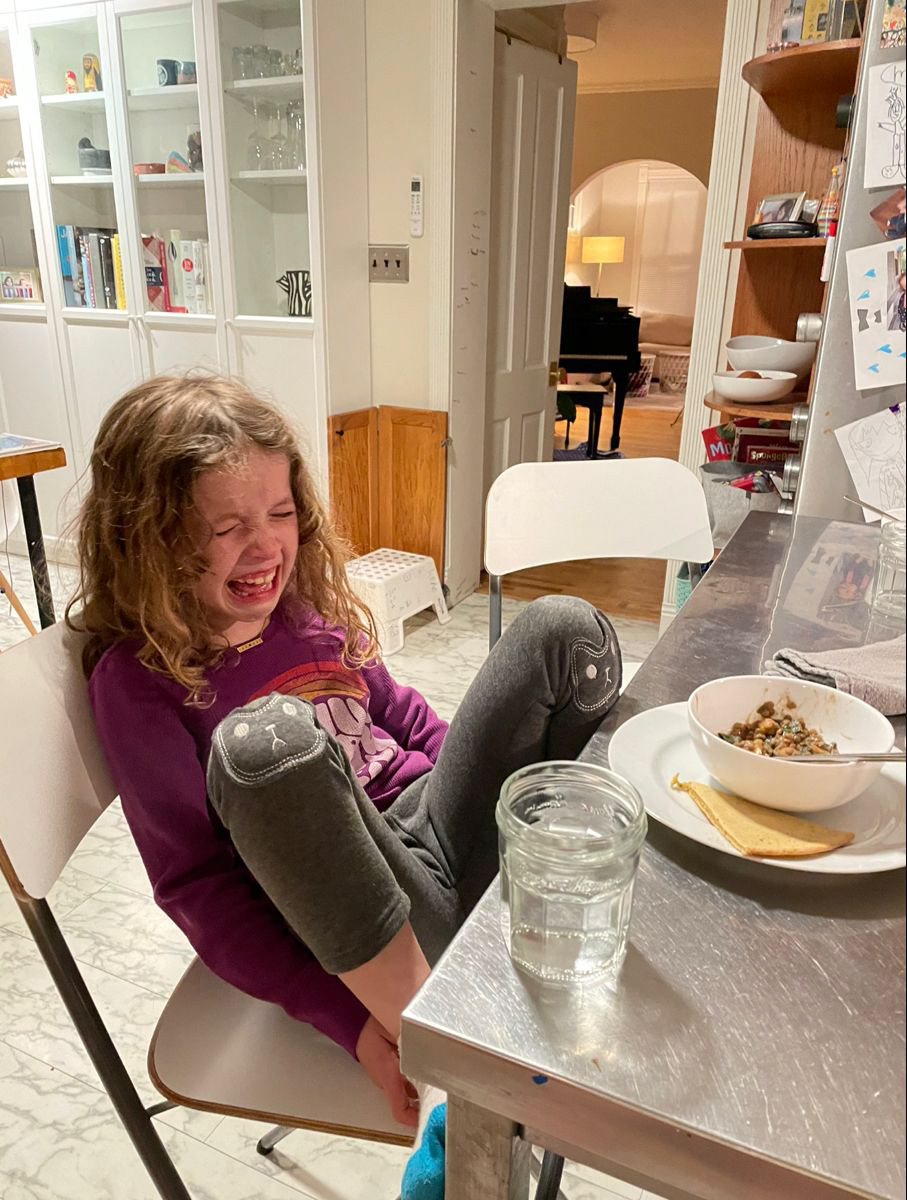

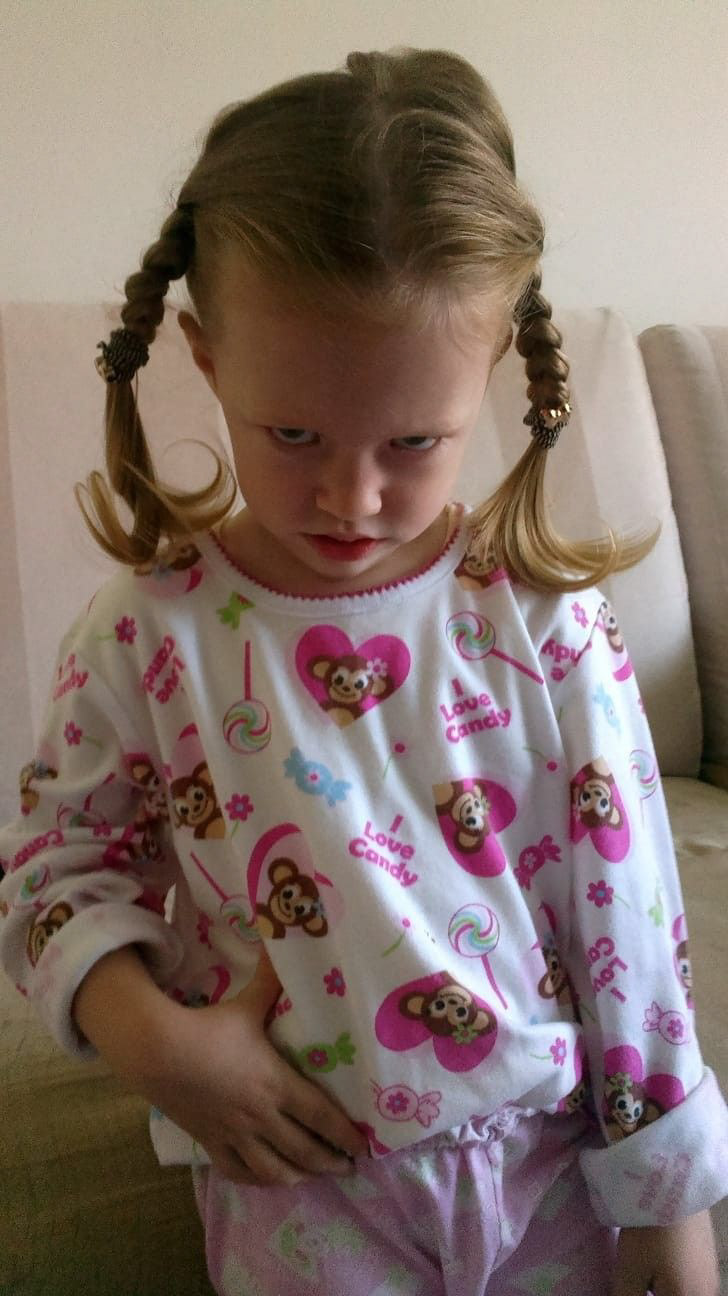
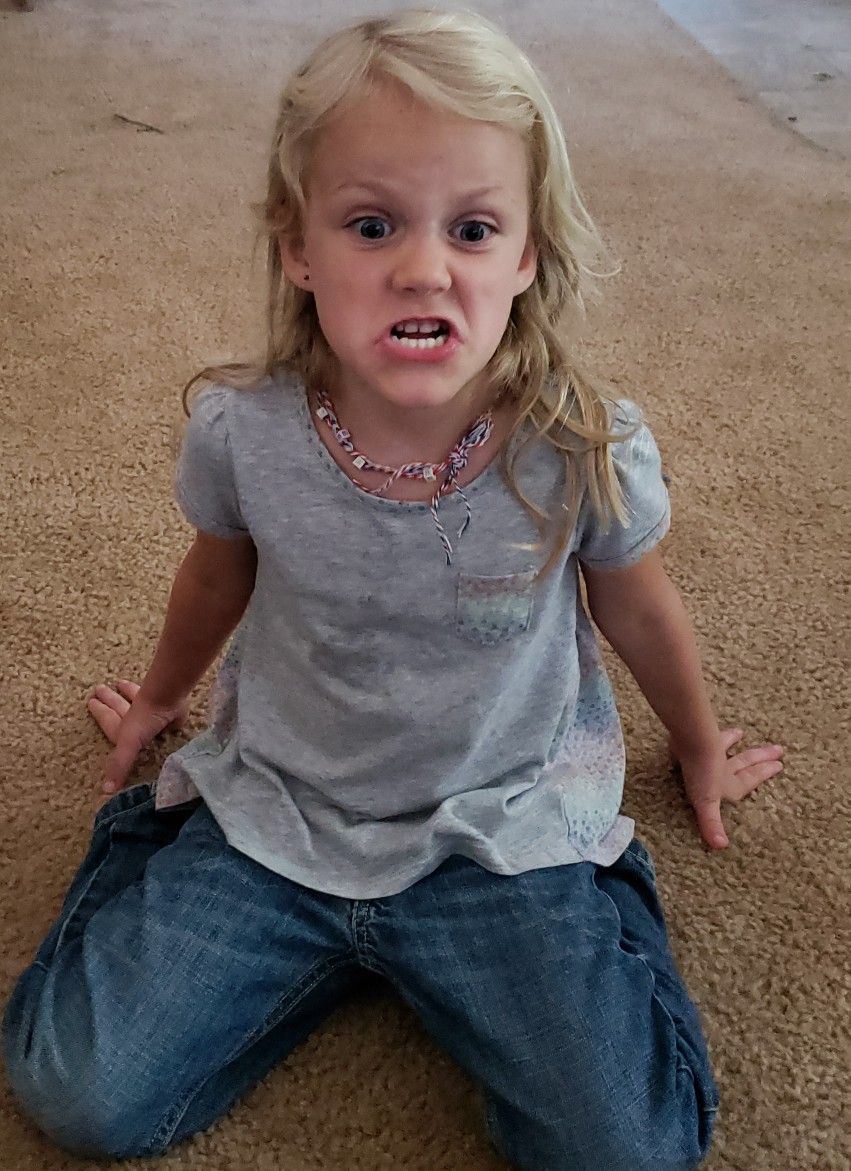
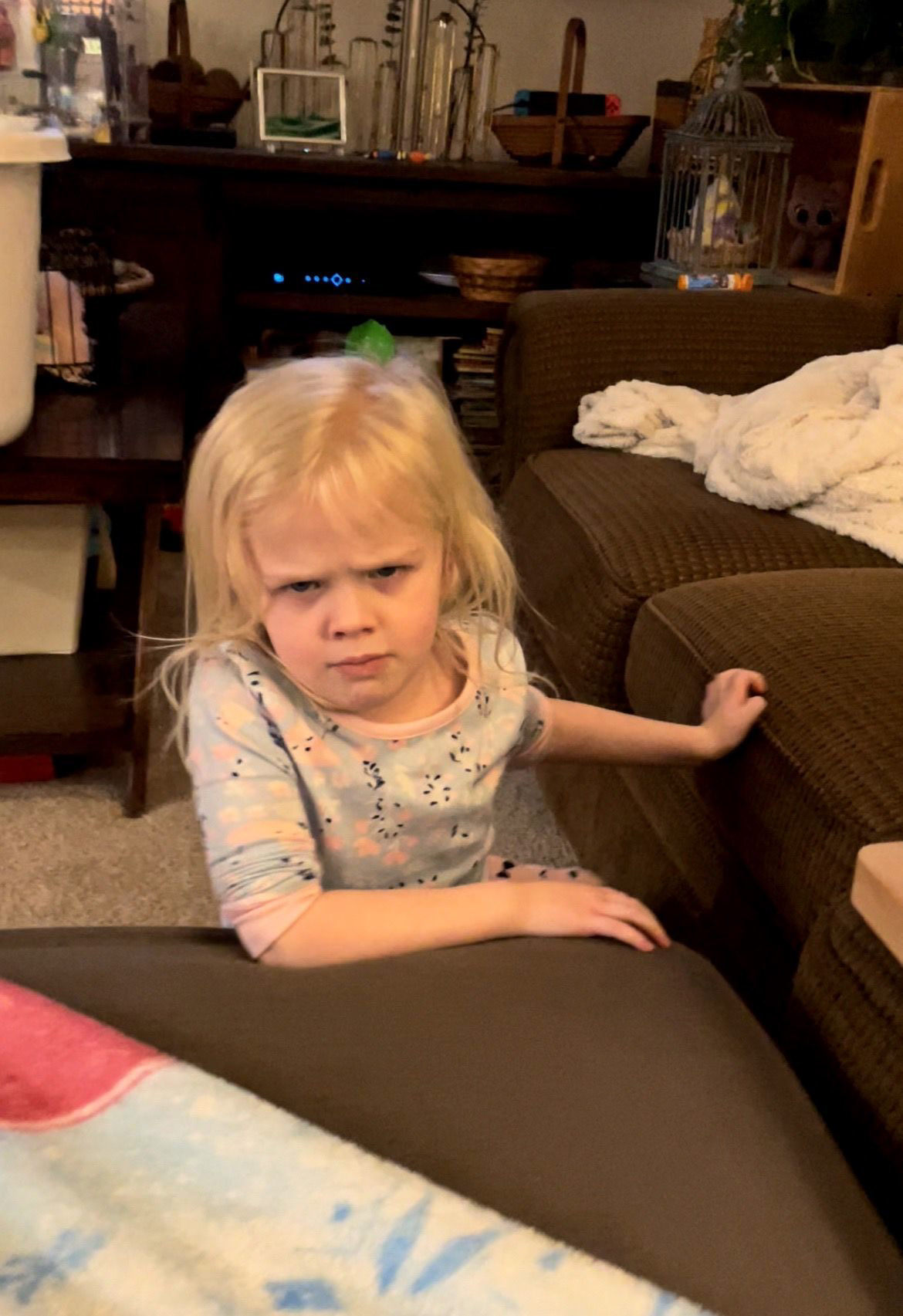

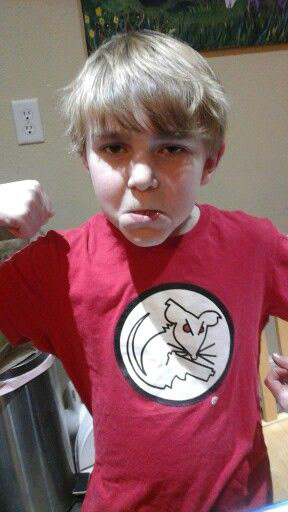


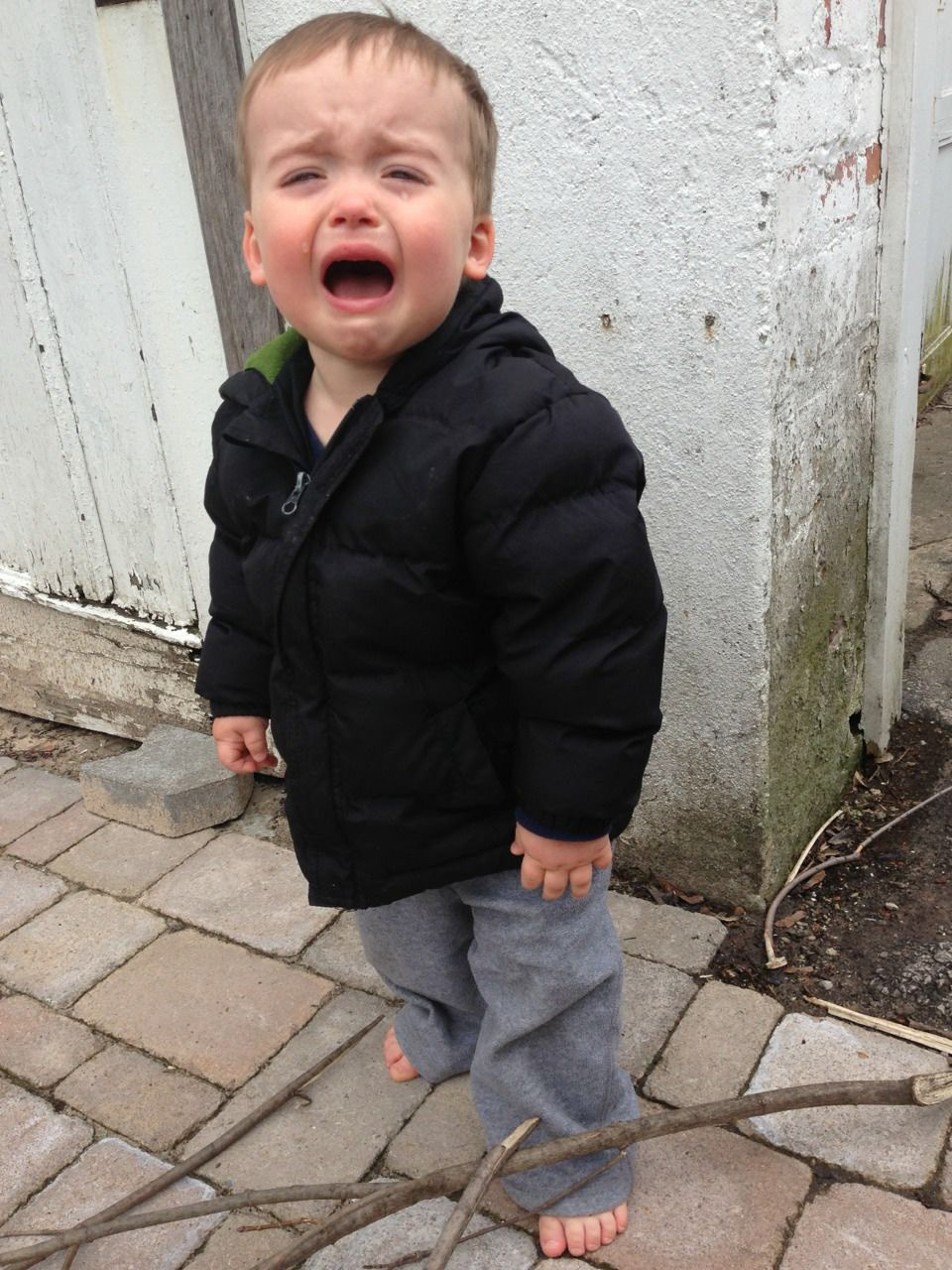


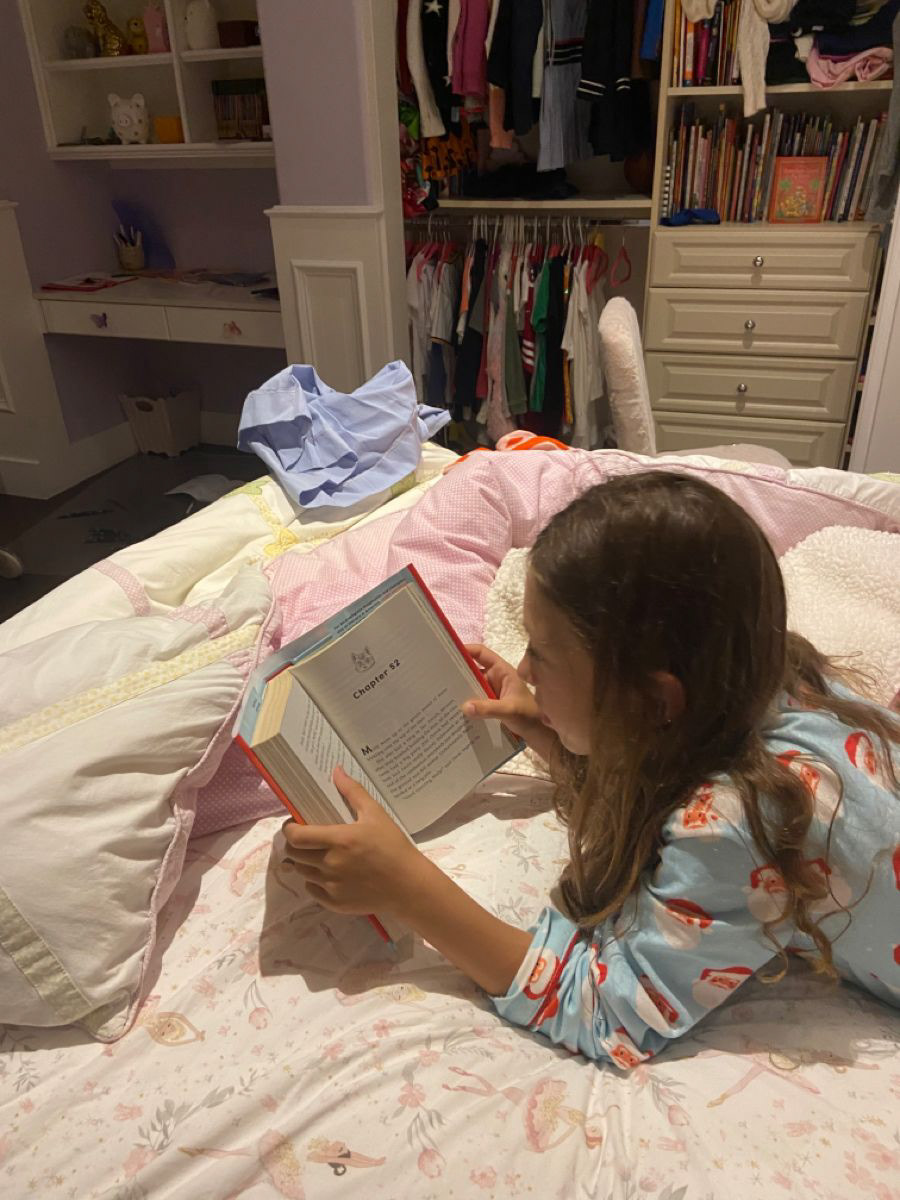
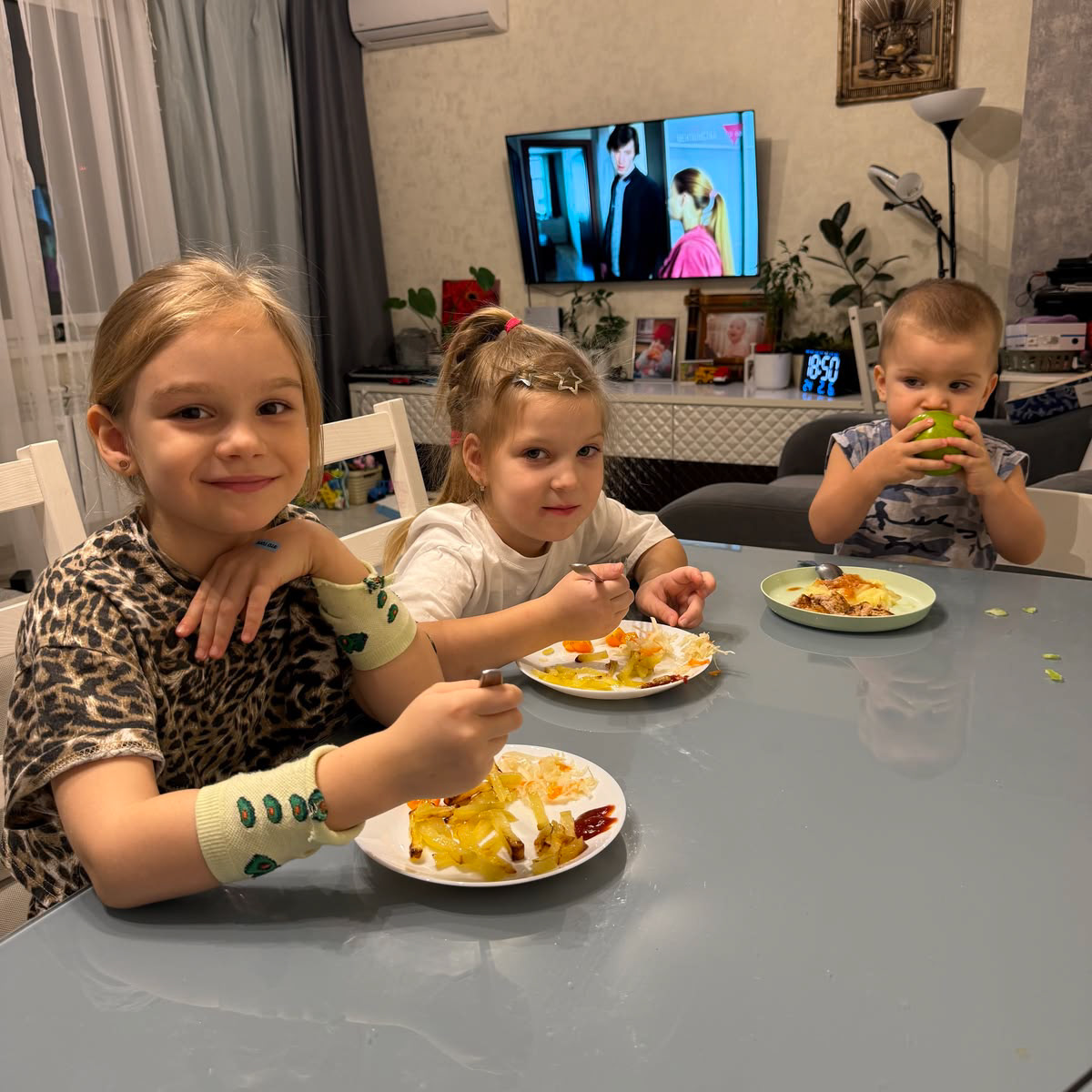
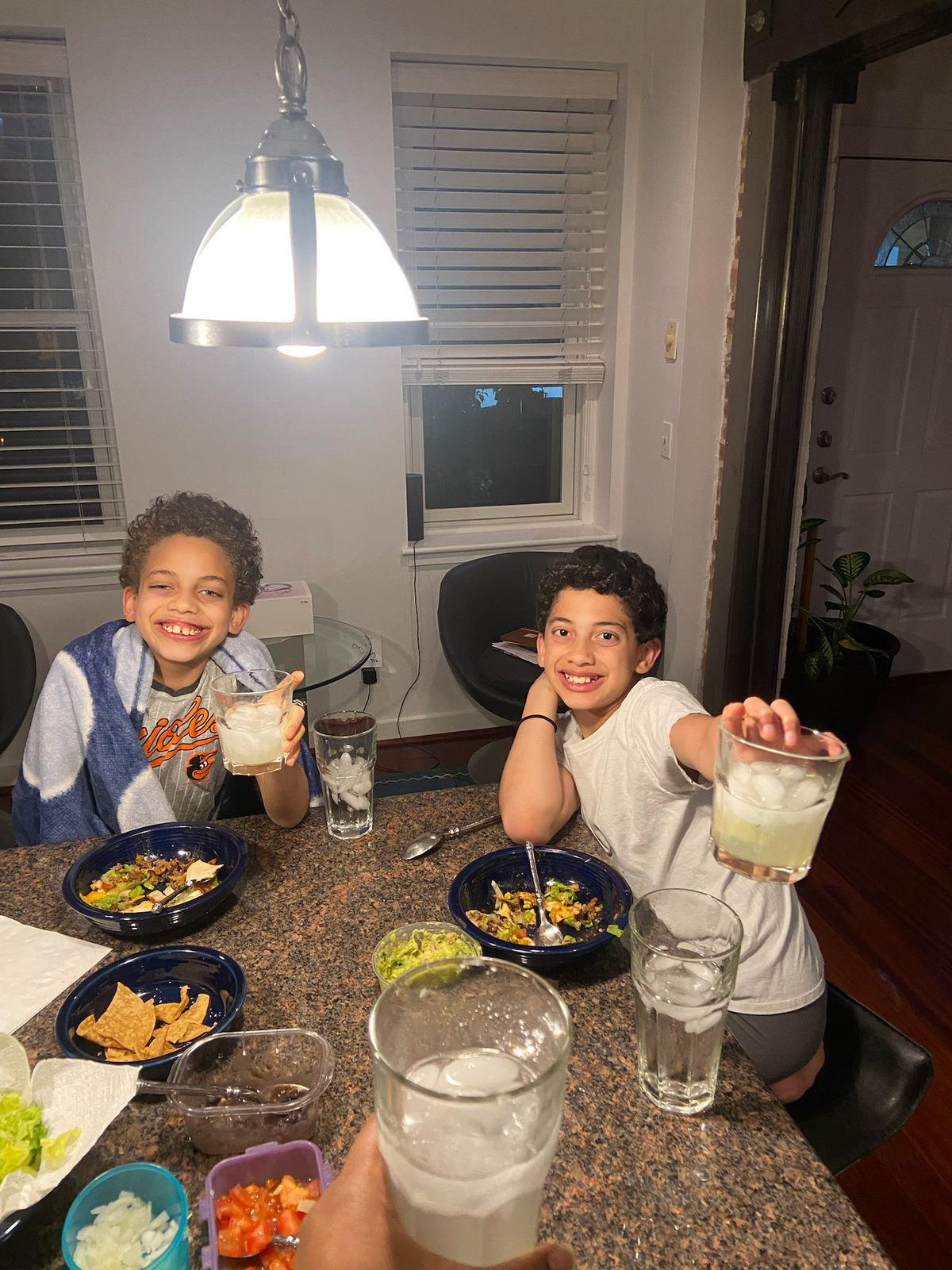
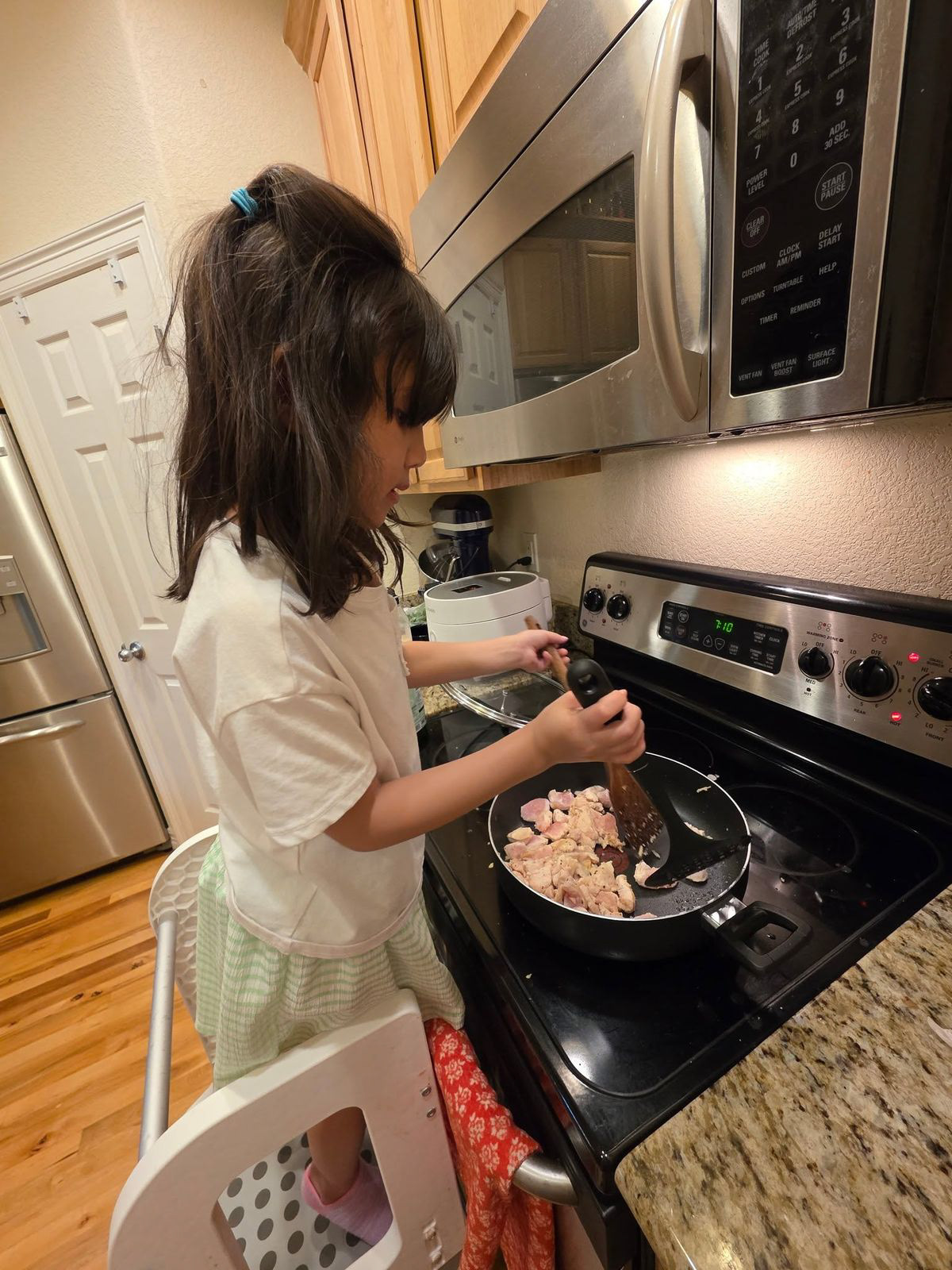
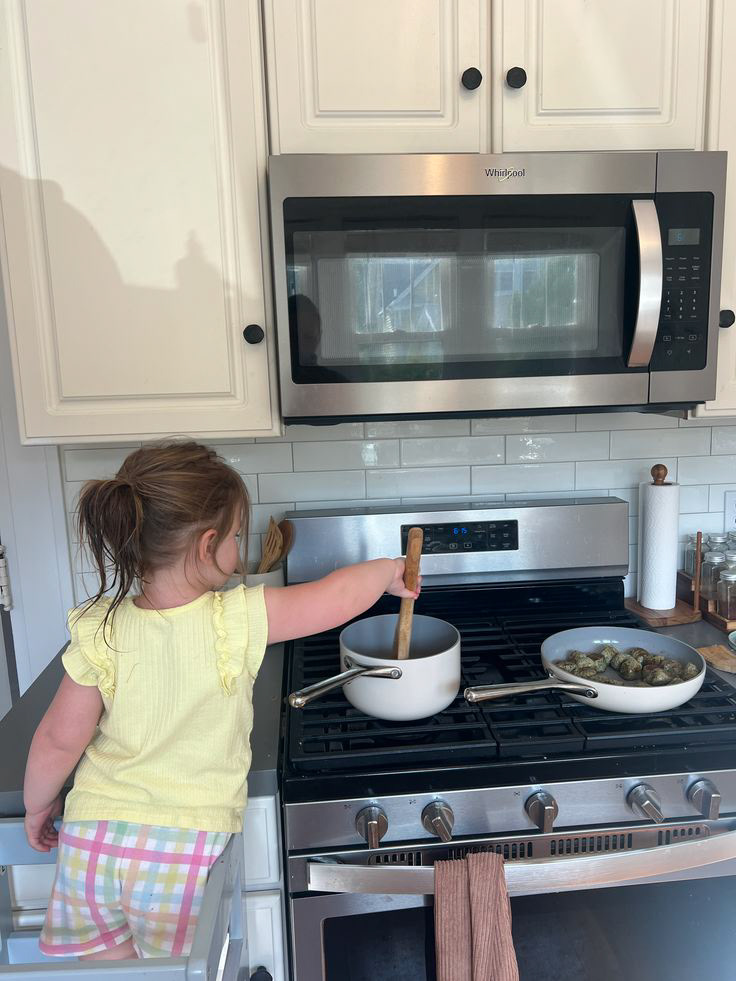
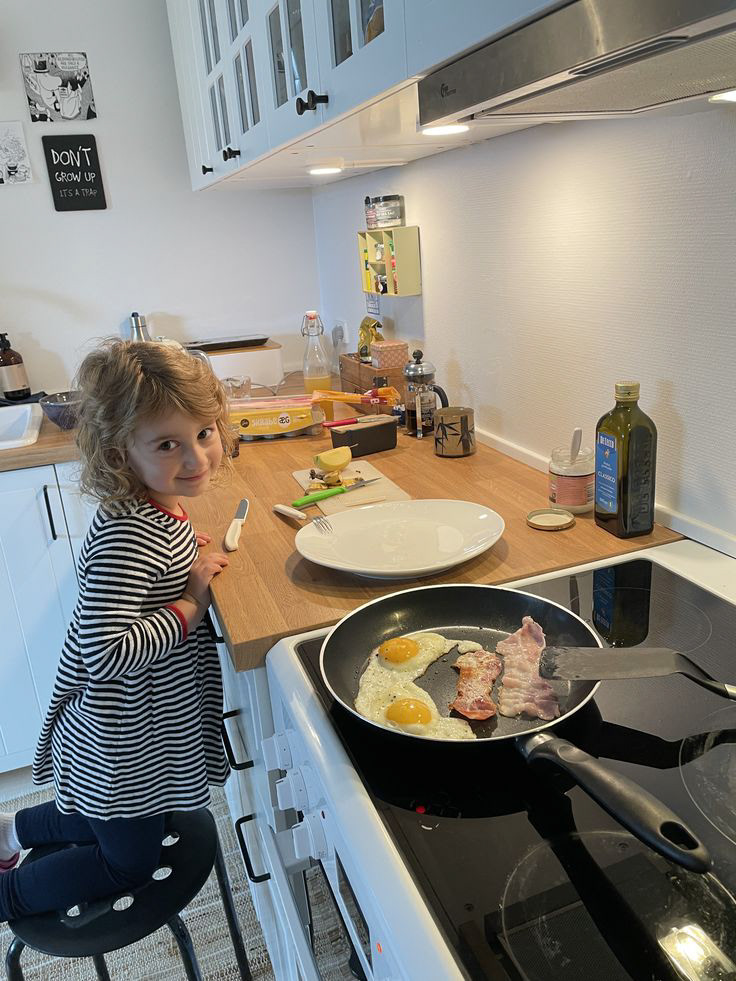
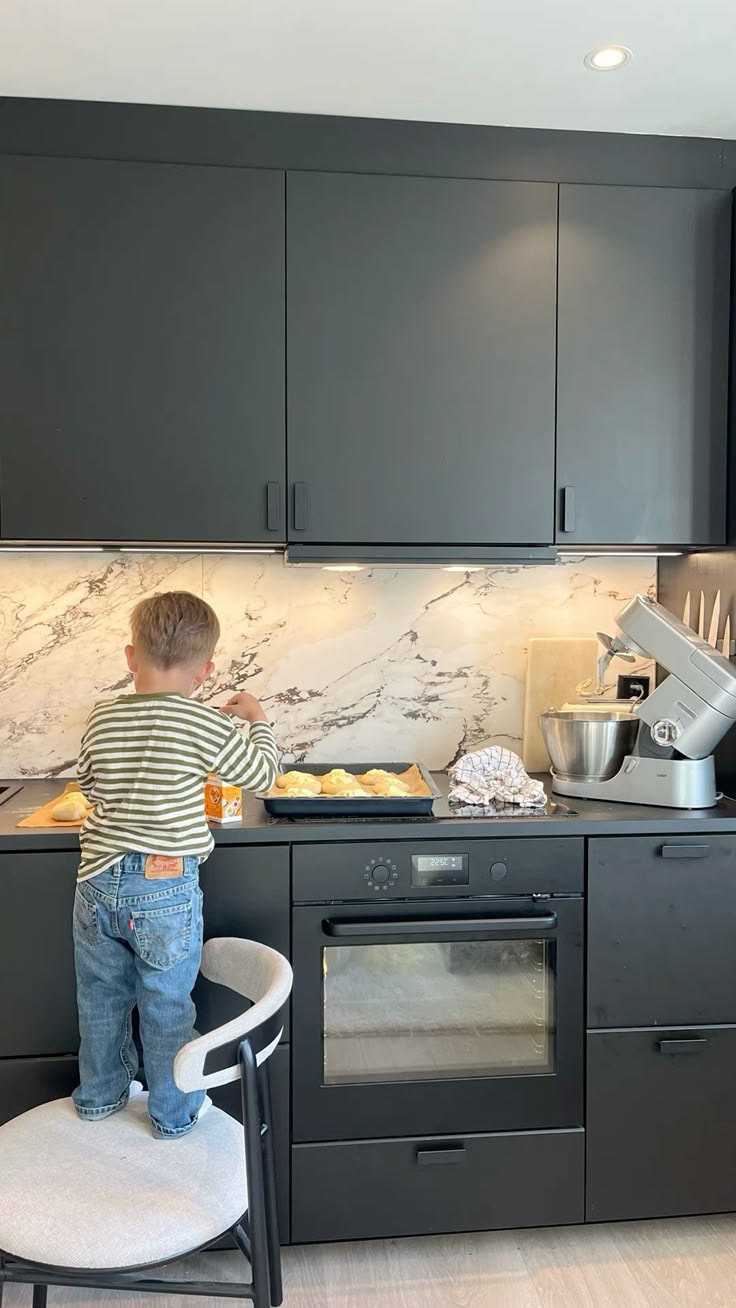
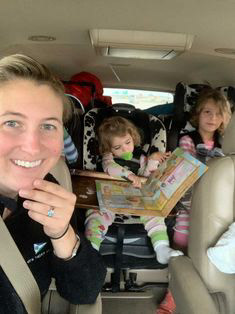
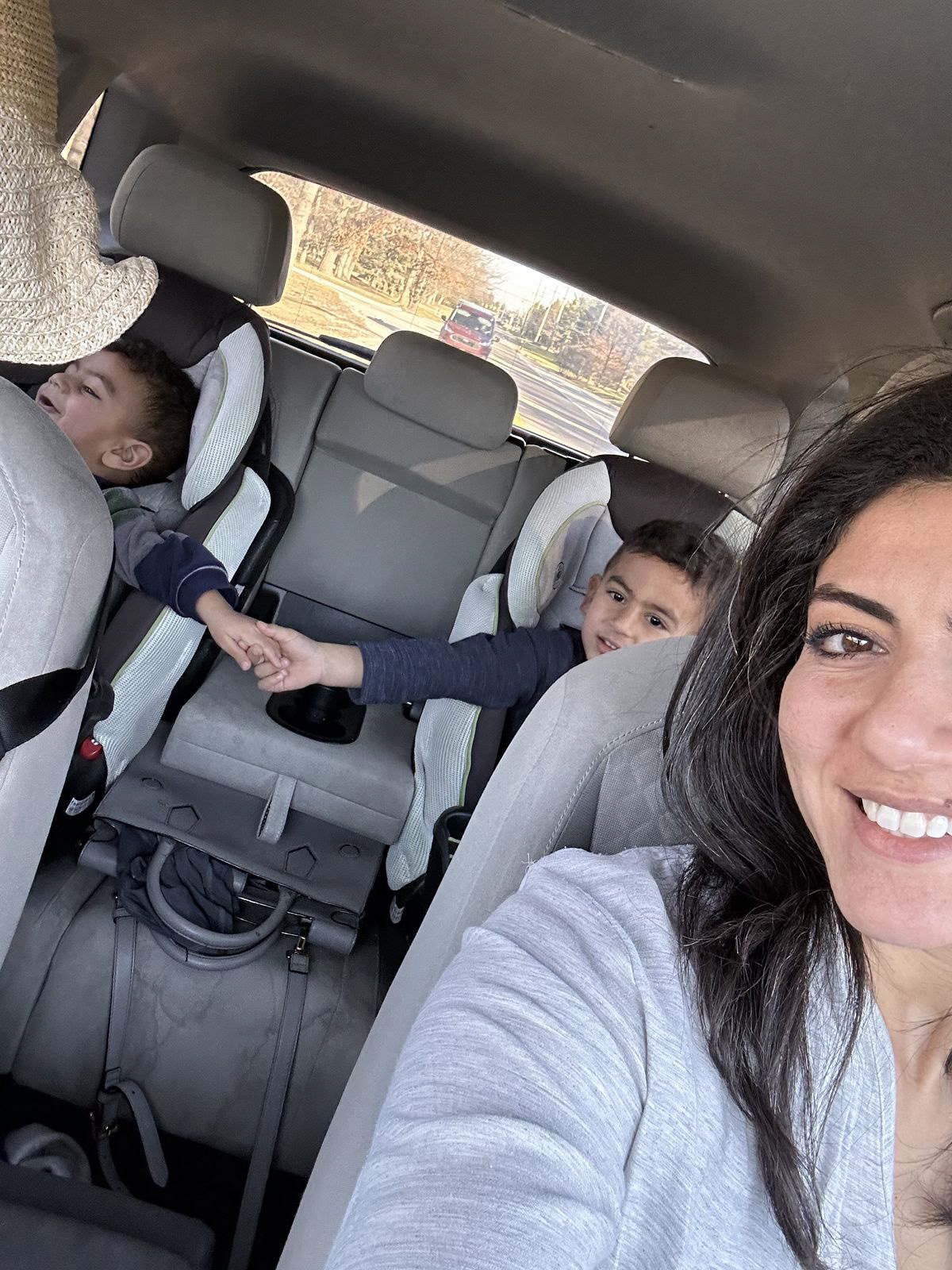
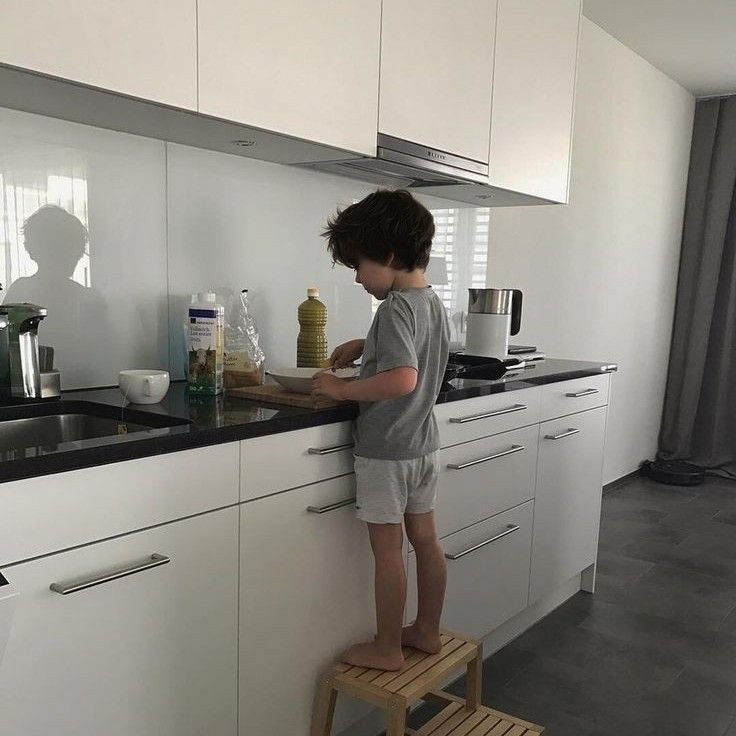
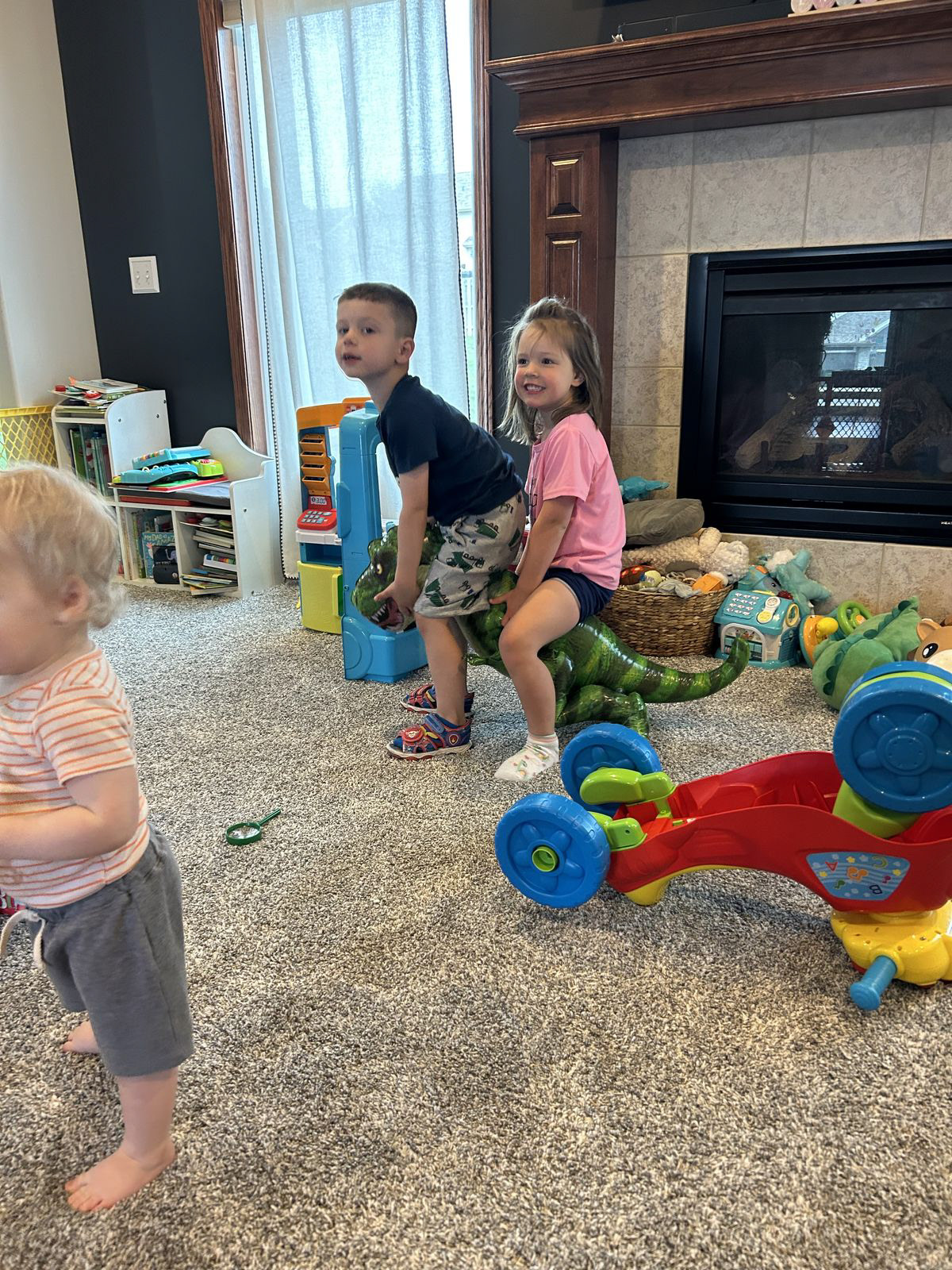

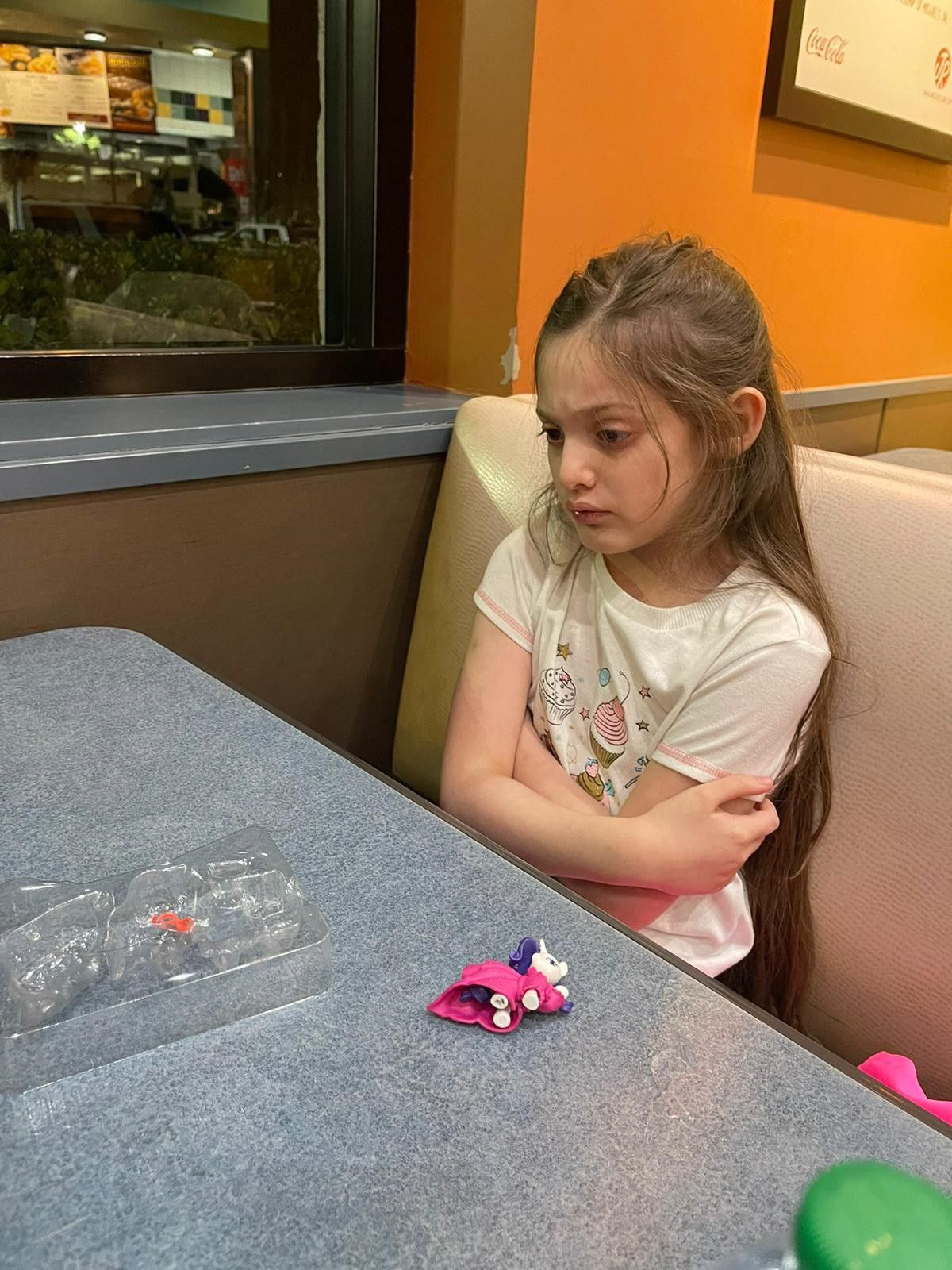
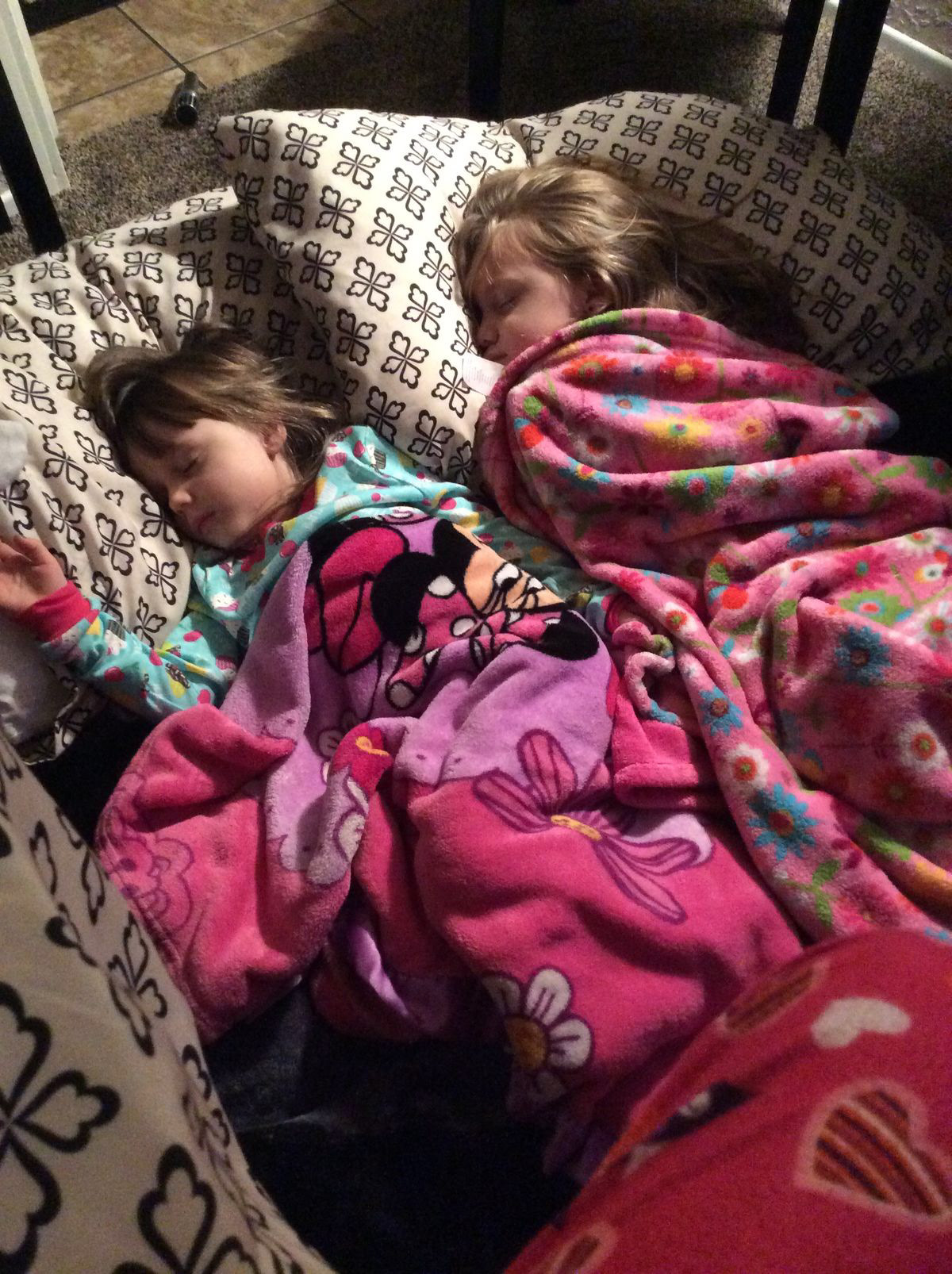
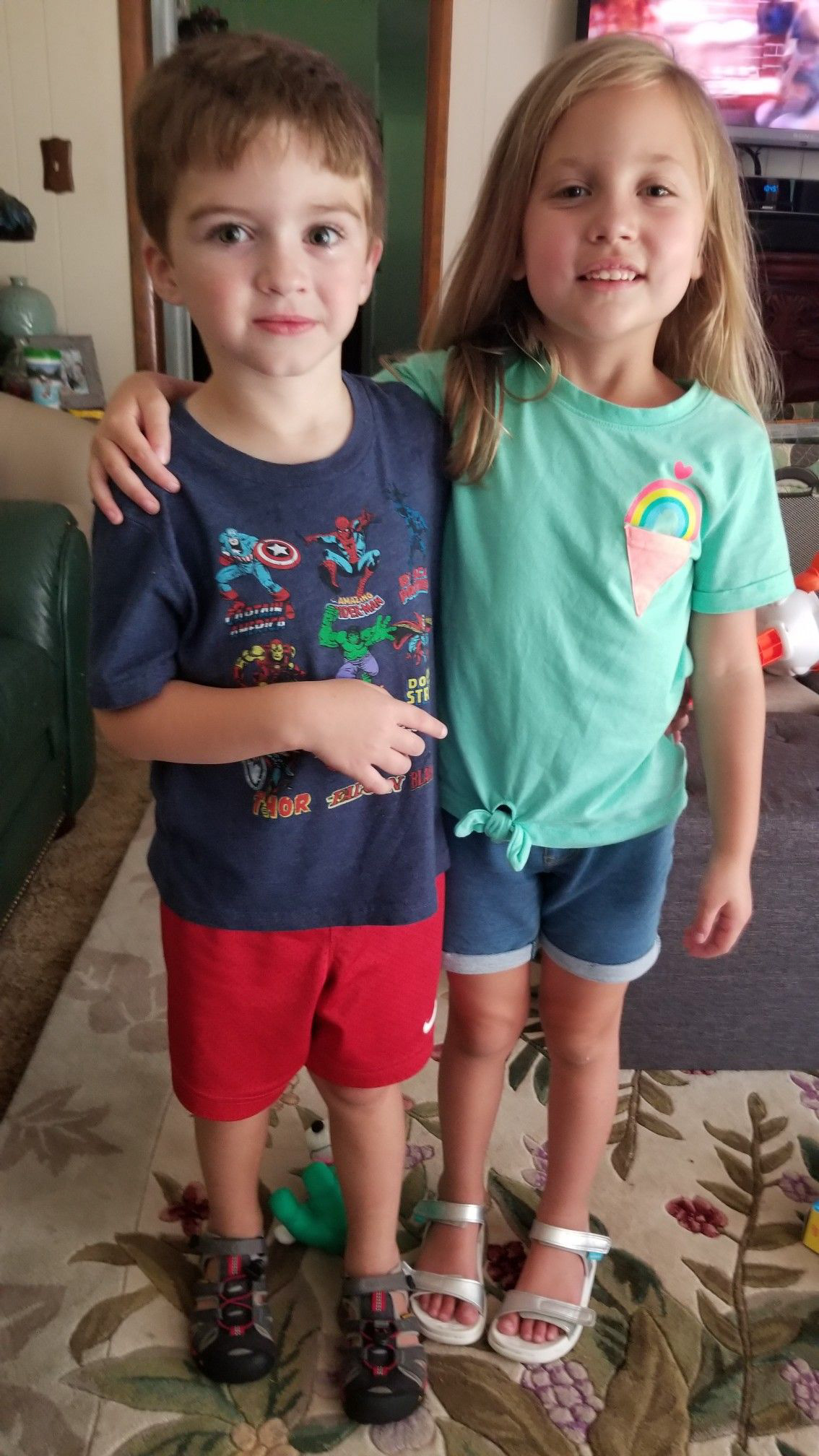
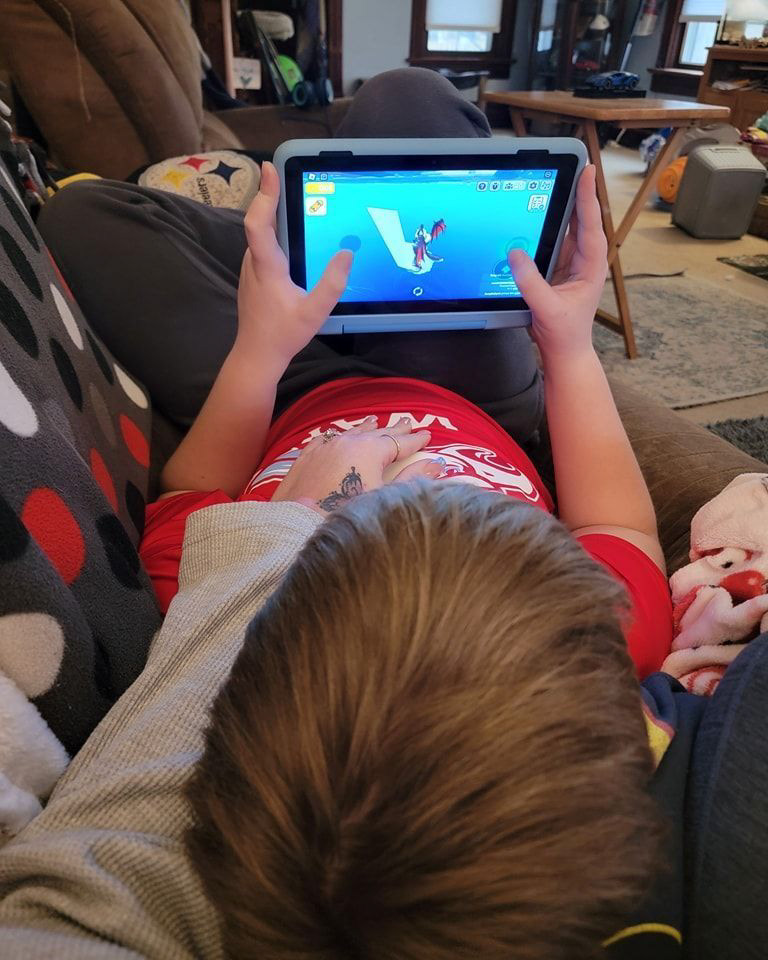
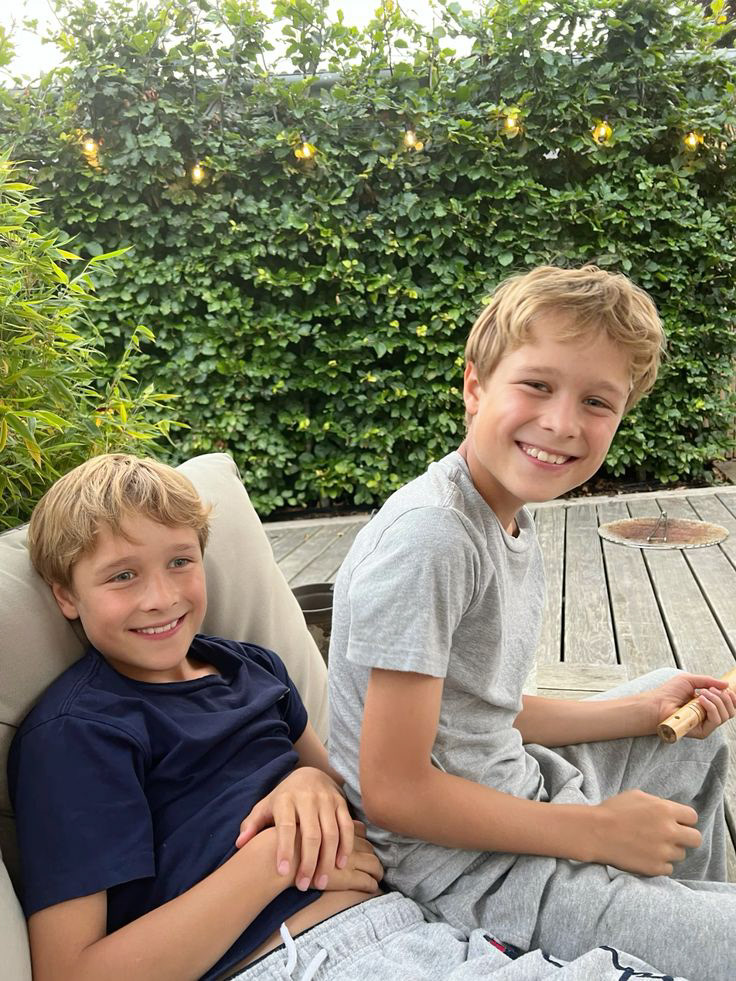
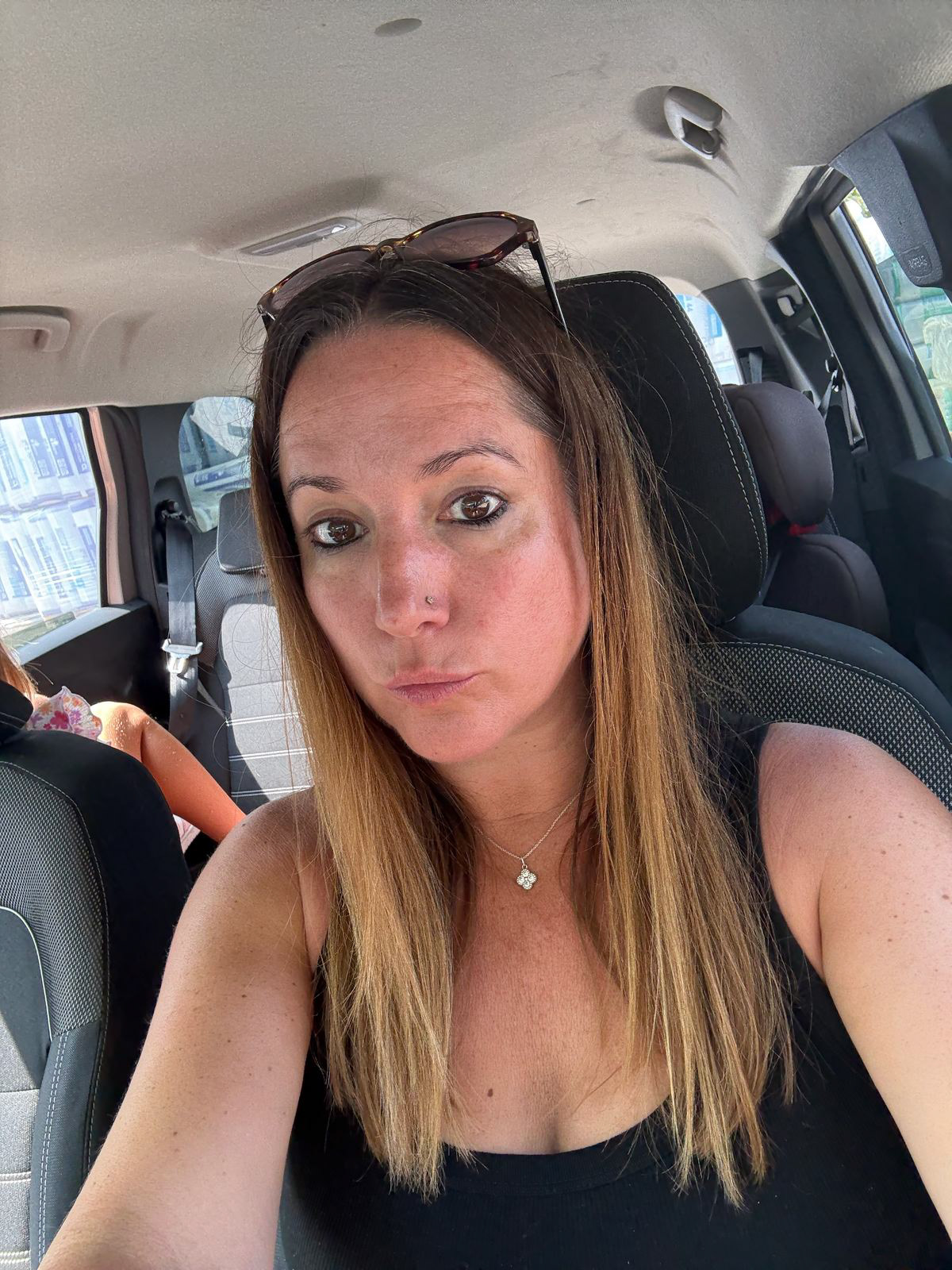
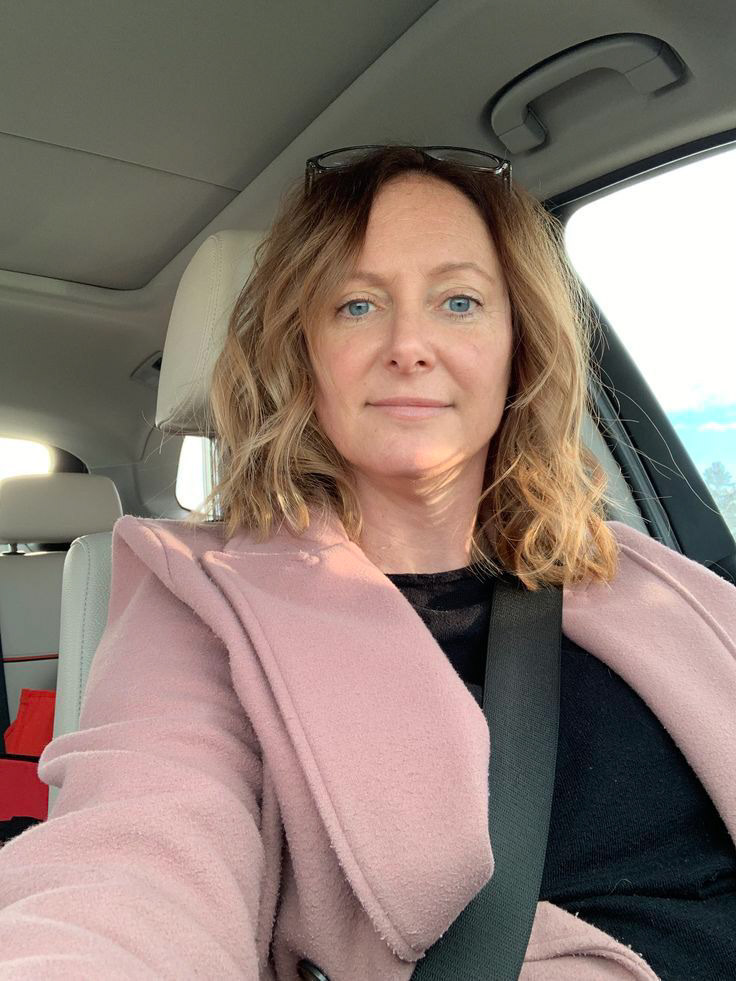
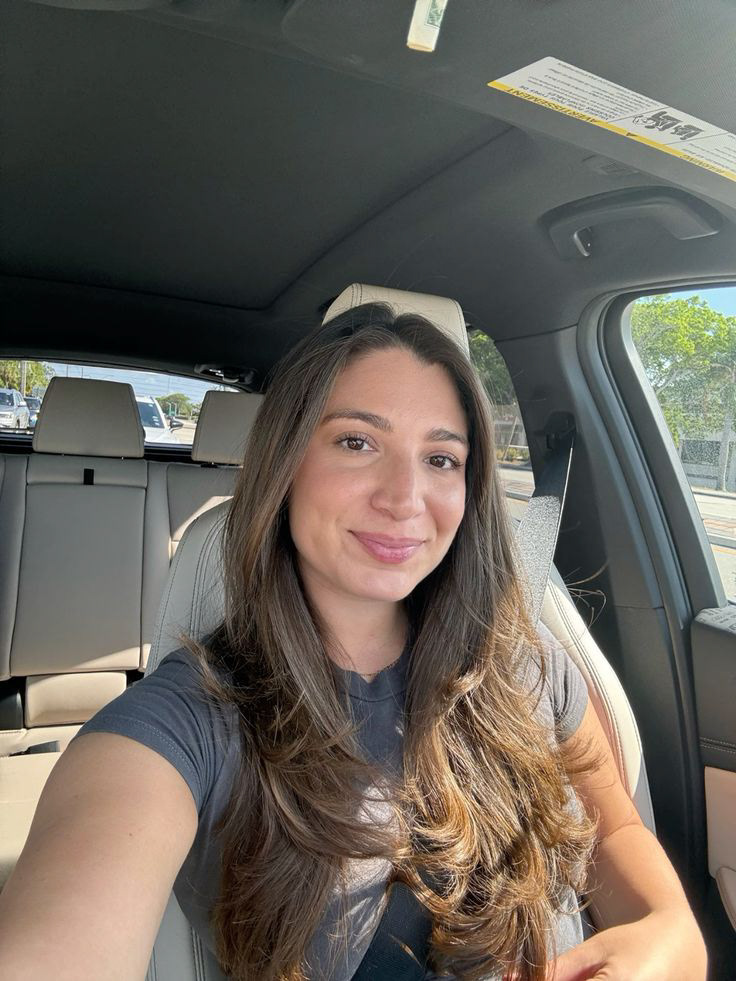
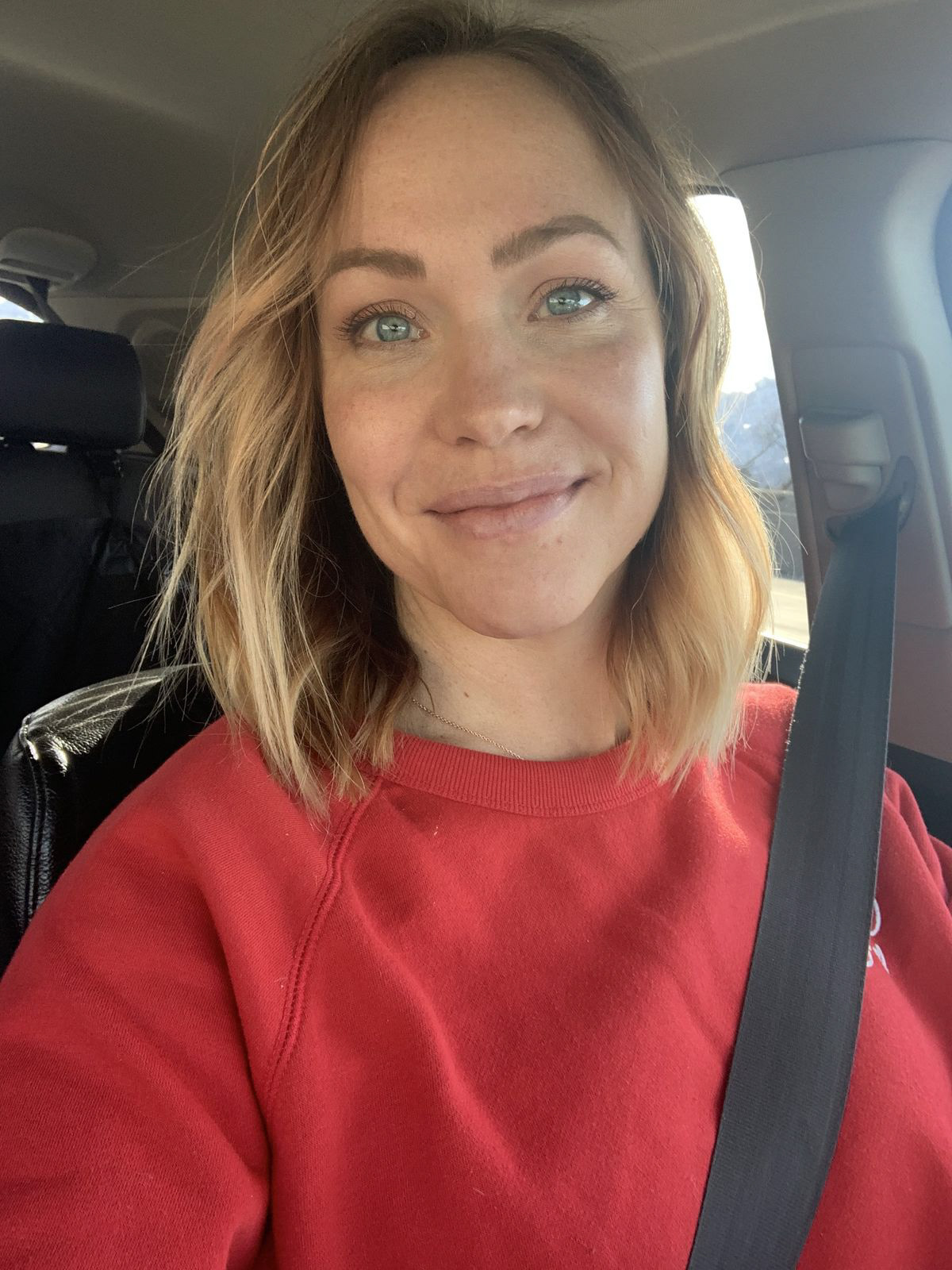
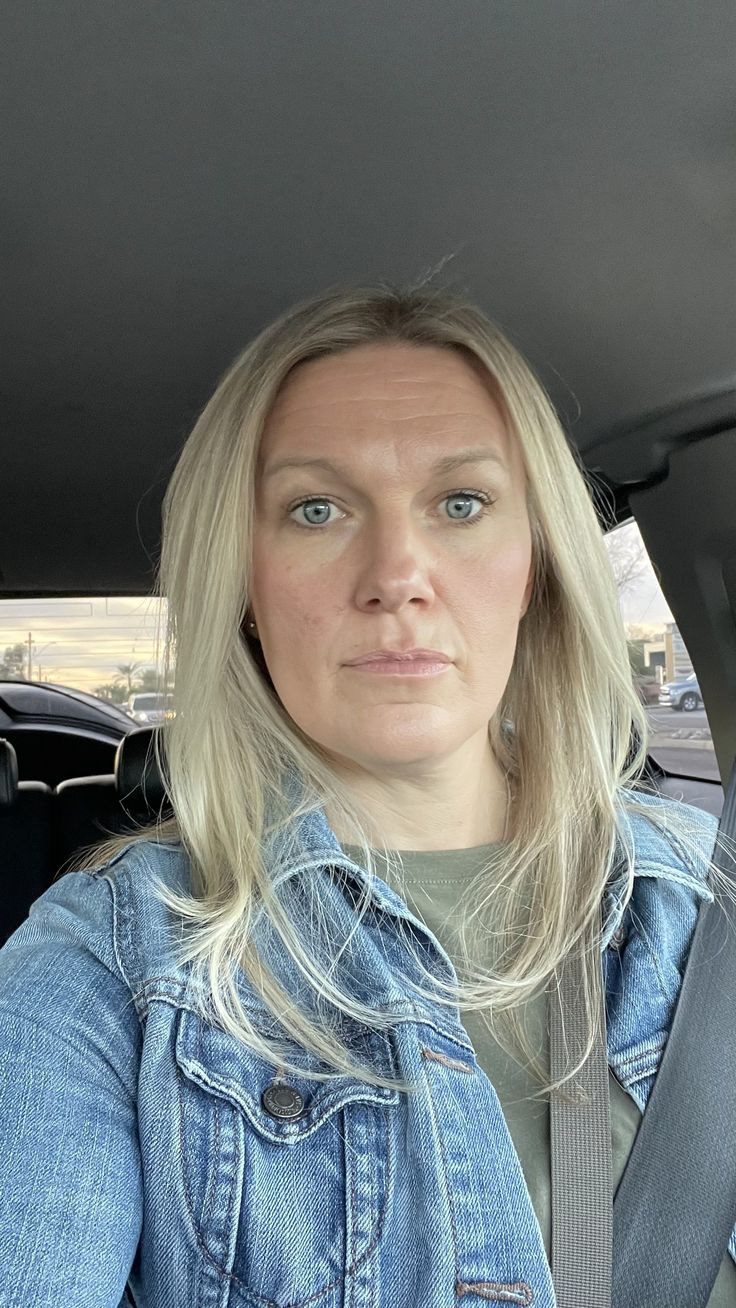

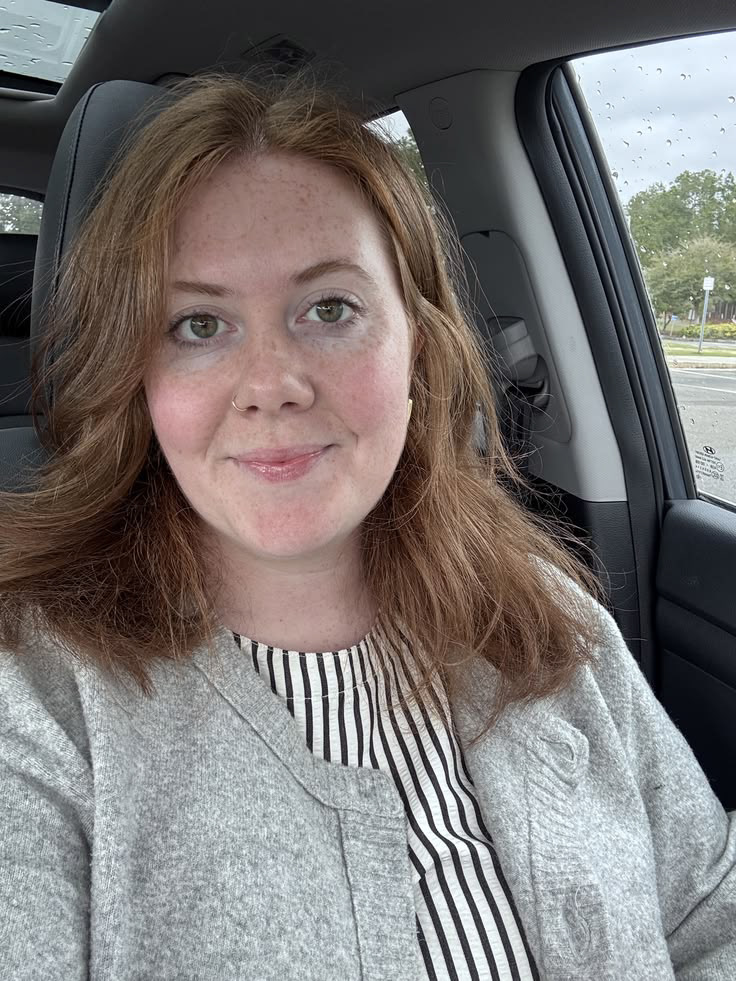
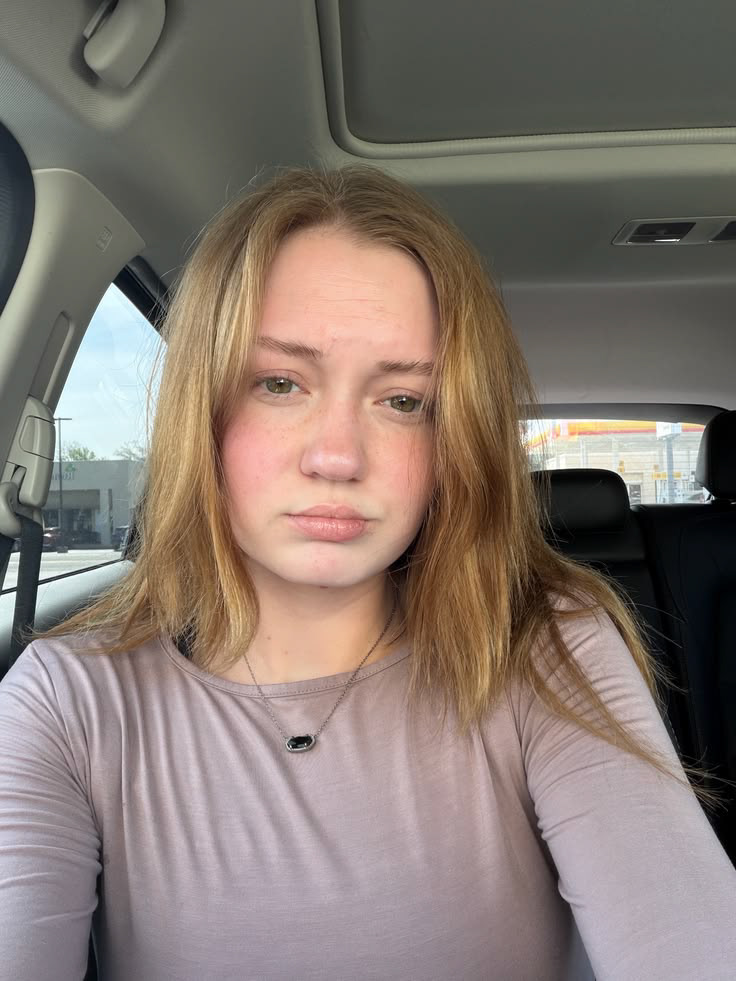
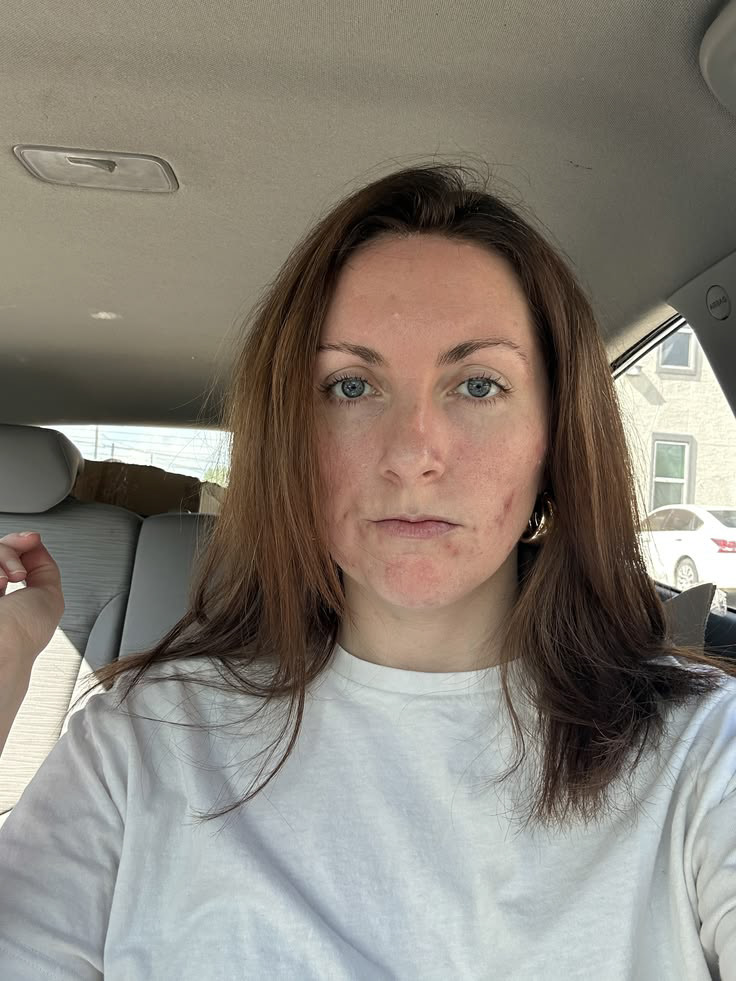
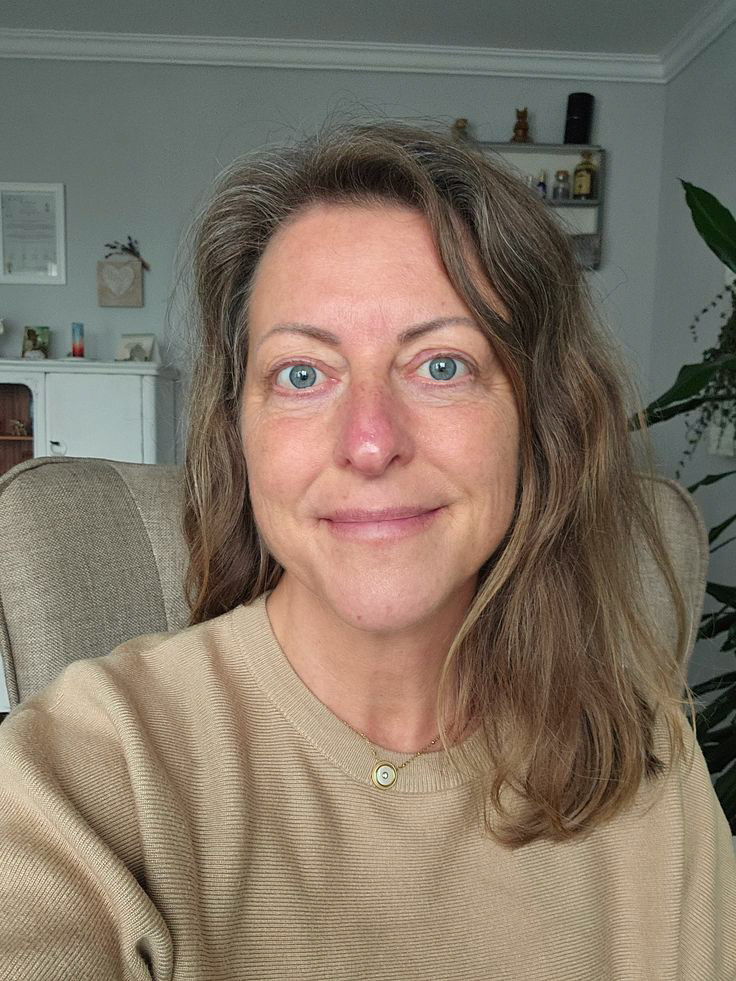
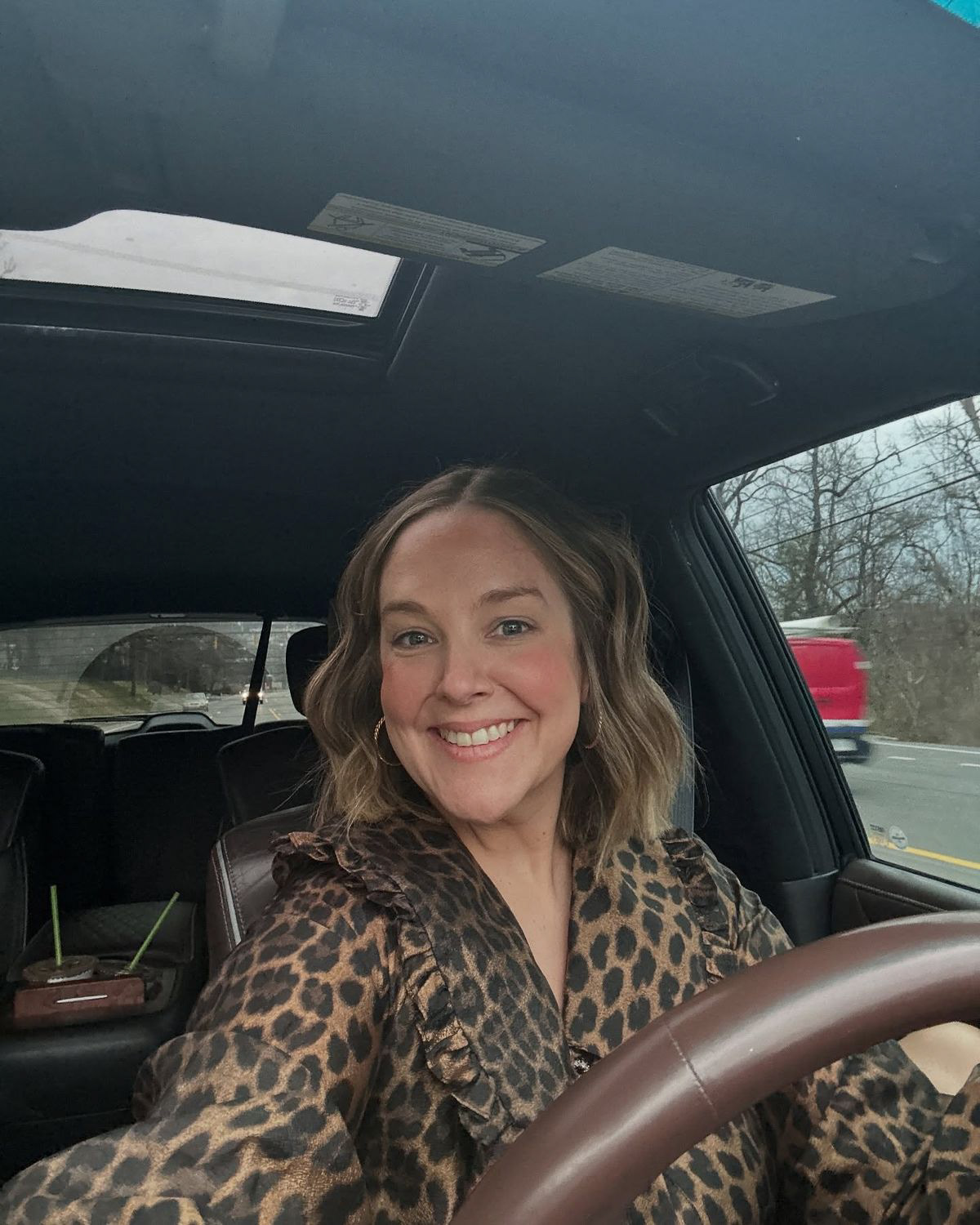
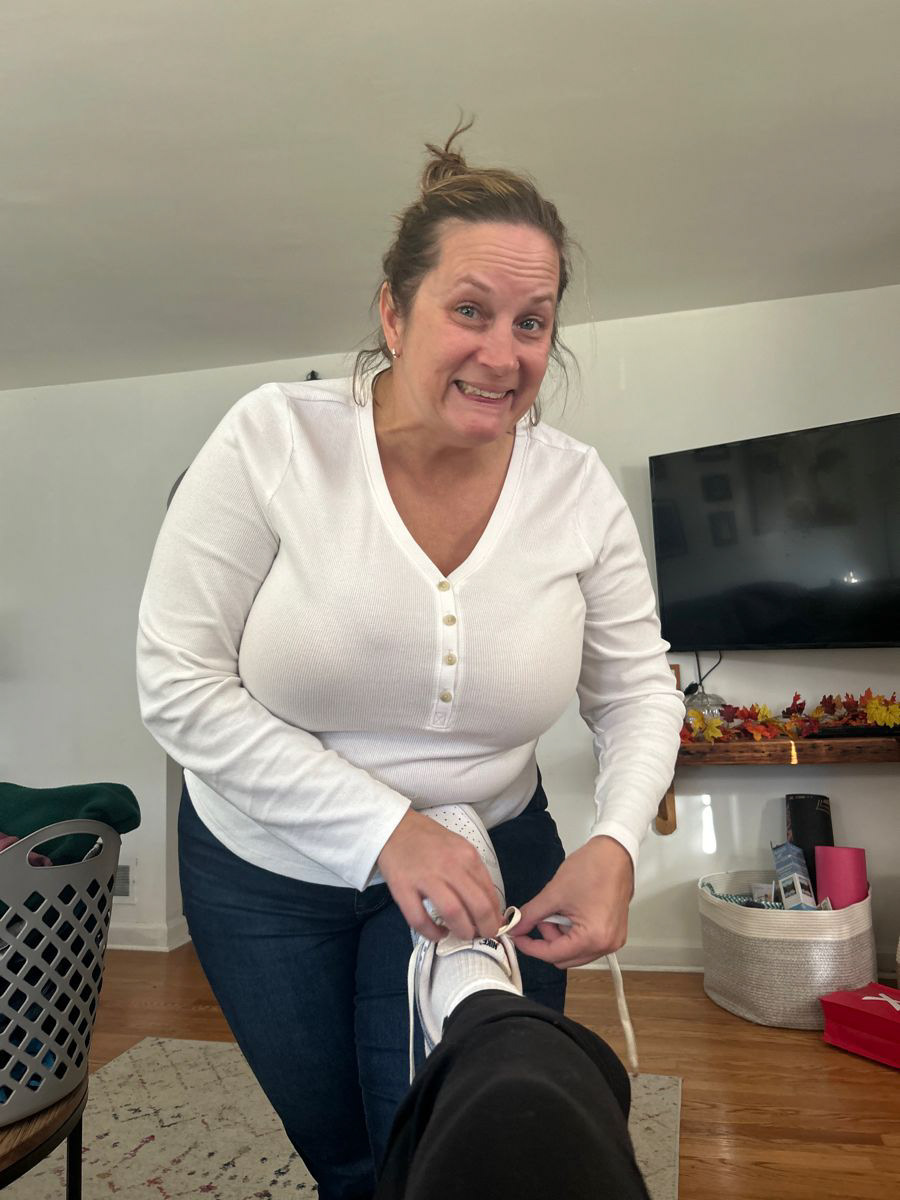

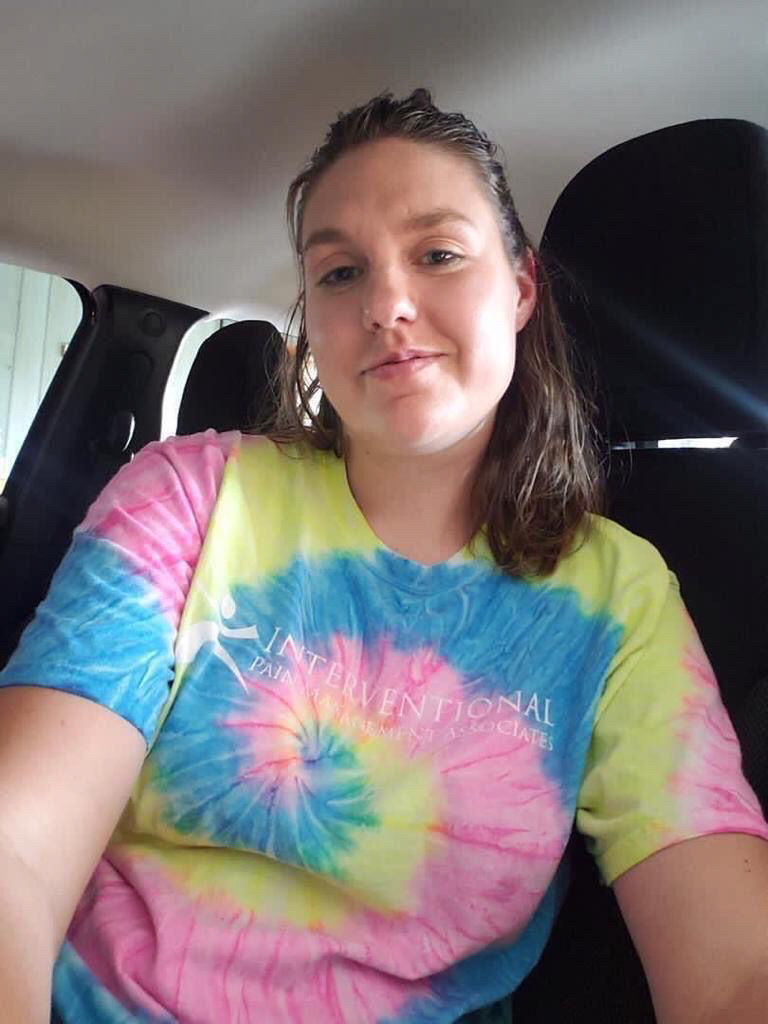
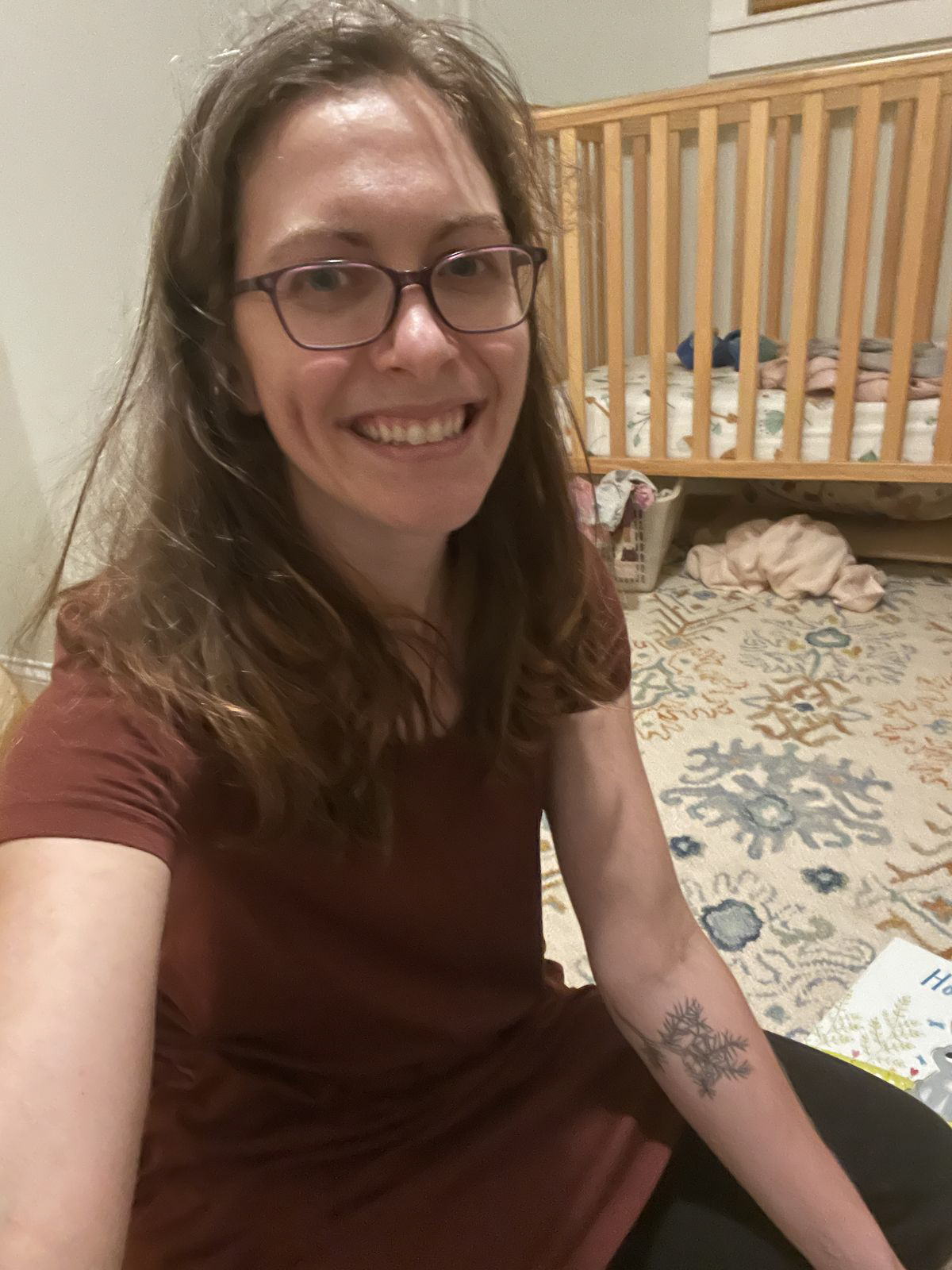
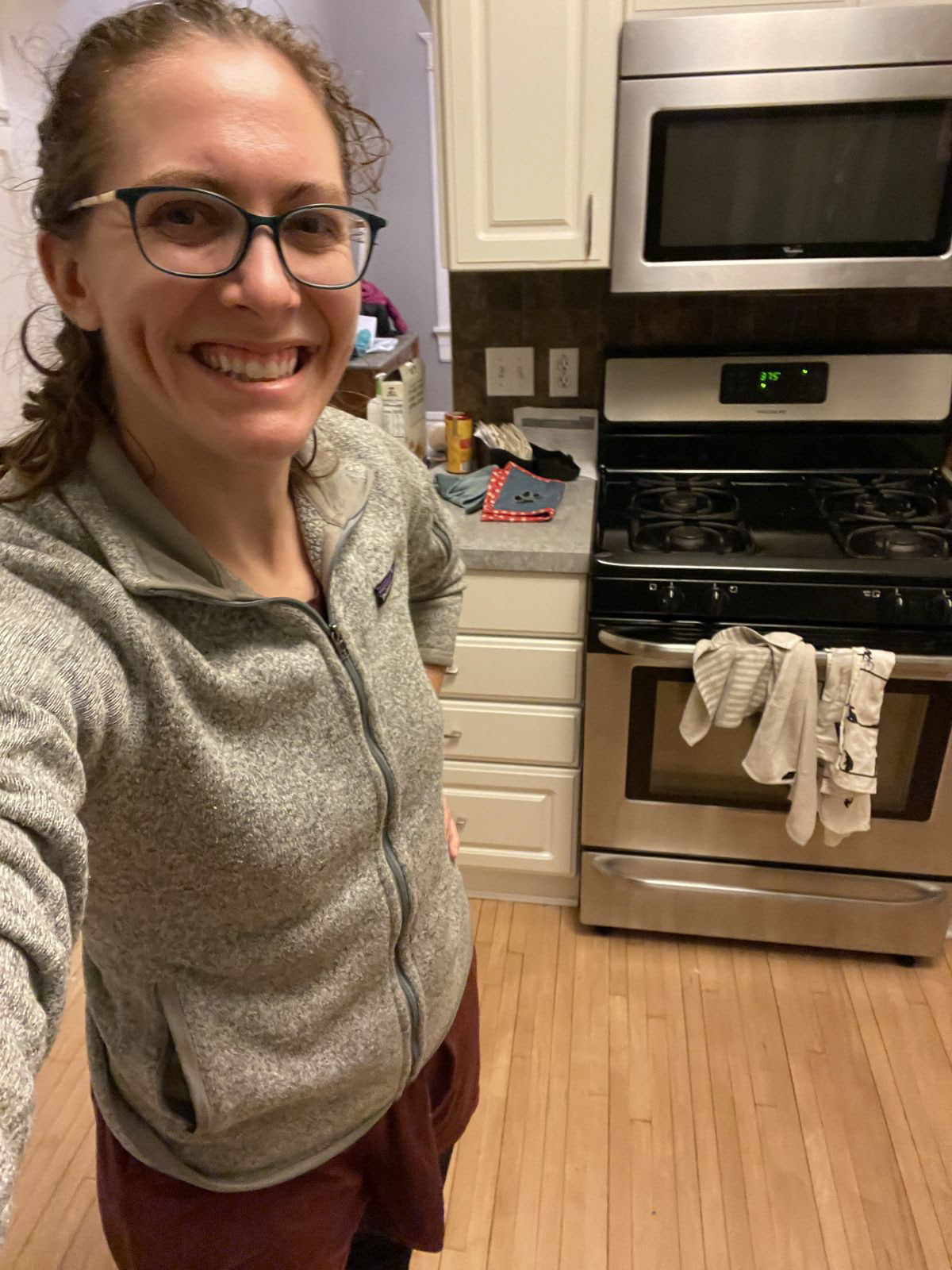
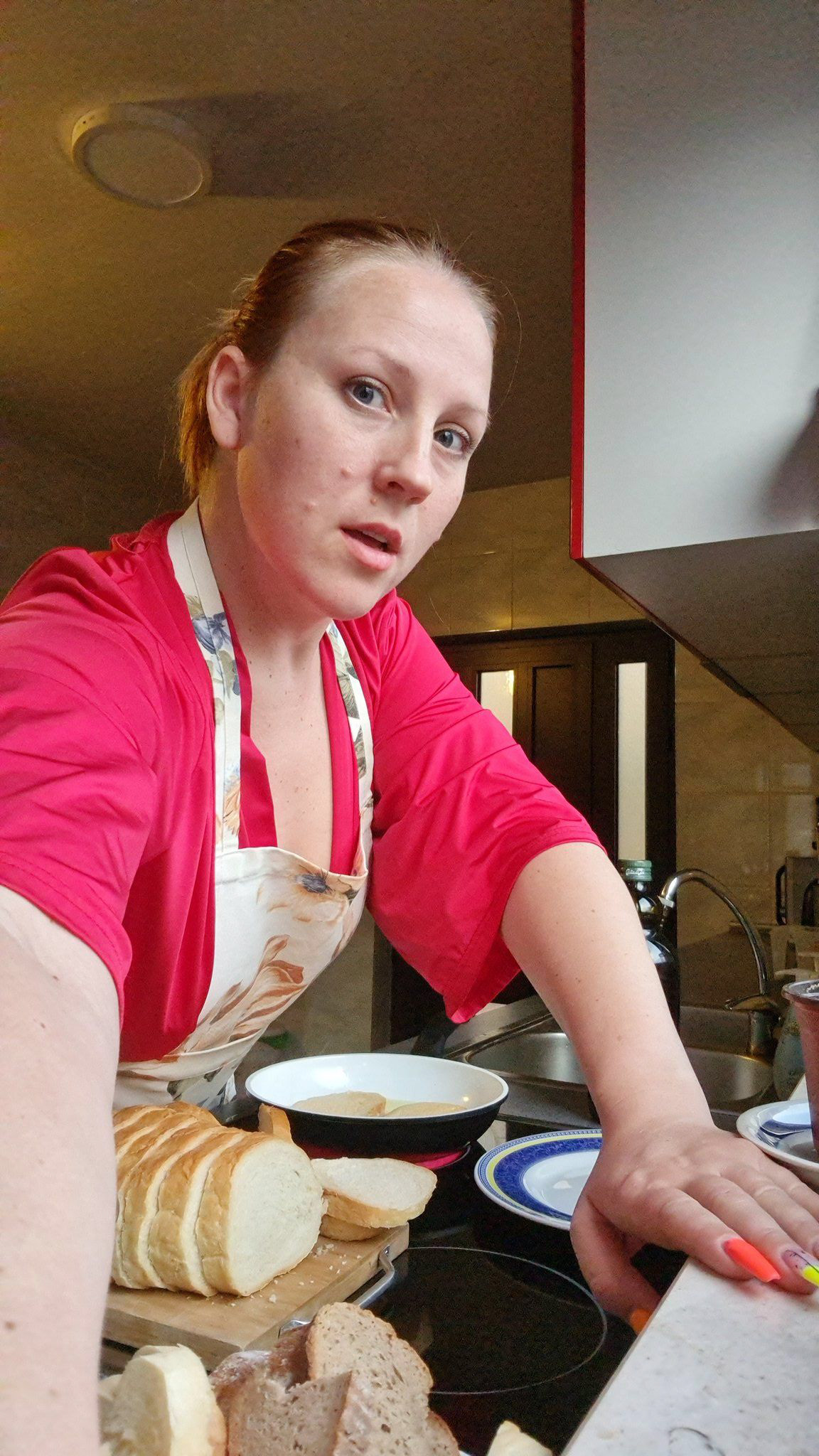
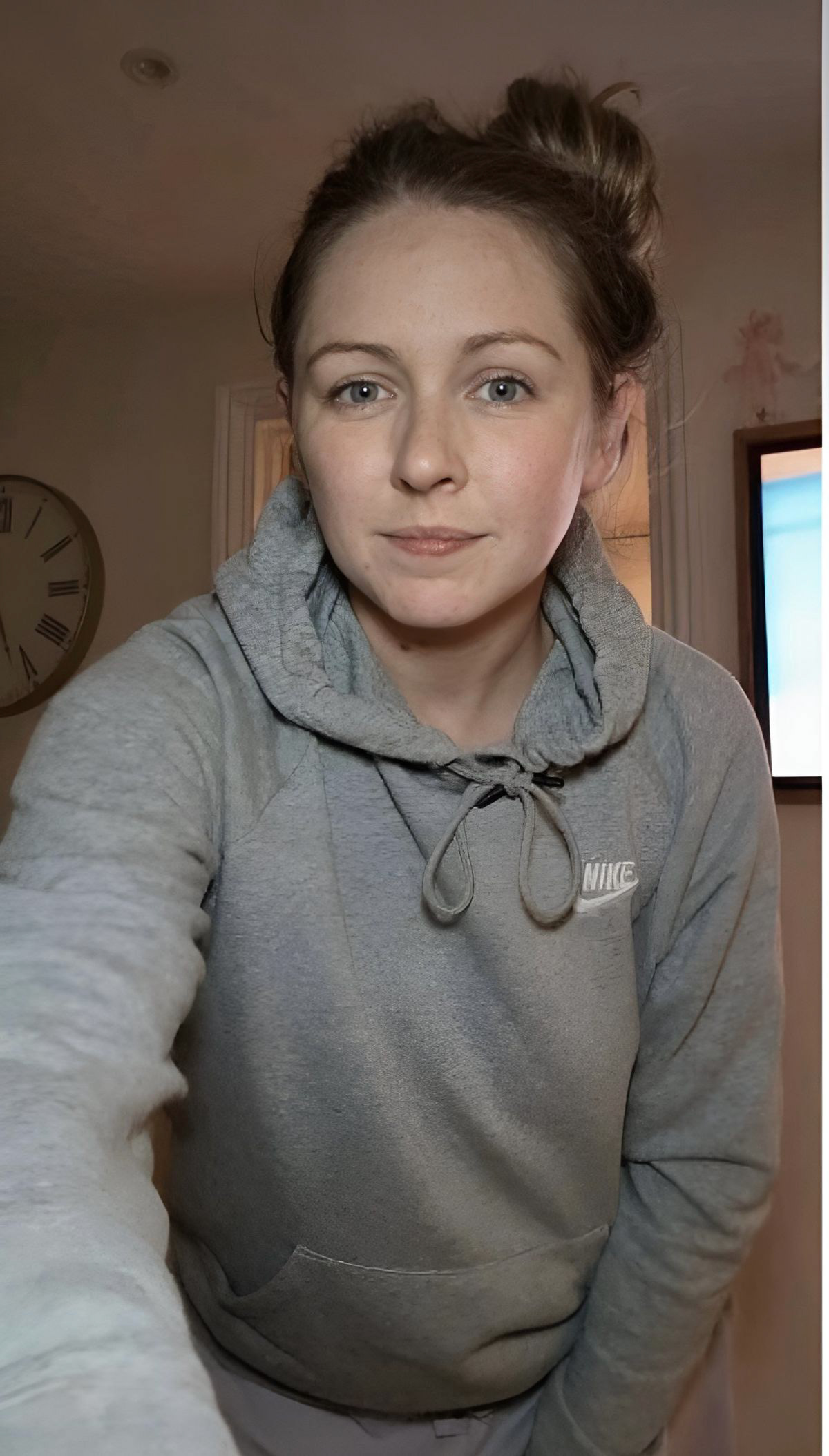
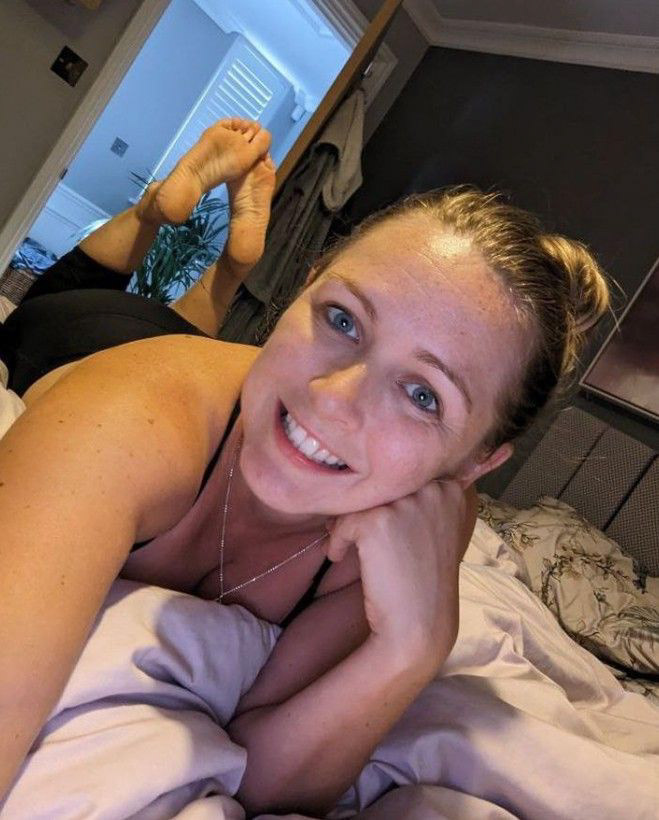
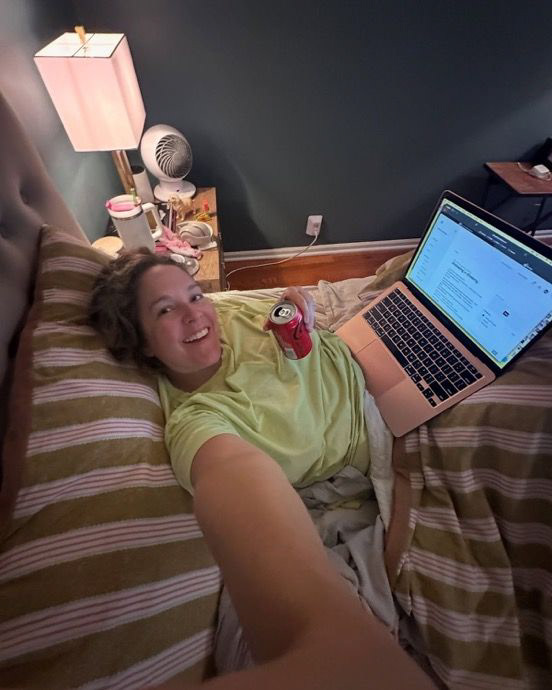
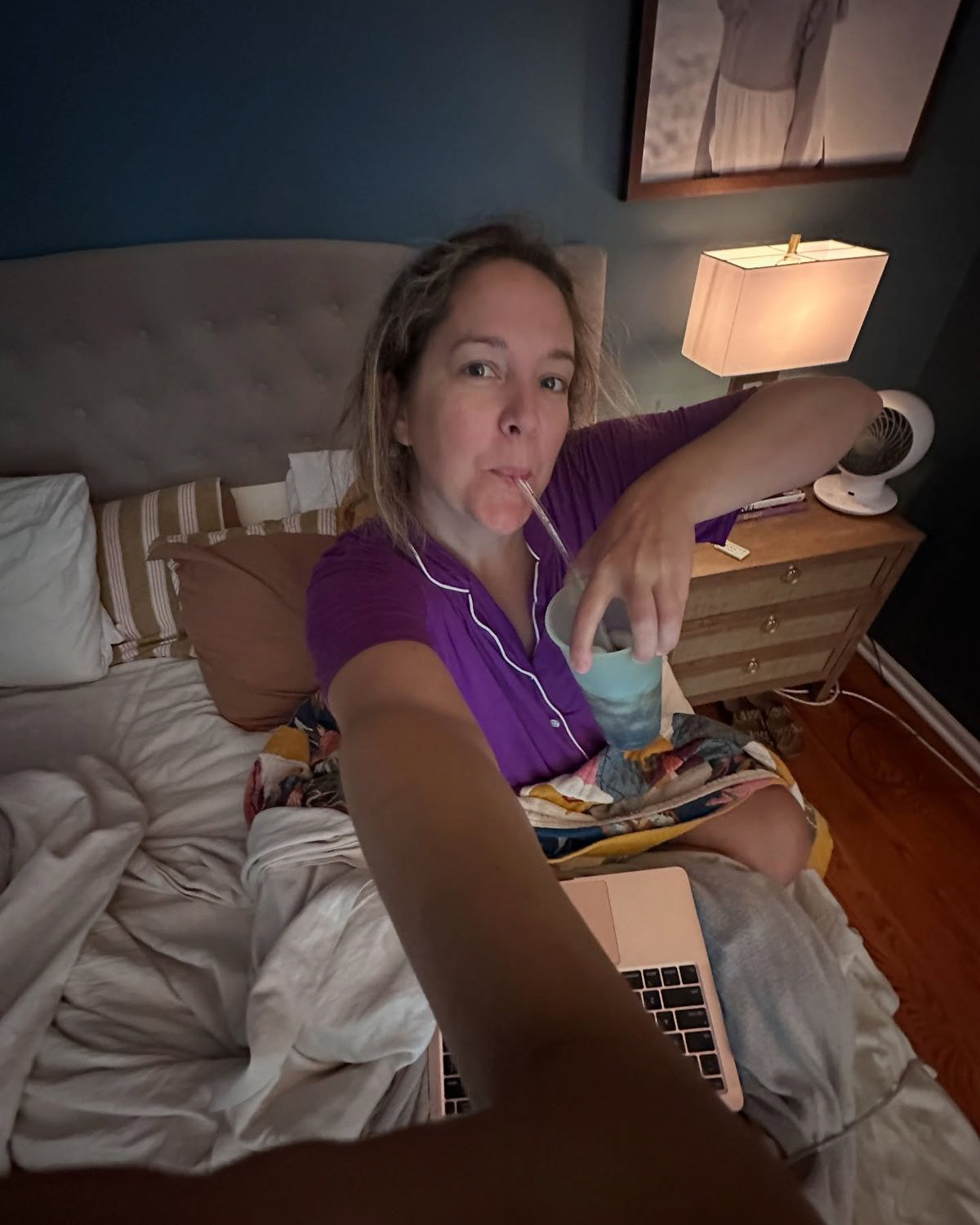
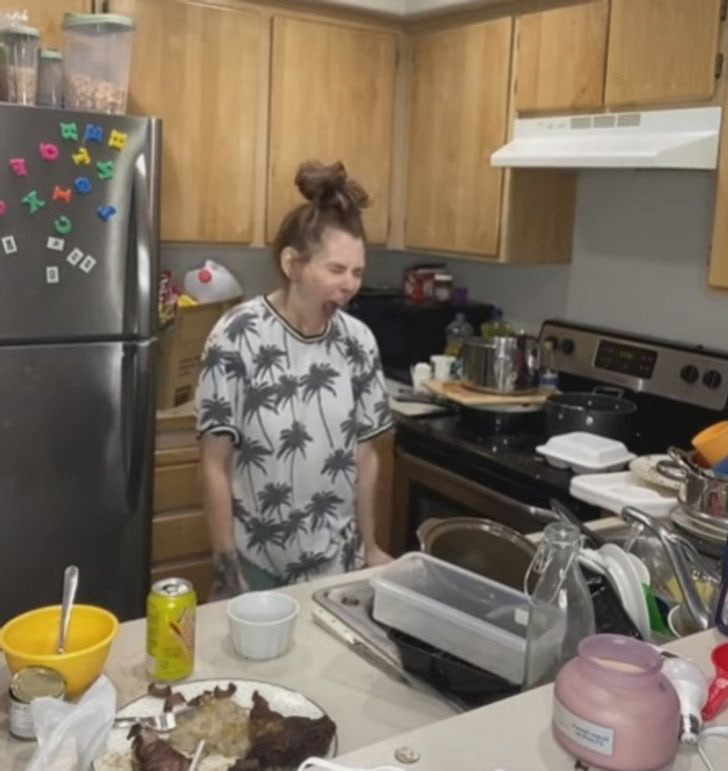
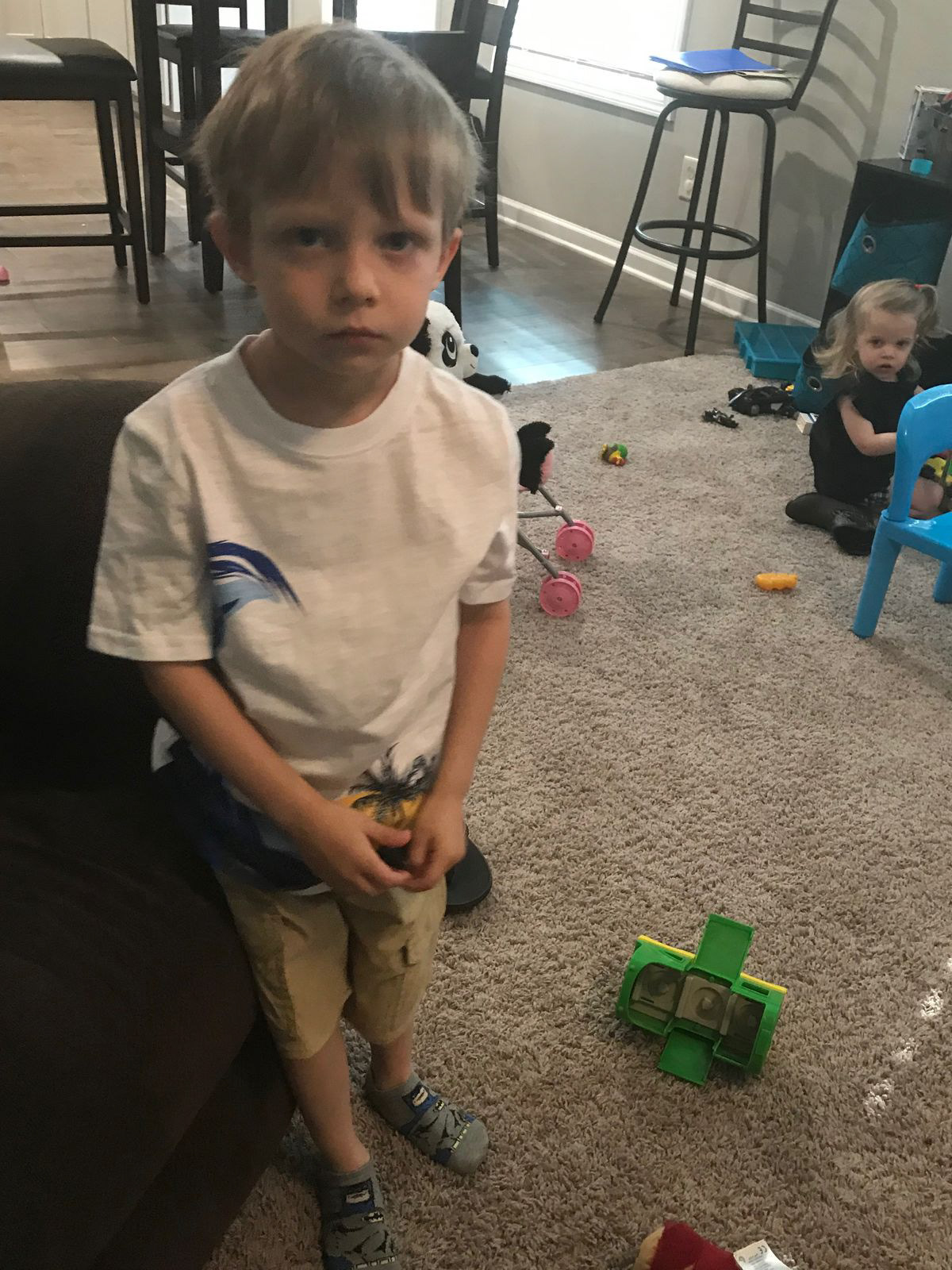
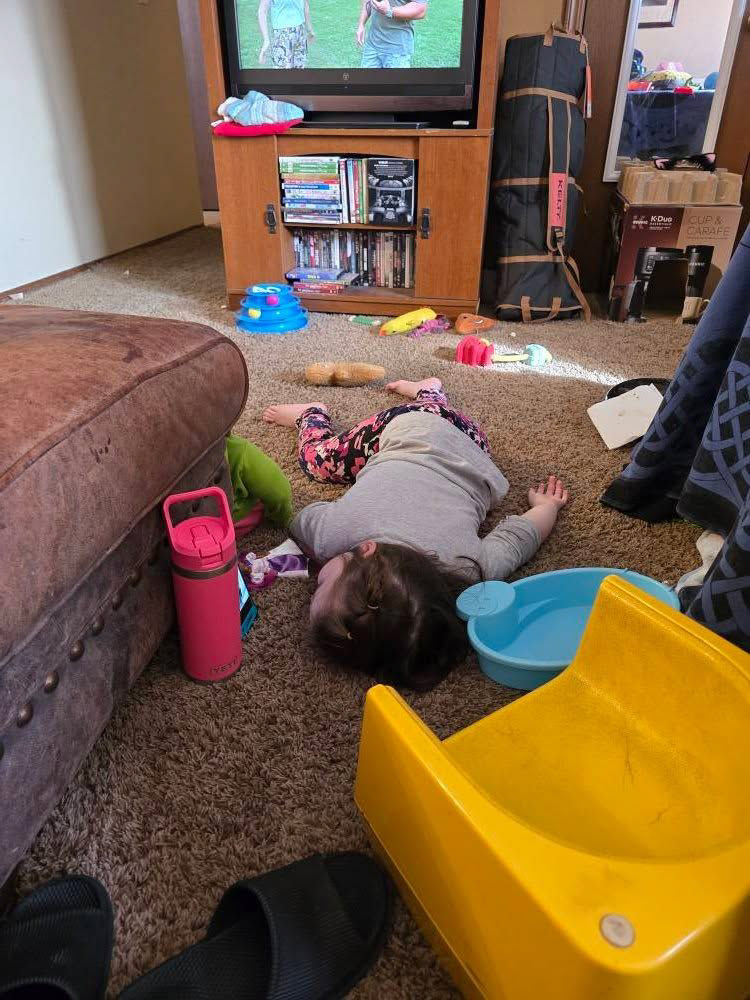

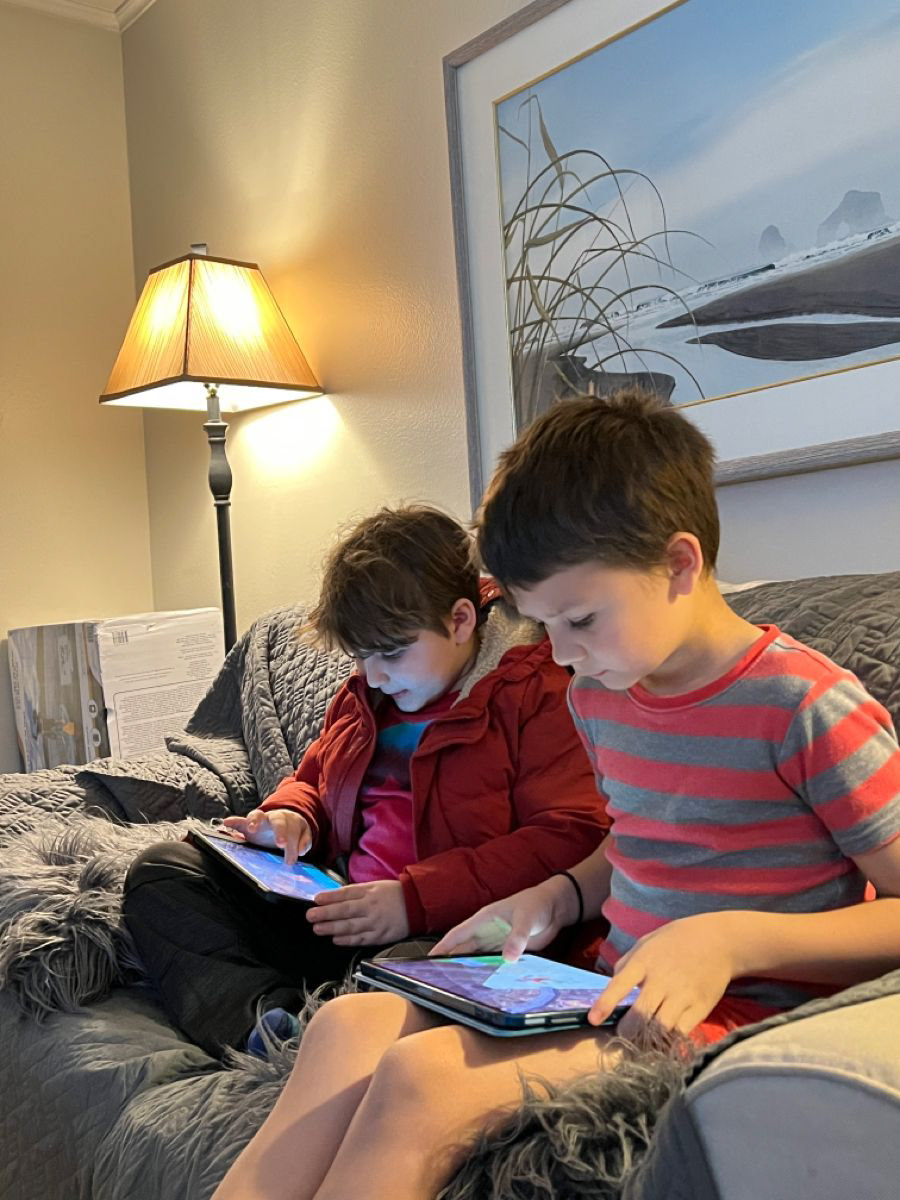
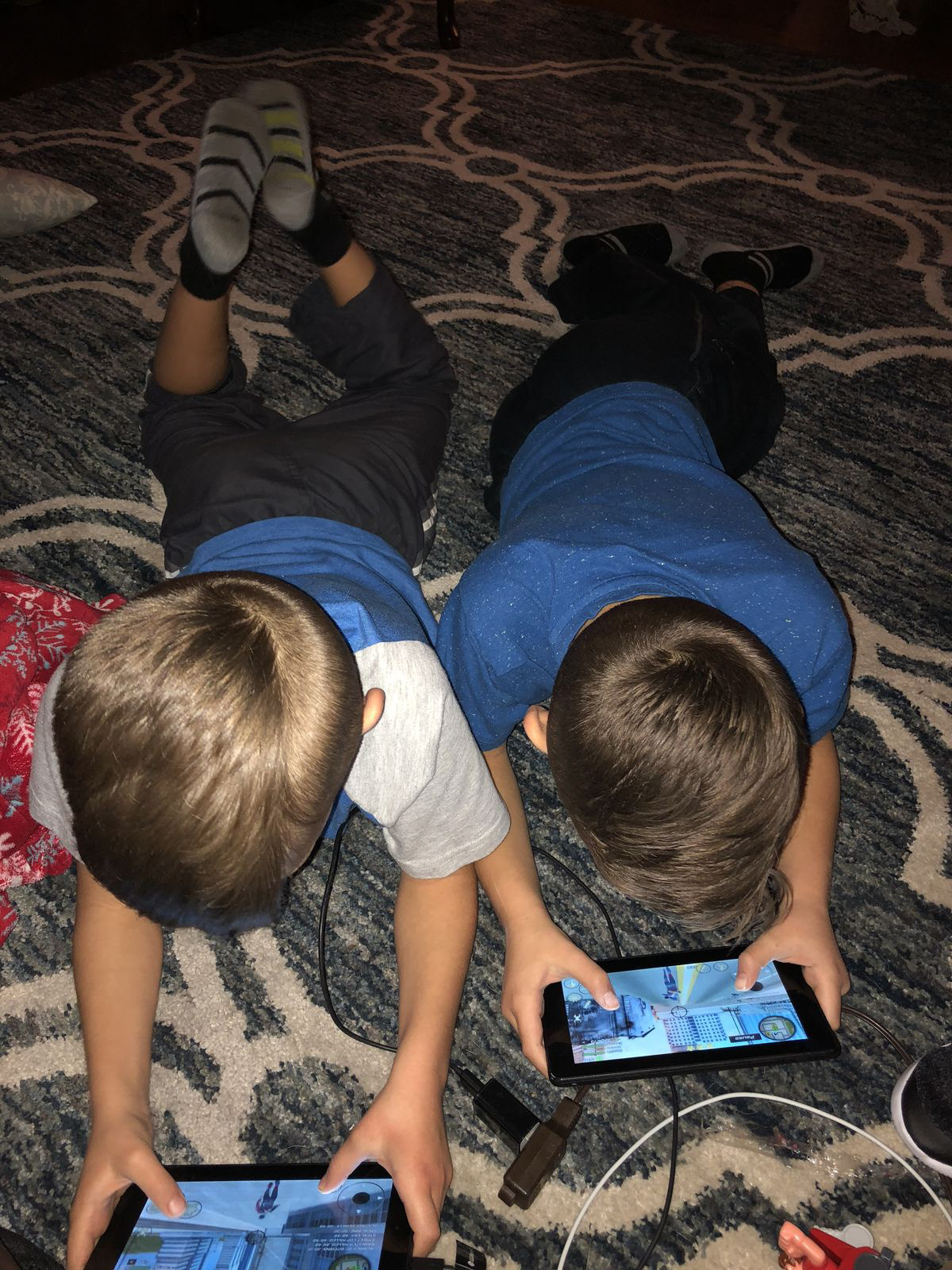
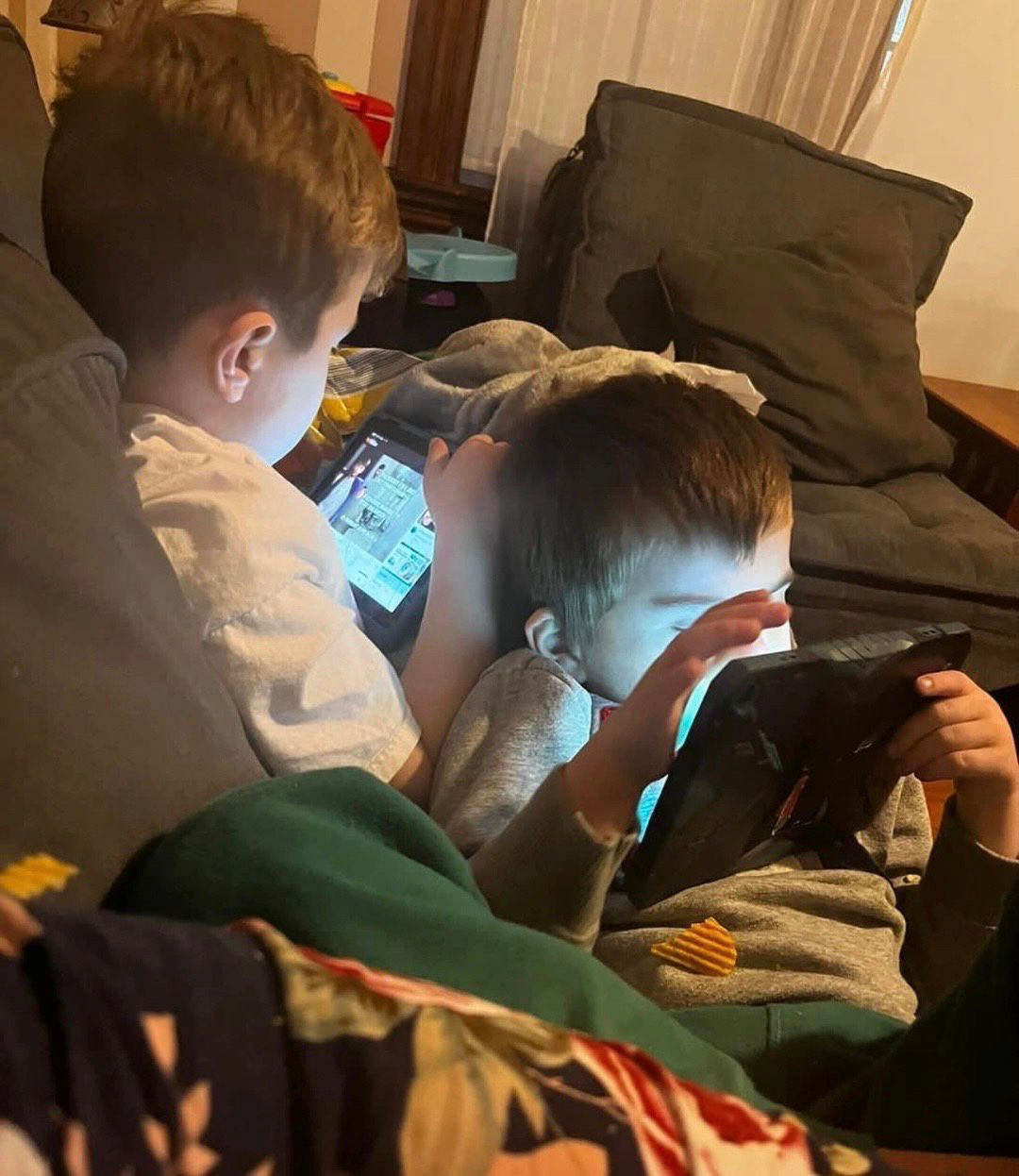
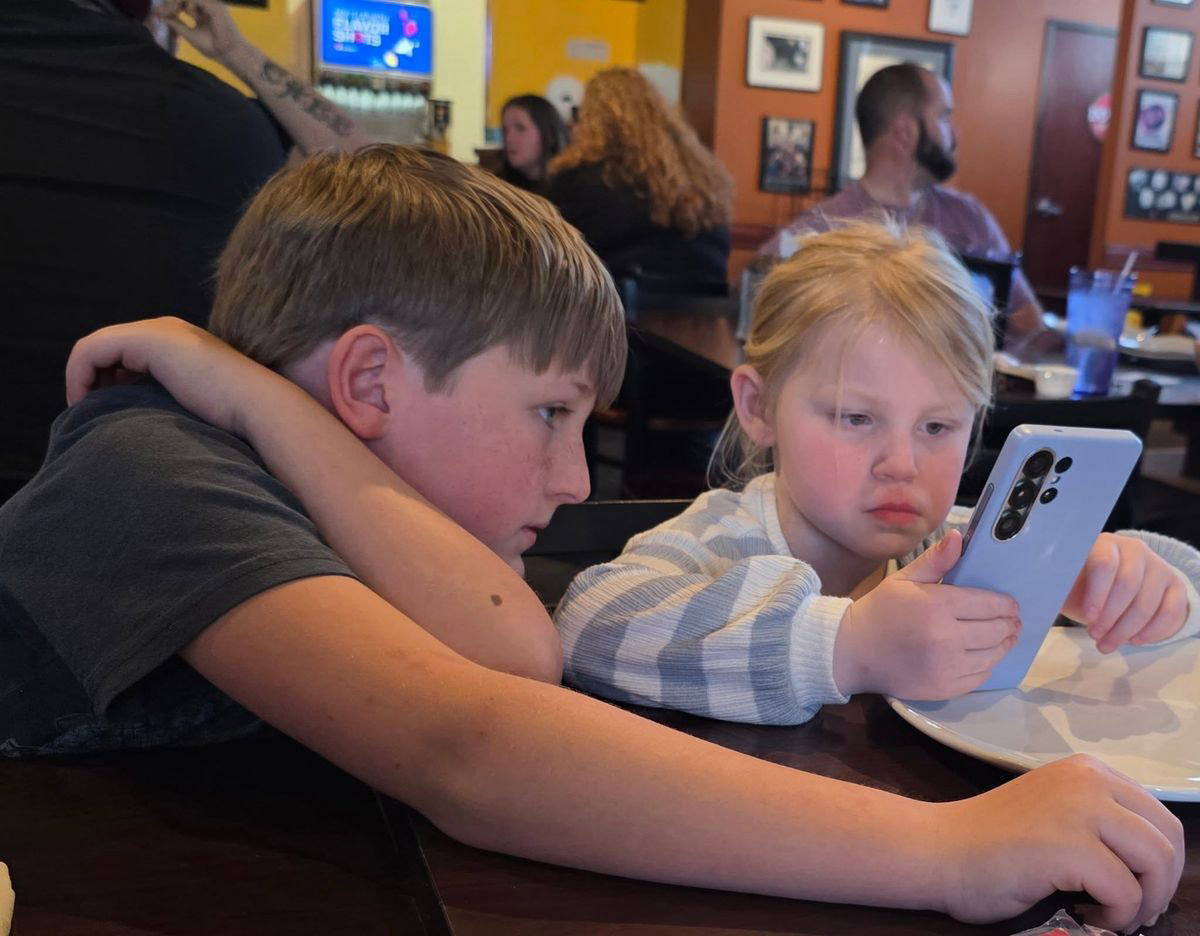
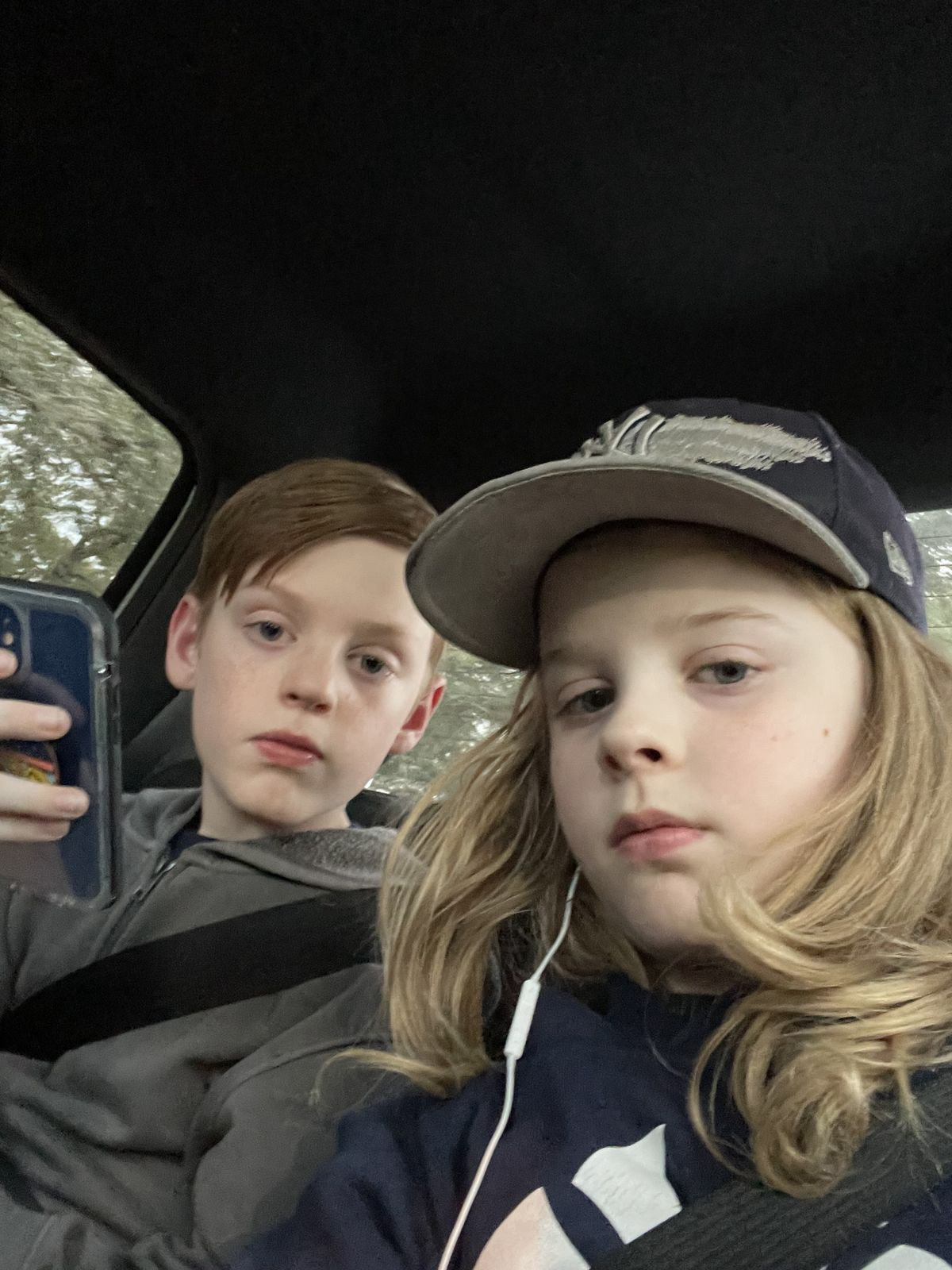
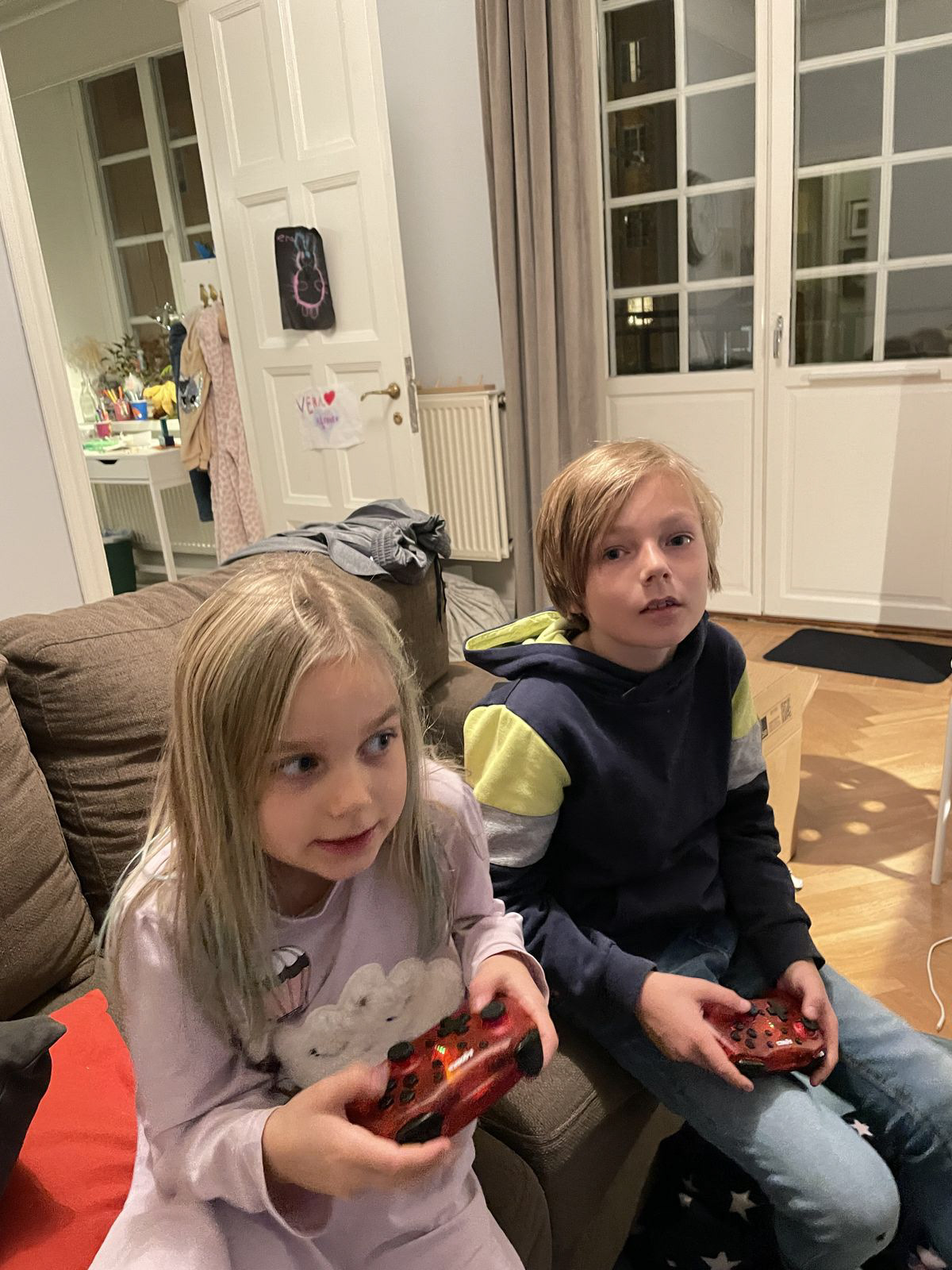
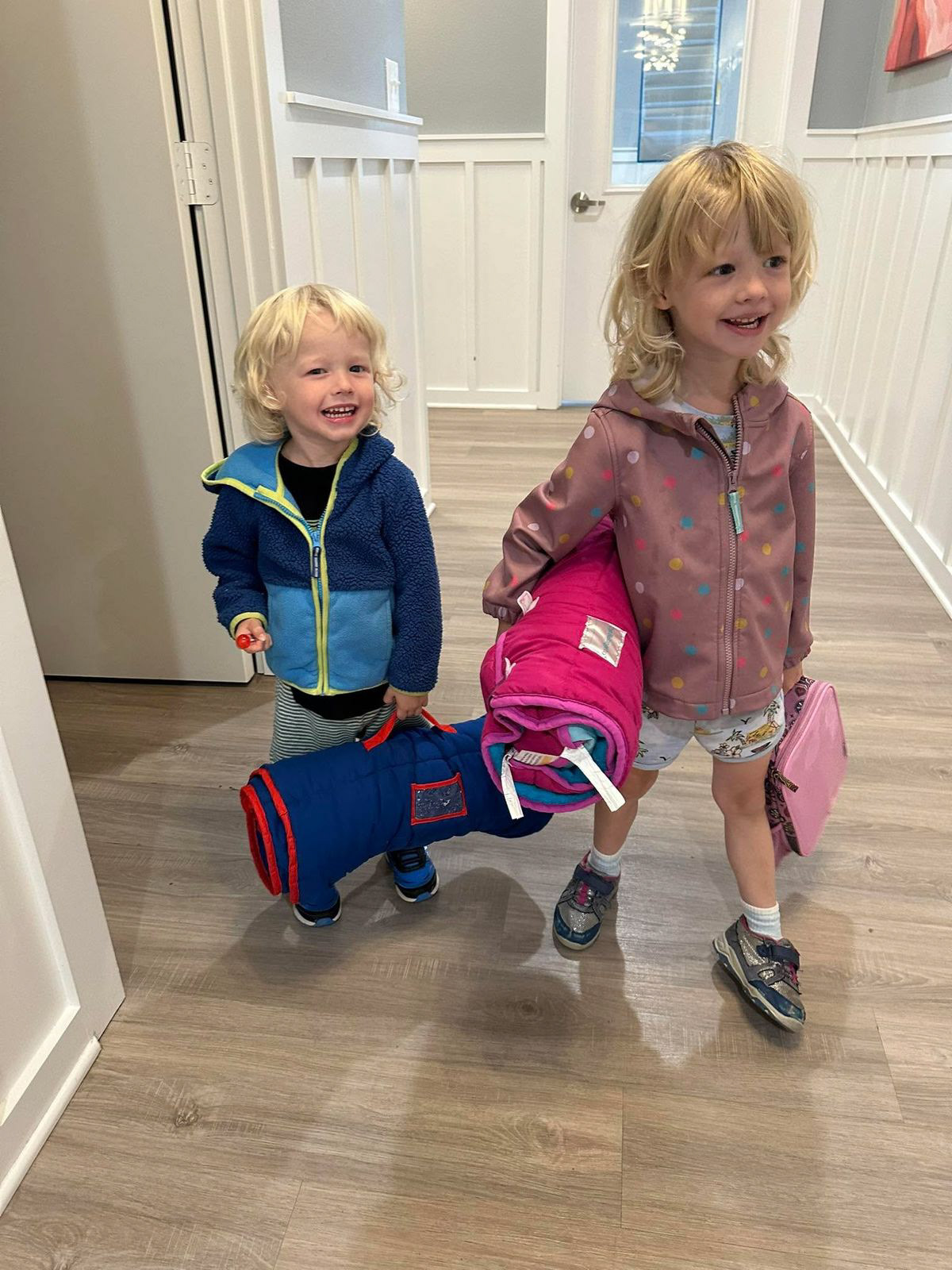
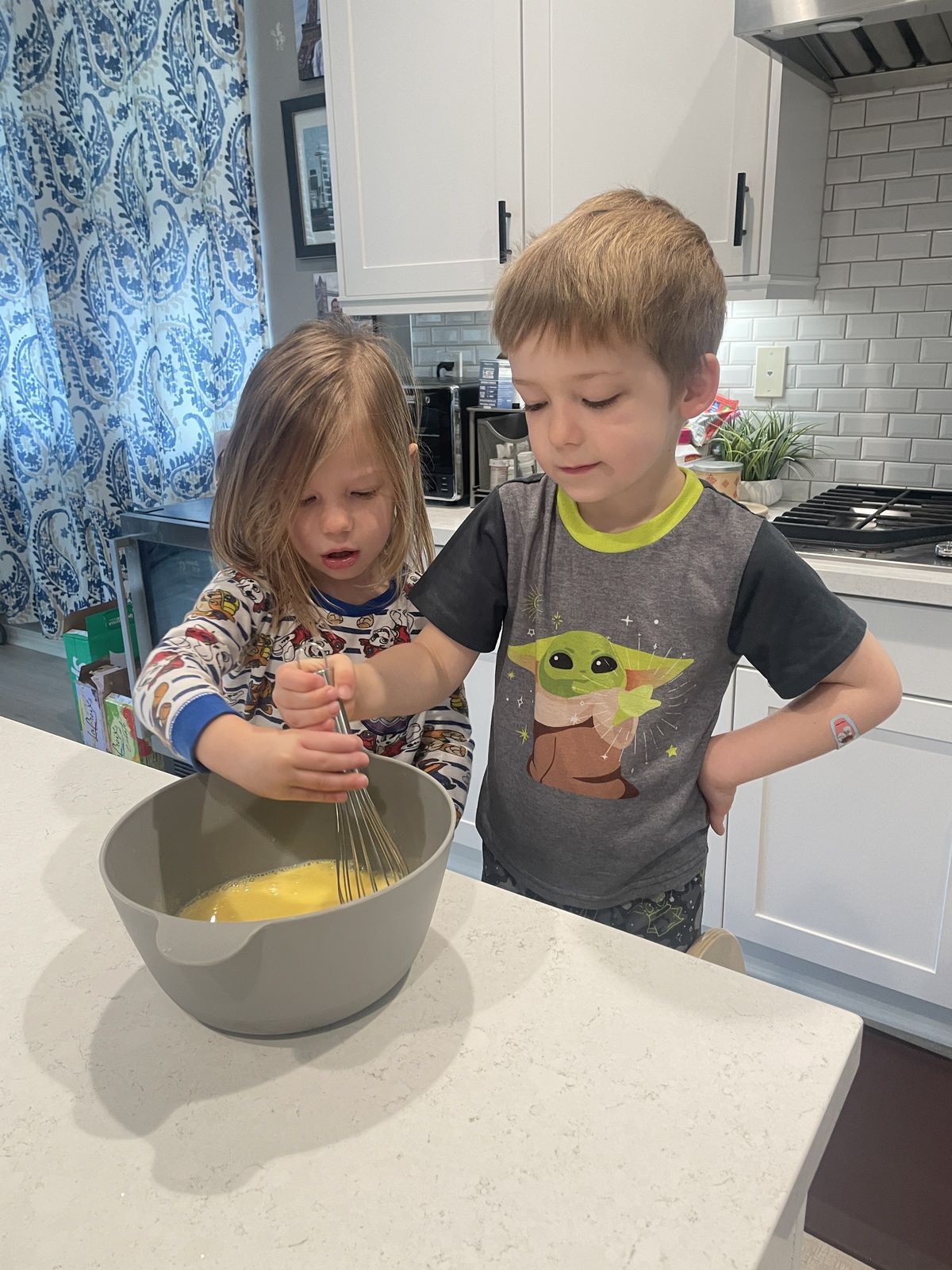
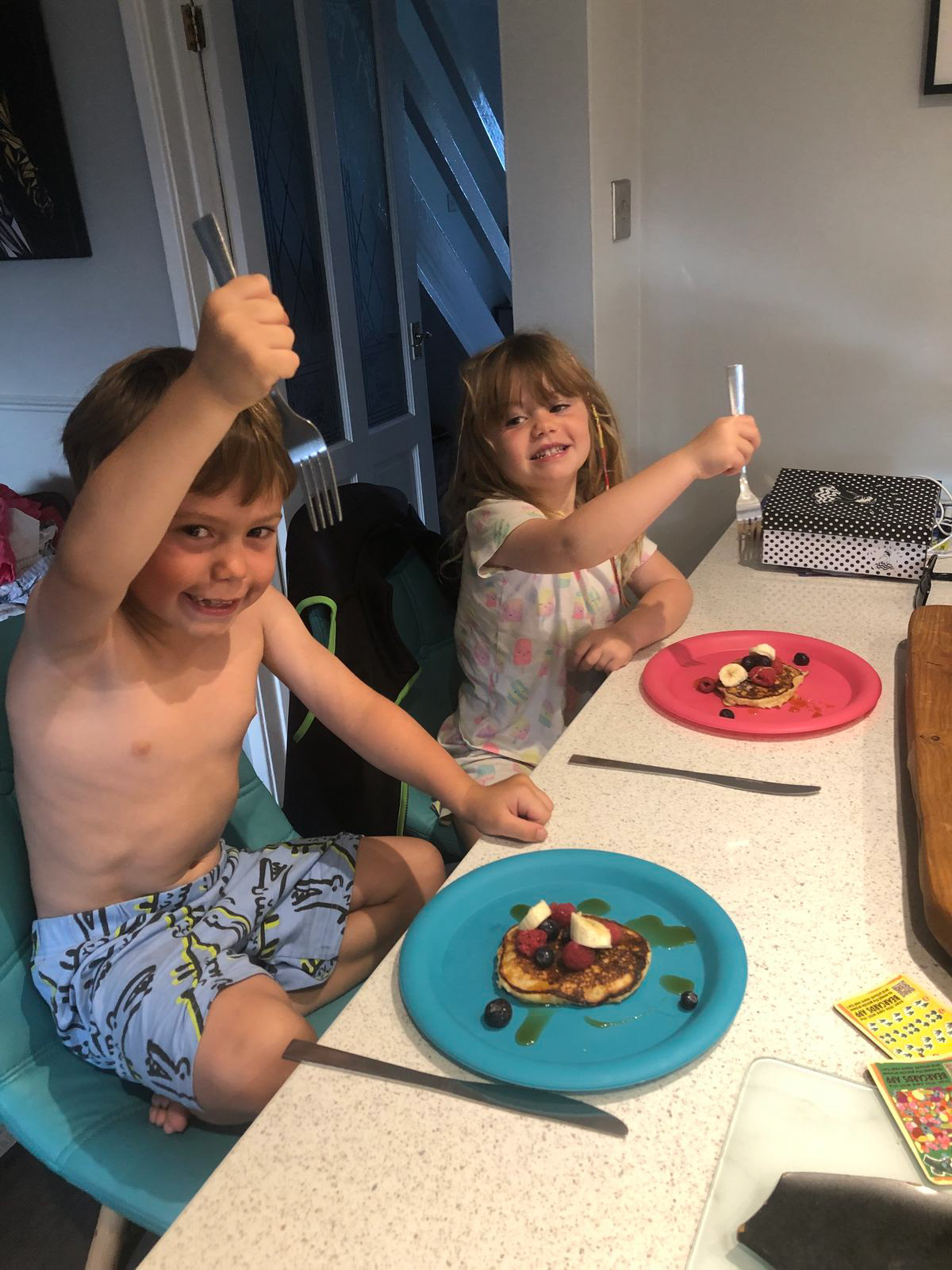
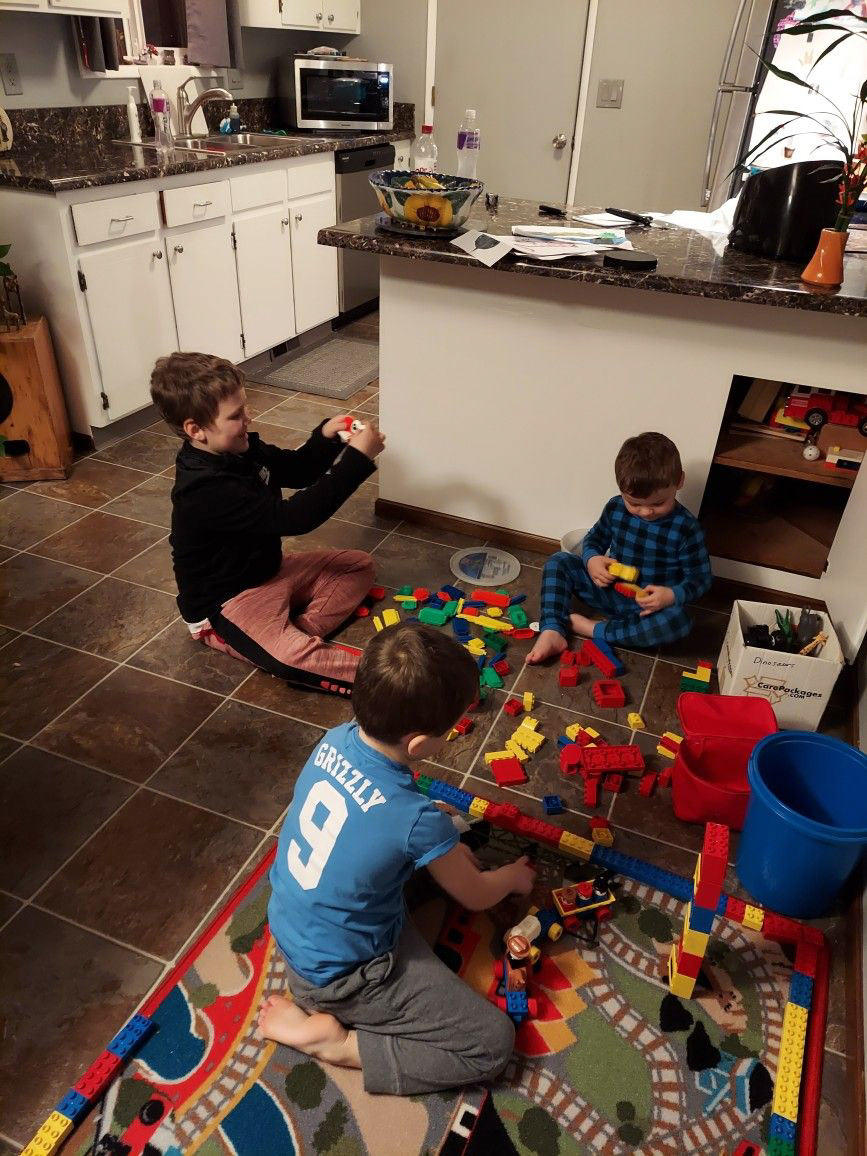
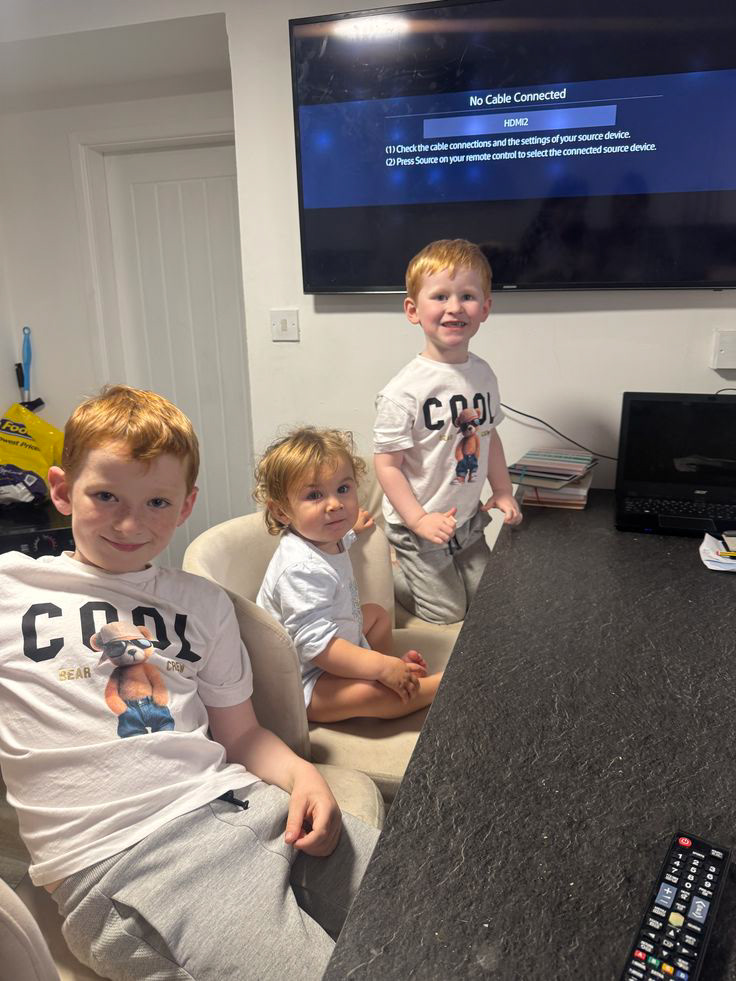
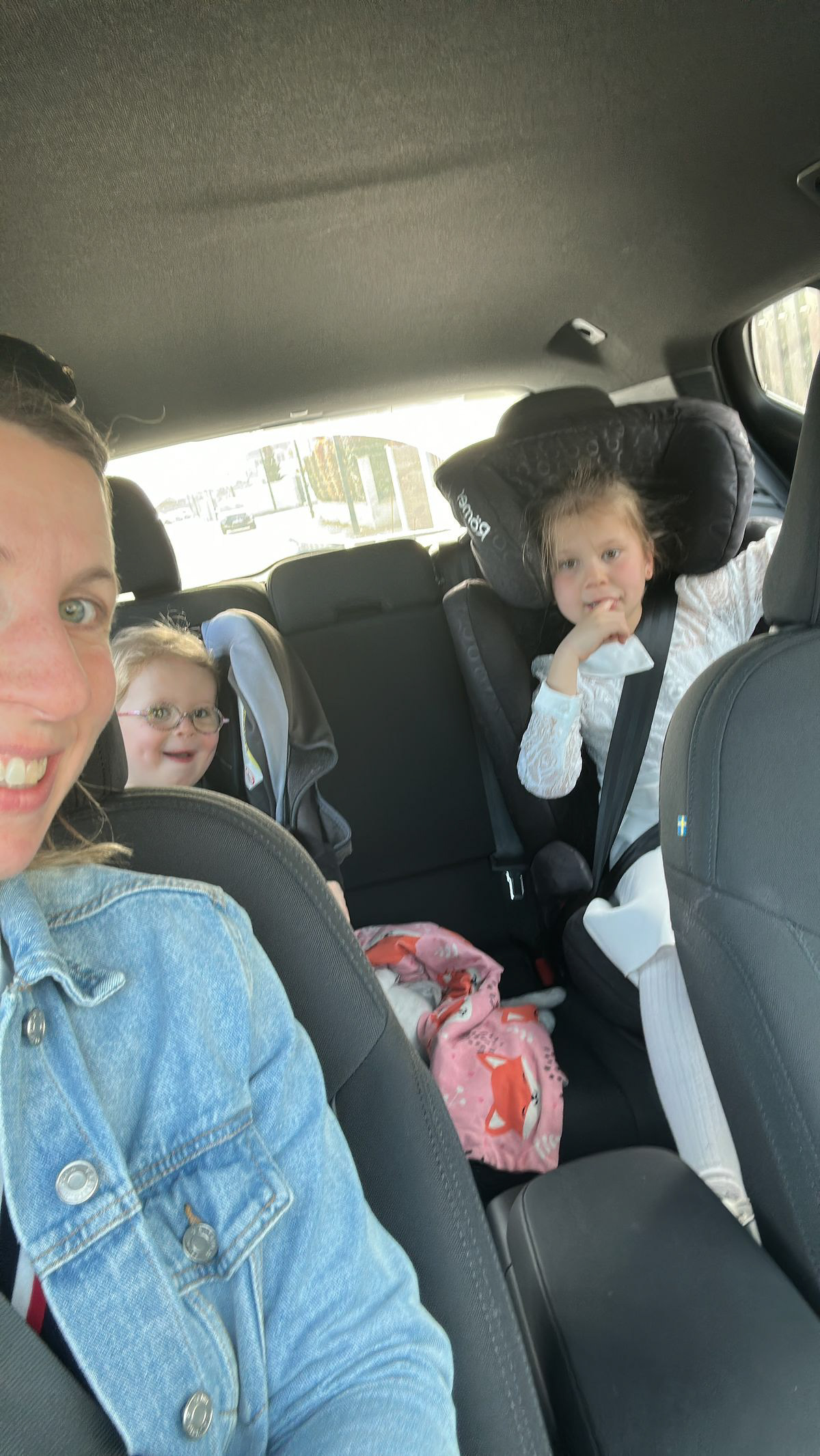
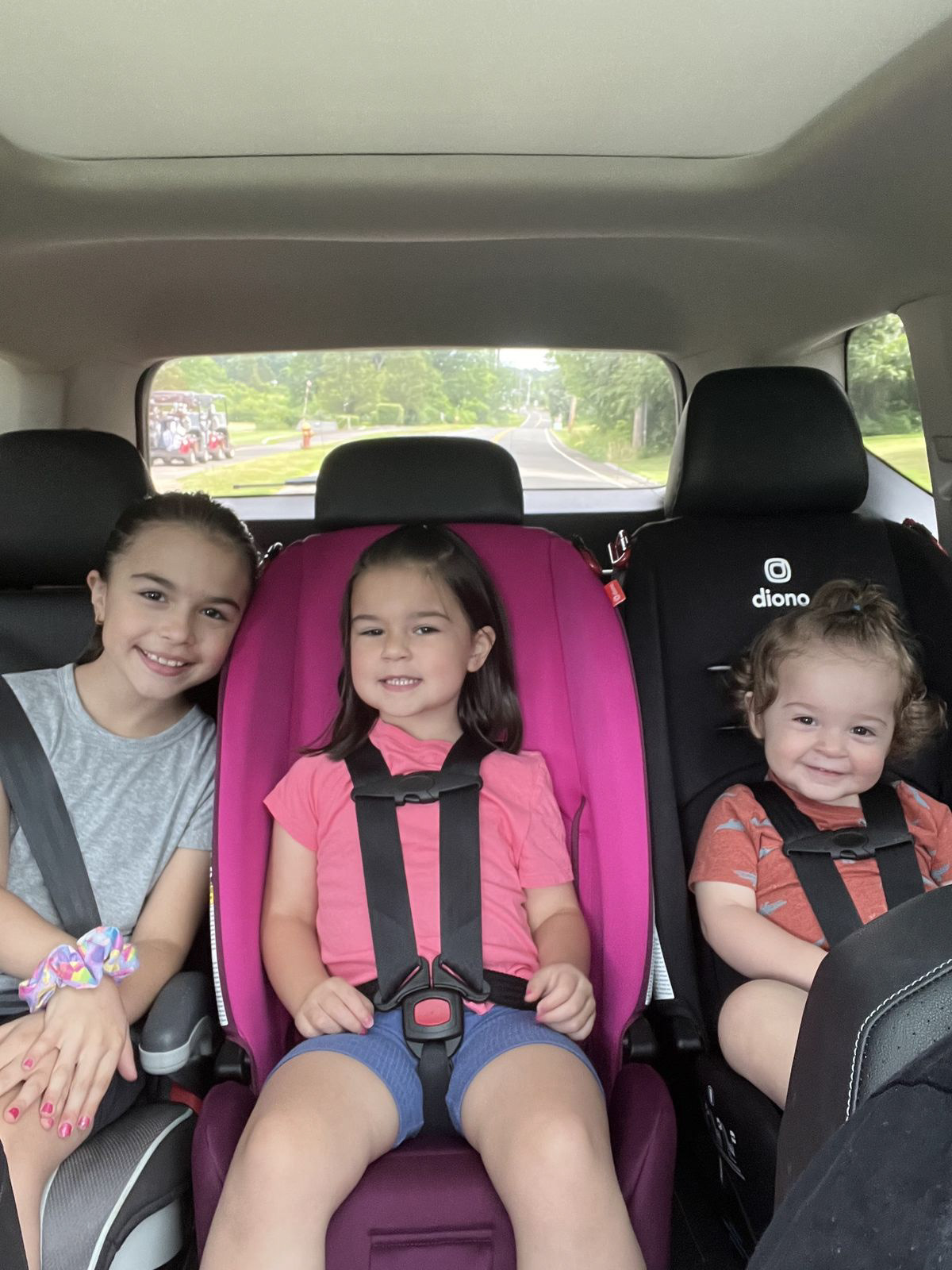
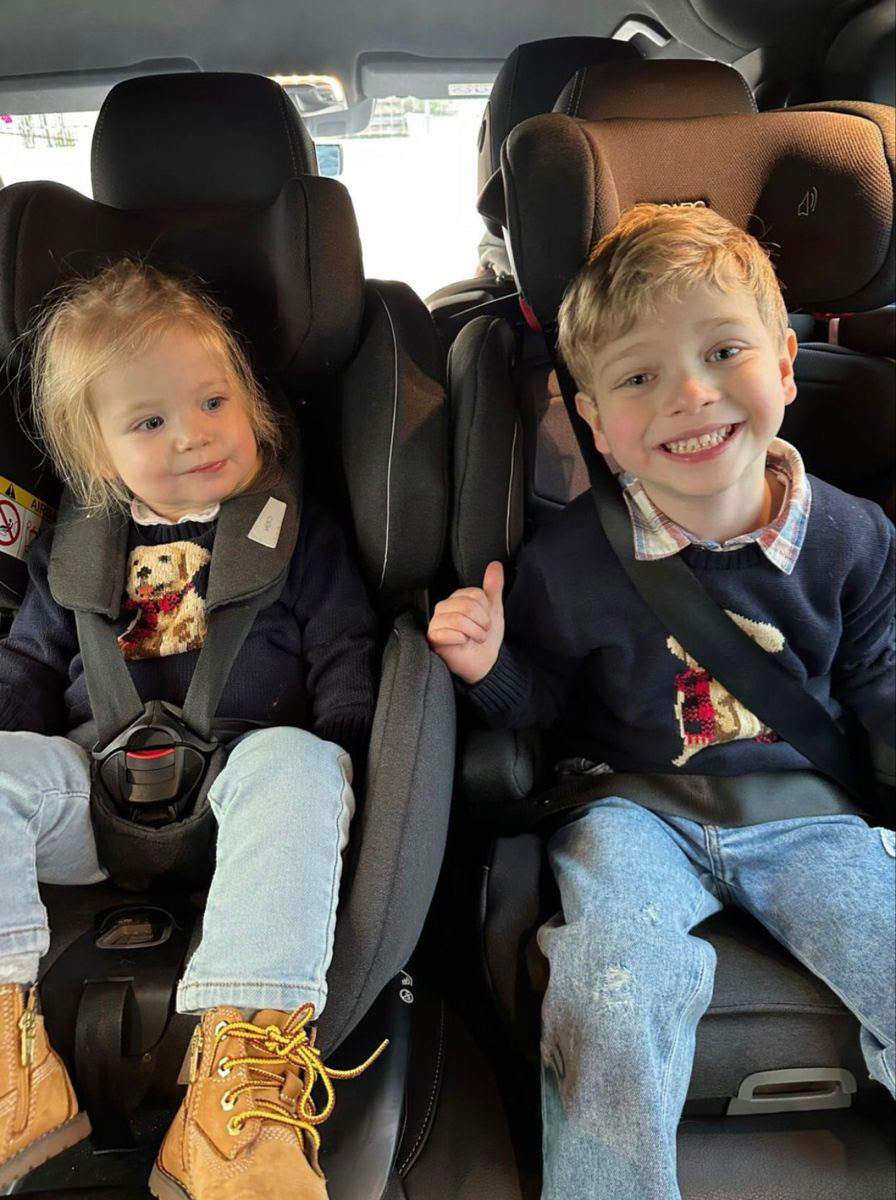
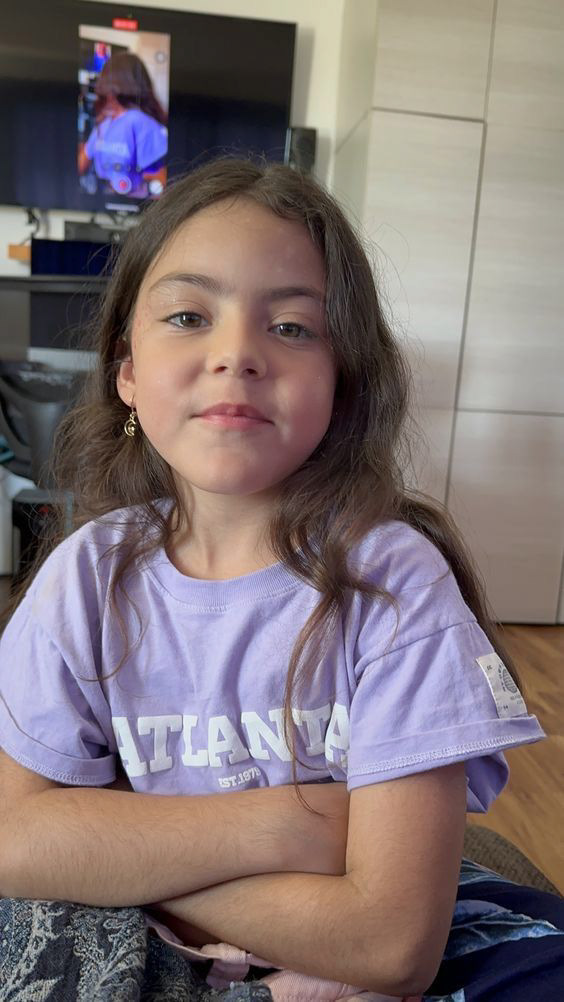
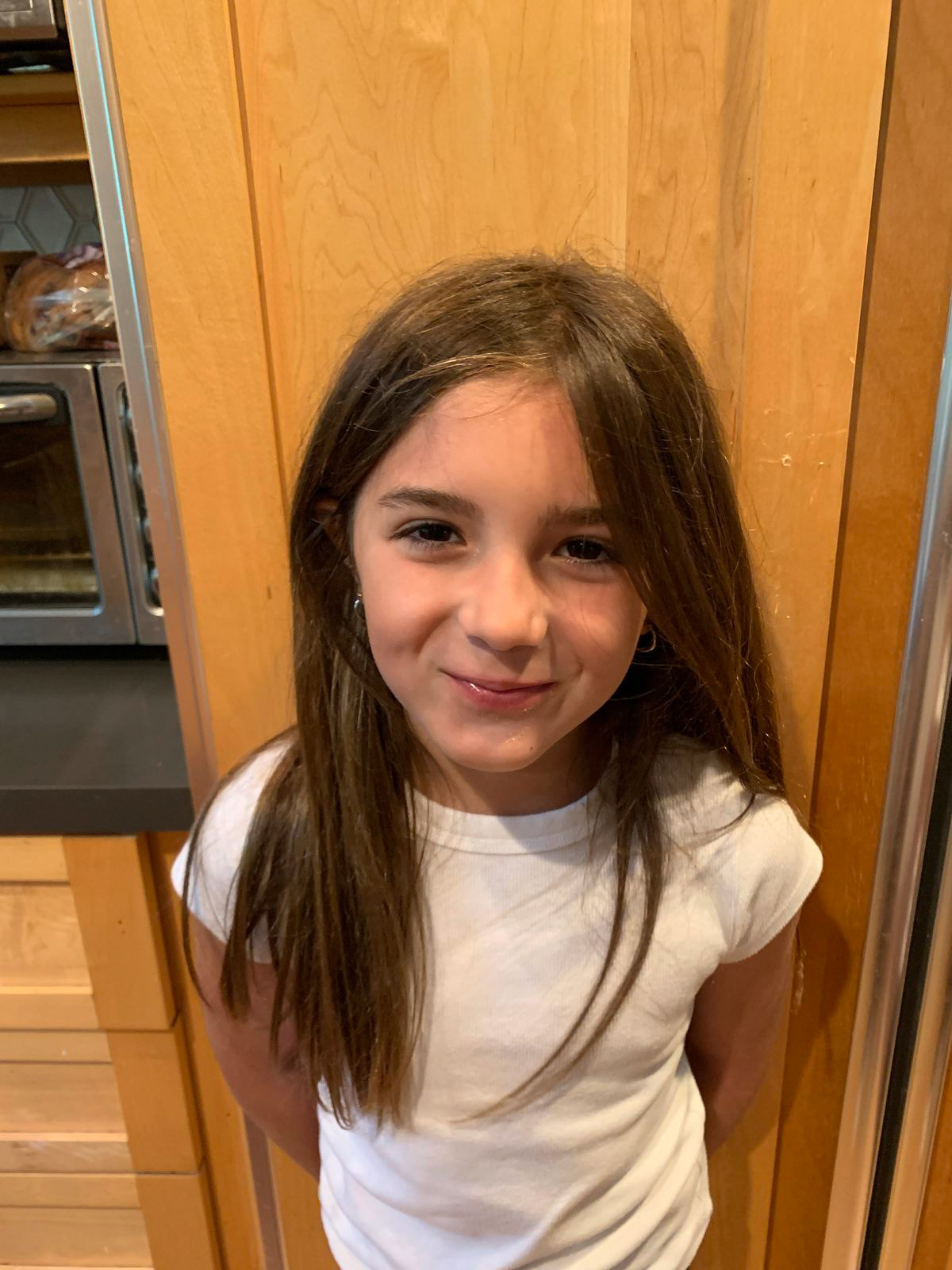
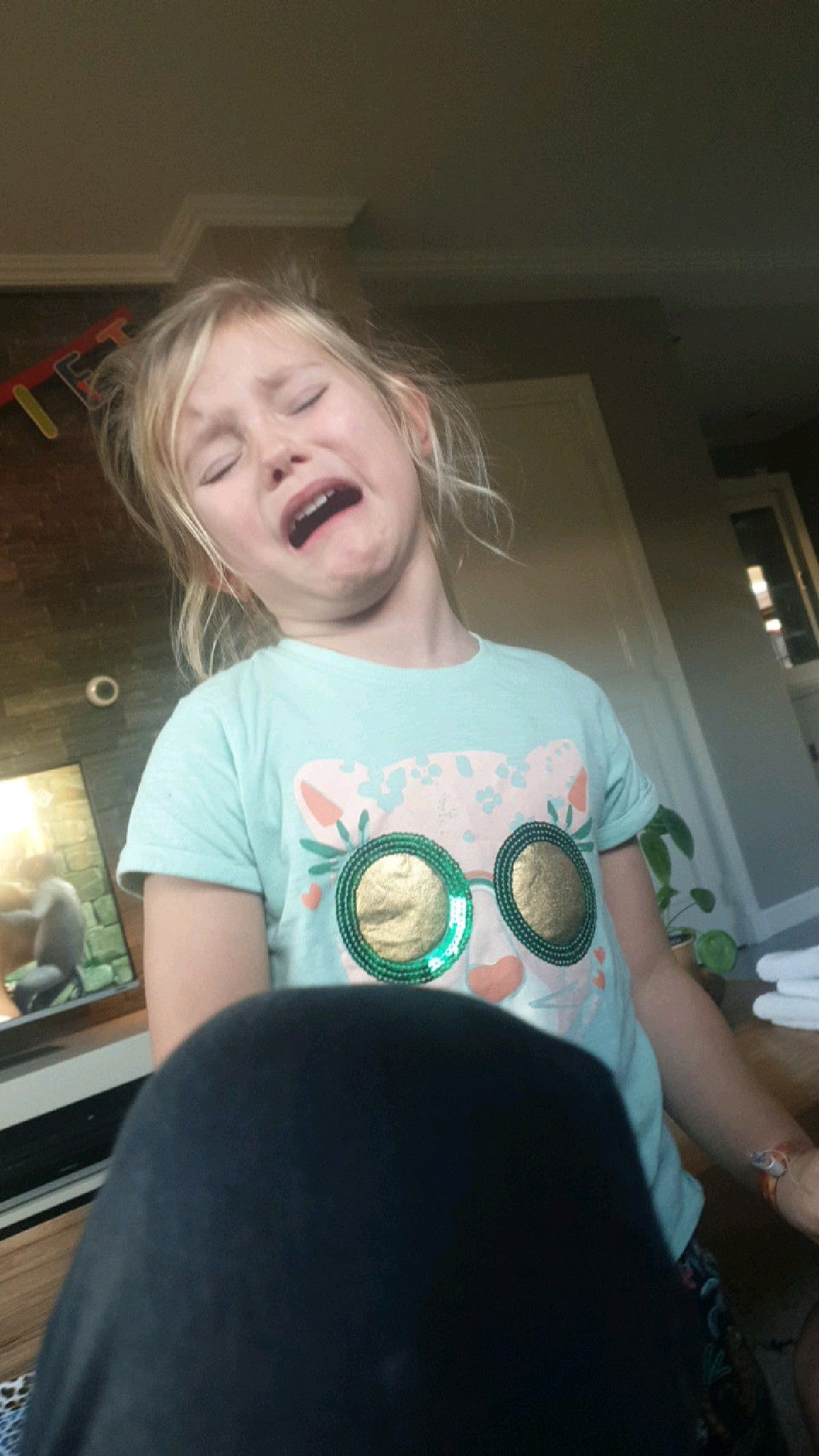
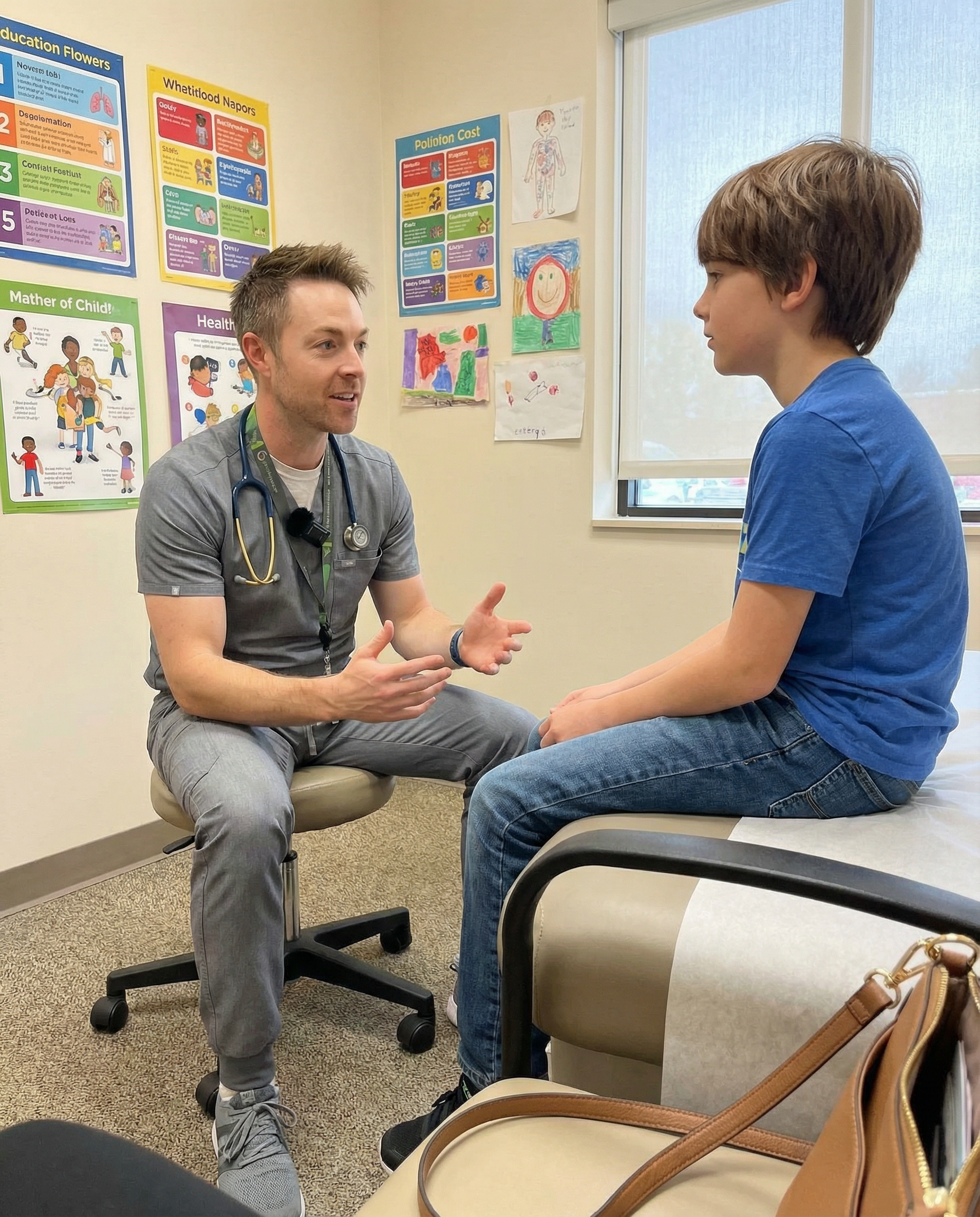
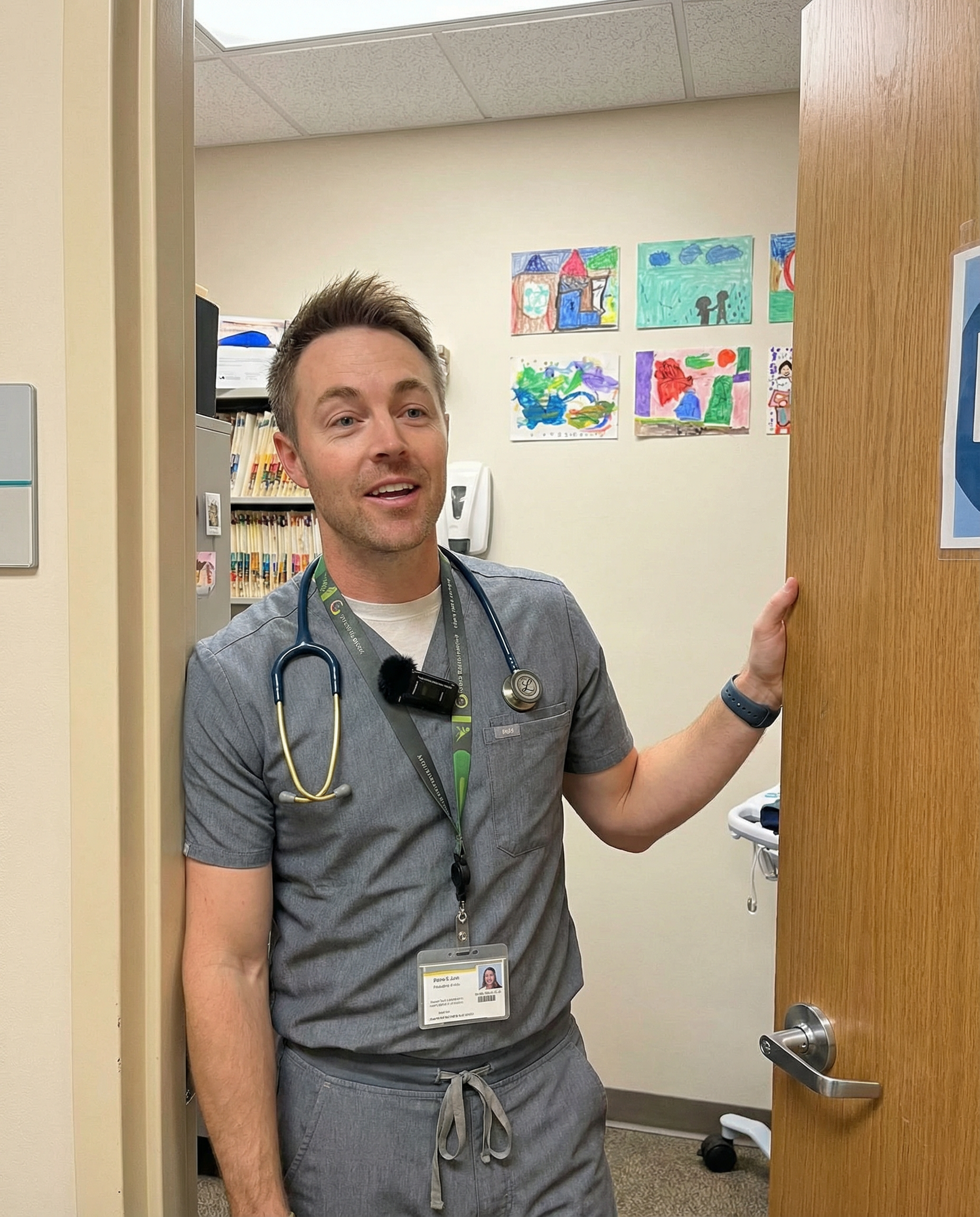
I built a complete visual content library for Lumexa Mood Balance, a direct-to-consumer children's supplement brand targeting mothers of kids with ADHD. The brand needed a massive volume of scroll-stopping imagery that would feel native to social platforms — raw, imperfect, emotionally charged photos that look like a real mom took them on her iPhone, not polished studio content that screams "ad." I created 1000+ unique images across multiple emotional storylines without a single photoshoot, model, studio, or location scout. I art-directed every scene from scratch — each image began as a detailed prompt, a 5-sentence micro-screenplay specifying camera angle, clothing, body language, emotional state, environmental details, lighting source, and the technical imperfections that make a phone photo feel authentic. I treated every prompt the way a film director treats a shot list. The content spanned the full emotional arc of the brand's narrative — from raw pain points like a boy sitting alone in a cafeteria or a mom crying in her car, through the turning point of discovering the product, to quiet wins like a kid finally included in a group project or a bedtime conversation that feels normal again. Every image was engineered to avoid AI tells — no smooth skin, no studio lighting, no perfect poses. Instead, real skin texture, harsh fluorescent light, tilted framing, motion blur, and hyper-specific lived-in details like spilled cereal, crumpled receipts, and juice box stains that make a viewer's brain register "real" before they consciously process the image. I also designed content across multiple ad formats — standalone emotional hooks, before-and-after pairs, realistic WhatsApp and iMessage chat screenshots with the product embedded naturally, phone screens showing teacher messages, and Notes app screenshots showing a mom's list of failed attempts. The result was a plug-and-play content system that gave the brand months of creative assets at a fraction of traditional production cost. What I Bring to Every Project AI Visual Direction — I don't generate images. I direct them. Every prompt is a detailed scene breakdown covering angle, subject, emotion, environment, lighting, and camera behavior. The AI is the camera. I am the director. Prompt Engineering for Anti-AI Realism — Most AI photos look like AI photos. Mine don't. I've developed a prompting methodology specifically designed to suppress the default AI aesthetic — the smooth skin, the golden glow, the perfect symmetry — and replace it with the raw, imperfect, unflattering reality of phone photography. Narrative Content Architecture — I don't create random pretty pictures. I build visual story systems. Every image exists within an emotional arc that maps to the customer journey — from pain point to discovery to transformation. Each photo is a chapter in a story the audience already lives. Platform-Native Thinking — Every image is built for how people actually consume content. I design for the scroll, the thumb, the 1.5-second decision. The framing, the lighting, the cropping, the grain — everything is calibrated to feel native to the feed, not imported from a brand's asset library. Volume Without Compromise — I can produce 1000+ unique, emotionally distinct images for a single campaign without repeating angles, scenes, or energy. Every image is art-directed individually, not batch-generated with minor variations. Zero Production Overhead — No photoshoots. No models. No studios. No location scouting. No scheduling. No reshoots. The entire content library is built remotely, on demand, and can be iterated or expanded in hours instead of weeks.